




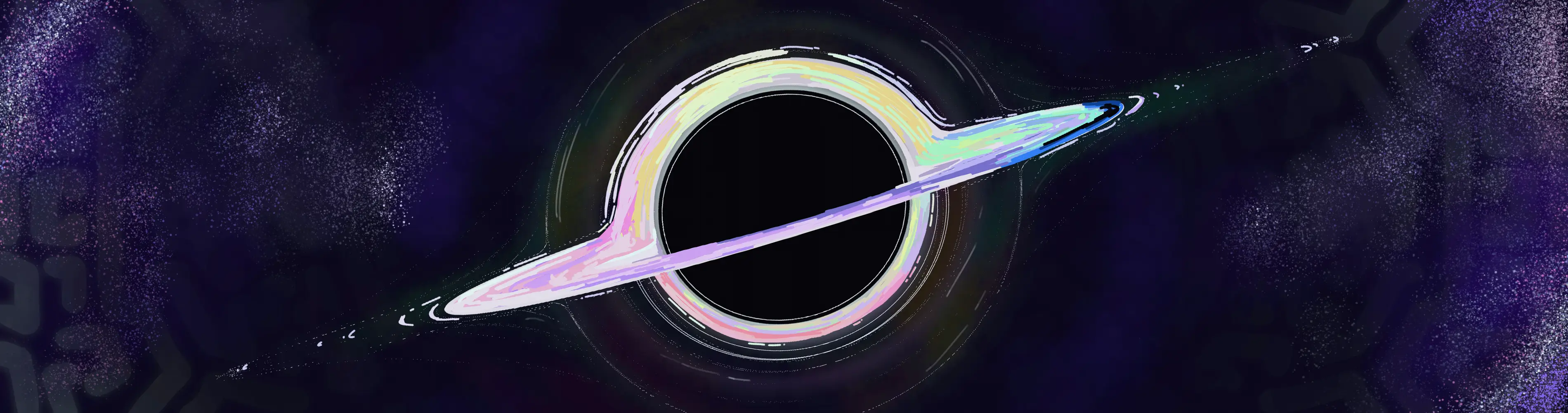
Aphrodite's Bloom
From above, the Aphrodite Ocean shifts from a deep blue hue to a murky green. For roughly a month each Venusian orbital year, all the marine flowers and fungi of the ocean release its pollen and spores. Thick mats of spores drift like landmasses, and pollen fills the ocean like glittering curtains.
Marine fish and amphibian release clouds of eggs, crustaceans molt and change forms, and corals shed their polyps For this month, the whole ocean blooms.
Ecosystem Impact
Forests of dead spores create massive breeding grounds for bacteria. In localised regions, the ocean dies, as the bacteria consumes all. Eventually, this bacteria dies out and the ocean rebalances.

Migratory animals flock in their millions to the Aphrodite Ocean to feed during the Bloom. Filter feeders scoop up tonnes of spores, pollen, and eggs, and whatever other planktonic life forms are found. Many of these feeding species will hibernate the rest of the year, emerging just for this event.
Predatory animals suffer during the Bloom. Any animal that relies on vision to hunt is now blinded, relying on other senses to navigate and locate prey. Many prey species emerge during the Bloom, exploiting this phenomenon.
Ephemeral forests grow on the seabed where nutritious spores and pollen rest. Plant colonies emerge to feed on this discarded plankton; delicate gardens sprout, disappearing shortly after the Bloom ends.
Societal Impact

Harvest season begins for a short while during the Bloom. Spores and pollen speeds up agriculture tenfold. Novians use towering nets to capture spores to feed to their crops. When pollen is rubbed on skullberry kelp, nearly three times the berries are produced.
Though spores aid in agriculture, water quality deteriorates. Soon enough, water becomes difficult to breathe through, and spores clog household machinery. Special veils are worn during the Bloom to filter out spores and pollen.
Navigation becomes a struggle, with visibility in the water dropping from nearly a mile to just a few metres. Urban areas are the only regions where navigation is less tricky. Most long-distance navigation uses sonar to navigate, intentionally to keep society running through the Bloom.
Related Articles
| Atlas | Ash Field · Atigeo Sea · Chrihaia Lake · Endless Tower
| ||
|---|---|---|---|
| Biota | Atigean Clam · Clam-Eyed Fish · Fire Frog · Fire Noodle · Firepede · Firewood Beetle · Frogfish · Helsaurus · Mayhem Fish · Sawshark · Thermal Carp · Thorn-backed Thrasher | ||
| Cultures | Hell's Holiday | ||
| Misc | Hell · Hell Notes |






Hey! If you intended to submit this for summer camp, (it seems like a phenomenon associated with fertility), it may have glitched. Additionally Venusian Whales are beautiful! Just my favorite part of an altogether great article.
Your freind,
The Graiffe
Thank you so much for letting me know, I'd just forgotten to submit it! And thank you for your kind words! <3