Gunéi Káa
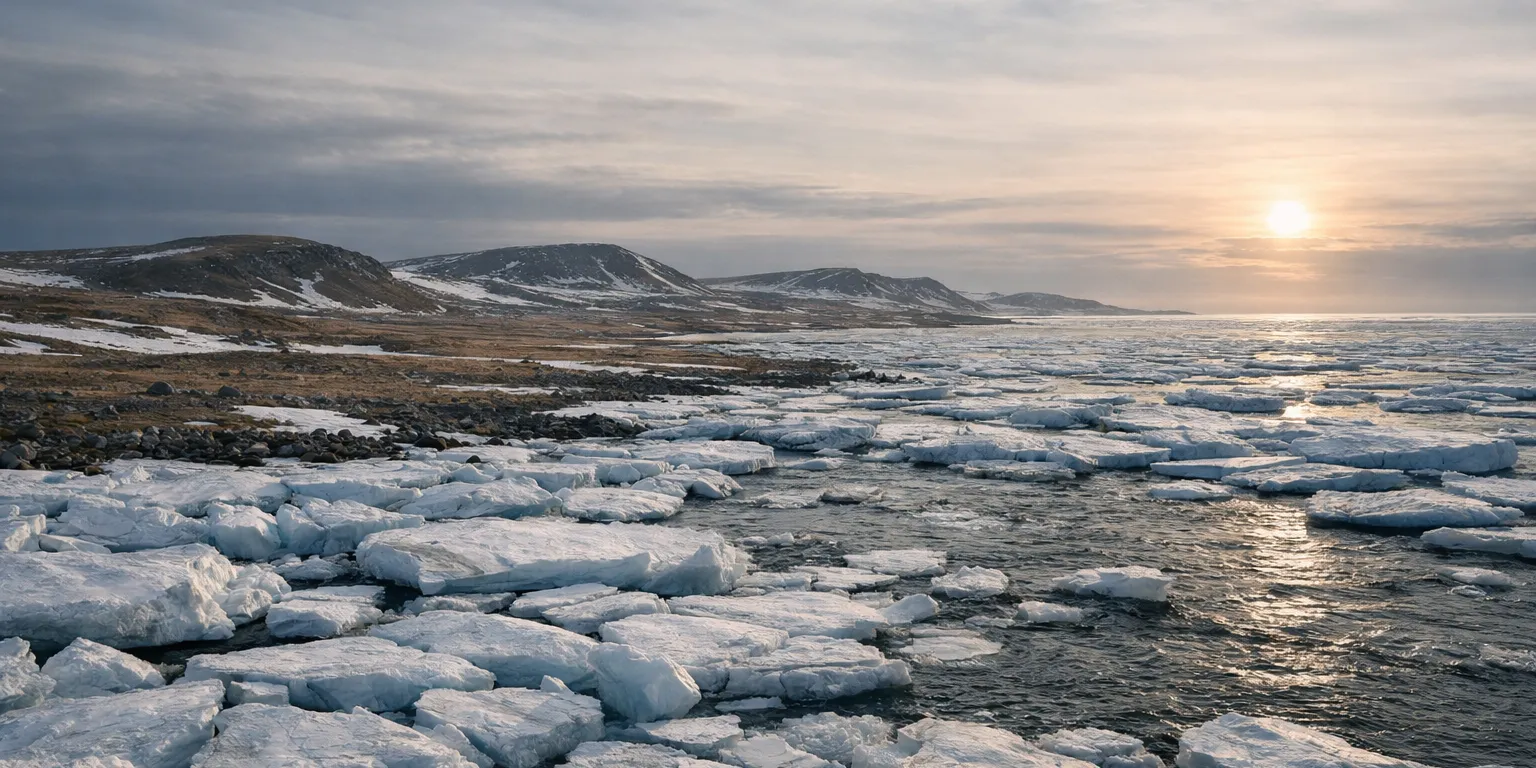
Gunéi Káa is the northernmost island in the Kaa Shuká archipelago, and the most sparsely populated. In fact, there are no permanent settlements on the island at all. The Kimutaa visit it only during the short summers, when the sun remains in the sky for a hundred days without setting. According to Kimutaa tradition, it was here that their prophet Kaagúshaan first received his visions of the future, having discovered a connection to the Yaa At Háat, or the God Within. Since the Kimutaa settled the islands of Kaa Shuká, Gunéi Káa has become the traditional destination for those who seek to become Yaa Háatx'i, the Kimutaa shamans who have discovered Yaa At Háat and thus forged a connection to At Kax̱aan, the underlying divine truth of the universe.
Notable Spirits
The Kimutaa believe that the world is filled with Atx'áani, gods and spirits who inhabit all things. They particularly honor the Shuká Atx'áani, or the Harsh Gods, who are bound to the islands of Kaa Shuká and are associated with the hard aspects of life, such as storms, winter, and grief. Gunéi Káa is the stronghold of the Shuká Atx'áani, and the Kimutaa believe themselves to be their chosen people, destined to be tested and honed until they can withstand the great dying that is yet to come.
The greatest of these spirits is Shuká Háat Kóox̱, or "He Who Oversees the Bitter Ones." Shuká Háat Kóox̱ is the Numina most directly bound to Gunéi Káa and represents the inevitability of winter and the necessity of death. The Kimutaa believe that harsh times cannot be avoided, only prepared for, and that Shuká Háat Kóox̱ and his Shuká Atx'áani are the means by which At Kax̱aan prepares the creatures of the universe to endure those times. Through trials and tests, they winnow those who will fail from the world, leaving only those capable of surviving the winter.
Normally, Shuká Háat Kóox̱ is a distant and impersonal figure who sets his trials upon the world with little concern for their consequences, confident that some will survive. However, when the future grows especially bleak and lethal, Shuká Háat Kóox̱ takes a more active role to ensure that some are prepared. It was Shuká Háat Kóox̱ who sent visions of the future to Kaagúshaan, inspiring him to found the Kimutaa community in the harshest part of the world, so that when the great dying comes, there will be those ready to endure it.
Geography
Gunéi Káa is shaped like a hatchet, with the head of the island to the east and a peninsula extending to the southwest. It stretches roughly sixty miles from east to west and is about fifty miles across at its widest point. The island is mostly flat, with low hills at its center. For most of the year, the shoreline is surrounded by thick pack ice, connecting Gunéi Káa to several nearby islands. This ice melts only during the height of summer. The island is a polar desert, with little vegetation and almost no animals that live there permanently, although caribou and polar bears can occasionally be found passing through.
Geographic Details
Location: Northwestern RegionLatitude: 76.58 degrees North
Longitude: 27.47 degrees West
Average Elevation: 33 ft
Highest Point: 322 ft
Lowest Point: -3 ft
Area: 1,079 sq mi
Related Articles
This article was originally written for Spooktober 2024. You can find all of my Spooktober Articles at Spooktober Central.
This article was originally written for Spooktober 2023. You can find all of my Spooktober Articles at Spooktober Central.


Ooohhhh polar islands with sea ice I imagine the combined biome of all of them, and the shallow waters between them that also get sea ice most of the year would have a surprising biodiversity, given the immediate first lack of plant growth one might take a sign from. I'd be curious though there must be a larger island or landmass somewhere that the polar bears use over the warmer months specifically mommas for denning. I'm picturing a bit of northern Canada way out like Nunavut and all the mess of islands and land masses up there in my head though. Very neat I'd love to explore such rugged locales.
You are spot on with the Canadian island comparison - that's the primary geographical inspiration for this archipelago (and the one next door, and some of the ones one region over in the North - I have been reading a lot about the Arctic archipelago and their influence is scattered all across the northern arc of the Great Ring). There are two of the largest islands in the Great Ring in this group, a little farther south and off to the east - that's where the bears are more common, but they occasionally get this far from the heart of their territory as well.