
Rúnsmíðaðr (ROON-smeeth-athr)
Rúnsmíðaðr occupies a wide northern sweep of Anuk, a land of wind-carved stone, ancient magic, and hardy people who trace their lineage back to the earliest ages of the world. The region is home to the Runeforged Clans, an old ethnicity of mixed human and Tabaxi heritage who believe themselves shaped in equal measure by the mountain, the anvil, and the rune. Their culture preserves a form of primal magic older than the refined arcane practices found elsewhere, a craft rooted in language, symbol, and the shaping of thought into metal.
Geography
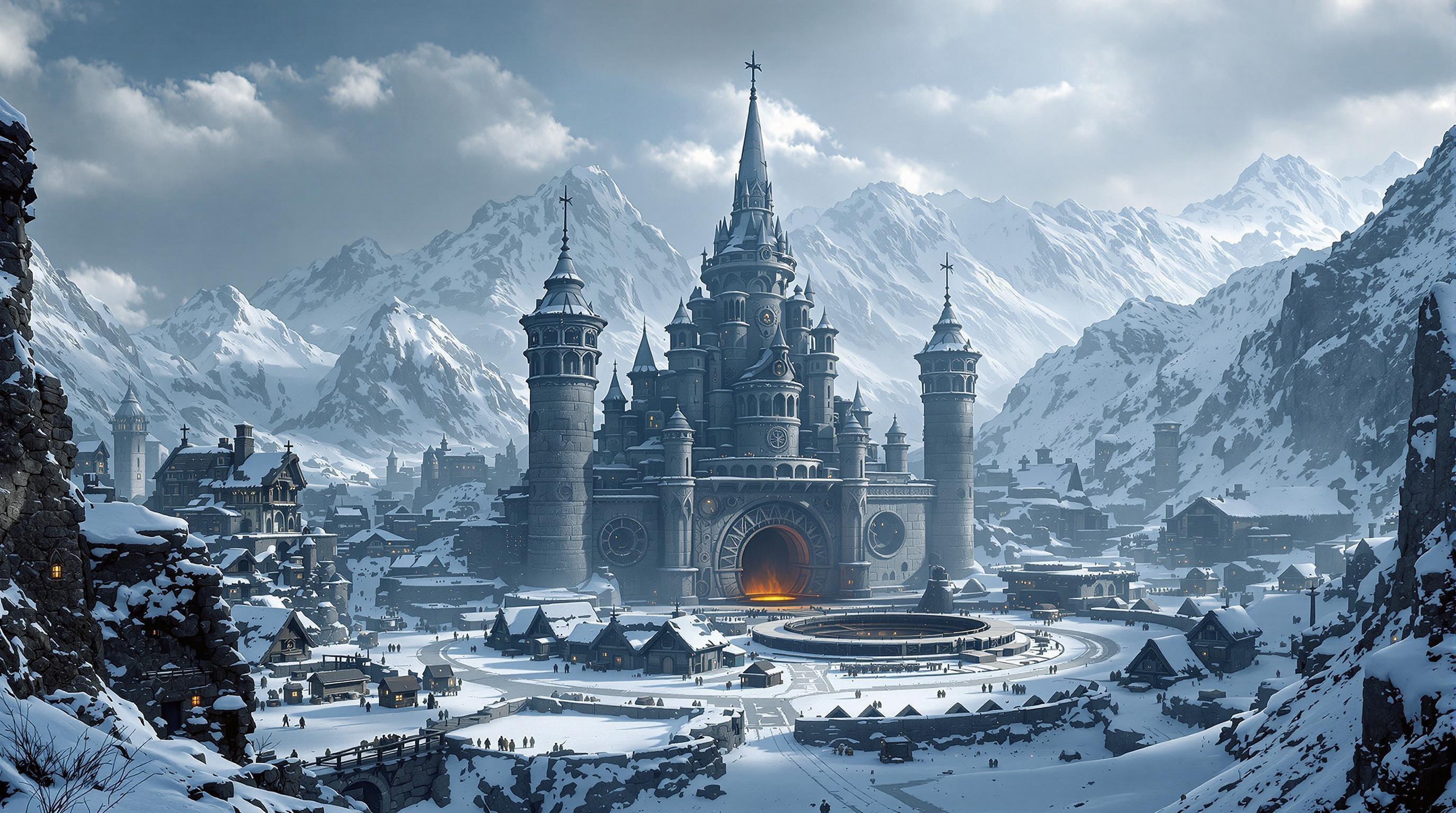
At the heart of Rúnsmíðaðr rises the great mountain system known as Glóðfjöll, a vast range rich with ores and half-buried remnants of forgotten ages. To the dwarves in the southern reaches this same chain is called Khazad-Ghul, and their halls run deep beneath its lower slopes. The Runeforged lands extend from these mountains northward to the Frostveil Sea, with windswept tundra, pine-strewn ridges, and rugged coastal territory defining much of the landscape.
To the west lies Zarath’kesh, while the eastern border is marked by the swift Ignis Torrent, a river that divides the region from Ablation and the lands of the Sanguine Remnant. The terrain is severe but beautiful: stony highlands shrouded in mist, icy fjords that catch the auroras, and hidden glens where ancient runestones stand half-forgotten.
The Runeforged Clans
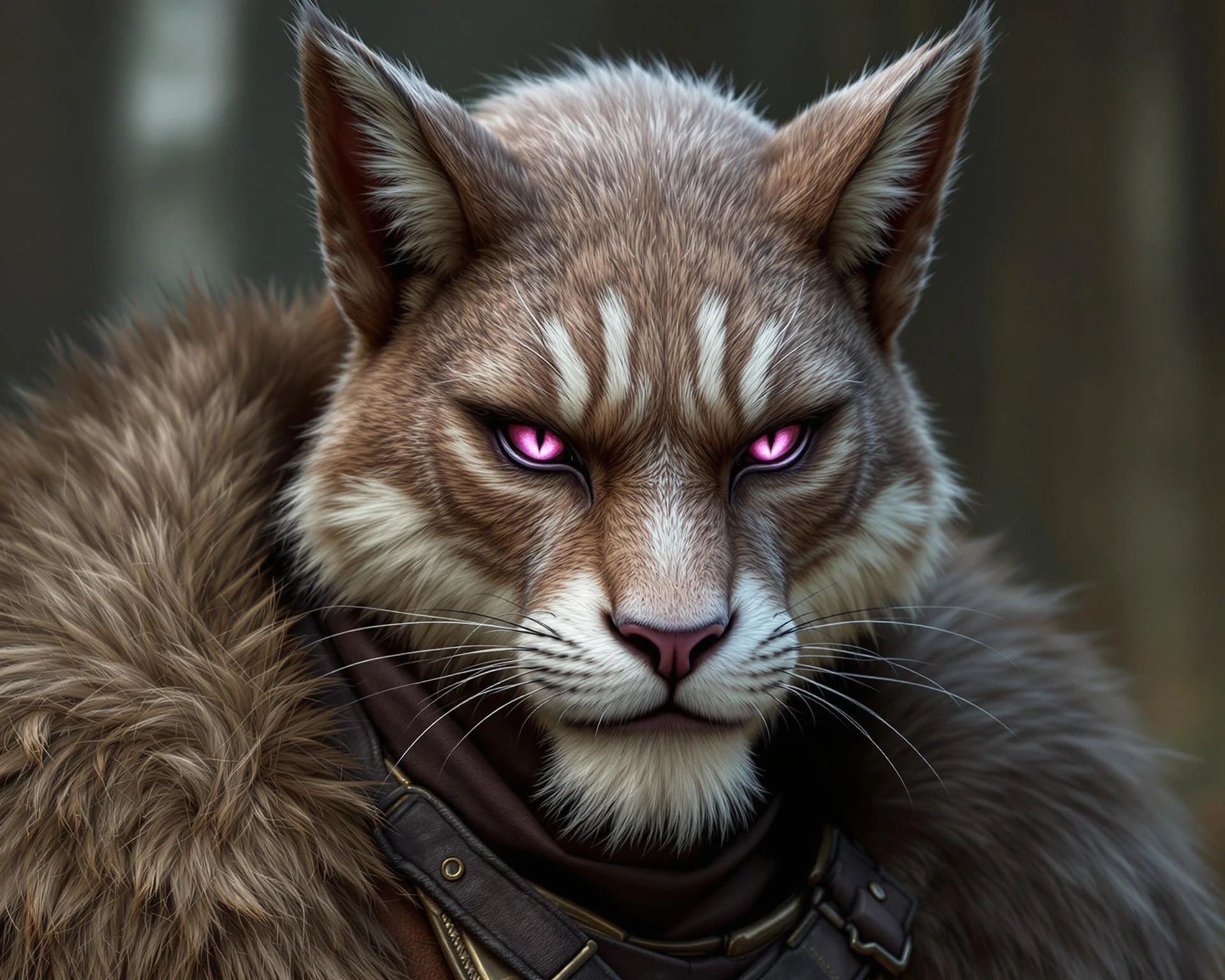
The peoples of Rúnsmíðaðr call themselves the Runeforged, a name that speaks to their origins, their traditions, and their craft. They are a mixed heritage of humans and Tabaxi, with lithe frames, keen senses, and a culture that blends feline agility with human endurance. They consider their lineage one of the oldest in the world, shaped in an age when magic was first exhaled by the gods directly into the land, and language was a force that shaped creation.
Their spoken tongue is a modern descendant of Galdrasmiðr, the ancient language through which early magic was once invoked. Many of their greatest magi work through runic inscriptions rather than contemporary spellcraft, drawing power from symbols etched into metal, stone, or their own skin. To them, magic is not a tool but a covenant between meaning and matter.
Culture and Traditions
Smithing lies at the heart of Runeforged identity. The forging of one’s first weapon is a moment of profound cultural significance, marking the passage into adulthood. This blade, axe, hammer, or spear is shaped with intention and imbued with a sliver of the maker’s spirit through rites that blend rune expression and meditative focus. These weapons are companions rather than instruments, housing a subtle cognitive aspect awakened through ancient craft.
Their society values resilience, craftsmanship, and memory. Songs are sung in deep halls, recounting the deeds of clan founders and the forging of famed relics. Runes are carved into homeposts, ships, and even the bones of beasts in ceremonies meant to anchor thought and will.
Major Settlements
Smíðahöll stands as the heart of the region, a city built around an immense forge that has burned without cooling for as long as recorded history can reach. Apprentices come from distant holds to study smithcraft, rune magic, and the old chants that align mind, breath, and metal. The roar of its furnaces and the glow of its forges can be seen for miles in winter’s dusk.
Hvíslatindar lies hidden in the high valleys of Glóðfjöll, a settlement known for its reclusive rune-smiths and scholars. The cliffs here echo with ancient chants, and the stone pathways are lined with pillars carved in a script older than any living memory.
Landmarks and Mystical Sites
Glóðfjöll itself is the most significant feature of the region, a mountain range rich with rare metals and strange crystalline deposits. Legends claim that the bones of ancient spirits rest within the stone, and that the mountains hum when great magic is wrought nearby.
The Rúnslæða Skógur, a woodland where the boundaries between the physical and cognitive planes blur, remains one of the most sacred sites to the clans. Travelers speak of trees that whisper, runes that appear on bark uncarved by mortal tools, and moments when thought drifts free of the body and walks the forest as a shadow of itself.
Identity and Outlook
The people of Rúnsmíðaðr see themselves as keepers of an older truth, stewards of foundational magic that predates the academies and conservatories of the south and east. They do not reject modern arcana, but they hold that true power lies in the harmony between word, symbol, and the will that guides them. To outsiders they are rugged, proud, and sometimes inscrutable; to each other they are bound by clan, craft, and the enduring knowledge forged in mountain fire.

Comments