Mythic Era: The lands which now make up Vladkimir were originally colonized by the Elven
Mithral Empire and Dwarven
Hjalgrim Kingdom. There were scattered conflicts between the Elves and Dwarves, but the land of Vladkimir was never a prized possession in either crown.
Heroic Era: As the Mythic Era ended and the Empires of Elves and Dwarves receded, human settlers of
Skjoldr descent built settlements in the area. The Skjoldr towns were located in the northern reaches of the country with relatively low population. The region became known as the Nordlansk.
Later in the Heroic Era, Lurian settlers took the best lands in the south for the
Lurian Empire, where the mighty Koya River allowed for bountiful grain harvest. The colonial capitol, Chionopolis, was established at the mouth of the Koya river and became the major trading port for the area. A feudal system quickly grew, with the noble Boyars overseeing the nation.
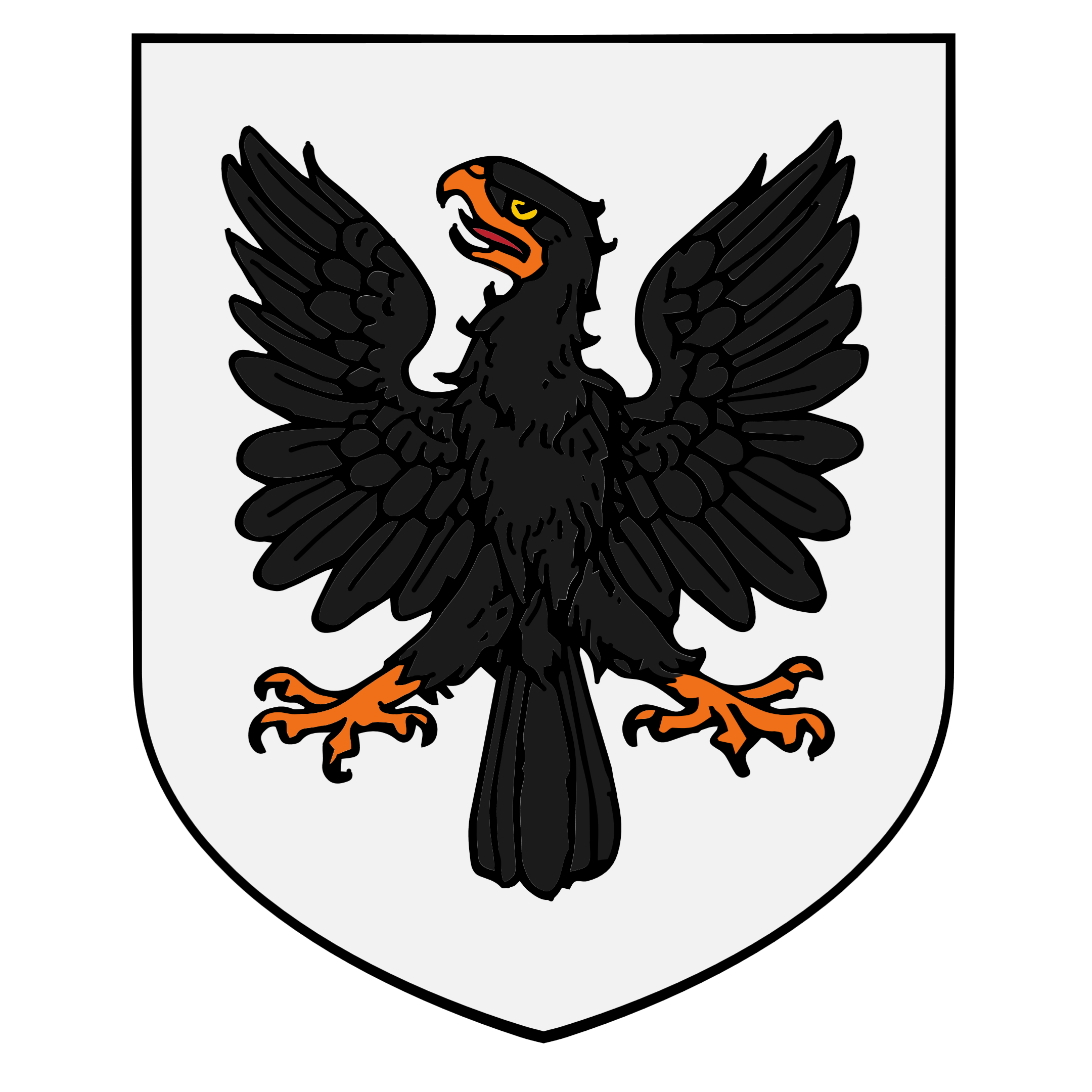
The War of the Eagles brought about the end of the
Lurian Empire, with Vladkimir and other colonies rising against the Empire. Among the rebels was a Boyar named Barov Von Zarovich, who took the colonial capital of Chionopolis.
Modern Era: In the aftermath of the War of the Eagles, a series of warlords fought for control of the country during the Unification Wars from 5943 to 5963. King Barov, and his son, Strahd von Zarovich, united the nation through bloody conquest. Strahd built a new county in the far east of the nation, naming it Barovia. The victory of the family was soon marked by tragedy. First, King Barov died. Then, Prince Strahd, his brother Prince Sergei, and many nobles and generals disappeared not long after. The Von Zaroviches were soon forgotten in the mists of history.
A power vacuum threatened to send the country into civil war again following the disappearance of its rulers. Konstanta the Great seized control of the country in 5963, declaring a new philosophy which rejected the old systems of monarchy, nobility, and organized religion. He renamed the capitol
Konstantagrad after himself and undertook a major construction project in the capitol, rebuilding it entirely. Followers of Konstanta orchestrated a series of People's Tribunals, executing the remaining nobles and supporters of the previous regime. Several centuries passed under the Konstantan system, but the government became more and more corrupt with each passing generation, leading to unrest and rebellion.
The Civil War: Finally, the
Vladkimiran Civil War split the nation in two in 6476. The war raged between the Centralist forces and the Konstantan armies. The Centralists, led by Commander Nadya Kertosink, were based in Konstantagrad and aimed to restore order to the country, no matter the cost. Their forces included the mighty Nikifor, merciless and ferocious heavy infantry who dominated decisive battles. The Konstantans called for a return to traditional Konstantan values, but were plagued by the corruption of the past system. They engaged in a campaign of hit and run attacks and ambushes. The brutal war continued for thirty years.
In 6505, the
Atathian Empire intervened on the side of the Centralists, deploying the
Legio XXI under the command of Legatus Ahenobarbus, descendant of Saint Ahenobarbus. The Legions and Centralists quickly won the decisive Battle of
Kala against the Konstantan defenders and captured the town.
During the Civil War, a demonic champion by the name of Sasha built a dark army. Sasha was the daughter of the abusive and corrupt mayor of the village Sebilsk, who channeled her rage and pain into fury and fire. Sasha plagued the town of Cherepovets in 6505, then united several tribes of centaurs who worshipped
Kirbarir. She activated a number of unholy sites across Vladkimir and summoned a demonic army in 6506. Crowning herself the Demon Queen, Sasha destroyed large swathes of the country. During her campaign of destruction, she was opposed by a group of adventurers.
Meanwhile, it is rumored that the lost Prince Strahd von Zarovich, now a vampire lord in the lost realm of Barovia, attempted to marry his reincarnated bride and return to Vladkimir. However, during his wedding, he was slain by a group of unlikely heroes. In the fight, multiple dark gods, Dendar and Ochniyye Palochki, are said to have escaped their prison in Mount Ghakis. The full truth of these events are not commonly known by the public.
The Demon Queen Sasha was drawn to Barovia and Mount Ghakis in the aftermath, and attempted to access a temple prison beneath the mountain. She finally slain at the Battle of Mount Ghakis in 6506, facing a combined force of Atathian legionnaires and Vladkimiran soldiers. It is rumored that the Atathians reinforced the temple defences at Mount Ghakis after the battle.
Post-War: The losses of the War were great and entire swathes of the nation were destroyed. Rebuilding has been difficult. Many lives were lost and infrastructure was severely damaged outside of the core regions near the capitol.
Commander Nadya Kertosink currently controls the country, but everyone knows that the Atathian Empire holds the real power. Legion forces maintain a garrison within the nation and opportunistic Atathian merchants gain the best deals. To their credit, the Atathians have reconstructed roads, bridges, and other key infrastructure in the interior of Vladkimir, although cynics note that these investments benefit Atathian commerce and military operations first and foremost.
Many former Vladkimiran soldiers have tried to find work outside of the country, either as condotierri mercenaries in the
Trading Coalition or as auxilia for the Atathians.


Comments