Topography:
Daghur is similar to
Kaichi, not just in culture, but in topography. Scorched mountains and valleys are dotted by the skeletons of beings who could not stand the heat, while amid the steppes, sweetgrass dances in the sour searing wind.
Flora and Fauna:
Amid the red rocks prowl Caracals and leopards, their eyes searching for scampering iguanas and rabbits. Above, buzzards fly.
The arid fields of the lowlands come alive with the sound of snorts of rhinos and the squeaks of desert porcupines.
Through amber and jade oceans of millet and sweetgrass swim grey blurs of badgers and green dashes of crickets
Geckos, crickets, and badgers swim through amber oceans of sweetgrass.
Daghur is home to multiple kinds of dinosaurs, including T-rexes.
In olden days, Daghurian warriors would ride on them, but this is now only practiced by a handful of clans.
The sharp roots of walnut and cypress trees seep into the soil of limestone mountains, while clumps of brittlebushes and red cabbage dot the red valleys.
People:
98% of those living in Daghur are humans.
A majority of the humans in Daghur have an appearance similar to other humans in the central area, with olive-toned skin and hooded eyes.
However, a small minority of humans are the Tzaeni, distinct from the Daghurians because of their darker skin and monolid eyes. The Tzaeni live all across the central regions, stretching from
Iralji to
Shibea.
Culture:
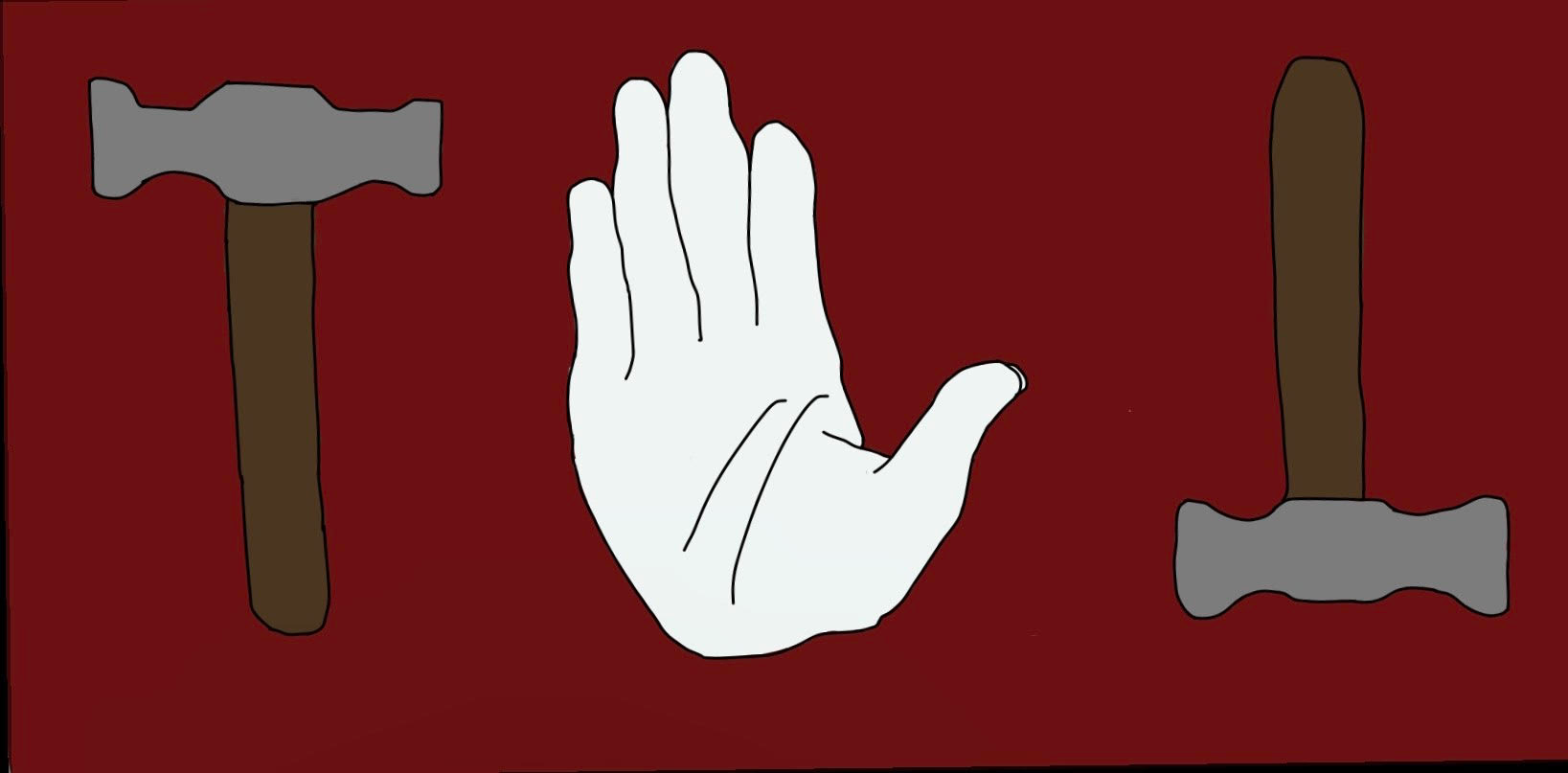
Metalworking is extremely important to the Daghurins.
In the cities of Daghur, people ride through the skies on giant metal flies whose black copper wings buzz as quick as lightning. These machines can only be ridden by two people, but use for them in commercial travel has been a goal many have strived for. Their slow speed and inability to go more than 10 meters above the ground have made them impractical for military combat.
The towns of Daghur are far less industrialized. The center of these towns will be large Pit Houses, houses built half underground, used both to store food as well as for cultural ceremonies and celebrations.
However, metal working is still important even among these Daghurians, with the blacksmith of each town being a highly respected member of the community.
Many of the other aspects of Daghurian culture are similar to those of the Kavtin, the Dredakins, and the Kaichins. These include the enjoyment of sport, the emphasis on honor and physical prowess, as well as being patriarchal.
With the Tzaeni people, crystal work is very important. There are twelve sacred crystals. In olden days, Tzaeni magic users would often enchant these crystals with specific properties. Nowadays, there are practically no Tzaeni magic users, but Tzaeni will still include the twelve sacred crystals in art, fashion, and architecture for symbolic purposes.
Calcite symbolizes fire
Topaz symbolizes cold
Blueberyl symbolizes water
Alexandrite symbolizes Phaeg
Agate symbolizes earth
Celestite symbolizes air
Amber symbolizes light
Black kunzite symbolizes darkness
White Tourmaline symbolizes life
Obsidian symbolizes death
Jade symbolizes good
Moonstone symbolizes protection from evil
Government:
Daghur is a monarchy, led by the currently reigning Mechanoid Family.
The rulers of Daghur have all rejected their human bodies for massive forms made entirely out of metal and wires.
The entirety of Daghur is divided into different territories known as satrapies.
Each of these is led by a governor, who must answer to the monarchs.
Beneath the governor is a general, a state secretary (who keeps official records), and a chief technomancer. This “Satrapy System” is inspired by that of
The Bironaut Empire.
To understand this system, let us do an exercise. Let’s suppose you wish to become a governor. This will not happen in a few days, first you will have to climb the ladder. To start with, you must be of high birth, meaning you are from one of many aristocratic houses.
In order to gain admission as a (high ranking) government employee, you will arrive at the capital of your satrapy with an official endorsement from your family. This endorsement will come in the form of a Steelscroll reading your accomplishments, and it will be presented to The Administrators. This will be a council made up of people from a specific house. This house is not allowed to have its members be any kind of government employee other than administrators, so there will be no biases.
If The Administrators find this favorable, they will assign you a job, such as assistant to the general, chief treasurer, or commander of judges. From there, you can gain favor with other members of the government. It will help if your house is particularly prestigious, and if it already has members within your satrapy’s government. Obviously, every single house wishes to have more power, so your family members who are also part of the government will rally behind you.
In order to become governor, you will still have to wait till the current governor of your satrapy dies or retires. Then, you will not have to proposition The Administrators, but the royal family themselves.
If they find you favorable, then congratulations. You are now governor.
Religion:
The Daghurians follow
Indrictism, like most people in the central area. Indrictism is the worship of Ineyan, the supreme god. He is referred to as Ineyan in formal situations, but Indrictus in casual situations. Ineyan is seen as the god of everything, but is also often referred to as the god of such concepts as wisdom, magic, creation, war, the mind, freedom, and many others.
According to Indrictist tales, it was Ineyan who gave people the ability to use tools.
The Indrictism followed by the Daghurians has many differences to the other forms of Indrictism.
Let’s first look at the similarities. Most Indrictists will meet on Saturdays to pray in a Ziggurat. At the centre of this temple is a statue, which is said to be a vessel for Indrictus. A priest will lead the community in prayers towards the statue in an attempt to summon a piece of Indrictus within the statue.
These prayers are spoken, sung prayers are to be done entirely by Preistly Singers working for the ziggurat. During times when they are singing, the members of the congregation will all kneel in silence.
Indrictus temples have no chairs, with congregation members either kneeling or sitting on the floor.
At the end of every service, each member of the congregation will be given a stone with an inscription on it. They are then expected to get into a line and place the stone in a pool surrounding the statue while saying a simple prayer: “Thank you.” The inscription on the stone is what they are saying thanks for.
This pool is generally full of water, but during the Fall Solstice, it will be drained and filled with gasoline, and then set on fire. In Daghur and Daghur only, it will be filled with oil.
The key difference between the Daghurian form of Indrictism and the other forms is that the Daghurians claim that The Electric Empress, who will be discussed later, was a prophet of Indrictus, and so some Daghurians worship her alongside Indictrus.
The various other differences will become apparent in the religious section of other countries.
Art:
Daghur is known for its maximalist art, with intricately detailed sculptures and stained glass lamps.
Mosaic making us a well known aspect of Daghurian culture.
Cinemagraphs have recently become quite popular in Daghur.







Comments