
Tzudzehkt (tsue-zeh-kt)
Salvager SeaScions
The Tzudzehkt are history-obsessed salvagers who hunt down ancient bio-tech relics to restore and activate, living in submerged settlements built on the seafloor beside or inside ancient lost cities. They are inspired by pirates, cyborgs, Indiana Jones, and Atlantis. This means that many Tzudzehkt dream of discovering and restoring legendary artifacts or even better, discovering an entire lost city from civilizations at the dawn of time.
This culture is based on the ISTP personality type: Introverted, Sensing, Thinking, Perceiving. These are weaknesses as much as strengths, and while the dragons believe that every Tzudzehkt is basically ISTP, the truth is always far more complicated. No culture or even a single person can fit in a box bounded by just four letters.
Do This!
- Wear pointed ears! All Vet'Vus, including Tzudzehkt, have horns, antlers or some sort of spikes on their heads. Remember, there are no humans in Shadowright.
- Decide how passionate they are about history and their personal lineage. All Tzudzehkt know their family and community's history, rich or poor. Create at least one famous or infamous historical figure they can point to for their personal identity, for better or worse.
- Create your PC's Values, building off of the Shared Codes and Values section below. Decide who and what they're loyal to, and who they harshly judge.
- Write the story of how your PC completed their Initiation (see the Coming of Age section below), and decide why they chose their specific implants.
- Figure out your character's favorite way to flex their power, especially if they are poor.
- Take deep pride in being a Rebis and their specific implants.
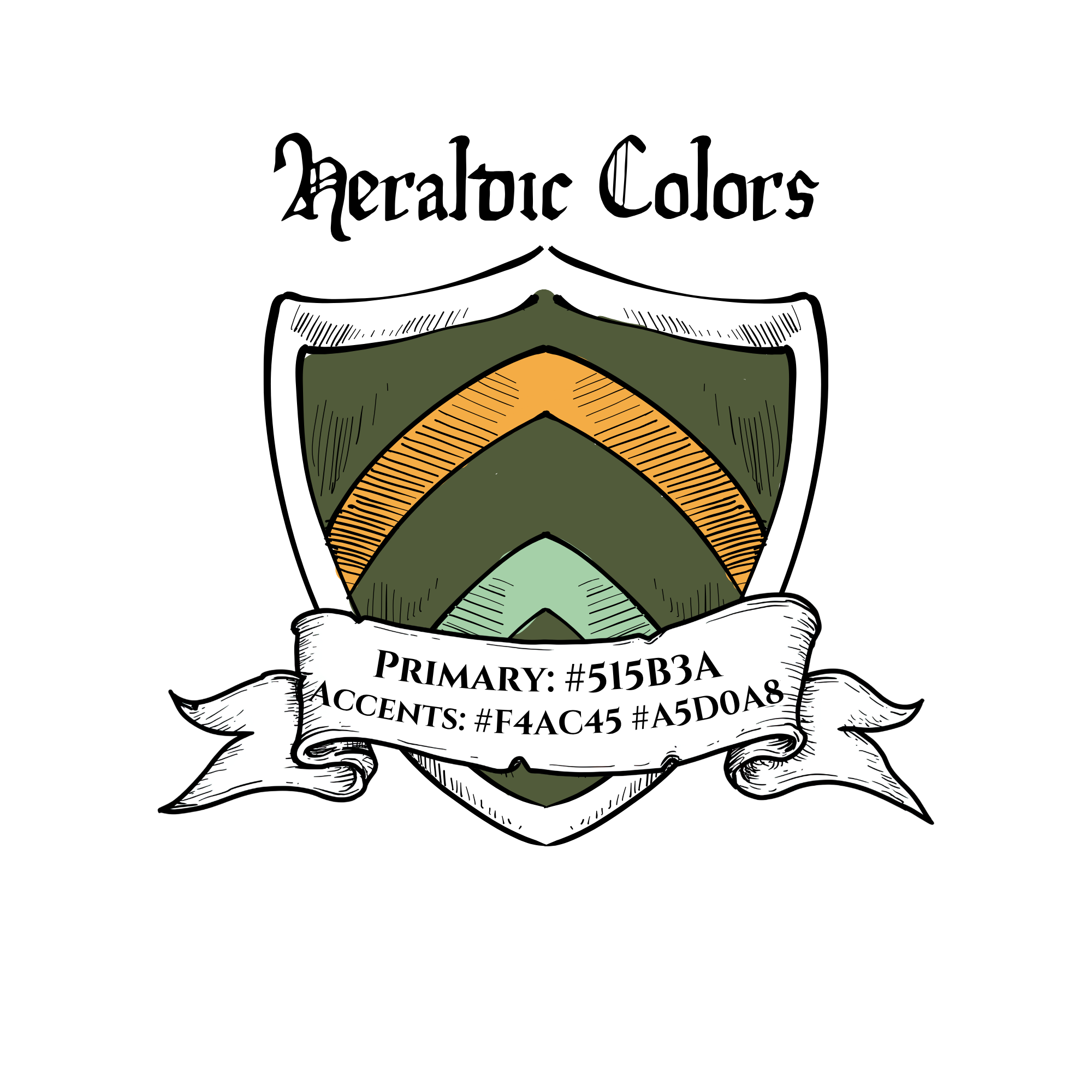
- Costume: Inspired by Ancient Greece and Dinka beadwork, with flowing quilted clothing that dries quickly and a heavy use of intricate beaded strings. Dark greens with pops of brass and mint, though blues are also often common. Tdudzehkt garb is designed to celebrate and/or protect their implants, for they are very proud of their relics.
- Decide how your character feels about dragons, recognizing that all Vet'Vus consider the dragons helpful allies. The Tzudzehkt generally believe that dragons can be befriended to reveal hidden ancient treasures.
Do NOT Do This:
- Don't make a royal PC, a member of the ruling class, or create backstory ties with a ruler. Shadowright players cannot have a ruler PC in any Culture.
- Don't be a exclusive recluse for no reason. Tzudzehkt introversion is most apparent with strangers, but among friends and when pressed, the Tzudzehkt can be as talkative as anyone else. Don't let this culture's general "introversion" prevent you from engaging with others!
- Costume: Don't copy/paste appropriate directly, be inspired to create something new! Avoid bright and shiny "new" looking metals or brilliant colors. Aged is ideal, so faded or a patina is prized. This doesn't mean tattered or broken, but well cared for and high quality. The poor would have only one or two older wearable items of lesser value as inherited treasures.
- Don't decide to be anti-dragon just to be "unique." Think through a real reason why they would make such a drastic break from what everyone else believes and discuss it with your StoryMaster.
Culture
Culture and cultural heritage
The most distinctive Tzudzehkt belief is that the past is better than the present. This creates an idealized and romantic view of history, and the desire to somehow recreate it in the present. For the average Tzudzehkt, this is most obvious with their Rebis implants which are typically inherited from prior generations of their family in a coming of age ceremony. But culturally, it also means that they are distrustful of new items or ideas, believing that the new thing is not valuable, is a bad idea or scam, or simply a waste of time compared to time-proven alternatives. This has resulted in a people who have become quite skilled at repairing and repurposing older items for generations, often to the point where an item has been repaired so many times it no longer has any parts of the original item.
This priority of the old and antique also plays out through a profound respect for elders. Children and the youthful are deeply cherished, but the opinions of the young are patiently tolerated at best. The Silver Strand Throne is a metaphor for the authority that comes with age and gray hair. Families are guided by grandparents, and Tzudzehkt society on the whole is governed by a Senate. Each settlement sends three senators, who must be respected elders but "not so old that they become young again."
Shared customary codes and values
The typical Tzudzehkt is a diligent worker who values a practical and grounded approach to life. On the whole, they prioritize being aware of their surroundings for being observant of a small problems can save an entire submerged settlement. Due to a cultural value of reusing and improving, they are good at being both spontaneous and resourceful in the application or misapplication of whatever is at hand. It is customary to encourage being direct and authentic in private settings, especially when speaking to a peer or someone younger.
However, the Tzudzehkt also have a reputation for being overly private, not sharing what they're really thinking publicly unless they are pressed or threatened. Unfortunately, when they do share their opinions, they are often accused of being overly skeptical or insensitive. They themselves recognize that they're easily bored, because few things compare with the excitement of living in the constant risk of the submerged cities.
Tzudzehkt have also been accused of being independent, though they are not sure if this is a compliment or an insult. The Vet'Vus species on the whole are more communal than other Shulte peoples, so even the most independent Tzudzehkt will be more communal than a typical Yenyi. But among the Vet'Vus, the Tzudzehkt have needed to learn how to look out for themselves as individuals and small family groups. This is partially due to the risky environment of the underwater settlements, where each small group or individual is responsible for their own safety. But it also might be due to the individualized hunt for artifacts to implant, where a legendary relic might set an individual apart from a group. Academists debate the origins of the independent streak of the Tzudzehkt, but no consensus has been found.
Average technological level
The Tzudzehkt are the most complicated culture regarding technology because while they believe that older is always better, they also are naturally curious and not opposed to adopting new inventions from other lands. This has created an interesting synthesis of old and new in their technology, most obvious in their adaptations of Duthoa inventions such as the Ingetz blasters and magical wards for increasing the speed and durability of vehicles. Due to this combination of old and new, they believe that they are the most advanced culture that has ever existed.
While they do adopt technologies from other nations, the focus of their own craftspeople and scholars is in the identification, understanding, and re-implementation of whatever they are able to find in the ruins of lost Vet'Vus cities. The majority of their discoveries are from cities that were lost in The Fell Calamity, when large portions of Tvus were destroyed and submerged. They have developed advanced restoration and repair techniques as well as various implements for locating, identifying, and recovery of artifacts of all sizes.
The entirety of Tzudzehkt settlements are dependent on the invention and perfection of Tʼadzne, or bubble-nets. These nets are created of a species of freshwater t'ajuk kelp that produce high amounts of breathable air. While the Rinshi were the initial inventors of the t'adzne, the Tzudzehkt quickly adopted this technology and implemented it on a massive scale to create entire cities beneath the oceans. These settlements are interconnected networks of tunnels and hubs, with multiple redundancies and safeguards against net failure, as well as ducts that connect to the surface.
Tzudzehkt tall ships are known for their nostalgic beauty, with soaring masts and square rigged sails. They mostly sail heavy merchantmen that boast multiple gundecks and deep cargo holds. Tzudzehkt ships are not fast, compared to other vessels, but they are strong and able to defend themselves in most situations. These ships are works of art beyond the lines and sails, for they are often ornately decorated with gilded filigrees and figurative sculptures. To the Tzudzehkt captain, the true treasure isn't the cargo in the hold, it is the ship itself.
Common Etiquette rules
Respect for the aged is expected without question. The elders are given first choice at meals, and all wait for them to sit first. Elder's opinions carry more weight and if a younger person disagrees with their parent they must find an elder to advocate for them such as an aunt or uncle.
Two difficult and confusing stages of life are middle age and the end of life, for in these times it is often unclear what one's social role is. Middle aged Tzudzehkt can be very capable and are respected even by those decades older than them, but socially they are expected to follow the lead of their elders. This can be frustrating especially in the case of a brilliant middle-aged person trying to work with less gifted elders. In these cases, the middle aged Tzudzehkt often becomes very skilled at manipulation and appeasement, for better or worse. Typically, in these cases the public etiquette of respecting the elder becomes even more extreme to compensate for private scheming. The final stage of life is also very hard for Tzudzehkt, especially when the "second childhood" occurs and the elder loses their mental abilities. They are also caught in an in-between where they are respected publicly but also condescended privately, being both elder and child in a painful and frustrating duality.
Common Dress code
The old is better paradigm impacts all aspects of life, including fashion, to the point where quilted garments made of beloved and ever-replaced fabrics are a core aspect of Tzudzehkt style. In some cities, it is customary to see the young wear some sort of head covering from childhood through middle age until gray hair begins to grow in. The Tzudzehkt never dye gray hair and are astounded that some cultures do this.
Tzudzehkt will often also show off other treasures they've collected over the years and have been jokingly called "walking museums." The rich have learned that this makes them targets for thieves, so they either hire guards when they wear their artifacts out or train to be able to defend themselves. Most thieves are well aware that a Tzudzehkt who wears treasures so publicly is a gilded trap for any thief fool enough to reach for it. But the vast majority of Tzudzehkt wear artifacts of middling value or personal significance, so they walk without fear. The poor would have only one or two older wearable items of lesser value as inherited treasures, sometimes as simple as an interesting bone chip an ancestor found.
One development of the walking museum is the practice of wearing high amounts of stringed beads and charms. These vary from city to city, but in some areas people wear dozens of necklaces, belts, bangles and even stringed bead corsetry. The value beads and charms vary according to class, from simple wood beads for the poor to pearl and gold of the wealthy. The rarest beads are made from a purple aquatic snail, and only sitting members of the Tzudzehkt Senate are allowed to wear this particular purple bead. Certain settlements have hereditary purple bead high-neck collars for their Senators, while other cities have full torso bead-string corsets to celebrate their prosperity.
Due the wet environment of Tzudzehkt submerged settlements, all Tzudezhkt garments can withstand getting wet repeatedly. This influenced the development of fashion, most often in a lack of layers or padding seen in other cultures. Blankets and cloaks were used more typically than jackets or vests for warmth, because they are easily removed to dry. However, jackets or vests are occasionally used on surface going ships, because they are less likely to be caught on rigging.
Coming of Age Rites
Tzudzehkt are a Augmentee Rebis culture, meaning that they will implant technology into their bodies to hold with tradition and give themselves advantages. They are similar to the Duthoa, but distinctive in that their implants are rarely if ever new inventions. The Tzudzehkt implants fall into two categories: inherited or salvaged.
Inherited implants are just that, inherited artifacts from an ancestor, relative, or patron. When a Tzudzehkt dies, typically their will includes instructions for the family member they want their implants to go to. Usually this is a grandchild, but it can be an unrelated child or more distant relative. On rare occasions, a wealthy Tzudzehkt has decided to will their implants to "the poor" as a public rejection of their own descendants. Other times a wealthy family's children will all acquire more valuable salvaged implants, so the elders freely donate their own implants to the poor. In these cases, surviving elders will decide which child from among the poor is worthy to receive such a great gift, knowing this gift will change the trajectory of their life.
Salvaged implants are artifacts that were recovered from historic ruins. Sometimes these ruins are only several hundred years old, but occasionally they are truly ancient. The majority of salvaged artifacts are from the time of The Fell Calamity, due to the massive amount of sudden destruction this event caused. Salvaged implants are considered more desirable than inherited implants, due to their greater age, so families will do as much as they can to try to acquire one for their children. This is expensive due to the difficulty in finding the artifacts originally, but also the costs involved in adapting the artifact to become a suitable implant. For this reason, salvaged implants are considered status symbols.
Regardless of if the implant is inherited or salvaged, each Tzudzehkt knows the exact pedegree of their implant and gathers as many details of the item's lineage as they can. Certain items have become legendary not only because of the item's abilities but also due to the prior generations who wore it.
Due to the respect for elders, the desires of the child is less of a priority than the opinions of the parents or grandparents. However, many loving families will have long discussions with the child and do what they can to honor the child's hopes and dreams while still respecting the opinions of the elders. Most Tzudzehkt want their children to be happy and are well aware that the elders make mistakes, so the decision of a child's implants are carefully made.
When the time comes for the coming of age ceremony, it is done without an incredible amount of pomp or ceremony, for the implant surgery is just a typical part of life. It is expected and it is normal. The child celebrates in quiet delight and exploration of their new implants, internally contemplating what it means to be the next generation to carry on Tzudzehkt history.

Rebis Type: Augmentee - Artifacts
Government Type: Gerontocracy (rule of the elders)
Major Faith: Afkethit (Chalan Cult of the Sea Wyrm
Artforms: Shipbuilding, wood carving, artifact enhancement
Exports: inventions, salvaged items (shipwreck loot), trade ships
Imports: metals, food, glassware
Allies & Rivals
Vet'Vus Ally: Ulyek
Vet'Vus Rival: Mivu
Off World Ally: Duthoa Empire of Yenent
Off World Rival: T'aka Tribes of Fleyteyt
Environment
World: Tvus
Primary Waters: shallows near submerged ancient ruins
Capitol:
Major Cities:
Notable Feature: underwater cities and agriculture
Emotional feel:
All lore is from an "in character" perspective.

Comments