
Underdark
Overview
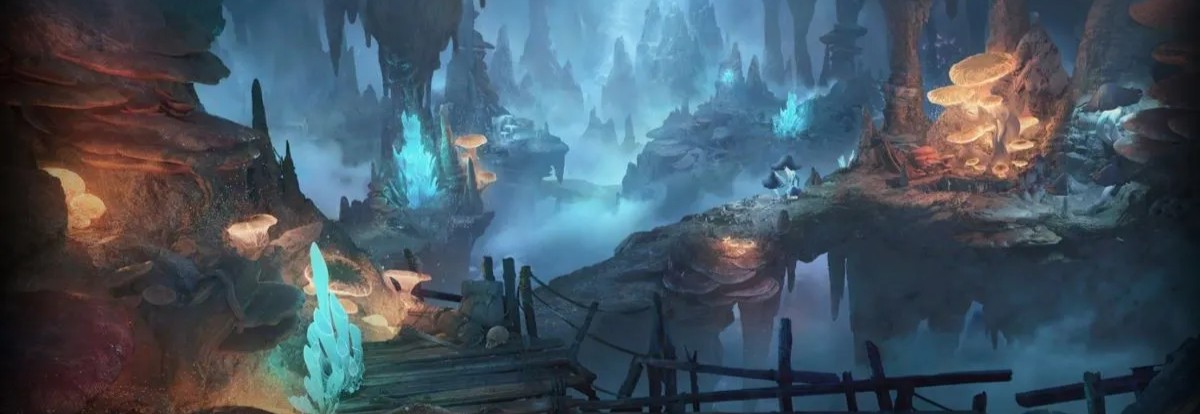
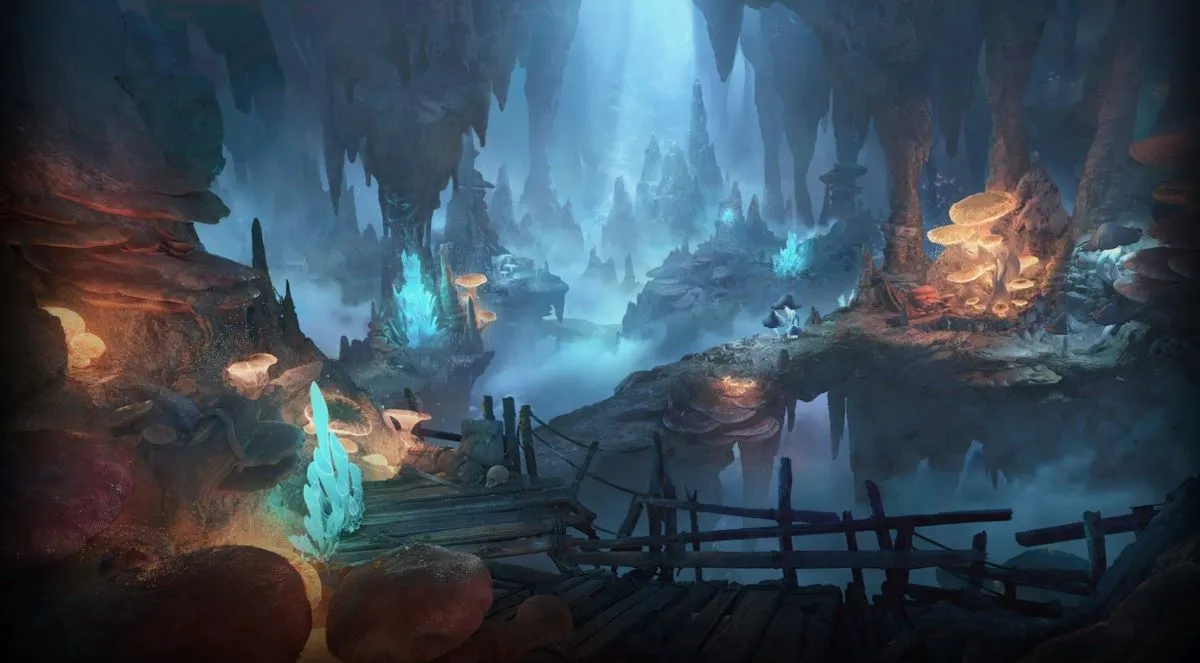
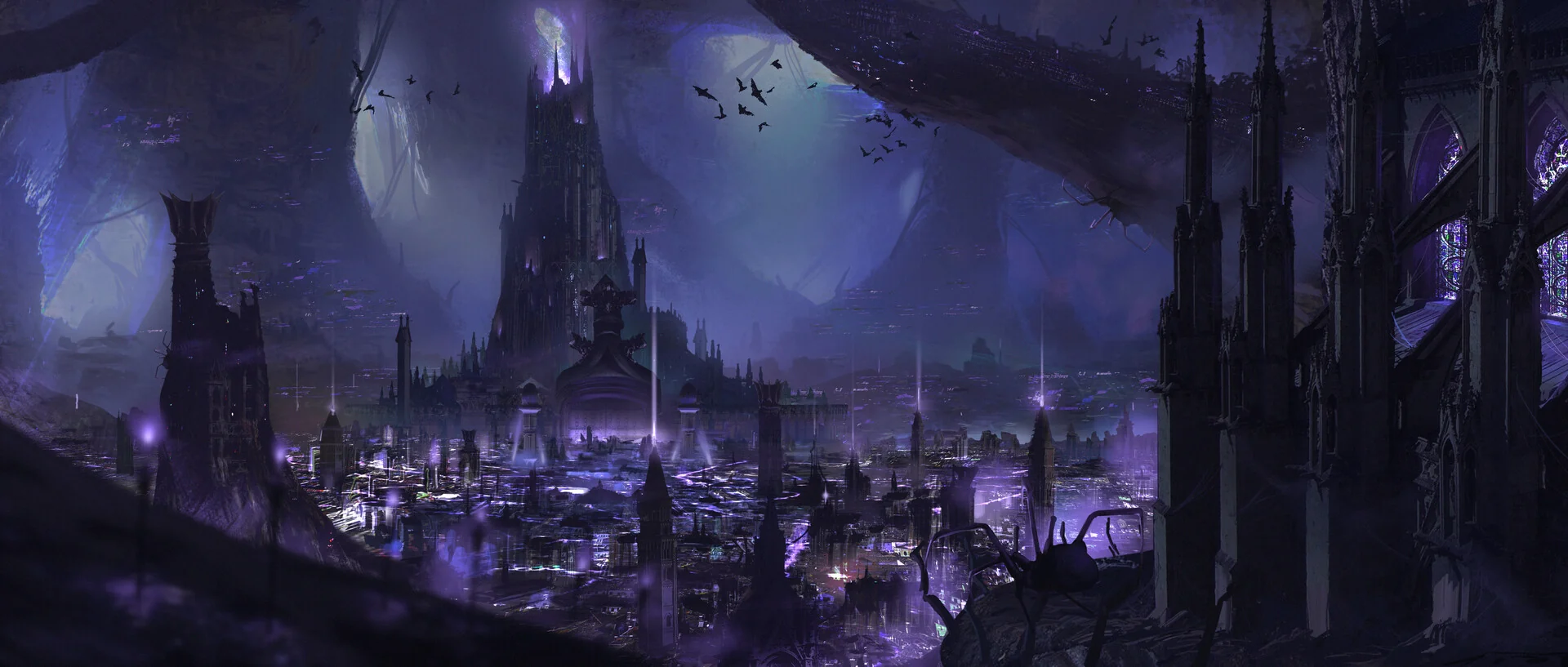
The Underdark is the vast, lightless realm that lies beneath the surface of Enderlin—a continent-spanning network of caverns, fault systems, buried seas, and ancient passages carved by time, magic, and catastrophe. It is not a single unified world, but a layered and fractured one: regions of relative stability exist alongside zones of constant collapse, volcanic intrusion, and predatory darkness.
To surface folk, the Underdark is often imagined as a place of monsters and madness. While danger is ever-present, this view overlooks a deeper truth: the Underdark is also a homeland. Entire civilizations were born, shaped, and tempered beneath the world long before many surface nations ever existed.
In Enderlin, the Underdark is older than recorded surface history, and its influence has quietly guided the fate of the continent for millennia.
Nature of the Underdark
The Underdark is defined by absence—of sunlight, of open sky, and often of certainty. Yet it is also a place of abundance: rare minerals, ancient magic, and hidden pathways between realms.
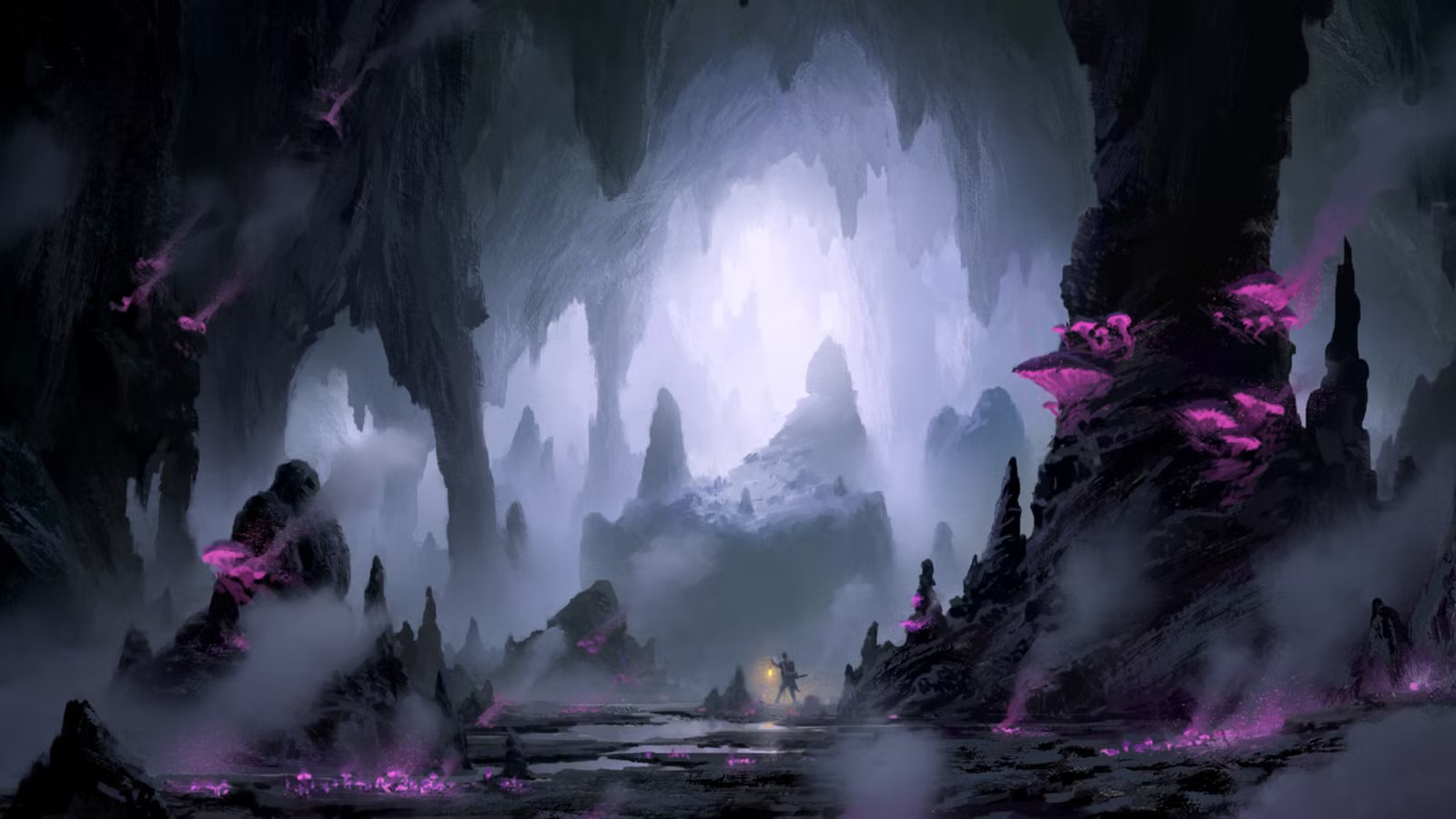
Common features of the Underdark include:
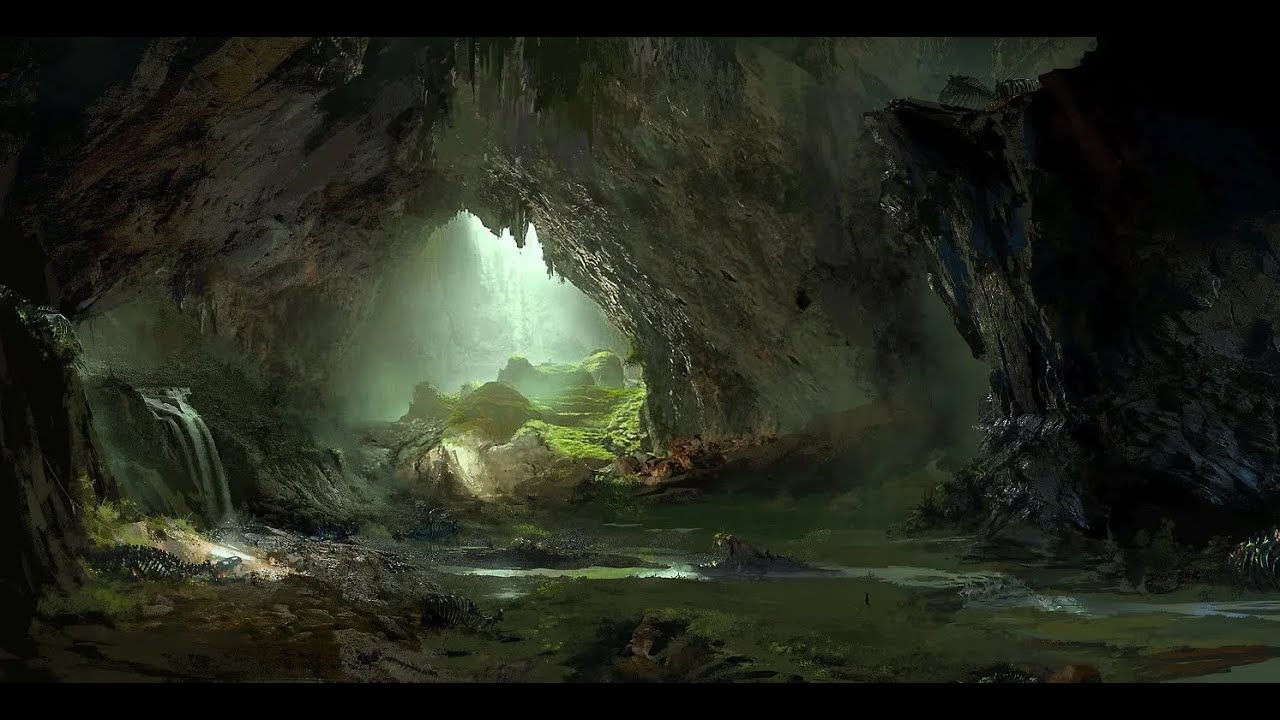
- Endless cavern systems ranging from narrow crawlspaces to vast stone seas
- Natural fault lines and geothermal vents
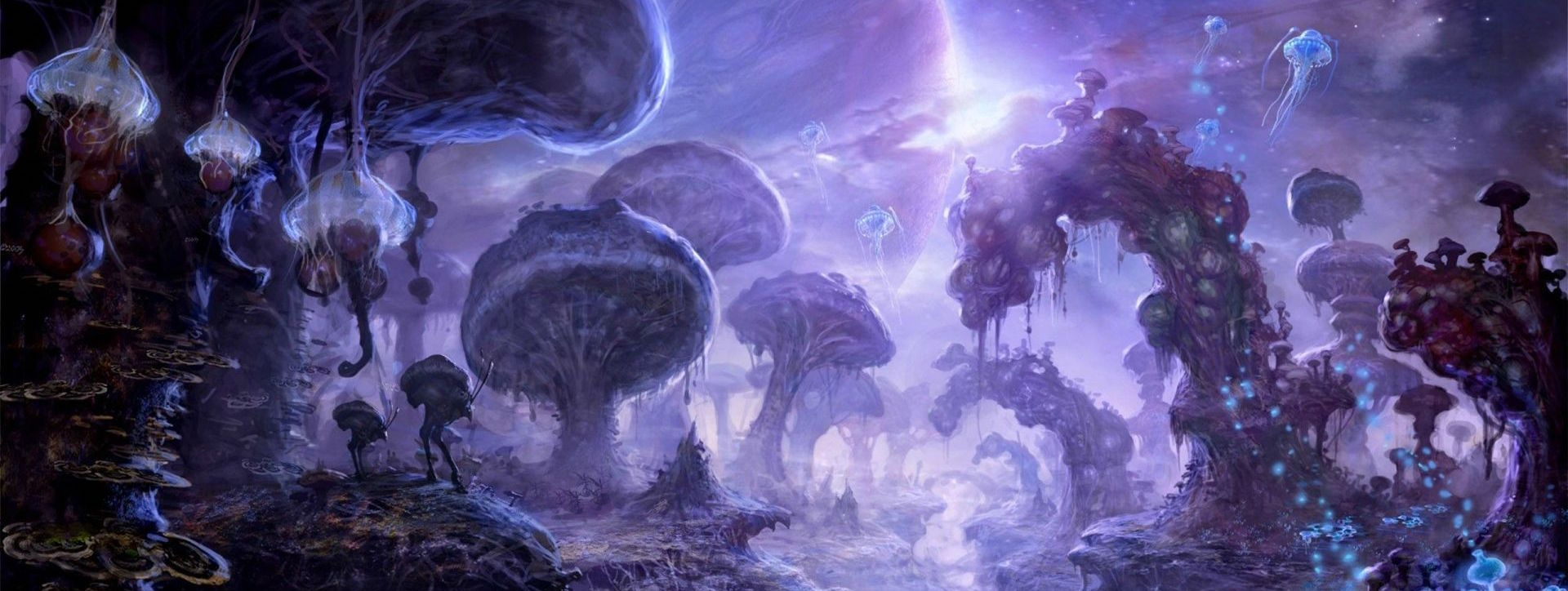
- Bioluminescent fungi and fauna
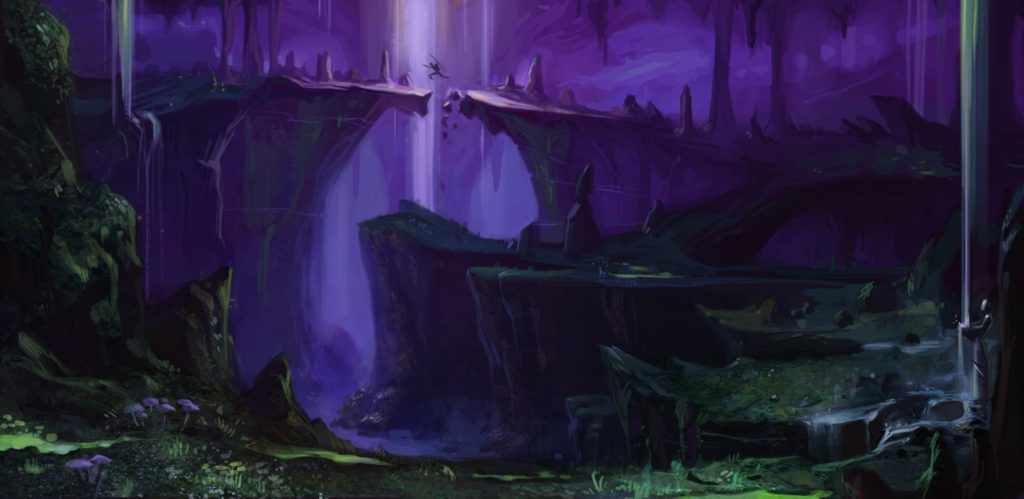
- Underground rivers, lakes, and chasms of unknown depth
- Ancient ruins predating known surface civilizations
Magic behaves subtly differently beneath the world. Sound travels unpredictably, distances feel distorted, and spells tied to concealment, stone, or shadow are often more potent. Conversely, magic reliant on light, growth, or open space may behave erratically or weaken.
The Underdark is not uniformly hostile—but it is unforgiving. Survival favors preparation, restraint, and knowledge over brute strength.
Ancient History Beneath Enderlin
Long before the rise of surface kingdoms, the depths beneath Enderlin were already inhabited.
Early Subterranean Peoples
The first known civilizations of the Underdark were not exiles, but pioneers—Dwarves, Gnomes, Elves, and other forgotten peoples who chose depth over sky. Over time, isolation and exposure to deep magic reshaped them.
- Deep Gnomes (Svirfneblin) descended willingly under divine guidance, adapting through subtle magic, concealment, and patience.
- Duergar were forged through enslavement and psychic alteration beneath the rule of aberrant masters, later claiming freedom through violent revolt.
- Drow were cast into the Underdark through divine punishment during ancient elven schisms, their exile binding them permanently to shadow, stone, and a culture defined by divine rivalry, ambition, and survival.
- Other ancient cultures rose and fell entirely beneath the surface, leaving only ruins and whispered legends.
Unlike surface history, which often progresses in eras and empires, Underdark history is marked by extinction and endurance. Civilizations do not conquer the depths—they survive them, or vanish.
Languages of the Underdark
Language in the Underdark of Enderlin reflects isolation, survival, and deep cultural identity. No single tongue is spoken across all depths, and most inhabitants are multilingual out of necessity rather than choice.
The major Underdark peoples each retain their own ancestral languages. Deep Gnomes (Svirfneblin) speak a subterranean form of Gnomish adapted for quiet speech, precision, and concealment. Duergar use Deep Dwarvish, a harsh and rigid descendant of ancient Dwarvish shaped by centuries of hardship and discipline. Drow speak a shadowed dialect of Elvish, altered by exile and divine influence, rich in terminology for hierarchy, power, and secrecy.
For communication between peoples, Undercommon serves as the shared trade language of the Underdark. A pragmatic blend of multiple tongues, it is used for diplomacy, commerce, and navigation between settlements, but rarely for ritual or personal matters. Written Undercommon most often uses the Elvish script, as it is widely understood below the surface.
Language choice is deliberate in the depths. Speaking one’s native tongue can signify trust—or danger—and knowing which words to use, and when to remain silent, is often a matter of survival.
The Ice Age and the Shattering of the Depths
The most significant turning point in Enderlin Underdark history came during the Ice Age.
Intense volcanic activity reshaped not only the surface of Enderlin, but the Underdark itself:
- Earthquakes collapsed ancient tunnel networks
- Magma intrusions rendered entire regions uninhabitable
- Toxic gases and cave-ins forced mass migrations
- Long-stable passages were destroyed or radically altered
For the first time, many Underdark peoples were forced upward—not as conquerors, but as refugees or cautious explorers.
This era marked:
- The first surface appearance of Deep Gnomes
- The emergence of Duergar into recorded history
- Increased but limited contact between surface realms and the deeper Drow cities
- The creation of new, unstable connections between surface and depth
Many Underdark regions remain scarred by this upheaval, their ruins sealed behind collapsed stone or flooded by molten rock.
The Underdark Today
In the present age, the Underdark beneath Enderlin is fragmented and unevenly mapped. Some regions are stable, inhabited, and cautiously maintained. Others are abandoned, overrun, or simply unreachable.
Known Powers and Peoples
- Deep Gnome enclaves guard vital passages, gem veins, and ancient wards
- Duergar strongholds control industrial regions, slave-forges, and deep infrastructure
- Drow city-states rule vast cavern realms through rigid hierarchies, priesthoods, and constant internal struggle
- Aberrant remnants still lurk in forgotten depths
- Predatory creatures thrive where civilization has withdrawn
Trade exists—but it is dangerous, slow, and tightly controlled. Knowledge of safe routes is often worth more than gold, and alliances are rarely permanent.
Connections to the Surface
Most surface dwellers never encounter the Underdark directly. Its entrances are rare, hidden, or deliberately sealed.
The most significant known connection lies beneath Barak Vhuldar, whose geography places it atop deep fault systems and stable ancient passages. This makes the hold:
- The largest known surface–Underdark trade hub in Enderlin
- A political crossroads between surface and deep peoples
- A stabilizing force preventing unchecked conflict between realms
Elsewhere, connections take the form of:
- Abandoned dwarven mines
- Natural chasms opened by seismic activity
- Ancient tunnels sealed behind magic or stone
Uncontrolled access is considered extremely dangerous, and most surface realms lack the expertise—or the will—to manage it.
Cultural Perception
To surface cultures, the Underdark represents fear of the unknown. To its native peoples, it represents home, memory, and survival.
- Deep Gnomes see the surface as loud, exposed, and inherently unsafe.
- Duergar regard it as unstable and politically fragile, useful only for resources and leverage.
- Drow view the surface as both a threat and a temptation—bright, chaotic, and ripe for manipulation, yet hostile to their ways.
Necessity has forced limited integration, cooperation, and diplomacy—particularly in regions like Barak Vhuldar, where survival depends on mutual trust rather than ideology.
The Underdark’s Role in Enderlin’s Future
Though hidden, the Underdark remains one of the most influential forces shaping Enderlin’s fate.
Its depths hold:
- Untapped resources
- Sealed horrors
- Forgotten civilizations
- Ancient magic tied to the world’s foundation
Any major shift—seismic, magical, or political—has the potential to reopen paths long buried.
Those who ignore the Underdark do so at their peril.
Those who understand it know a deeper truth:
The world does not end at the surface.
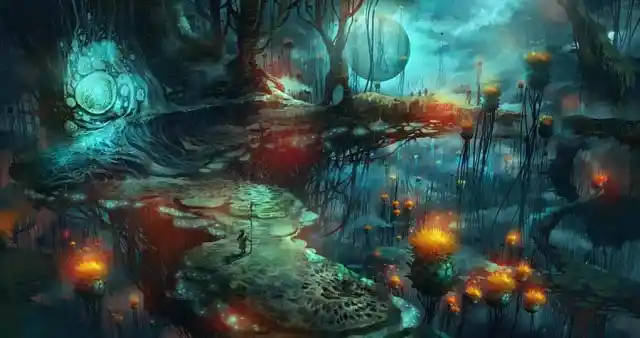
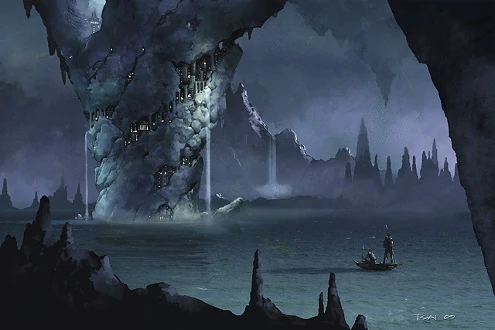
Underdark environment:

Comments