
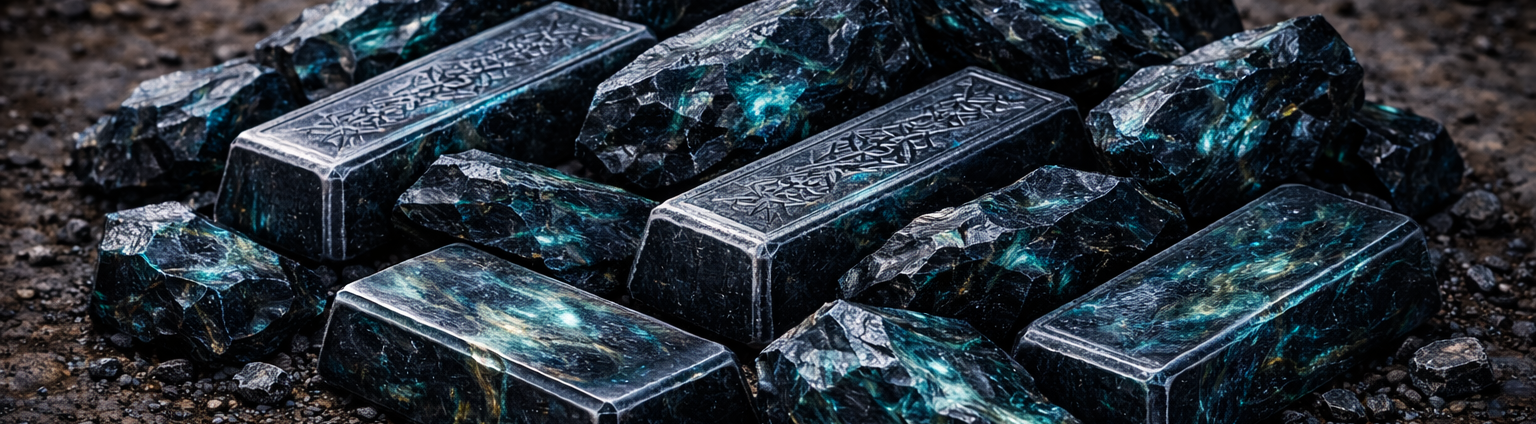
Adamantine
Overview
Adamantine is one of the rarest and most coveted metals in all of Enderlin, an alloy of legendary durability whose strength rivals that of Mithril. To most surface peoples, adamantine is the stuff of myth—spoken of in the same breath as ancient heroes and unbreakable blades. To the Dwarves of the north, however, it is a sacred craft: dangerous to forge, jealously guarded, and inseparable from dwarven identity.
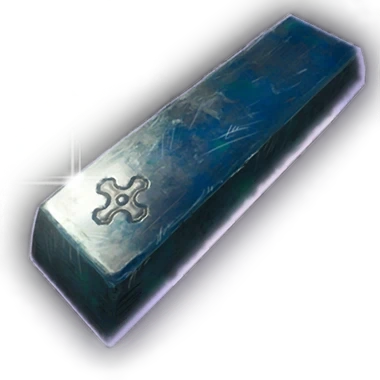
Unlike naturally occurring metals, adamantine is an artificial alloy, composed of five parts adamant, two parts silver, and one part electrum. The process of refining and forging this alloy is extraordinarily complex, requiring precise ratios, extreme temperatures, and rituals passed down through generations of master smiths.
In Enderlin, true adamantine is produced almost exclusively by dwarven hands, primarily within the Dwarven Holds of Dun Kuldihr and the isolationist hold of Karak Azkahr. Outside these realms, authentic adamantine is vanishingly rare.
Composition and Nature
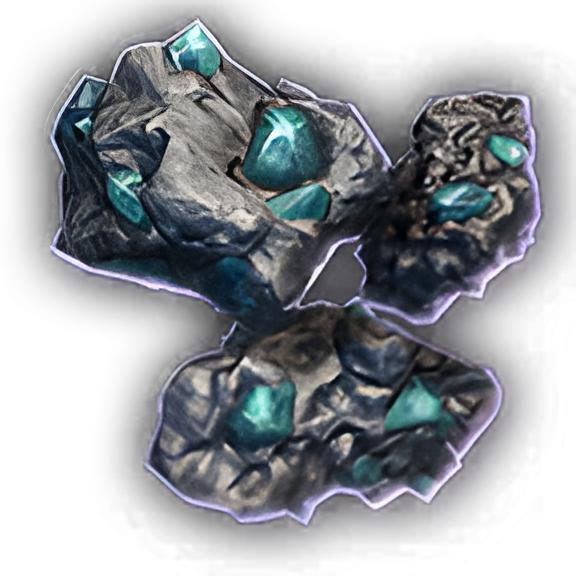
Adamantine derives its name from adamant, a rare and stubborn base metal found only in the deepest and oldest mountain roots of Enderlin. Adamant on its own is brittle and nearly impossible to shape, resisting both mundane tools and magical alteration. Only when alloyed with silver and electrum does its true potential emerge.
The traditional dwarven formula is unwavering:
- Five parts adamant
- Two parts silver
- One part electrum
Silver tempers adamant’s rigidity, allowing it to accept shaping and enchantment, while electrum acts as a stabilizing conductor for heat and magic during the forging process. Deviations from this formula result in inferior alloys—hard but unstable, or workable but lacking adamantine’s legendary resilience.
Properly forged adamantine is:
- Exceptionally resistant to physical damage
- Difficult to enchant, but able to hold enchantments permanently once bound
- Nearly immune to corrosion, fatigue, and mundane wear
- Heavy, though perfectly balanced when crafted by a master
To dwarves, adamantine is not merely metal—it is stone perfected through discipline.
Origins and Discovery
Adamant veins are found only in regions of extreme geological pressure: deep beneath the Icepeak Mountains, near ancient fault lines, collapsed primordial caverns, or zones shaped by titanic upheaval during the Ice Age. Many such veins are dangerously unstable, prone to collapse, toxic gas release, or Underdark intrusion.
The earliest records of adamantine forging originate in the Ancient Holds of northern Enderlin, where proto-dwarven clans first learned to tame adamant through trial, catastrophe, and sacrifice. Entire mining halls were lost to failed experiments, and many of the oldest adamantine forges are said to be built atop sealed tombs of those who died perfecting the craft.
Because of this history, adamantine is treated with ritual respect. Mining it without proper rites is believed to invite disaster—not superstition, but hard-earned caution.
Adamantine in Dun Kuldihr
Within the Dwarven Holds of Dun Kuldihr, adamantine is both a strategic resource and a symbol of unity. The largest deposits lie beneath and around Kharaz-Dum, where the Mining Guild Halls coordinate deep expeditions into adamant-bearing strata.
The Icestone Council strictly regulates adamantine production. Only smiths recognized as masters by both their clan and the guilds are permitted to work the alloy, and even then under heavy oversight. Each ingot is recorded, marked, and assigned purpose long before it ever reaches a forge.
In Dun Kuldihr, adamantine is most commonly used for:
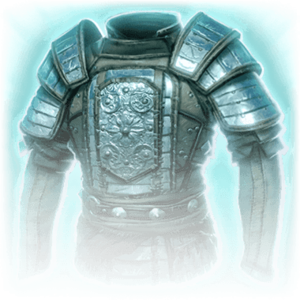
- Armor for elite warriors and hold-guard captains
- Reinforcement of gates, vaults, and load-bearing fortifications
- Relics of office and ceremonial weapons tied to clan authority
- Limited trade goods exchanged for favors, alliances, or matters of great importance
While Dun Kuldihr does trade adamantine beyond its borders, such exchanges are rare and deliberate. A single adamantine blade may represent years of negotiation—or the settling of an ancient debt.
Karak Azkahr and the Hoarding of Adamantine
If Dun Kuldihr treats adamantine as a treasure, Karak Azkahr treats it as a birthright.
Karak Azkahr is the largest producer of adamantine in Enderlin, its mines delving deeper and more aggressively than any other hold. Yet not a single ingot forged there is willingly shared beyond its walls. To the dwarves of Karak Azkahr, adamantine is proof of dwarven supremacy and must never be squandered on lesser races—or even on dwarves deemed ideologically impure.
All adamantine produced in Karak Azkahr is reserved for:
- Outfitting its standing armies
- Reinforcing its already formidable defenses
- Forging heirlooms tied to loyalty to High Lord Dwurim Amldihr
The techniques used in Karak Azkahr are even more secretive than those of Dun Kuldihr, preserved in Old Dwarvish texts accessible only to sanctioned forge-priests and master smiths. To reveal these methods would be considered a betrayal of dwarven destiny itself.
Rumors of Deep Adamantine
Though the dwarves of Dun Kuldihr and Karak Azkahr publicly deny any rival mastery of adamantine, persistent rumors speak of a darker truth buried far beneath Enderlin.
Among Underdark traders, Deep Gnomes, and Duergar whisper-networks, it is said that the Dungar possess forges even deeper than those of the surface dwarves—ancient foundries carved into pressure-crushed stone where heat, darkness, and metal behave differently than in the upper world. Within these lightless halls, some claim, the Dungar are capable of producing adamantine of their own.
More troubling still are the stories of a stronger variant, known variously as Deep Adamantine or Dark Adamantine.
This metal is described as far darker than standard adamantine when seen in shadow—nearly black, with a muted, oil-like sheen. Yet when exposed to direct sunlight, Deep Adamantine is said to react violently to the light, flaring into a brilliant green-silver radiance, brighter than any known alloy. Witnesses claim the metal seems to drink in sunlight before reflecting it back, as though awakening from a long slumber.
No confirmed sample has ever reached the surface intact.
Dwarven scholars of Dun Kuldihr dismiss these tales as exaggerations or deliberate Dungar misinformation, noting that adamantine forging already pushes the limits of metallurgy. The smiths of Karak Azkahr, for their part, refuse to acknowledge the rumors at all—an omission some find more telling than outright denial.
If Deep Adamantine truly exists, it would suggest not only a rival forging tradition, but a fundamental difference in how the Underdark shapes metal itself. Whether this alloy represents superior craft, alien conditions, or something far more unsettling remains unknown.
What is certain is this: any Dungar weapon bearing such metal would be a prize beyond measure—and a danger few would wish to face beneath the sun or stone alike.
Adamantine Craftsmanship and Religion
Among dwarves, crafting adamantine is considered a sacred act, an expression of Moradin’s will through labor rather than prayer. The forging process is long, physically exhausting, and mentally punishing, often taking weeks or months for a single item.
Many smiths fast, observe silence, or inscribe personal runes of endurance before beginning an adamantine work. Failure is not shameful—but recklessness is.
Unlike arcane-forged artifacts, adamantine items rely on precision and discipline. Enchantments, when added, are carefully bound after forging, often through rune-etching rather than spellcasting. This makes adamantine gear particularly valued by dwarves who distrust overt magic.
Adamantine Beyond the Dwarves
Outside dwarven realms, adamantine is extraordinarily rare. Most surface rulers will never see a true adamantine item in their lifetime, and many so-called “adamantine” weapons sold in markets are inferior alloys or outright frauds.
Those few authentic items that exist beyond dwarven hands are usually:
- Ancient relics lost during the Ice Age
- Diplomatic gifts of immense significance
- Battlefield trophies taken at terrible cost
As a result, adamantine carries not only material value, but immense symbolic weight. To bear such a weapon is to carry the legacy of dwarven stonecraft—and, often, the grudges that come with it.
Legacy
In Enderlin, adamantine stands as a reminder that the greatest strengths are not given freely.
Forged in darkness, tempered by tradition, and guarded by those who understand its cost, adamantine is more than metal. It is the embodiment of dwarven endurance—unyielding, unbroken, and never wasted.
Adamantine bar:
Adamant ore:
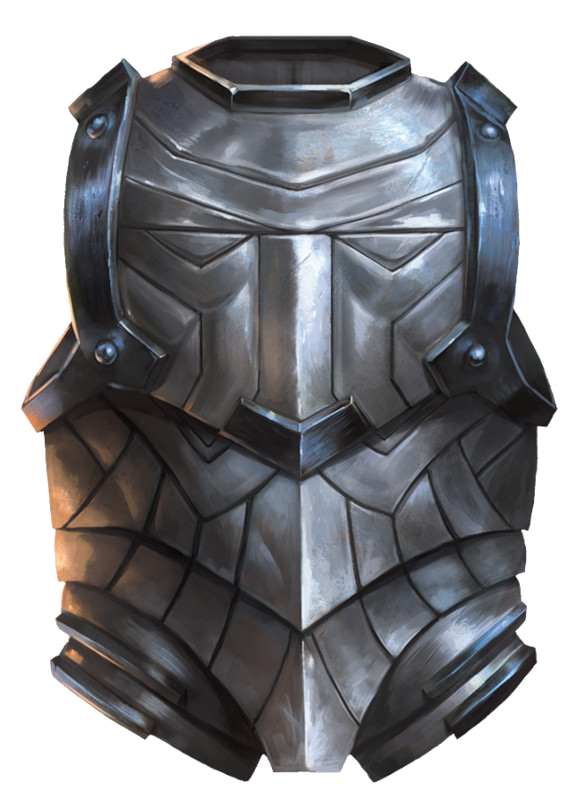
Two rare examples of Adamantine armor held in the Imperial Archives:

Comments