Red Pillar City
Motivations and Rewards
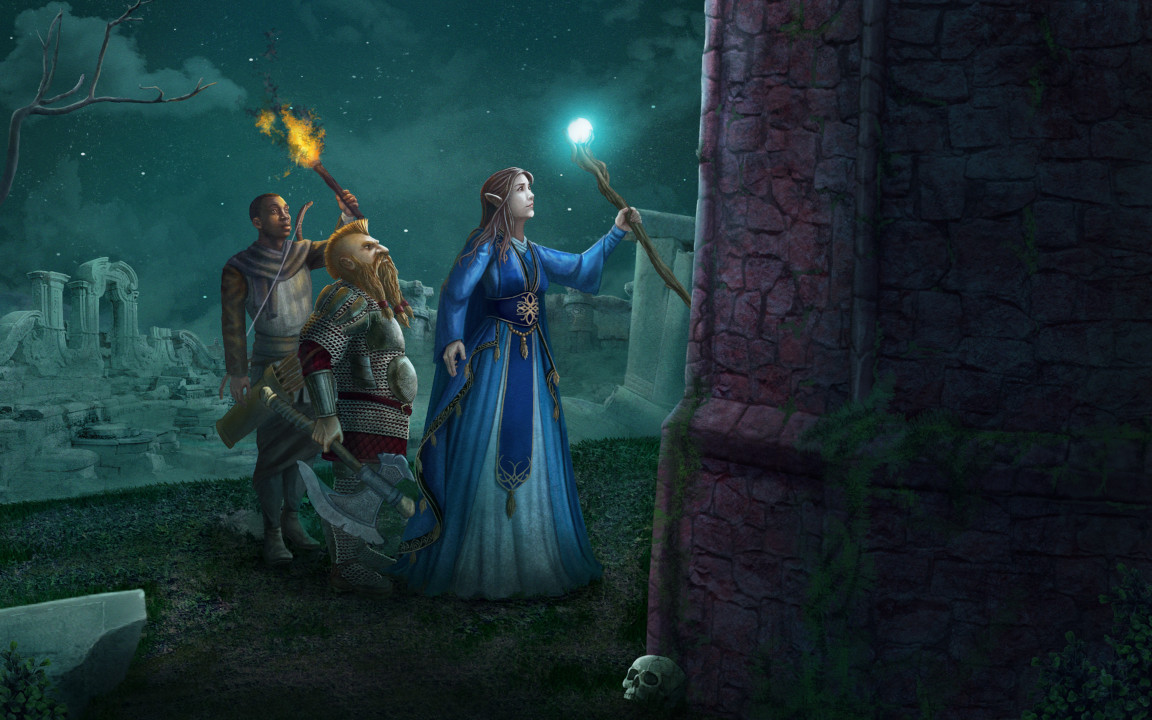
Many adventurers and explorers employed by the Adventurers' Guild traverse the mountains to the abandoned ruins of Red Pillar City, sent to secure new cinnabar and silver deposits in the ancient mines, though historical records also suggest other precious metals may still be present. Some also strike their fortune with jewelry, textiles, and even furniture plucked from the city’s vacant domiciles. But most groups are not as fortunate and seldom return. The [Azalea Order], a divine sect of wardens that watches over the haunted ruins, occasionally hires adventurers to aid in keeping the city’s creatures from expanding beyond the boundary of the city walls, compensating them generously for their deeds.Dangers
The city has become structurally unsound since its abandonment nearly a hundred years ago, the hazards made worse by the various creatures that roam its streets.Acidic River: The river is extremely toxic, acidic, and polluted. The resident water spirits are corrupted.
Cinnabar Mines: The old cinnabar mines outside the city—an elaborate complex of labyrinthine tunnels and shafts that stretch throughout the mountain’s interior—are treacherous after years of neglect, and their structural integrity is questionable. Available records note entrances and major facilities, but the rest of the mines are largely uncharted at present, their maps destroyed following the city’s evacuation. Portions of the mines and tunnels are flooded from broken pumps and conveyors that once sent runoff into the river.
Ferocious Spirits: The lingering magical energy from the nearby leylines resonate with the restless spirits that remain in the city, causing many of them to crave flesh and blood.
Inhabitants and Factions
Most records and accounts from the Azalea Order portray Red Pillar City as devoid of life. However, separate accounts from travelers and treasure seekers contradict those claims and reinforce an ancient myth from the time of the city’s abandonment.
Azalea Order:Please see the Azalea Order page.
Treasure Seekers: Many treasure seekers make their way through the mountain passes and search the ruins that skirt the old city walls. Ambitious explorers can be found inside some civic and urban centers, though few dare journey deeper toward the mines.
Layout
The general layout of Red Pillar City is defined by four major zones that each contain multiple wards or districts. The city rests onthe bank of a larger river that ran along its eastern and southern edges, overlooked by the Moondust mountain ranges.
Outer City Ruins
The city's outer limits consist of large walls to the north and west, crumbling watchtowers, bridges, and the river encompassing the eastern and southern quadrants. At the height of the city's power, trade barges would enter through the river gates to retrieve the cinnabar, silver, and other precious metals from the mines in the mountains. The city used the river as a natural barrier, building walls and towers along the opposite bank; connecting bridges were the only means of entry to the city proper. Large iron and steel-reinforced doors remained open at the city gates, allowing thousands of miners, traders, and soldiers to traverse between the docks and the city across the river. The city gates are now abandoned, and the walls and defensive towers have crumbled over time. The river is known to be toxic due to pollution from the mining and magical energies.
Inner City Ruins
The inner city consists of empty and dilapidated districts and neighborhoods. The streets have become uneven due to a lack of maintenance, with sinkholes leading into the deep dark mines below. Vermillion-trimmed window frames and roof tiles adorn many of the buildings and facilities. Plant life has reclaimed sections of the inner city, but other neighborhoods are stained with streaks of crystalized cinnabar. Parts of the main river were diverted into the inner city, with some branches draining into now-vacant gardens and parks, densely overgrown. A large crimson-red palace, known as the Scarlet Plaza, dominates the city’s center. Formerly, the Scarlet Plaza served as the administrative center of Red Pillar CIty, housing hundreds of bureaucrats and functionaries. The namesake Vermillion Pillar is a 13-story octagonal tower constructed in the western district when the city was founded. A temple to Azboran, the god of the moon, present since the city’s founding, also resides in the western district near the Vermillion Pillar.
Cinnabar Mines
The mines were dug in the northwest quarter of Red Pillar City, and an extensive complex of forges sprawled through the western and southern districts. The mines reach deep into the mountains, their shafts punctuated by scattered caverns where mineral veins were dug out clean from the surrounding rock. The cinnabar ore was often found deep within the mines, which meant miners were required to conduct extensive probes into the mountain, and there are many narrow tunnels that delve deeper into unknown depths. Areas near the river have flooded due to years of neglect and deteriorating structural supports.
A large abandoned administrative quarter directly connected to the city sat outside the largest tunnel shaft, home to dozens of metallurgic workshops that once refined and tested samples from the mountain. Records of later excavations and tunnels are incomplete and unreliable, often leading to vast natural caverns or dark chasms. Some old tunnels spanned underneath the city, creating pockets where corrupted cinnabar veins reached the surface.
[spoiler]Historical records suggest a possible “lake” beneath the mines is considered the source of the cinnabar and silver deposits. A massive lake of molten mercury and silver lies deep within the mountain and reaches underneath the city. A large cinnabar crystal hangs from the ceiling over the center of the lake, drawing the residual magical energies from the nearby ley lines and nodes.Origins
Nearly a hundred years ago, silver deposits were found in the neighboring mountains during an imperial expedition. Further excavations revealed large cinnabar veins that ran through the mountain. The intrinsic magical energies from the cinnabar elevated the former mining town into a roaring industrial hub. Cinnabar was popularized for its use in alchemical elixirs and magical crafts. It was also popularized for its alleged medicinal properties, including extensive use in elixirs that promoted longevity and disinfection, surpassing the demand for silver in the city’s twilight years. From art to architecture, furniture, and even fashion, cinnabar became a much-desired pigment used by fabricators and artists. The city grew substantially as cinnabar and silver were exported to the other cities across the Twin Moons empire, becoming one of the wealthiest cities in the region.
Greed drove city officials, merchants, and miners deeper into the Moondust mountains and its caves. The tunnel networks grew like wildfire, spreading even underneath the city. Despite initial concerns about infrastructural safety, those objections became hollow as the demand for cinnabar and silver outweighed the supply. Fearing economic fallout officials increased the extraction of ores by importing convicts from the empire to work the mines and vulnerable to sinkholes as workers recklessly dug, chasing after elusive ore veins. Tunnels occasionally collapsed, but the miners continued work, day through night, until they found a large deposit—possibly the biggest discovery in the city's history.
Unfortunately, the toxic fumes from the strike began to poison the citizens. Within several days, a third of the populace perished due to exposure to the polluted air. The city was quickly evacuated, but the miners were forced to continue the operation. Within days, all communication with them ceased.
In spring, the river sings of silver peaks. In the summer, the night drapes with white stars. In the autumn, crimson leaves dance to the wind. In the winter, the poets praise the lacquered lanterns.--unknown Red Pillar City poet