Topography:
The topography of Triberol is diverse. In the north lies dense mountains and hills which are regularly soaked by rain.
The southern region of Triberol is divided in half by the southernmost part of The Moonfall Mountains.
To the east of the mountains are a dense maze of riverlands, with a handful of swamps staining the landscape. Rising from the haze of brown are green pastures and fields.
The blue waters of Albatross Bay crash along the white cliffs of granite and limestone along the Rovaume Peninsula. The bay’s shallow waters turn dark turquoise as they funnel into the much deeper Autumn Sea.
Bursting like the fist of a giant from out of the Autumn Sea is the island of Sasargia, a land of rocky soil and grey cliffs.
To the west of the Moonfall Mountains, there is a much more dry climate, with rocky soil and little vegetation.
Flora and Fauna:
The flora and fauna of Triberol is wide ranging, but not unusual for a country in the north-west region of the world.
Wolves, squirrels, and deer can be found among the fertile woods and fields of eastern Triberol.
Boars and wisents roam through the rocky terrain west of the Moonfall Mountains, while the mountains themselves are home to goats and mountain hares. Lynxes prowl through the lands south of the mountains, their yellow eyes searching for stoats and minks.
The red sanks shake with the stampeding of dinosaurs such as Aquilops, Compsognathus, and Ornithopods.
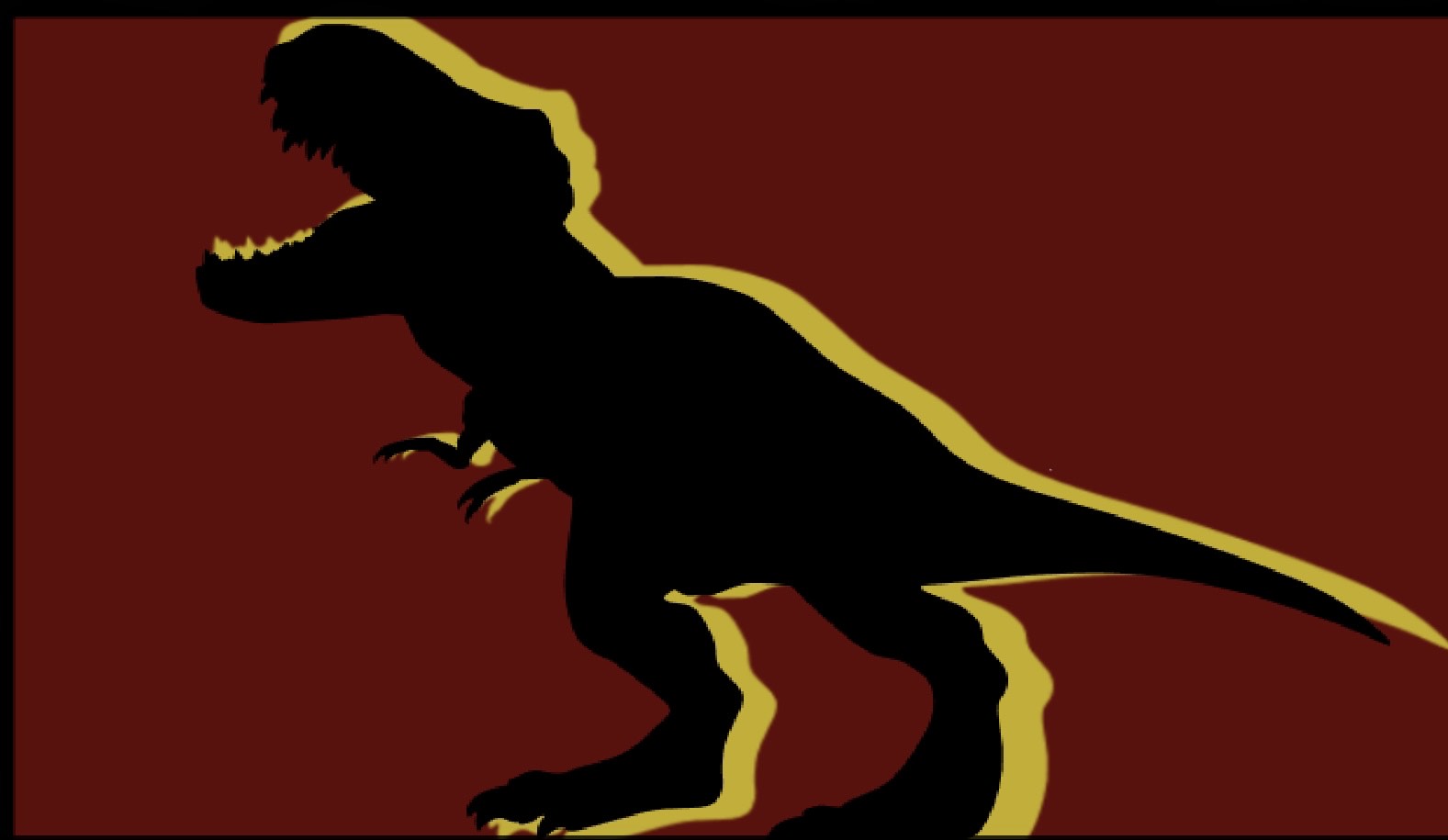
The most important dinosaurs, however, are the Tyrannosaurus Rexes who dwell in the lands near the Sceptre River. While their numbers have depleted due to hunting, they are still used in a large amount of Triberolese heraldry, and there are still a few dinosaur riders, even though it is rather difficult to tame them.
Seagulls hug the eastern coast, while the wings of crows and pigeons cast shadows on the lands further inward.
Through all of Triberol, dragons fly.
Lizards who shine in shades of emerald and sapphire crawl through the forests and swamps of south east Triberol, while brown and beige sands slither in the west.
Where the soil is fertile, forests of pines, elms, and oaks drench the land in green. At day, these forests are alive with the pecking of woodpeckers, the humming of hummingbirds, and the buzzing of dragonflies.
Willows and birches hug the rivers and swamps of the south.
Fields of poppies, tulips, and roses wave in the cold winds of the Rovaume Peninsula, as do vast swaths of wheat and barley.
Beets, cabbages, and potatoes grow in the lands bordering Balan and Talamh.
In the haze of green amid southeast Triberol, sparks of reds and yellow hang from plum, lemon, and apple trees.
There are a few species of wildlife endemic to Triberol.
Kallintz are small primates, similar to lemurs, with long tails and ears like that of a donkey. They are nocturnal creatures who spend their days burrowing beneath the ground. Kallintz holes dot the landscape of south-eastern Ferodrill.
Kulshedra are massive three headed winged serpents, similar to dragons, dwelling mostly in the Moonfall Mountains.
Unyats are amphibious, carnivorous creatures, similar in shape to felines, who dwell in the swamps in southern Triberol.
Another interesting creature is the Tarasque, a giant lion with the shell of a turtle, the legs of a bear, the tale of a scorpion.
People:
About 73% of those living in Triberol are human. 12% are
Elves, 9% are
Dwarves, and 6% are
Eotunn Orcs.
The humans in Triberol Proper, Rovaume, and a majority of the north western part of Triberol have appearances similar to those in
Balan, with pale skin, hair that ranges from brown to dirty blond, and round eyes. According to the Triberolese government, these are Proper Triberolese. However, that term has come under scrutiny for obvious reasons.
Those in the south west have more Diquin and central features, with darker skin and monolids. They are commonly known as The Ungilded.
Those in the south east have more Nokotun features, with pale skin and monolids.
Two other groups of humans are the Echudmacs and the Drolkish, living in the north of Triberol. They are thought to be the original inhabitants of the land, with a majority of Triberolese people having migrated there during the fall of the four empires.
The Echudmacs and the Drolkish have more Draoin features, with orange hair and freckles. The longer noses and thinner faces of the Echudmacs help to separate them from the Drolkish.
Culture:
“Triberolese culture” generally refers to the culture of people in Triberol proper. This culture will be discussed first.
An important part of Triberolese culture are Oath Swearings, which are pledges of honour done to BesaStones, large stones with engraved ruins on them.
During weddings, both bride and groom will kneel before the BesaStone and make pledges. Knights will swear fealty to their lords on Beastones, and their lords will do the same to their kings. The person who the oath is being made to will accept the promise by applying black paint to the kneeler’s forehead, making a circle with a line going through it.
These are examples of former Oath Swearings, which are very strictly rooted in tradition. More casual Oath Swearings will not include the face painting, but rather the person being sworn to saying “I accept”. These are usually oaths done for very specific reasons. A famous example of a casual oath swearing comes from the Triberolese story The Hunter, where the titular hunter makes a pledge to a woman he fancies that he will save her betrothed from a castle. The woman he fancies then swears an oath that she’ll take care of the hunter’s ailing mother while he’s gone.
The idea is that if you want to show someone your enthusiasm for doing a task then you’ll swear in front of a Beastone, and if you really want someone to do a task then you’ll make them do an Oath Swearing.
The punishment for breaking an Oath Swearing differs. In ancient days, those who broke it would have their tongue, eyes, and fingers removed, and then be released naked into the environment to die.
Nowadays, the breaking of an Oath Swearing will be punished in a court of law, but only if multiple people can testify to the Oath Swearing being broken. The punishment is usually imprisonment, but it depends on the nature of the oath and the way in which it is broken. Obviously, a lord breaking his oaths to his king by staging a rebellion against him will be executed.
Also important to Triberolese culture are animal sacrifices, which are done on holidays such as The Five Equinoxes.
Triberolese customs say that there are five seasons: Summer, Autumn, Winter, Nielat, and Spring, and the equinoxes celebrate the starting of each season.
Animal sacrifices are also done at important ceremonies such as marriages, funerals, and namings.
In ancient times, human beings were sacrificed by being buried alive. However, this practice has not been done for many hundreds of years.
Names are important to Triberolese culture. Every newborn child will go through a naming ceremony, where their name is revealed to their community. When a child turns 16, they will be given a new name, an adult name. This name is usually given by the parents, but the child is often given the option to advise their parents on this decision.
Within Triberolese culture, every single thing is said to have a “true name” , a secret name which reveals the entire identity of said thing. However, to know the true name of anything is close to impossible.
Triberolese culture is very patriarchal. Women do not get to choose their husbands, and divorce is not possible.
Similar to
Ferodrill, duels are a common facet of Triberolese culture, as is honour.
Tied closely to honour is politeness. What is considered “rude” and what is considered “polite” within Triberol is extraordinarily complex.
Speaking loudly is rude. Gesturing towards someone is polite, but only if the gesturing is done with one's right hand. Leaving a woman alone in a room is rude unless the woman has specifically stated she wishes to be alone. Of course, the woman must say she wishes to be alone in a very specific way, usually stating she has “matters to intend to”.
Blinking while someone is talking to you is considered impolite during formal settings, so as such, it is best to frequently pause while speaking so as to allow the person listening to blink.
All of these rules of politeness means that the “Proper Triberolese” often have their own way of being rude through the use of sarcasm and passive aggressiveness.
It should be noted that many of these rules of politeness are usually only observed by the richer members, and they can often be discarded in intimate moments or moments of emergency.
The breaking of the rules in certain contexts, however, can also be purposeful in an attempt to provoke someone else.
Triberolese culture also has strict rules of modesty. It is improper for a man and a woman to be bare chested, and bathing is done privately, except when one is a newborn and must be bathed by someone else. Even being barefoot outside as an adult is seen as improper.
Another noteworthy aspect of Triberolese culture is the glueing of crystals to one's skin. This is usually done as a sign of wealth among richer Triberolese.
There are various other cultural regions within Triberol. The Rouvaume people have slightly different cultural practices. While their culture also emphasises politeness, these rules of politeness are different. For instance, gesturing towards someone is always rude to a Rovaumish person. However, simply making a hand gesture is not rude. In fact, when entering a room or introducing yourself to someone new, it is considered polite to make a gesture of showing both of your palms.
If you are introducing yourself to someone, this person will be expected to place their palms above yours.
The Rovaumese are also known for being punctual, as it's generally considered a slight to keep someone waiting. If one wishes to appear better than someone else, they will arrive at an event earlier.
Those in southern Triberol have a culture more similar to Nokotuns, while the Ungilded in western Triberol have something else entirely. Their culture very much does not have ideas of politeness. In fact, they are often stereotyped as being rather brutish, when rather, they simply don’t see the problem with picking one's nose at a dining table.
However, they are very strict when it comes to following spiritual traditions. One is expected to bless the objects in their house every Saturday Evening. This blessing will involve one placing their hand on an object and then saying the words “You are created by Skaulhor. Skaulhor blesses all. You were crafted by man. Man blesses in the name of Skaulhor.”
There are a variety of other rituals practised by the Ungilded, too many to list here. There are coming of age rituals where children will lay down on mats made of yew wood, and then they will be lifted and passed around the various members of the community. There are also many rituals involving salt, as it is believed to have special properties. There are rituals where a stone with a variety of symbols are placed on locations where lightning has struck. The list goes on.
Similarly, the Echudmacs and the Drolkish are less worried about politeness, but they do have high ideas of honour. Duels are also common. Many of these are not to the death, but are instead simple fights. Men will often engage in wrestling fights for the hand of a woman.
The Echudmacs and the Drolkish perform elaborate ceremonies based around Nightstones. Nightstones are tall black rocks arranged in circles of six, with runes etched onto their dark face. The ceremonies are performed at night. Those taking part will dress in white veils, carry lanterns, and perform elaborate dances. During these dances, the ruins on the Nightstones will glow. It is exactly unclear how this occurs, but it's likely through magic.
Obviously, this is not permitted by the Triberolese government. Rituals done with Nightstones are punishable by death, with all Nightstones expected to be destroyed. However, most lords simply don’t care enough to enforce this, and as such, the rituals continue, even though their numbers wane with every year. In fact, there are a large amount of jokes surrounding this.
Another noteworthy of these two cultures is that when a child loses their baby teeth, it will be saved, covered in a preserving wax, and placed on a necklace. Once the child has lost all of their baby teeth, they will be expected to wear the necklace for a week or so before a ceremony where it is taken off and thrown into a fire, signifying the child moving on into adulthood.
The people of Sasargia also have their own unique culture. In place of Beastones, Sasargians will wear bracelets, rings, or necklaces with Bindingstones. Bindingstones can also be placed on pieces of armor or weapons. When swearing an oath, one will put on a Bindingstone.
In general, practices of customs considered “not Triberolese” are not allowed. Ancient practices involving every city having a shrine, cremation, and naming ceremonies were once common, but their flames have now all been snuffed.
Government:
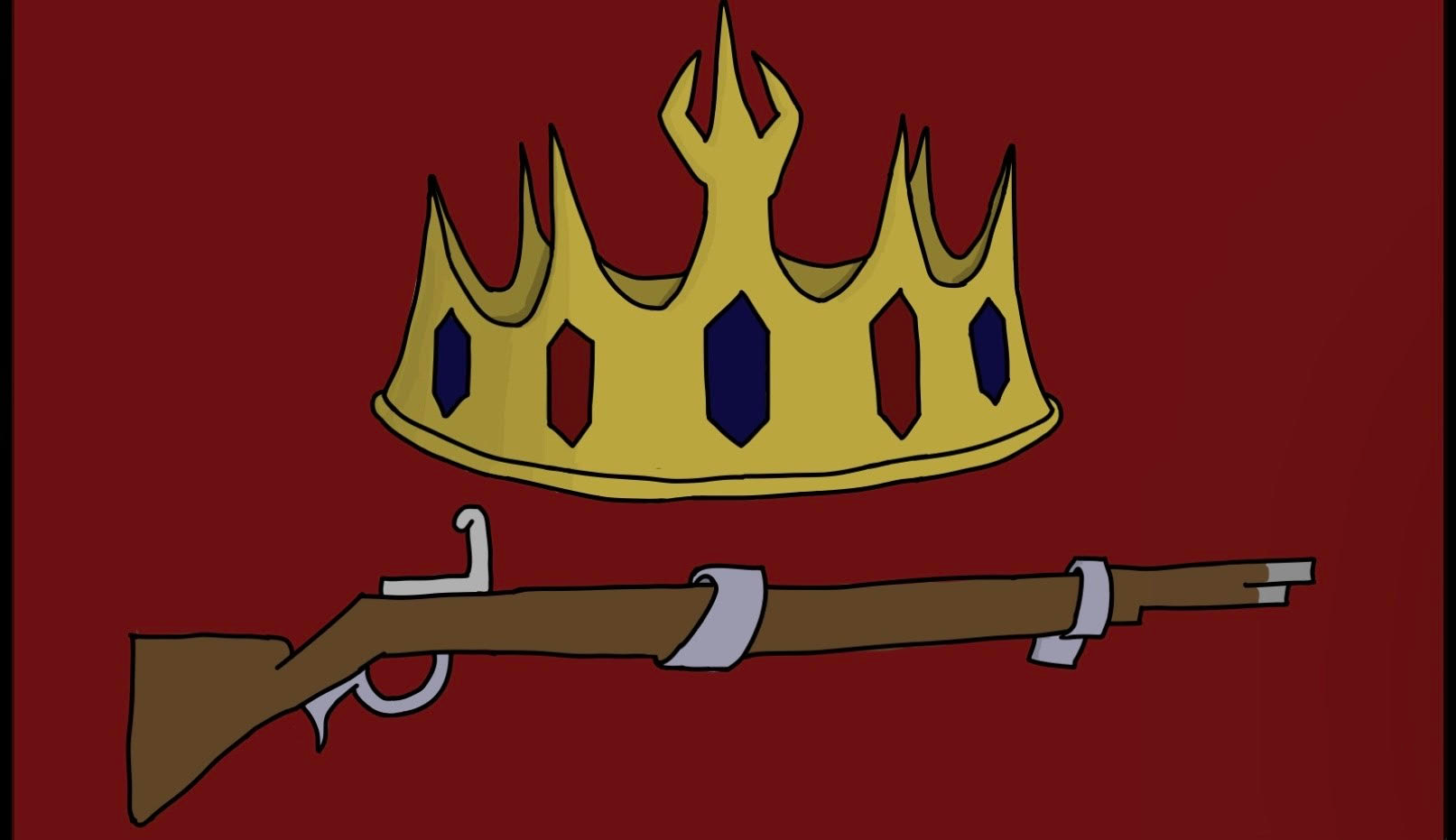
The Official Sigil of the Triberolese Royal Family
The capital city of Triberol is made entirely out of the flesh of a dead beast, enchanted to never rot. Dotting the landscape of Triberol are multiple Living Factories. These are giant machines made of flesh which create biological weapons.
Triberol is divided into two parts: Triberol Proper, and the rest of Triberol.
The rest is, in turn, divided into thirteen different territories: Hurjiat, New Xintain, Yerkir, The Blue Hills, Abhaine, Biserot, Uthull, Misyat, Kopce, Lobarturn, North Lobartun, Sasargia, and Rovaume.
A strict caste system makes up Triberol. At the top are humans.
Then, there are the elves and dwarves, and at the bottom are the orcs.
Only humans are allowed to own land and businesses. While elves and dwarves can’t own land, they do have the rights to be tried equally in Triberol courts. According to Triberolese laws, orcs have no legal protection. One can not be tried for the killing of an orc.
Even among humans, there are the divisions of classes.
At the top are the nobles. This is the noble family, as well as the noble houses of Triberol proper. The land of Triberol proper is divided into many different territories, each owned by a different noble house. There are currently 28 territories, too many to count here. Each of these territories work as a collection of fiefs.
Beneath the noble houses are the aristocrats.
These are the leaders of the thirteen territories outside Triberol proper. The Edicts, the Triberolese code of law, states that “nobles are to be above aristocrats”. What that means exactly has changed with the years.
Below these groups are the lesser lords. They are in charge of fiefs, with each fief having its own castle. A single territory will contain multiple fiefs. A lesser lord will be pledged to a family of aristocrats or nobles, and will offer their tribute to them in the form of a significant amount of their bounty.
Below these two groups are the clergy. The governing body of the clergy is separate from the government. As such, anyone from anywhere in the caste system can be a part of the clergy.
Then, there’s the “educated classes”. These include merchants, artisans, scientists, doctors, educators, mages, and lawyers. They do not own land, but instead will “rent it”. Most members of this class will be a member of a guild such as The Guild of Artisans, the Guild of Science, and the Lawyer Guild. These guilds provide licences allowing them to perform their profession. One is allowed to perform these professions without licences, but they lose a large amount of prestige, and as such, are less likely to get work.
Every lord usually has a professional doctor working for them, chosen by The Guild of Medicine. They will also have a mage, but that position is chosen by
The Order of Mages, and international organization.
The Merchant Guild is unique among the guilds, as very few of the merchants within Triberol are part of the guild. The Merchant Guild, instead, is tasked with being in charge of the economy of Triberol, raising and lowering taxes, creating tariffs, and monitoring the stock market.
A majority of merchants work for corporations, with a majority of corporations being owned by a lord. With the rise of industrialization in the past two hundred years, many lords began to fear they would be overtaken by the educated classes, and as such, many of them began hiring members of the educated classes and using them to create corporations.
Below the educated classes are the peasants. A peasant is anyone not able to own land, but instead works the land on a fief.
While peasants can’t own land, they are able to rent it. Usually, a peasant will rent the land from the same lord which is employing them, and their children will often work for this same lord.
Many lords have it so that a peasant will pay less for rent if they get a job at a corporation owned by them.
A peasant will create a product in a factory, a merchant will sell it, and all of this will be paid for by a lord.
During times of war, pheasants will serve in the military, but leading the military will be knights. On paper, anyone can be a knight. However, almost all knights have always been nobles, aristocrats, or lesser lords.
A Knight
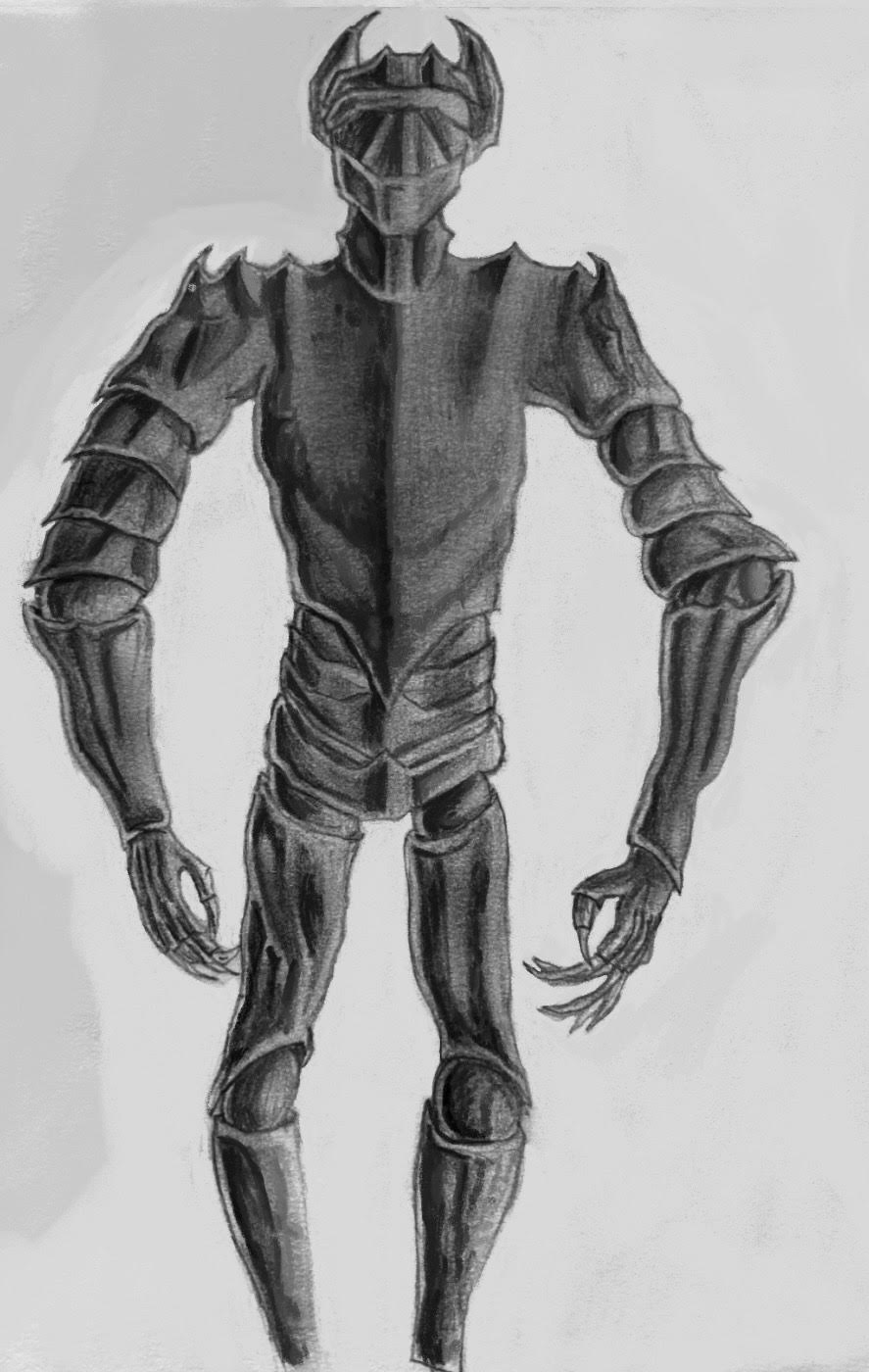
One extra class is The Drangue, special winged soldiers created through Anima magic.
To become a Drangue, one must be a human child with no parents or parents who are willing to give them to government agents.
Once recruited, the child will be placed in a special chamber which gives them the form of a Drangue, with the appearance of giant bats mixed with squids. The Dranques can communicate among themselves through telekinesis, allowing them to move as one being in battle.
Drangues only make up about 1% of the fighting force of Triberol, but they are extraordinarily important. A single Drangue will be sworn to a single noble, and they are expected to be honourable and chaste.
Social movement is very rare within Triberolese society. In many places in Triberol, it is simply illegal for pheasants to own land, and to enforce this, “Certificates of Caste” will be written, which denote the caste every person is in. If you wanted to purchase land, you would have to show your papers saying you’re not a peasant. This must also be done in order to apply to a guild academy.
The Triberolese political system is quite complex, and as such, only the very broad strokes can be covered here.
The Edicts serve as the constitution for Triberol, and it places complete power within the hands of the royal family. The various guilds within Triberol are controlled by the royal family.
One source of complexity within the system is the island of Sasargia. Due to its history, this island doesn’t exactly follow the rules of the rest of Triberol. While it does have the caste system on paper, in many ways, it is often ignored, with those officially listed as pheasants still allowed to own land. Even though Sasargia still follows the same system of fiefs, some lords can have their power blocked by positions such as mayors, a democratically elected position.
Succession in Triberol is patriarchal, with women only allowed to inherit if there are no male options.
Tribolese people do not have freedom of speech.
Religion:
The official religion of Triberol is
Pentonism.
This religion worships five different gods. The first is Imaegon, the goddess of magic energy who is also worshipped by the Maegists. The second is Ptath. He is similar to Ptoth, the Ayond’s god of nature, but the Triberolese see Ptath as male, and claim he is the god of life. The third is Diamona, the goddess of earth. The fourth is Aellvidri, who is similar to the god of storms worshipped by the Ferrines, but he is worshipped as both the god of storms as well as the god of the sky. The fifth is Scaulhor, the leader of the gods.
The Pentonist creation myth claims that in the beginning, there was only a massive ocean. Then, from this ocean emerged two beings: Scaulhor and Naejok. Naejok was a giant evil serpent, who wanted to destroy all of reality, but Scaulhor was a beautiful armoured god who only wanted to create.
When Scaulhor slew Naejok, Naejok’s body became the earth, his blood became all of the plants and animals, and his six eyes all became deities.
Five were evil and wanted to destroy reality just like Naejok, but one of them, Diamona, didn’t want that, so she told Scaulhor of their plans and helped him defeat the evil beings.
When the beings died they turned into the five moons.
As thanks for helping him, Scaulhor gave Diamona the gift of a husband, Aellvidri. Together, Diamona and Aellvidri had two children: Ptath and Imaegon.
Scaulhor gave Diamona control over the earth, Aellvidri control over the sky, Ptath domain over all life, and Imaegon control over magic. His last action before going away was creating sapient beings by bestowing certain animals with minds.
There are many other stories following this one, such as how Imaegon fell in love with a human. Wanting this human to be a deity as well, she attempted to place the mind of the human in one of the moons, but the newly created deity was so overwhelmed with cosmic power and knowledge. He tried to go back to his home, which was on earth, but he just ended up crashing onto the Continent.
A belief of Triberolese Pentonism is that every human being has their own personal Ora, a spirit which controls an individual's destiny. It is that these exist in a higher plain, similar to the spiritual realm of Draoin legend.
A common legend in south east Triberol concerns the Oni, massive human-eating creatures dwelling in caves. They are said to be eyeless, covered in fur, and with mouths full of knives. Tales of them are mostly used to scare children into behaving.
There are a variety of other religions in small pockets of Triberol, however their prayers are only whispered, as they are illegal, with the practice of other religions being punishable by death.
Long ago, people in the land now known as Triberol proper would practice human sacrifice by burying people alive.
Sometimes, these people would be given a special potion. So, when they were buried, their body would morph into large seeds made of flesh. These seeds would then sprout with Phae Trees. These were large trees made out of flesh which bloomed with fruit that apparently looked like a human brain, and whose consumption would reportedly give one longer life, better health, and even allow some to practice magic without previously having learned of it. It was said that the person who turned into the seed, and then the Phae Tree, was still conscious, and that their roots would spread throughout the soil, connecting to other Phae Trees. They would form a massive net of flesh beneath the land, with the trees in constant communication with each other.
However, this fell out of fashion towards the end of the 1000s. Nowadays, human sacrifice is banned, and all the Phae Trees were destroyed in the early 2000s in the Phae Purge.
Art:
Triberolese art is a mix of a variety of different styles. Paintings, sculptures, music, poetry, Cinemographs, and literature are all popular.
One important feature of both Triberolese art and culture are gargoyles, statues of monsters which can be brought to life through magic. In olden times, villages in Triberol proper would have their own individual gargoyle at the edge of town, meant to protect the city.
Nowadays, gargoyles are specifically made for military service.







Comments