
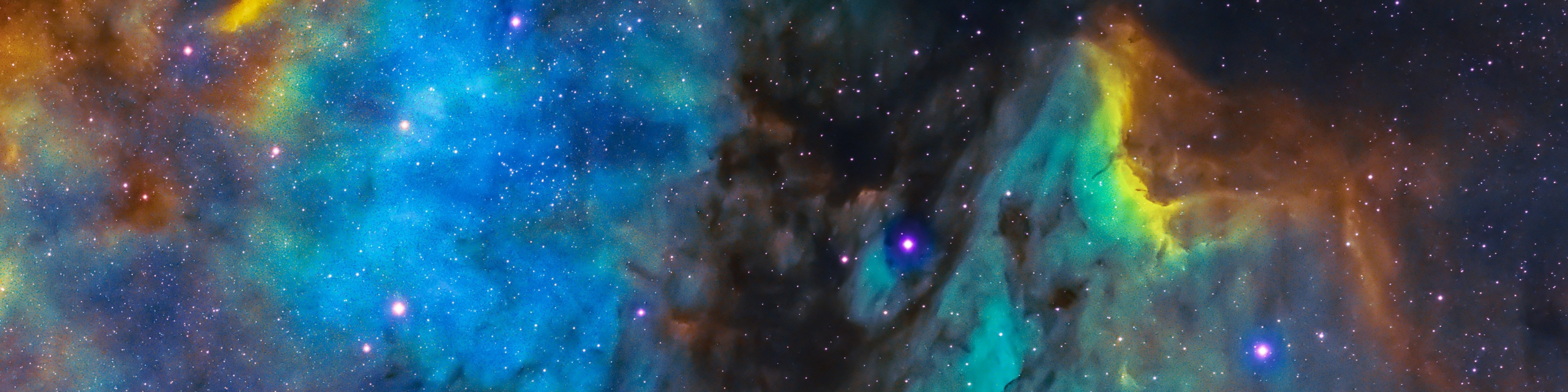
The Second Capital
The Second Capital is the crown city of Fra'gos, but one cannot know the phoenix without sifting through the ash. Long ago with the founding of the original capital, colloquially known as "The First." nestled safely between the Shadowmeer Mountains and the Limpid Sea, the original settlers were destined for growth and prosperity. This geographic protection allowed the Gossans to thrive and establish a true foothold in the region.
The settlement began as a small town named Gos'ton, and over the next few years, they built permanent homes using the materials at hand primarily the surrounding forests and the timber of their own ships. This steady progression changed, however, once they launched expeditions into Shadowmeer's peaks and the booming mining community sprouted in it's wake.
They were not alone.
Excerpt from a miners song, exhumed from the sky crypt of Shadowmeer, 3 moons before devastation.
Way down at the mountains heart,
The Gossans dug to find their start,
A shadowed maw to seal your fate,
So swing your pick or be deadweight,
Lost, scattered, ablaze, alone!
Seek no light, return not home!
Lost, scattered, ablaze, alone!
Seek no light, return not home!
We struck a light that should not burn,
Stole its gift, too proud to learn,
Till that fire began to bite,
Then shadow swallowed all our light,
Lost, scattered, ablaze, alone!
Seek no light, return not home!
Lost, scattered, ablaze, alone!
Seek no light, return not home!
The ones who dug are dust and bone,
Their names unspoken by the stone,
So leave your answers in the deep,
And let the cursed mountain sleep,
Lost, scattered, ablaze, alone!
Seek no light, return not home!
Lost, scattered, ablaze, alone!
Seek no light, return not home!
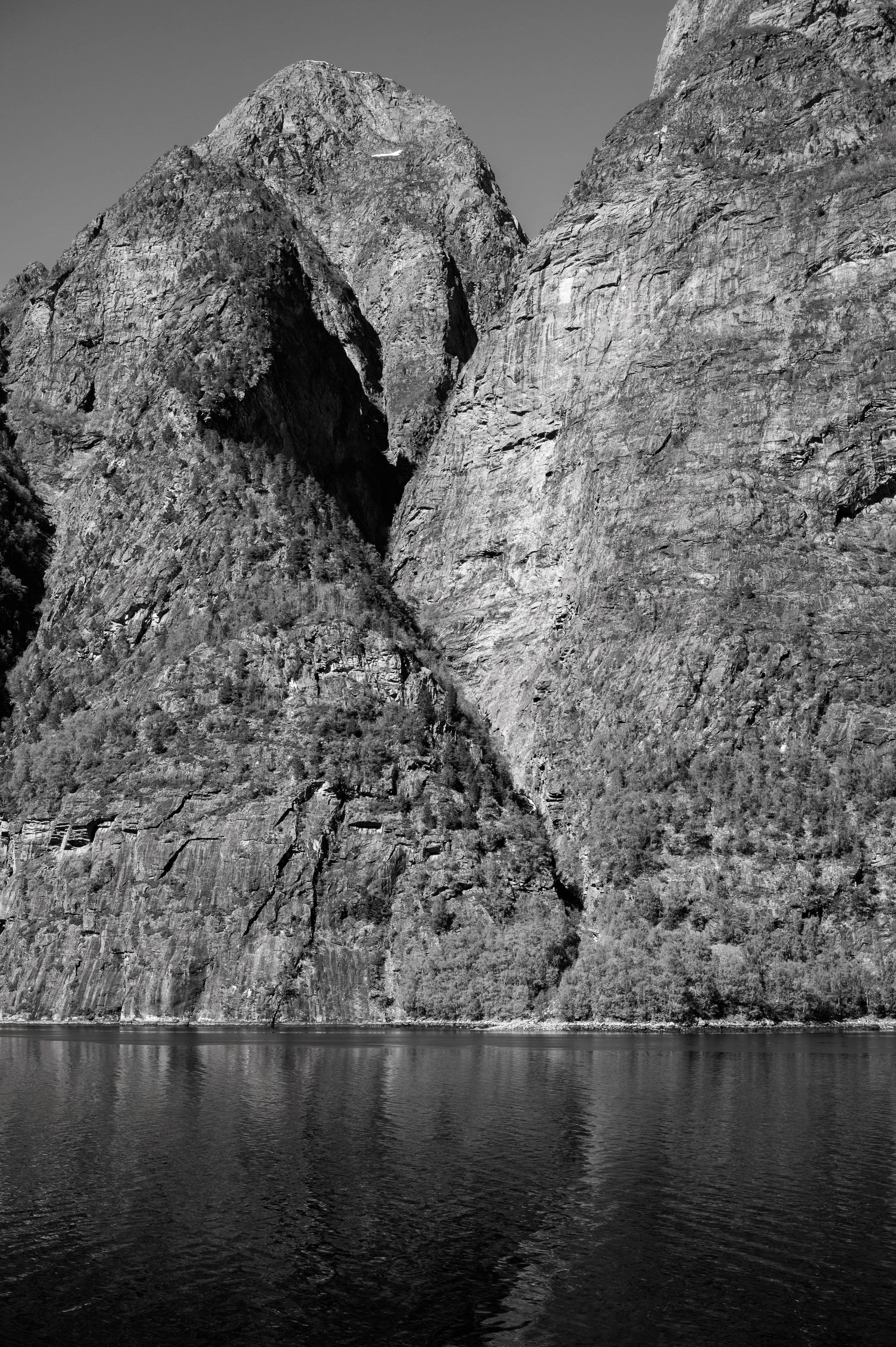
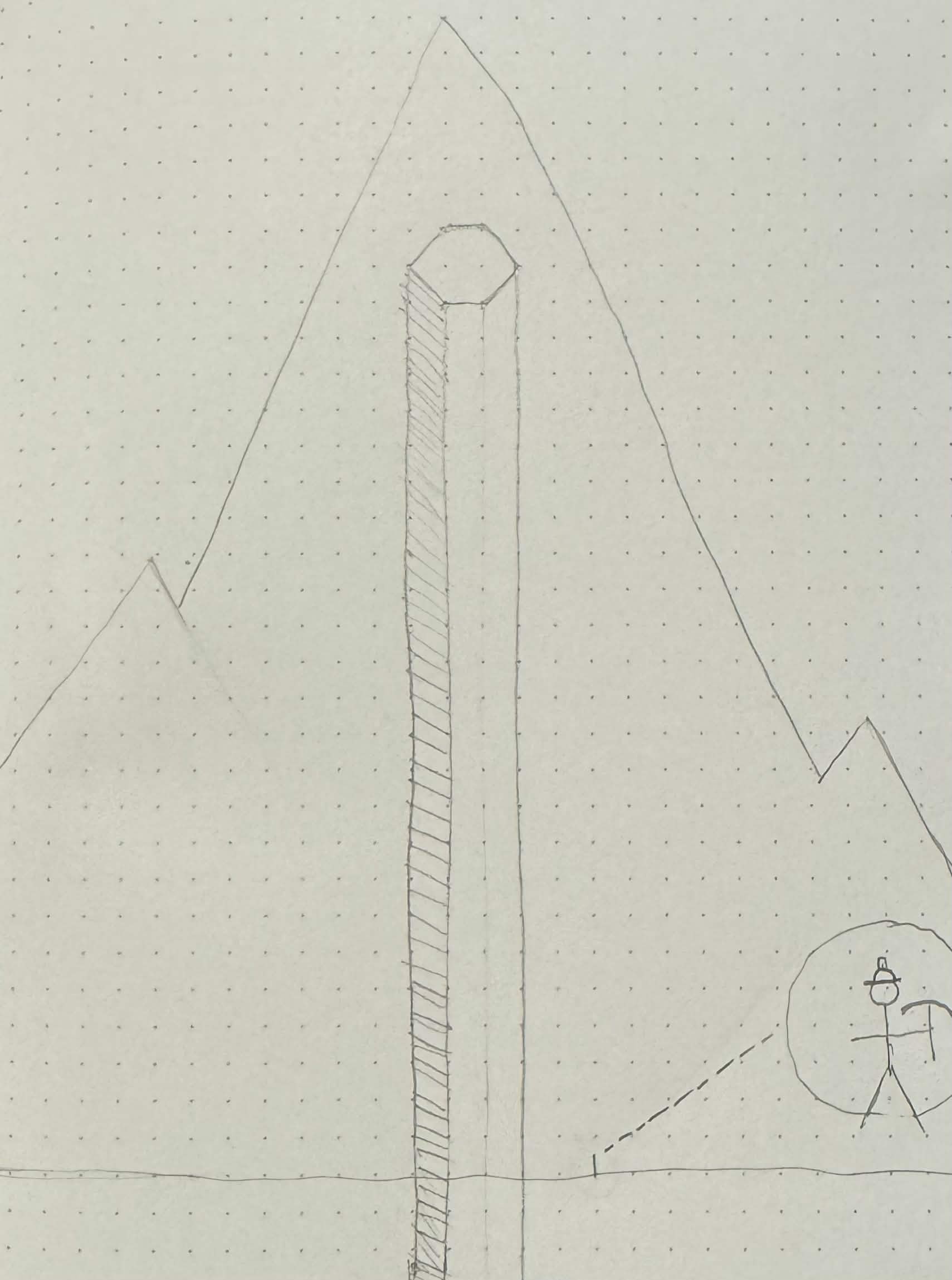
What the explorers found, would later be recognized as a one of the few true World Anchors we know today, though at the time it was seen as just another stone to mine. The tunnels inside followed strange patterns, never intersecting the Anchor's central hexagonal core. In total, this geological rod plunged 300 meters below sea level and soared to nearly 1,300 meters at its peak within Shadowmeer. The Gossans only grasped its sheer scale over time, as they excavated the smooth tunnels surrounding it, tunnels that would eventually become the foundation of the Shadowmeer Mines.
These mines would change everything. For the first time in the history of Fra'gos, humanity learned to wield the magic of anchorite. While the full history of its study is a tale for another time, it ultimately led the Gossans to develop the technology of Anachroments. This breakthrough paved the way for Anacores, refined anchorite spheres essential for powering all manner of magitech. With this revolution, Gossan weapons grew deadlier, their infrastructure more sophisticated, and their standard of living soared.
Through rigorous study and dedication the Gossan people had learned all they could from the stone. The conclusion they came to all pointed to one conclusion through this rod they could build a machine to do the impossible. And so they built.
That machine’s infrastructure became the foundation of the city: a city that defied the gods. Inverted star-scrapers, flying vehicles, near-infinite food and energy. A paradise for the world.
How long it took to build can only be estimated. With no threat of invasion to force their hand, some historians believe the builders worked at their leisure, spending several hundred years. Others argue their technology advanced so fast that everything, up to and including the God Nail itself, could have been finished in as little as ten.
Because the God Nail was always the point: a device built to kill a god, with the megastructure as its ammunition and the layered city as its railgun.
Excerpt by lead aetherology researcher from The Meridus School for the Gifted, on the astronomical fallacy during the day of devastation.
The day of devastation remains a topic of hot debate. Now, I am no denier. The inhospitable eastern continent is proof enough for anyone who cares to look. The problem, for me and for many astronomers, is the eclipse. Our calculations, run backward through the years, admit no logical explanation for a solar eclipse on that day. And yet we have credible evidence that the people did witness one. So I believe there was something else to it. There are still so many unknowns in our world, and the fate of the First is among them. But by every account there was an eclipse, and by every calculation there is simply no way there could have been.
The God Nail, though, is only a theory. Conjecture pieced together from the stories left in the ash, one more attempt to explain how the supposedly brilliant protohumans, the Gossans, were so completely wiped from the map, leaving us to gather what remained. What we know for certain is smaller and sturdier than any legend: our city, the Second Capital, stands as testament to the strength of community in the face of devastation. Founded from survivors to the east. Fact or fancy, our ancestors believed this was the Second, and so we follow in respect to their wisdom. And now, friends, allow me to present the phoenix risen from that ash, the crown jewel of the Gossarian Dynasty. The Second.
The Second was built to mimic the First, but the shattering of Fra'gos' World Anchor made a faithful copy impossible. Like most cities on the continent today, it is not one solid mass but a cluster of districts drifting around a central World Shard, a great fragment of the broken Anchor. The city answers to two gravities. The World Shard anchors a central foundational plate, and everything is drawn towards it's center from both sides. Those who live above are pulled down onto its upper face; those who live below are pulled down onto its underside, walking on a ceiling that is, to them, a floor. This is the divide that shapes the Second, physically at first and culturally afterward.
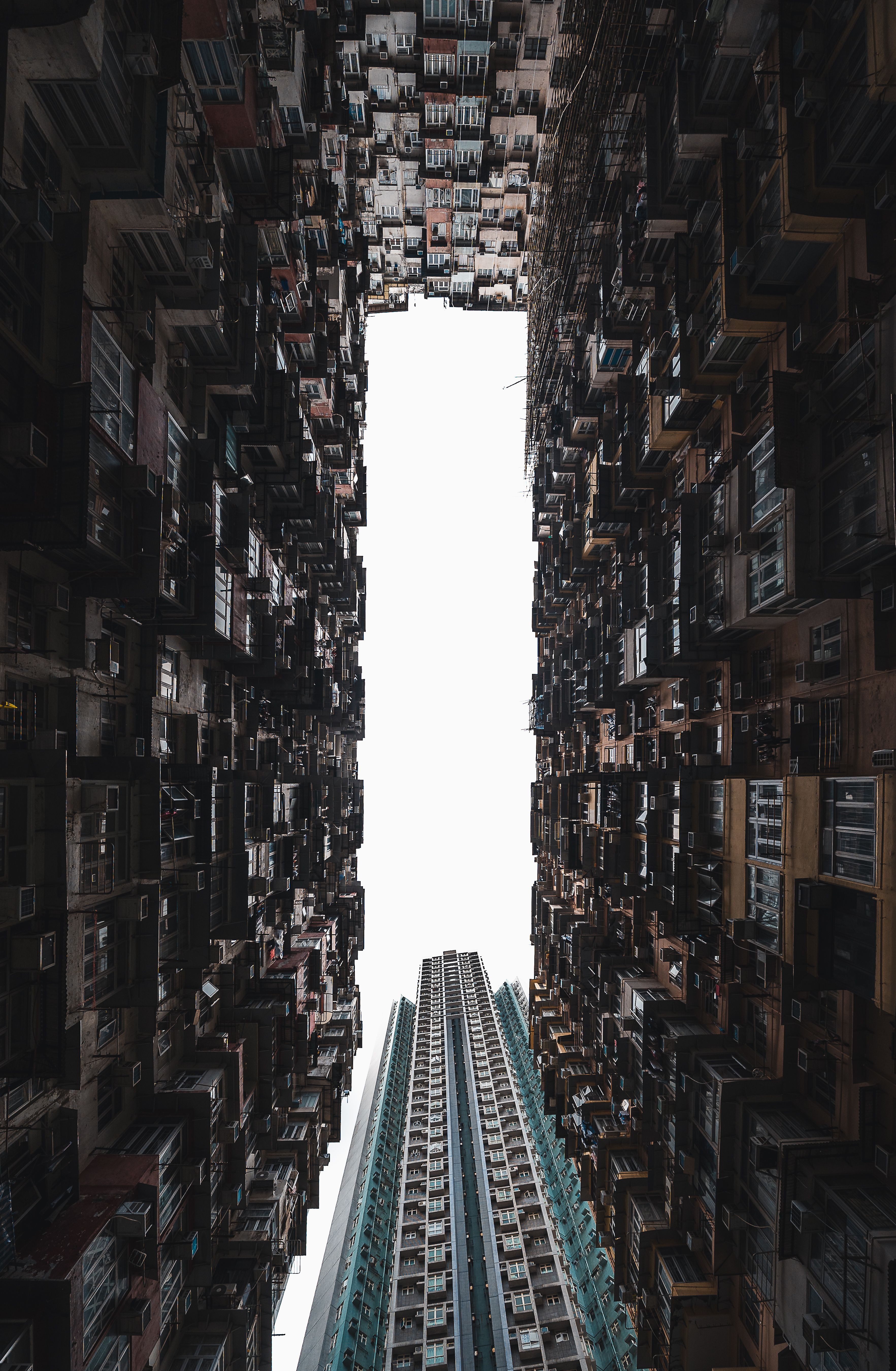
The Second is not underground, though outsiders often assume so. The floating capital houses its undercity in inverted skyscrapers that plunge away from the foundational plate into open air. The deeper a tower descends, the poorer and more lawless its residents, until the lowest tiers too far from the gravitational field hang over nothing at all.
The smaller shards tell the same story of division. In the upper city, the embedded "splinters" a term for the smallest form of post devastation World Anchors, became sites of high magical activity, as well as points of pilgrimage and power. While in the lower city, the same splinters drive mining and production, feeding the machines that keep the capital aloft.
Demographics
The population is split by class, the underclass and the upper class, with your placement determined by bloodline. Nearly everyone in the upper city descend from the original Gossan settlers. The under city, by contrast, is mostly refugees, and those who settled later. Its people are largely beast-men and elves, while the upper city remains predominantly human.
The divide is more than accident of their arrival. The imperial church teaches that the devastation, which it calls the Rivening, began when the Gossans opened Shadowmeer, the elves' home. According to doctrine, elvish magics corrupted the minds of the early settlers and turned them against their god, Concord. Whether or not one believes this, the belief itself is enough to keep elves below and humans above.
There is a wealth disparity between the two, but due to the belief expressed by the upper city of a merit-based promotion system. Those closest the the surface are in constant infighting to be chosen. The upper city is mainly nobility, and imperial magi, mages who were registered went to Meridus School for the Gifted and graduated with top marks. While the under city is mainly working class individuals, and the unemployed.
Government
The Second is a constitutional monarchy. Its royal family, the original founding line, holds a permanent seat in the Chamber of Stars, the conclave that governs from the royal high tower in the upper-city. The Chamber seats nine. The royal seat is fixed; the remaining eight are filled by election. By law, each of those eight must be held by one of the twelve original founding Gossan families, however far their descendants have scattered across the continent.
The twelve families competing for eight seats means some founding lines always go unrepresented, and the maneuvering to avoid that fate is a politics all its own. Lately, a different pressure has grown louder: a real push to seat a representative from the under-city, something the Chamber has never allowed.
Taxation and law once shifted constantly, moving with every rebalancing of power in the Chamber. That churn has stalled. Backroom dealings and entrenched voting blocs have hardened the council into stagnation, and one faction now pushes its agenda through almost unopposed. That faction, as it happens, sits squarely on the side of the royal family.
Defences
The city's first defense is simply its height. Several hundred meters of open air separate it from the ground, and from anything that might march on it. But the defense the southern region of Fra'gos knows by name is the splinter cannon.
A single cannon can hurl a "splinter", a world splinter that has been heavily modified and refined into ammunition, several hundred kilometers, enough to shatter any fleet long before it nears the coast, granting the Second near-absolute protection from threats across the sea. The cannons have been fired in anger only once. That night the guns were turned not outward but inward, all forty-four of them, and rained splinters down on the southern reaches of Fra'gos. The would-be revolution ended before the sun rose. Historians call it the second devastation. Those who were there call it the night of swords.
The true terror of the splinter is that its damage is permanent. It does not merely destroy, it remakes. A struck land cannot be restored, only survived in, and any civilization that hopes to endure there must adapt to the new world the splinter leaves behind.
That new world is seemingly always hostile. Splinters breed extreme and unnatural weather, storms and conditions found nowhere else. They mutate the living into monsters, many of them able to wield magic. And they reshape the terrain itself, folding once-familiar country into molten fields, drowned swamps, or endless desert. We do not know what the south of Fra'gos looked like before the night of swords. We know only what it is now: a mountainous, crag-filled hellscape of molten stone. And, by cruel turn, the city's single largest source of production

Comments