

Destruction
Kossoth (Destruction), The Primal Force of the End.
Destruction is stern and unyielding, a force of inevitable justice rather than cruelty. They do not act out of malice but out of balance, enforcing the natural order where all things must eventually end.
Death. The transition from life to whatever comes next.
Destruction. The breaking down of what no longer serves its purpose.
Decay. The slow but inevitable return of all things to their base elements.
War. The destructive force that reshapes nations and people.
Justice. The enforcement of consequences, ensuring balance and order.
The Empire. Destruction is considered the patron of the Empire of Mori, symbolizing its unyielding strength and authority.
Destructive Magic. Spells and rituals that harness the power of destruction, often used in warfare or judgment.
Blood Offerings at Funerals. Mourners often offer a drop of their own blood to honor the dead, symbolizing the cycle of life and death.
Burning Offerings Before Court. Those seeking justice or preparing for legal battles burn offerings to Destruction, asking for fair but stern judgment.
War Blessings. Soldiers and warriors invoke Destruction before battle, not to ask for victory, but to accept the inevitability of death and ensure their end is honorable.
A faceless figure in black robes, holding a set of scales in one hand and a sword in the other.
A skeletal hand gripping a broken crown, symbolizing the end of all rule and authority.
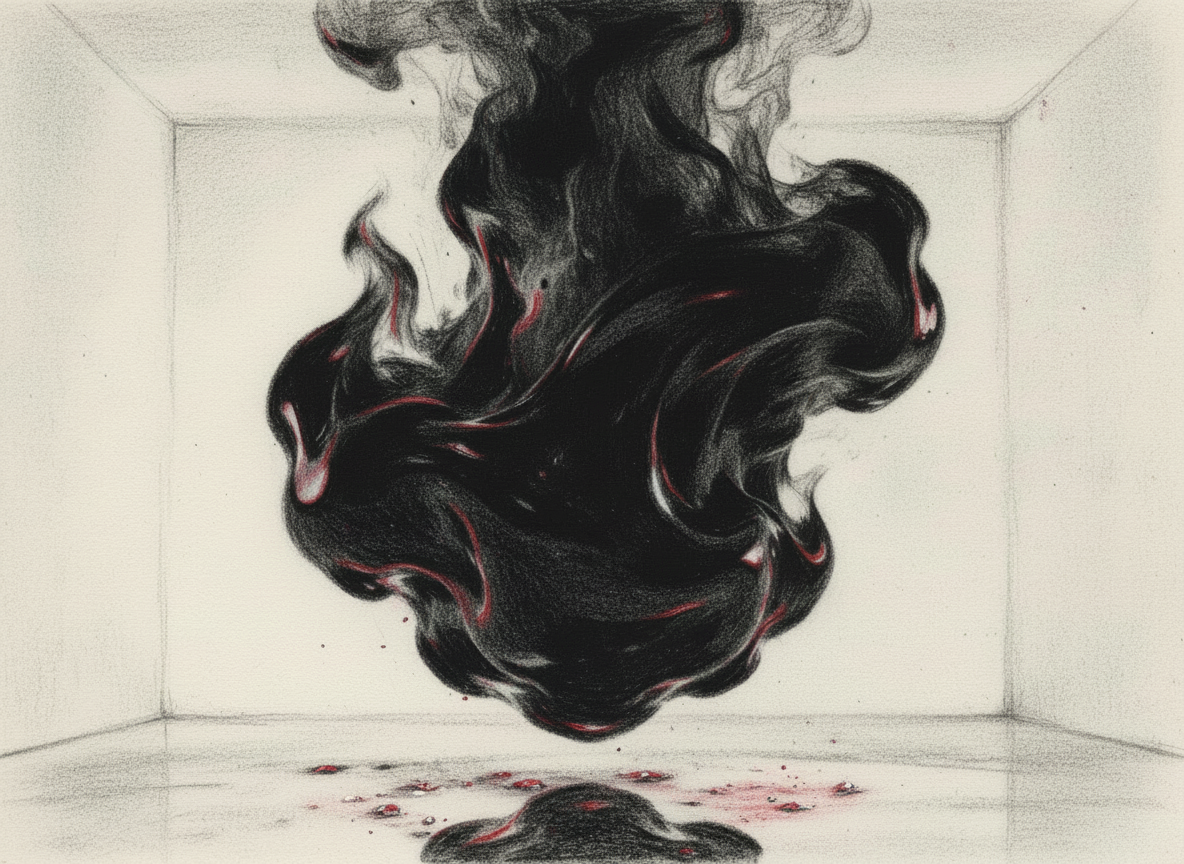
A black flame, representing the purifying nature of destruction.
Their sacred color is black, often accented with silver or deep red to represent blood and justice.
This patronage does not mean the Empire is loved by its people, but it is respected. The Empire’s rule is seen as a reflection of Destruction’s nature: just, inevitable, and without sentimentality.
Uphold the law, even when it is harsh.
Accept death as a natural part of life.
Destroy what is corrupt or broken, whether it be a person, an institution, or an idea.
The Black Scales. A sect of judges and executioners who believe in absolute justice, often acting as arbiters in disputes.
The Ashen Blade. Warriors who see battle as a sacred duty, ensuring that death in combat is honorable.
The Silent Choir. Mystics who meditate on decay, believing that understanding death is the key to understanding life.
A loved one dies, to ensure their passing is honored.
A difficult decision must be made, especially one that involves sacrifice or loss.
A battle is fought, to accept the possibility of death with dignity.
Destruction teaches that endings are not failures but transitions, and that destruction is not evil but necessary for renewal.
Unlike the Lost Gods, who were often personal and capricious, Destruction is impersonal and inevitable. They do not play favorites or answer prayers—they simply are, a force as natural as the turning of the seasons.
A Judge or Executioner. Your character enforces the law without mercy, believing that justice must be stern and final.
A Soldier of the Ashen Blade. You see battle as a sacred duty, where death is not feared but embraced as part of the cycle.
A Scholar of Decay. You study the process of destruction, believing that understanding endings is the key to wisdom.
A Trial of Justice. The players are called to witness or participate in a trial overseen by the Black Scales, where the punishment is death or exile.
A Cursed Relic. An artifact tied to Destruction begins causing uncontrolled destruction, forcing the players to decide whether to destroy it or harness its power.
The Emperor’s Judgment. The Emperor, acting as Destruction’s avatar, demands a sacrifice to uphold the Empire’s strength. What will the players do?
Destruction, or also known by the ancient word Kossoth governs the aspects of death, destruction and decay. The minor aspects are war, justice, the Empire, and destructive magic.
The people of Morea do not see Destruction as an evil god. Forces of death and destruction are simply necessary for life and creation, and things must end for others to live. They are considered to be cold, just and stern. The most common aspects assigned to them are war and justice. People would normally offer a drop of their blood at a funeral to honour the dead, or burn an offering before going to court.
They are also considered to be the patron of the Empire, despite the fact that the Emperor is crowned by both religious orders.
Domain and Nature
Destruction is the divine embodiment of death, destruction, and decay, one of the Primal Forces revered in Morea. Unlike deities in other pantheons, Destruction is not seen as evil—instead, they are understood as a necessary, cold, and just force. In the cycle of existence, endings are as vital as beginnings. Destruction ensures that what is old, corrupt, or no longer needed is cleared away, making space for renewal and rebirth.Destruction is stern and unyielding, a force of inevitable justice rather than cruelty. They do not act out of malice but out of balance, enforcing the natural order where all things must eventually end.
Major and Minor Aspects
Major Aspects
Minor Aspects
Worship and Rituals
Destruction is worshipped with solemnity and respect, never fear. Their followers understand that death and destruction are not punishments but necessary parts of existence. Common rituals include:Symbolism and Representation
Destruction is often depicted in art and iconography as:Their sacred color is black, often accented with silver or deep red to represent blood and justice.
Destruction and the Empire
Despite the Emperor of Mori being crowned by both religious orders (those of Creation and Destruction), Destruction holds a special place as the patron of the Empire. This is not because the Empire is cruel, but because it embodies order through strength. The Empire’s laws, military, and justice system are all seen as extensions of Destruction’s will—stern, unyielding, and necessary.This patronage does not mean the Empire is loved by its people, but it is respected. The Empire’s rule is seen as a reflection of Destruction’s nature: just, inevitable, and without sentimentality.
Clerics and Followers
The clergy of Destruction are often judges, executioners, soldiers, and scholars of law. They are not cruel but uncompromising, believing that mercy without justice is weakness. Followers of Destruction are expected to:Notable Sects
Destruction in Daily Life
While Destruction is not worshipped with the same fervor as gods of life or creation, their presence is felt in every ending. People invoke Destruction when:Destruction teaches that endings are not failures but transitions, and that destruction is not evil but necessary for renewal.
Contrasts with Other Forces
While Destruction is often paired with the Primal Force of Creation, the two are not opposites but complements. Creation brings life and growth, while Destruction ensures that what is no longer needed fades away. Together, they maintain the balance of existence.Unlike the Lost Gods, who were often personal and capricious, Destruction is impersonal and inevitable. They do not play favorites or answer prayers—they simply are, a force as natural as the turning of the seasons.
Roleplaying Destruction
For Players
For Game Masters
"All things end. That is not cruelty—it is truth."Inscription in the Temple of the End
Please support us if you like the content! Your contribution is much appreciated and goes towards building community and creating more content: Support Us!


Comments