
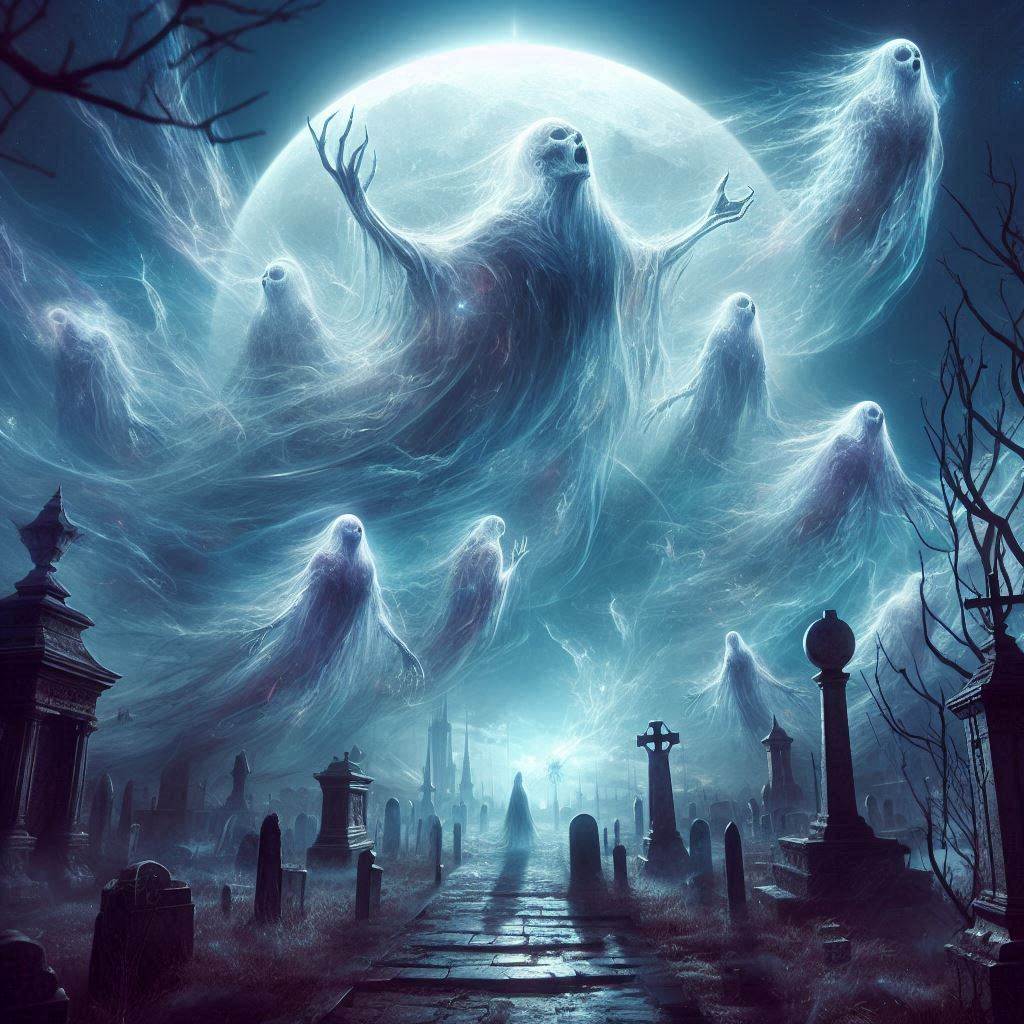
Undead
Undeath in Logos is not a natural state—it is a distortion of the divine order, a perversion of the soul. All undead, whether mindless or aware, exist without Breath, sustained by unnatural forces and often tethered to wicked intent or ancient sorrow.
Origins of Undeath
All undead are created, never occurring naturally. They are the result of deliberate acts—rituals, curses, or forbidden magic that manipulate the Weave of souls or bind animating spirits to dead flesh. Whether raised by necromancers, cursed by divine judgment, or caught in magical calamity, undead are always the product of external tampering.
There are two major categories:
- Animated Undead- These are mindless or nearly-mindless reanimated shells of bone and flesh. Zombies, skeletons, and other lesser horrors fall into this category. They are created by infusing a corpse with a lesser animating spirit, typically from devils—fragments of discarded emotions, memories, or leftover magical energy. They possess no true will, only a dull spark of obedience and reactive aggression or hungry agression. They respond to the commands of their master or follow basic programming—guard, kill, rise.
- Sentient Undead - Far more tragic and dangerous are the undead who retain their mind—or a twisted shadow of it. These include ghosts, wraiths, banshees, revenants, and liches. They are created by a deliberate interruption of a soul's departure from within the Weave, often through necromancy or cursed bindings. These beings retain memories, thoughts, and personality—but they are often corrupted or deteriorating, especially if they cannot find peace. Some are enslaved to the one who has bound their soul, searching in exchange for a promise: that their soul will be released, spared judgement, or preserved. Others do not know who or what has bound them, and wander in torment and obsession, unraveling slowly as they search in vain for truth, vengeance, or release.
Religious Rejection
To the faithful in Logos, undeath is a blasphemy, a theft of the soul’s journey. The Breath, once gone, must not be imitated or replaced. Those who tamper with the passage of souls risk damnation, and those who raise undead court Divine wrath.
Some monks, clerics, and even paladins dedicate their lives to freeing trapped souls—destroying sentient undead not to punish them, but to cut their tethers and allow them to pass on. Others, less merciful, view all undead as irredeemable mockeries of life, deserving only to be purged.
