

Sylvan
Sylvan (Feytongue)
Sylvan, known simply as Feytongue among mortals, is the traditional language of the fey and woodland folk of Enderlin. Among Satyrs, Fairies, and other fey creatures it is often called the language of the wild—the speech of song, emotion, and living nature. While many fey learn Common to communicate with mortals, Sylvan remains the thread connecting fey communities, ritual, and storytelling across the forests and hidden glades of Enderlin.
Soft, lyrical, and quick to shift with mood, Sylvan reflects fey values: joy, freedom, mischief, and deep attunement to the rhythms of the natural world. It is rarely used in formal mortal contexts, but spoken freely in groves, glens, and Feywild-touched places.
Origins and Development
Sylvan descends from the earliest speech of the Feywild, older than most mortal languages. Its roots stretch back before elves settled in Enderlin, shaped by emotion, song, and the magic of the living forests. Unlike mortal tongues, it evolved for expression rather than precision, carrying meaning as much through tone, gesture, and rhythm as through words themselves.
Over centuries of contact with mortals and other races, Sylvan absorbed occasional loanwords—mostly names, simple numbers, or practical terms—but its grammar, metaphor, and melodic patterns remain distinctly fey. Its vocabulary often reflects the environment: leaves, light, wind, and wild creatures dominate its imagery.
Script and Written Use
Sylvan is most often written in Espruar, a flowing elven script adapted to preserve the language’s musicality. Written Sylvan is rare, as most fey prefer oral transmission, songs, or inscriptions on natural surfaces like bark, stone, or crystal.
When recorded, Sylvan often appears in:
- Magical scrolls, charms, and protective wards
- Songs, poems, and ritual chants
- Maps of enchanted forests or hidden groves
Because of its oral emphasis, the full richness of Sylvan is often lost in writing; a phrase can carry extra nuance, emotion, or subtle instruction that only another fey can intuitively grasp.
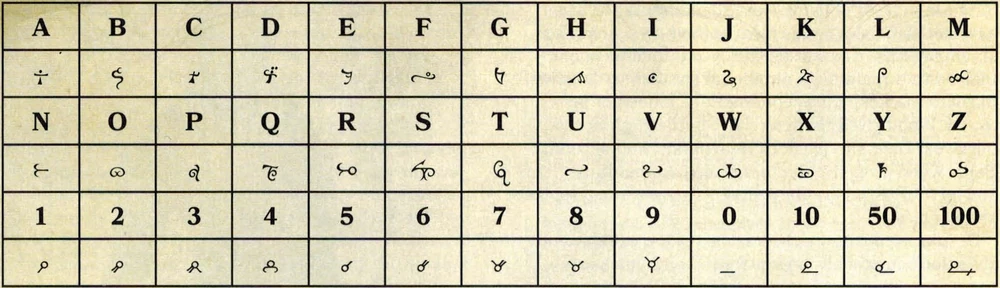
Elvish (which is used for Sylvan) to common direct translation.
Use in Modern Enderlin
Sylvan is primarily spoken within fey communities, among satyrs, fairies, and other woodland beings. In mortal-dominated settlements, it is often used alongside Common to maintain secrecy or convey tone and humor.
Common uses include:
- Conversation within fey circles and forest gatherings
- Music, dance, storytelling, and celebration
- Blessings, curses, and charms
- Private negotiation or subtle persuasion among fey
Outside the Feywild or fey-dominated forests, Sylvan is mostly unintelligible to mortals, though a few scholars, rangers, and bards pursue fluency for diplomacy, trade, or arcane study.
Cultural Significance
To fey, Sylvan is more than a language—it is a living expression of the world. Speaking Feytongue affirms presence, emotion, and connection to nature itself. Many fey believe that the forest and its spirits respond more readily when addressed in Sylvan, and songs in the tongue are said to carry magic in ways mortal languages cannot capture.
Names and Vocabulary
Fey names often retain their Sylvan roots, even when adapted to mortal tongues.
Common Satyr Names
Alvyr
Branthil
Hykara
Syrion
Tylath
Common Fairy Names
Ailina
Briseth
Calivra
Fynella
Lythera
Selected Sylvan Terms
- groef — title of a grig prince or fey noble
- hurbryn — “heavy-footed ones,” usually humans
- hykyath — “Prance!”; a parting used by satyrs
- sabbas — “Run free!”; a parting used by centaurs
- lyssin — forest light, sunlight through leaves
- thariel — song of wind or river
These words often appear unchanged in fey-accented Common, subtly influencing mortal dialects in regions near fey forests.
Native Name: Sylvan (Feytongue)
Script: Espruar (flowing, musical characters)
Primary Speakers: Satyrs, fairies, wood elves, centaurs, and other fey creatures
Geographic Spread: Forests, glens, and fey-touched regions across Enderlin; also in the Feywild
Status: Cultural and ceremonial language; used for song, ritual, storytelling, and fey communication
Origin:
Originated in the Feywild as the language of nature, magic, and emotion; carried into Enderlin by the earliest fey long before the arrival of elves and humans.
Dialects:
Highly fluid and context-driven, shifting with mood, species, and forest region; largely oral, with few standardized written forms.
Ease of Learning:
Moderate to Difficult — grammar and meaning are flexible but context-heavy; tone, rhythm, and emotion are crucial to true understanding.

Comments