

Lizard
Lizard (Lizat)
Lizat, often called Lizard in Common, is the ancestral language of the Saurians —the lizardfolk of Enderlin. Among Saurians themselves it is known as the Tongue of Scales and Sun, a language of purpose, balance, and endurance. While the upper classes and traders under the Saurians understand Common for rare contact with outsiders, Lizat remains a living thread connecting clans across the Orun's Islands and beyond, preserving ancient knowledge and ritual.
Hissing and rhythmic in sound, Lizat reflects Saurian values: precision, patience, observation, and divine duty. It is rarely used casually, instead spoken deliberately in councils, rituals, or teaching, where every word carries weight and intention.
Origins and Development
Lizat descends from the earliest Saurian speech, said to have been taught to them long before their continent fragmented into the islands of Orun, directly by Semuanya, the god of endurance and vigilance, at the dawn of the world. The language emphasizes tonal rhythm, repetition, and layered meaning, reflecting the Saurians’ focus on balance, survival, and careful observation.
Over millennia, Lizat absorbed few foreign terms, as Saurians historically avoided unnecessary contact with other peoples. When words were borrowed, they were mostly for trade or navigation beyond Orun. Despite this, the core grammar, syntax, and symbolic phrasing remain uniquely Saurian, echoing the patterns of the earliest stewards of Enderlin.
Script and Written Use
Lizat uses a logographic and pictographic script, with glyphs, often carved into stone, etched into bone, or inscribed in ceremonial objects. Writing is primarily ritualistic or mnemonic:
- Sacred records and chronicles of duty
- Ritual calendars, astronomical observations, and omens
- Clan histories and genealogies
Saurians rarely write for mundane purposes, preferring to transmit most knowledge orally. This ensures Lizat remains a living language, intimately tied to memory, ritual, and context rather than mere text.
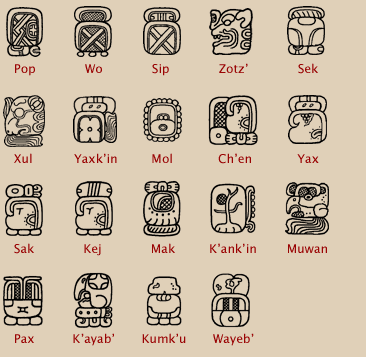
Example of some Lizat pictographics
Use in Modern Enderlin
Lizat is primarily spoken within Saurian communities on Orun. In rare mainland encounters, Saurians may speak Common, but Lizat is always reserved for:
- Ritual ceremonies and offerings
- Instruction of young Saurians in duty, skill, and observation
- Oral history, myths, and ancestral teachings
- Communication among clan elders and envoys
The language’s cadence, repetition, and tonal shifts convey meaning beyond the literal, allowing for subtle nuance, emphasis, or warning in a single utterance.
Cultural Significance
To the Saurians, Lizat is more than communication—it is memory, law, and devotion embodied. Speaking it affirms alignment with Semuanya’s purpose and the continuity of their people. Even brief exposure to the tongue is believed to impart clarity of thought and respect for natural and divine order.
Abandoning Lizat is unthinkable; it is a living bond linking every Saurian to their ancestors, their islands, and their sacred duty as watchers of the world.
Names and Vocabulary
Saurian names often reference natural forces, celestial bodies, or divine principles, reflecting their connection to Semuanya and the natural order.
Common Saurian Surnames
Chikawen
Ixkal
Tlalcoatl
Zyapoca
Nahualik
Ketzalun
Common Male Given Names
Ahuil
Cozan
Ixchel
Tepan
Yaloc
Zyatl
Common Female Given Names
Itzel
Nayali
Xochitl
Ayani
Chimalia
Sakina
Selected Lizat Terms
- tzol — sun
- k’ay — water
- tzan — clan / family
- yok — strength / endurance
- nahua — spirit / purpose
- xochi — flower / offering
- kan — serpent
These words often persist in Saurian-accented Common, subtly influencing regional speech when Saurians are encountered abroad.
Native Name: Lizat
Script: Pictographic Glyphs
Primary Speakers: Saurians (Lizardfolk mostly elders, scholars, and ritualists
Geographic Spread: Isles of Orun; occasionally among Saurian emissaries and very small communities in the southern jungles on mainland Enderlin.
Status: Ancestral and ceremonial language; used for ritual, oral history, and clan instruction
Origin:
Believed to be taught by Semuanya, the god of endurance and vigilance, at the dawn of the world; carried by the first Saurians to the Isles of Orun as a language of duty, observation, and balance.
Dialects:
Minimal variation; differences appear mostly in ritual emphasis or clan-specific phrasing rather than regional vocabulary.
Ease of Learning:
Difficult — tonal, symbolic, and highly contextual; mispronunciation or misinterpretation can alter meaning or ritual effect.

Comments