
Hades
Hades — The Shrouded Realm of Eternal Suffering
Hades is an Outer Plane of gloom, decay, and quiet despair. It embodies hopelessness, entropy, and the slow, unending erosion of life and vitality. To the peoples of Enderlin, Hades is a place of melancholic dread — where even the strong feel powerless and every step is weighed by futility.
Unlike the chaotic Abyss or the lawful Nine Hells, Hades does not thrive on active cruelty or conflict. It exists as a realm of stifling inevitability, where decay and stagnation are the true rulers.
Nature of the Plane
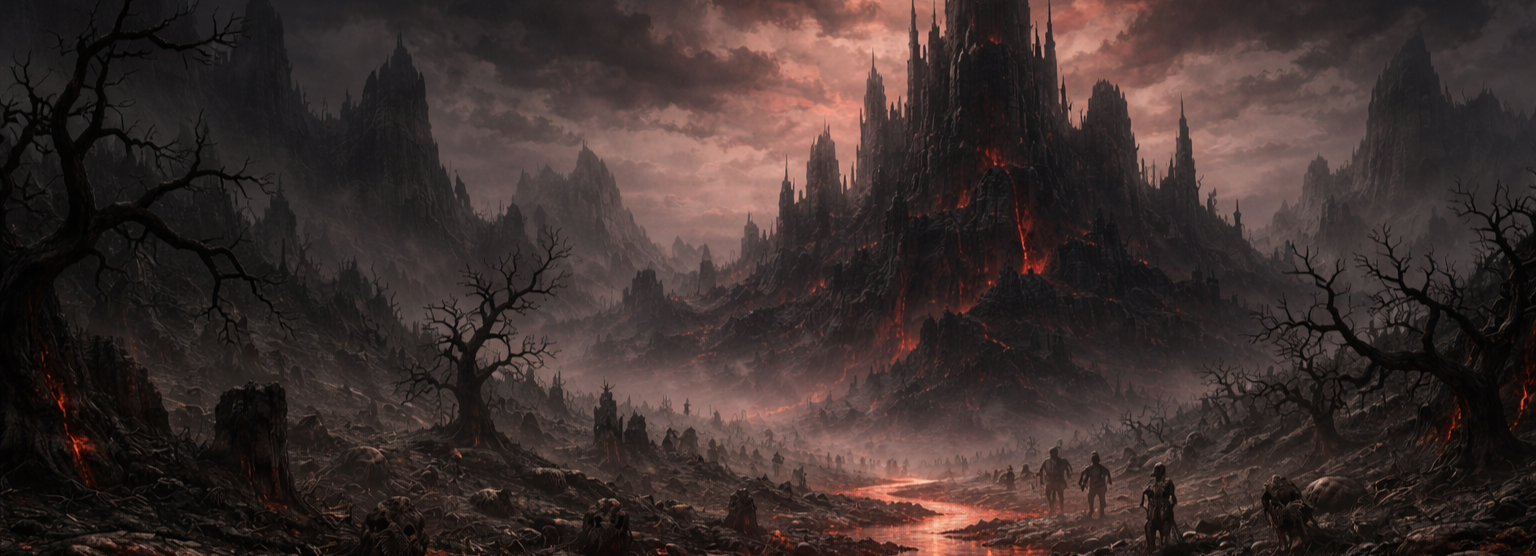
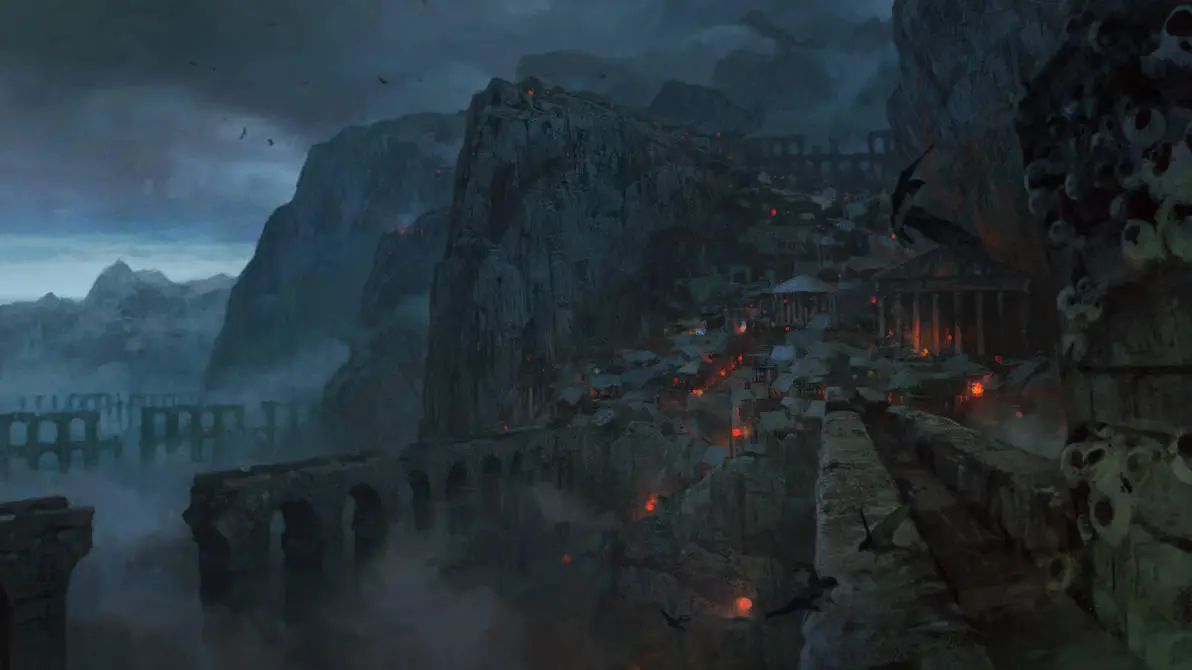
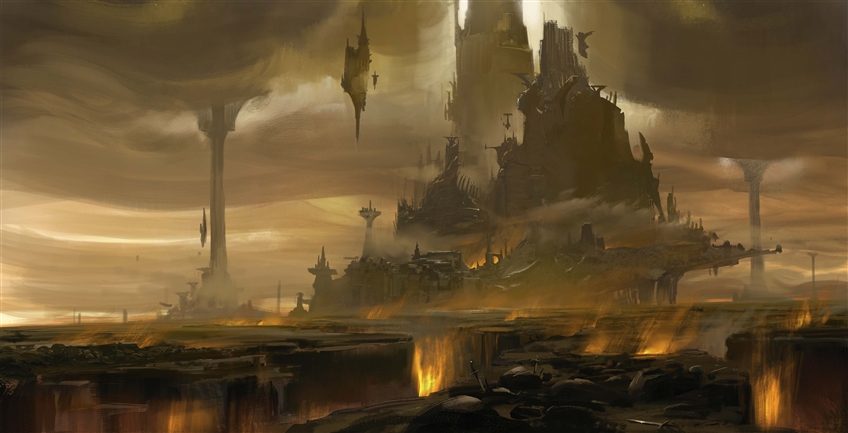
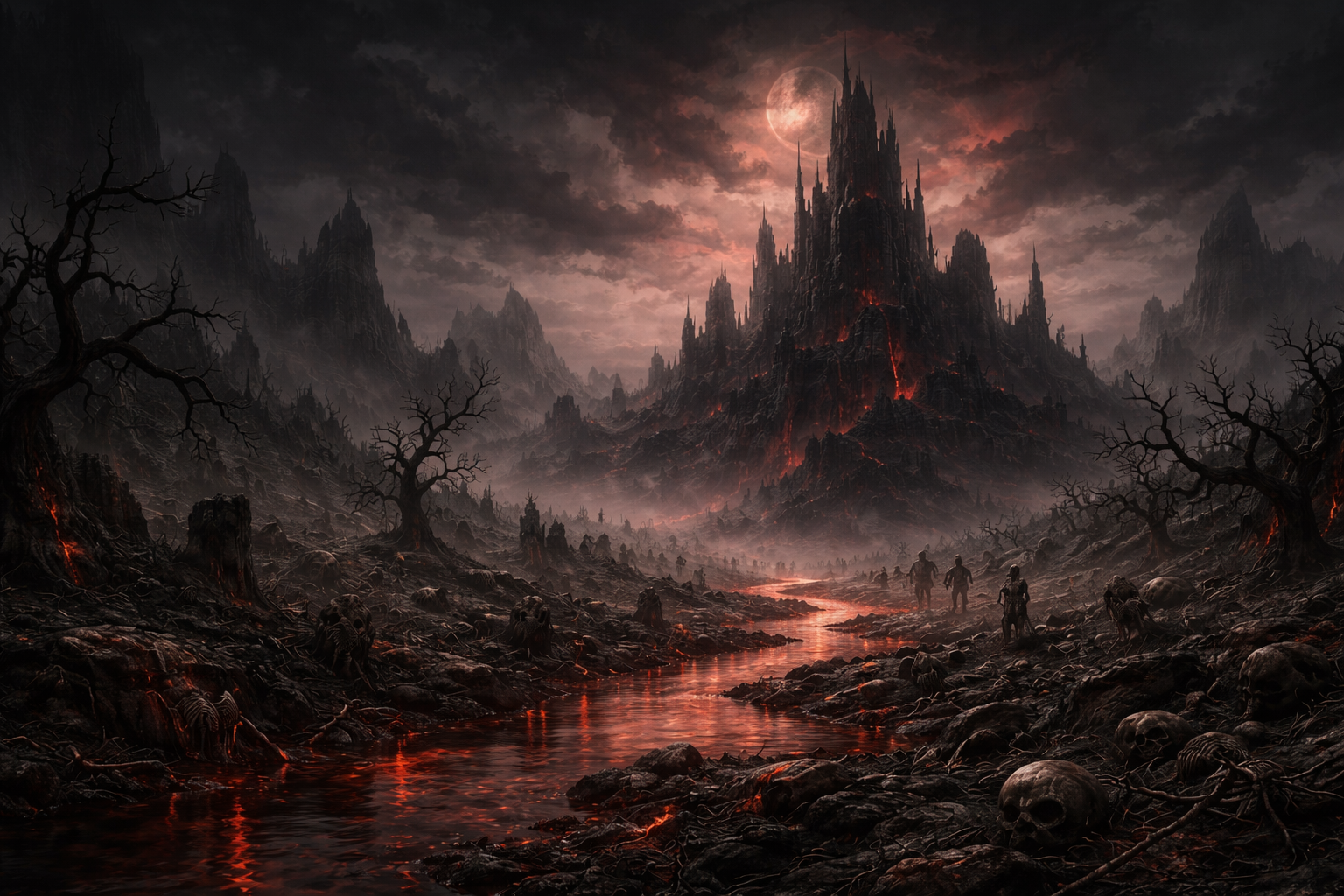
Hades is a vast, shadowed expanse of barren plains, with crumbling hills, choked rivers, and mountains that crumble into themselves. The skies are perpetually overcast, heavy with black clouds that blot out the sun. Forests rot from the roots up, and cities of the dead lie abandoned yet strangely preserved.
Time is oppressive and inconsistent: days can stretch into decades, yet decades can vanish in a moment. Mortals often find themselves trapped in cycles of hopeless repetition, their efforts undone by entropy itself.
The air carries melancholy, and faint whispers of lost souls seem ever-present. Even the strongest-willed adventurers may feel their resolve fading as the plane works subtly to crush hope.
The Three Layers of Hades
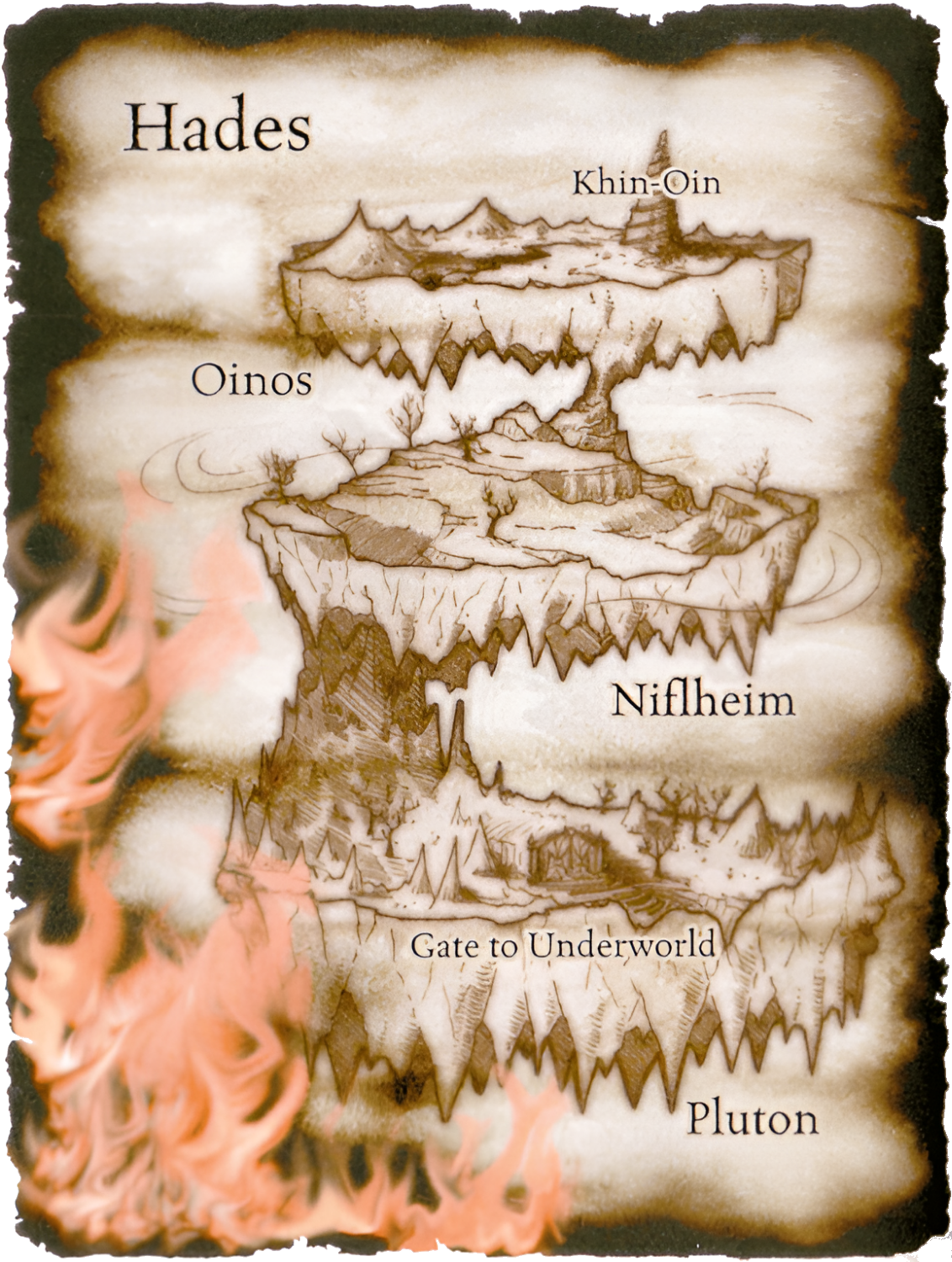
Hades is traditionally divided into three layers, each reflecting a distinct aspect of despair and stagnation:
- Oinos — The upper layer, a land of barren vineyards and desolate plains. It represents lost opportunity and slow decay, where even the fruits of labor wither before they can be enjoyed.
- Niflheim — A frozen wasteland of snow, ice, and dark rivers. Cold, silence, and isolation dominate, emphasizing hopelessness and the slow death of all things. Travelers may become trapped in the ice or lose themselves in endless blizzards.
- Pluton — The deepest layer, a volcanic and cavernous underworld of fire, ash, and molten rock. It embodies the slow, inevitable collapse of strength and spirit, a place where decay accelerates and despair becomes almost tangible.
The layers are connected, yet travel between them is slow, perilous, and fraught with traps, both physical and mental.
Inhabitants
Hades is home to beings that reflect stagnation, suffering, and relentless decay:
- Shades and spirits — Souls trapped by misfortune, misdeeds, or fate, endlessly wandering without purpose.
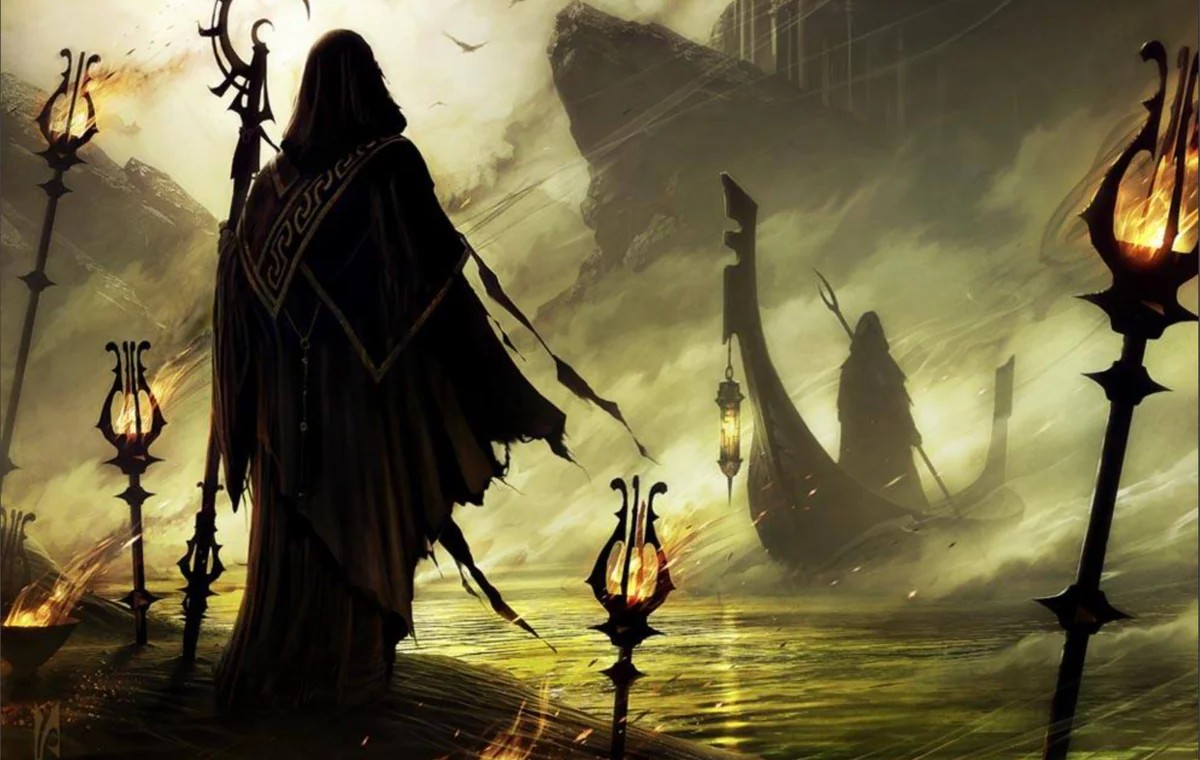
- Hadean warden spirits — Silent, relentless entities enforcing the plane’s oppressive will.
- Petitioners — Mortals consumed by despair or tragedy, slowly losing identity.
- Decay-aligned creatures — Fiends, necrotic beasts, and other entities feeding on entropy.
Unlike the Abyss or Pandemonium, Hades’ dangers are insidious rather than overt. Weakness, hopelessness, or inaction is often as deadly as monsters or environmental hazards.
Souls and Punishment
Mortals drawn to Hades are often those weighed down by guilt, despair, or futility. Souls are rarely destroyed; instead, they are subjected to endless stagnation, decay, or psychological torment.
Some become petitioners, gradually losing their will and memory. Others are transformed into shadows or agents of decay, reinforcing the plane’s oppressive aura. Hades punishes not with pain or chains, but with the crushing weight of inevitability.
Travel and Influence
Access to Hades is hazardous:
- Planar magic and summoning can deposit travelers in desolate or dangerous regions.
- Cursed artifacts or divine punishment may drag mortals unwillingly into its gloom.
- Escape requires perseverance, cunning, and sometimes outside intervention.
Even seasoned adventurers are worn down by the oppressive atmosphere and the unrelenting sense that their actions are ultimately meaningless.
Role in the Multiverse
Within the Great Wheel, Hades represents the inexorable decline of life, hope, and vitality. It serves as a counterbalance to Elysium’s peace, Arborea’s passion, and the chaotic destruction of the Abyss.
Hades reminds mortals that some forces cannot be fought with strength or cunning — they can only be endured. To walk Hades is to confront the fragility of hope, the inevitability of decay, and the quiet power of despair. Those who study it, or survive its gloom, learn patience, resilience, and the haunting weight of inevitability.
Map of Hades:
Hades environment:

Comments