
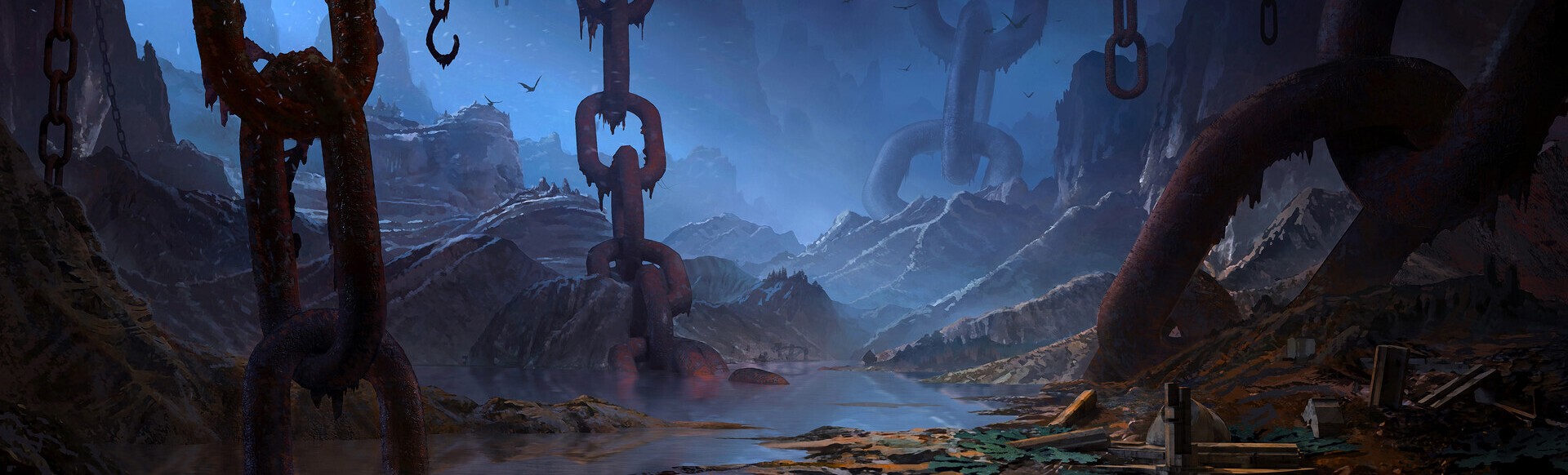
Carceri
Carceri — The Chains of Eternal Imprisonment
Carceri is an Outer Plane of confinement, despair, and inescapable oppression. It embodies imprisonment, betrayal, and the slow erosion of hope, where both mortal and immortal beings can be trapped for eternity. To the peoples of Enderlin, Carceri is feared as a realm where freedom is an illusion, trust is fatal, and every choice carries chains.
Unlike the chaotic Abyss or the ordered Nine Hells, Carceri does not thrive on open destruction or structured tyranny. It exists as a vast, interlocking prison — a place where entrapment itself is the ultimate weapon.
Nature of the Plane
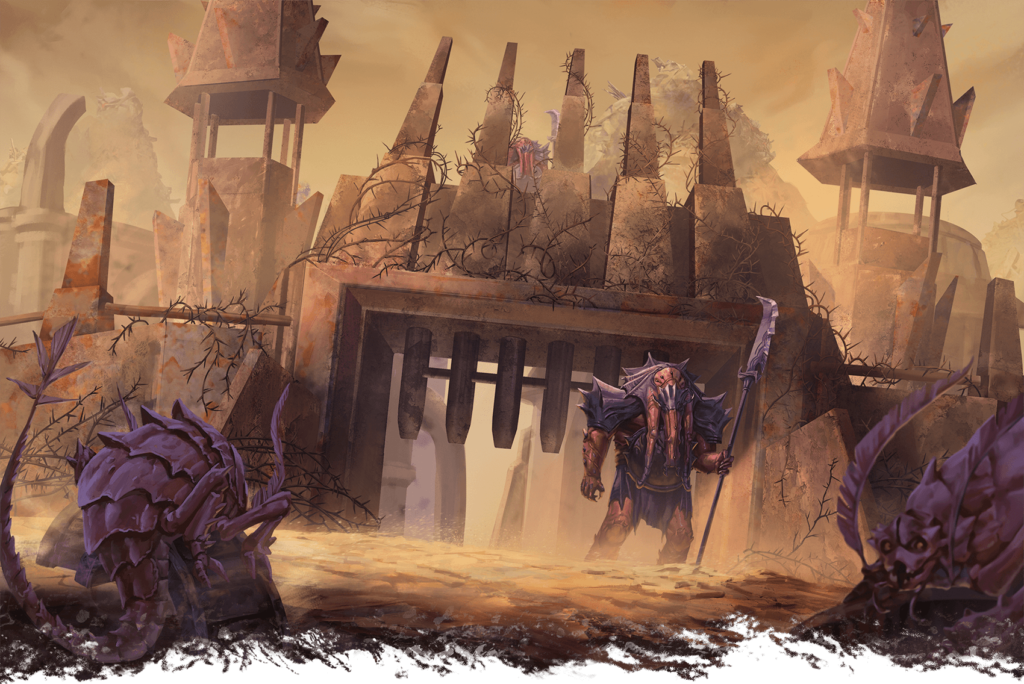
Carceri consists of massive, floating slabs of rock and metal suspended in a void of darkness and toxic mists. Each slab is an isolated prison, from crumbling fortresses to endless dungeons, labyrinthine forests, and pit-filled wastelands. Gravity is unpredictable: some slabs drift upside-down, others spin or drift through space, while paths between them are narrow, perilous, or exist only in the mind.
Time flows inconsistently. Days can stretch into decades; years may pass in the blink of an eye. Escape is rarely impossible in principle, yet the plane itself conspires to frustrate every effort. Illusions, betrayals, and the subtle manipulation of the will ensure that few ever find freedom.
Carceri’s atmosphere is oppressive. Shadows feel alive, whispers of treachery echo through the mists, and the air carries despair so potent that even the strongest-willed can falter. Survival here demands not only skill, but cunning, patience, and ruthlessness.
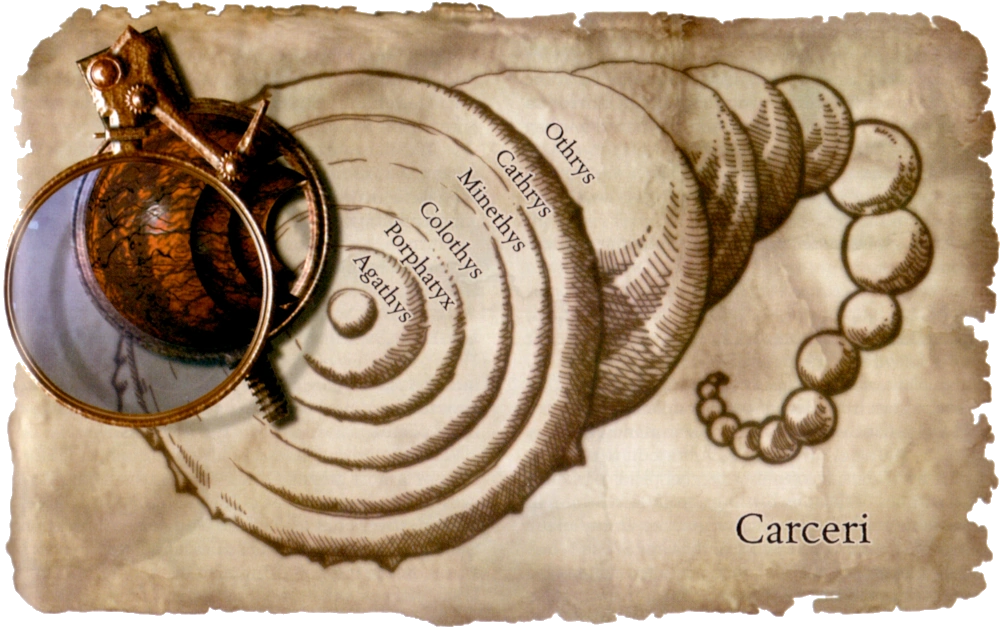
The Layers of Carceri (Tarterus)
Carceri’s primary section, Tarterus, contains six distinct layers, each with unique geography, hazards, and atmospheres:
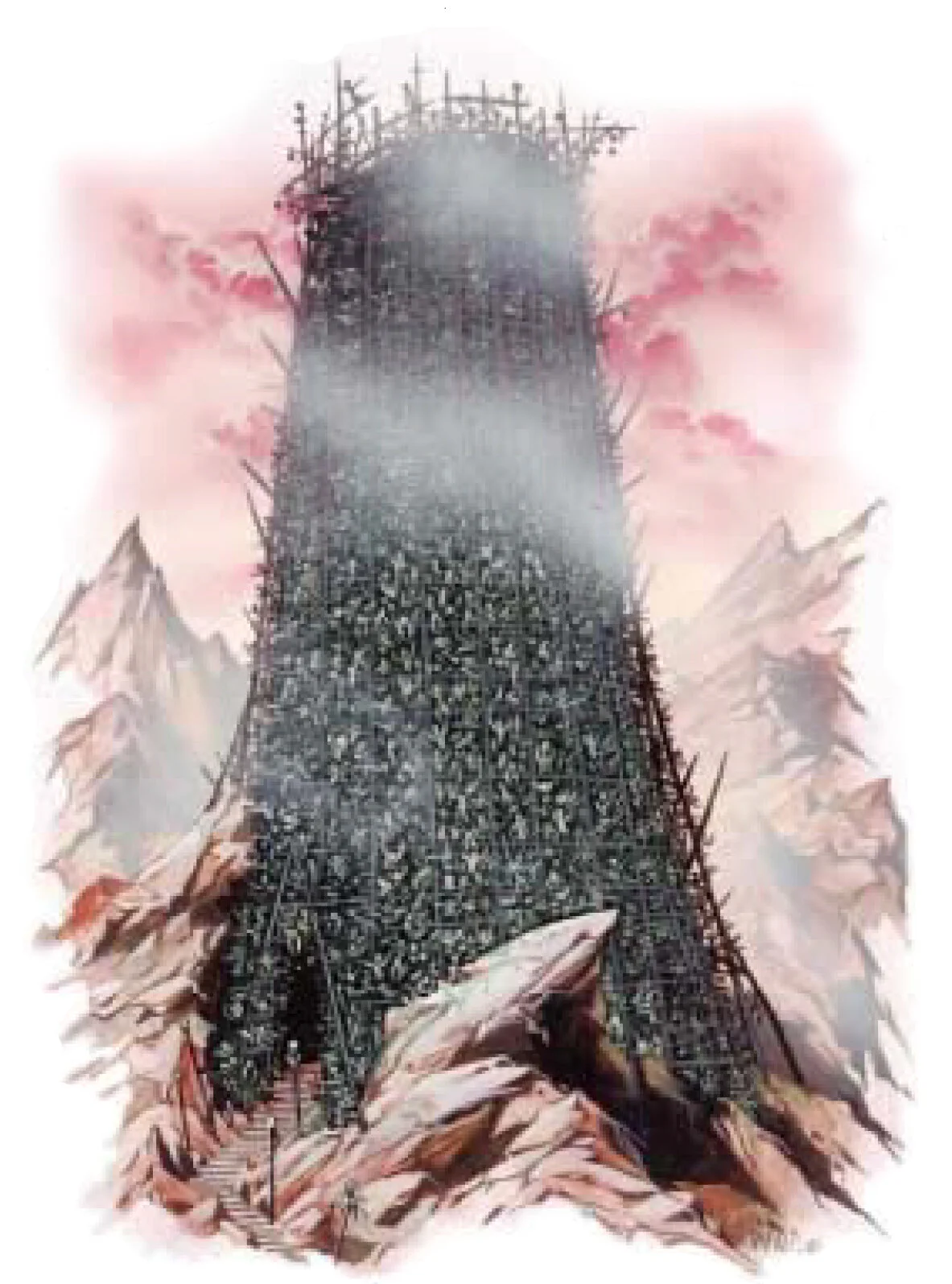
- Othrys — The first layer, named for twin mountains rising from adjacent planetoids, joined at their peaks by a massive citadel. Travelers can fly between the orbs or use the river Styx to move between them. The surface is marshy, boggy, and cut by deep chasms, with warm temperatures comparable to a hot summer day. Historically, Mount Olympus provided a portal here, but it was shattered, trapping the Titans.
- Cathrys — Smaller planetoids than Othrys, spaced about 800 km apart. The layer is overgrown with dense, deadly jungles and grasslands whose flora secretes acid capable of dissolving metal within minutes. Survival requires caution, ingenuity, and constant vigilance.
- Minethys — Planetoids smaller and farther apart (~8,000 km), separated by harsh winds carrying poisonous dust storms. The surface is mostly barren desert, with tornadoes sweeping objects — and travelers — between worlds. Environmental hazards are as deadly as its monstrous inhabitants.
- Colothys — A layer dominated by colossal mountains rising above deep chasms. Orbs are half a million miles apart, appearing as spiky red moons against the black void. Canyon walls house legions of demons and daemons, making this layer both treacherous and strategically valuable for powerful entities.
- Porphatys — Worldlets barely rising above shallow oceans, battered by black acidic rain and snow. Acid melts cloth in minutes but leaves stone and metal untouched. The layer’s orbs are separated by millions of miles and hidden by dense demonic clouds. The Ship of One Hundred, a pilotless vessel, endlessly sails these seas.
- Agathys — The sixth and smallest layer, with extreme cold and dark ice streaked with red. Planetoids are so distant that neighboring worlds are invisible. The air is harsh and difficult to breathe, and any layer beyond Agathys is buried under miles of ice. This is a layer of ultimate isolation, where even demons tread cautiously.
Travel between layers is possible but perilous, often requiring flight, magic, or divine intervention. Each layer has its own ecology of demons, fiends, and warden spirits, making it a deadly labyrinth of betrayal and confinement.
Inhabitants
Carceri is home to beings who thrive on control, fear, and manipulation:
- Imprisoned fiends — Demons, Devils, and other outsiders captured or exiled from their home planes.
- Jailer spirits — Ethereal wardens bound to enforce eternal captivity, often invisible and unstoppable by conventional means.
- Petitioners — Souls condemned by betrayal, treachery, or misfortune, trapped for eternity.
- Paranoid predators — Creatures born from despair and suspicion, stalking slabs, dungeons, and chains with relentless cunning.
Even demons here are not free. Power is gained through treachery and deception, but the plane itself ensures that all beings remain, in some form, chained to its despair.
Souls and Punishment
Mortals drawn to Carceri are often those who betrayed, murdered, or sought domination over others, though accidents of fate can also trap the innocent. Souls are rarely destroyed; instead, they are twisted into tools, prisoners, or tormentors for the whims of stronger entities.
The essence of the plane ensures that hope and despair coexist, feeding a cycle of endless conflict and manipulation. Trust is a currency in Carceri — one that is always counterfeit. Even the strongest adventurers must guard against themselves, for the mind is as vulnerable as the body.
Travel and Influence
Access to Carceri is extremely hazardous:
- Planar magic and summoning rituals are unstable, often depositing travelers in the most perilous or isolated slabs.
- Cursed artifacts and divine punishment may drag mortals unwillingly into its depths.
- Escape from Carceri requires not only power but cunning, patience, and the willingness to betray or outwit others.
Adventurers who return from Carceri often carry paranoia, mistrust, or scars that linger long after leaving the plane. Few emerge unaltered.
Role in the Multiverse
Within the Great Wheel, Carceri represents ultimate confinement and the dark consequences of treachery, betrayal, and obsession. It contrasts with the Abyss’s chaotic destruction, the Nine Hells’ structured tyranny, and even Pandemonium’s maddening winds.
Carceri serves as a warning: that freedom is fragile, trust is dangerous, and sometimes the chains that bind us are invisible. Those who study it — or survive its horrors — learn that endurance, cunning, and vigilance are as vital as strength.
Map of Carceri:
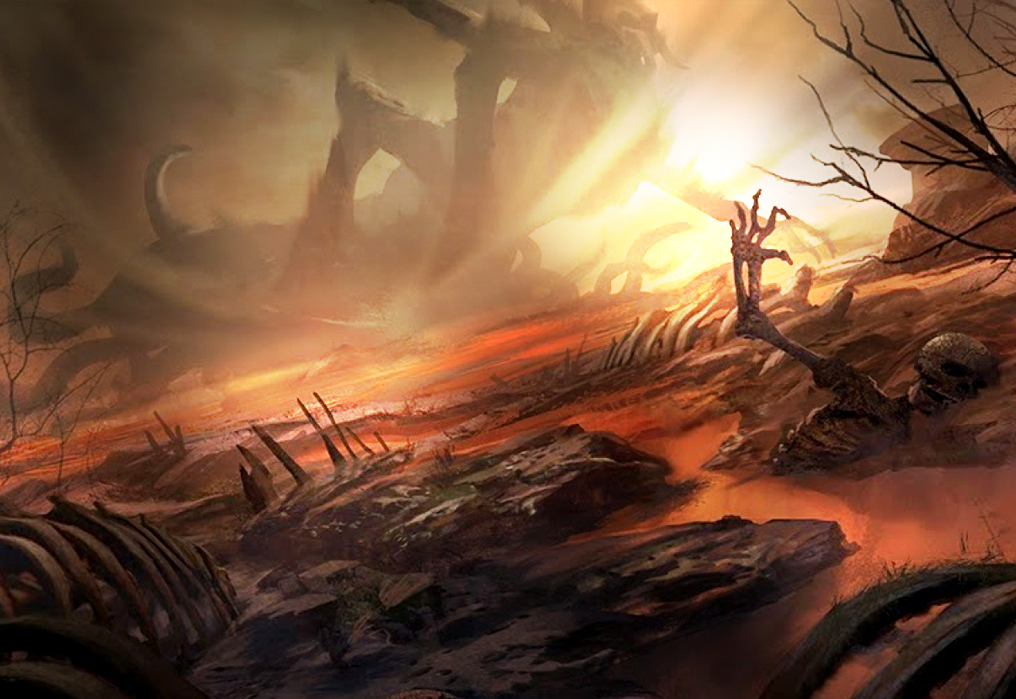
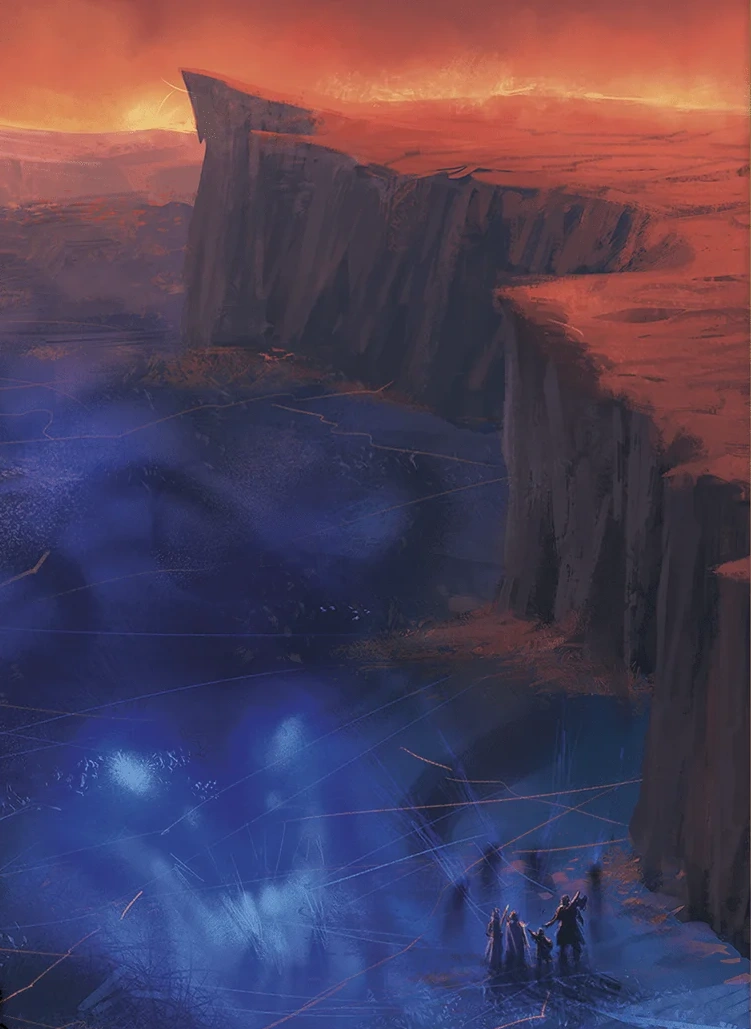
Carceri environment:

Comments