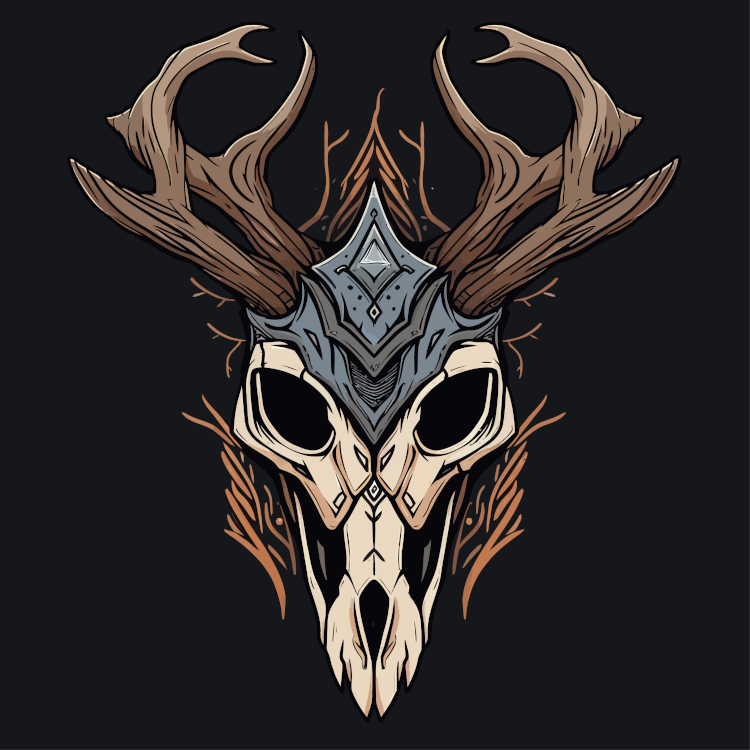
Fey
Nature spirits in corporeal form
When people in Drintera speak of the fey, they usually mean immortal beings, sometimes appearing in dreams, who couldn’t muster the power of a god and so still walk among mortals, living individual mortal lives. Some are extremely intelligent and mischievous, while others behave no differently from animals, as spirits that achieved a corporeal form. They can have their own goals and agendas, or they may originate with the need to perform a simple task eternally. The fey are powerful, magical, often disturbing, but above all, truly mysterious.
Fey beings are vessels for immense magic. While some are tied to a specific location, others roam the world looking for a purpose. The spirit that fills the well every night is a fey being, just like the infamous three-foot-tall deer that travel beside caravans and chat with the drivers on lonely roads of Niere. While many fey take a humanoid form to easily mix with society, others choose forms of animals or other anthropomorphic beings, such as humanlike creatures with the face of a boar, or satyrs, humanoids with the legs of a goat.
Sprits in Material Form
Fey individuals may look and feel alien, but they don’t come from other worlds or dimensions, despite what popular belief might say. All creatures of the fey inhabit a dwimmer (a magical aura ). Fey are only created when the dwimmer changes a nature spirit, giving them a corporeal form. No matter the kind of spirit being transformed, great magic is involved, making even the spirit of a small vine a truly magical fey. Fey possess a symbiotic relationship with the dwimmer: They see themselves shaped by it, but at the same time, their existence feeds the dwimmer. This is why fey creatures do not stray far from the magical aura, feeling a need to return to its “warmth” every so often.
Fey can be connected to plants, animals, or even whole environments. The legend of the Wild Hunt is among the best-known of fey connected to an environment: an archfey connected to the primeval forest and the predator-prey cycle that exists within it. If you hear the horn of the Hunt, it's already too late for you.
When a dwimmer begins to fade or becomes inhospitable, the fey sinks into a slumber to survive, much in the same way titans did. Many legends speak of powerful archfey resting dormant within the depths of forbidden forests.
Immortality
Being spirits of the wild, the fey cannot truly be killed. While they may be exorcised or banished, there is no way to truly destroy them; even if the body is destroyed, their spirit will remain, returning after a number of weeks or years (depending on the strengths of the dwimmer). Changing back to spirit form after taking a fey form is not possible except through the death of the body. Tales have been told of fey spirits reincarnating in other bodies, though there is not a well-studied answer as to whether they retain their memory or not.
When the fey originate from the spirit of a living thing (such as a grove of trees) and the source object dies, chaos ensues. The death of the piece of nature the fey is connected to—like a tree for a dryad, for example—causes something within the fey to die along with it. Some fey cease feeling purpose and fall into agony or depression, while others enter an unending fury, seeking someone upon whom they can inflict their all-consuming anger. Innumerable such cases have been seen, and no two are alike, apart from the heavy negative consequence of the object death upon the fey. This surrender to negative feelings can sometimes cause the fey to transform into a fiend.
Seelie and Unseelie
Tales often speak of “good” and “bad” fey. These could be those who help you when you get lost in the forest, or those who call to you for aid only to trap you within a giant shrub. If you talk to a fey, they will tell you the truth: There is no inherent good and evil, just creatures looking for fun, and other creatures who act with darker, more mysterious intent. The former, often bright fairies of summer and abundance like dryads and pixies, are categorized as the Seelie. The others, often associated with the dark faeries of winter and decay, such as hags and boggarts, are known as the Unseelie. While not at war, they share a distrust and dislike of each other, very infrequently work together, and in those cases when they do, it is for the greater good or to defeat a mutual enemy.
Legends
The power and variety of fey creatures meant they were certain to become a staple feature in Nierian legends. Some of the most popular bedtime stories from Niere involve beings that kidnap young troublemakers or children who don’t go to bed when told by their parents. Other stories tell of disappearing cattle that are found later on the roof of your house. Some tales even tell of creatures that kidnap infants and leave behind an identical duplicate to take their place. Folk in dire need may seek out a hag for help, only to fall under one of their curses.
Among these legends, however, there is one that is universal: Fey beings (except for those associated with the earth) are weak to the purity of iron. Iron is known to be the remains of an ancient powerful titan that warred against the forces of nature, making it the best material to break the link that connects the fey spirit to their body.
Relation to Mortals
The existence of fey beings is widely known, and people of most cultures stay away as much as possible from the dwimmers that create these beings. The fey seem too alien, erratic, unknown, and dangerous. Many Nierian folktales tell of fey beings enchanting people to leave them wandering lost in forests, or having them disappear in a pool of water, never to be seen again. Even so, there are many cultures, from elves to gnomes to goblins, that share a space with fey entities. Those who can adapt to the fey's behavior and dangerous magic often see great usefulness in their alliances.
Adventurers, magic initiates, druids, and scholars often seek the fey as potential tutors in the arcane, nature magic, and the manipulation of the dwimmer. Practitioners of great magic have learned much from the fey—at least those who have not been tricked into giving them their name. Fey creatures can be as dangerous as they are mysterious and powerful, especially to those who dare to share a conversation without studying the risks first. The real danger of the fey lies within their skill with words and verbal contracts.
Rules Integration
Fey is a creature type in both Tales of the Valiant and Pathfinder. Any creature that's classified as fey needs no modification for use in Drintera. Some creatures, such as treants, can be reclassified as fey if you wish and given immunities and vulnerabilities borrowed from other fey creatures. You can also create fey beasts by taking the stat block of any animal and adding some fey attributes and perhaps a few spell-like abilities.