
Chapter 9: Magic in Etharis
Chapter 9: Magic in Etharis
In Etharis, “magic” is a catch-all term for a power outside of mortal ability, a means of altering reality altogether. In truth, there are three separate forms of magic, each with their own mystical sources: arcane, divine, and primal.
Magic in the Grim Hollow setting is relatively safe for those who have the proper training and good sense to use it wisely. However, even the most careful practitioner of magic risks falling victim to its corrupting and unpredictable powers. Casting spells, being the target of benevolent magic, or using magic-infused items might be safe for decades, until one small miscalculation or unfortunate coincidence unleashes terrible consequences.
Magical transformations, vile curses, or supernatural attention are within the realm of possible outcomes from prolonged magic use. Then there’s the superstitious folks and devoted inquisitors—for whom the very wielding is at best a reason to be wary, and at worst an unforgivable sin.
The power of magic, however, is an irresistible temptation. When one has little to lose, great risks become the only viable option. And that’s when the unthinkable might happen.
Ulmyr’s Gate, the Gods, there are so many ways it can go wrong—and that many more that it can go very right.
—Hedgemage’s Manifesto
Arcane Magic
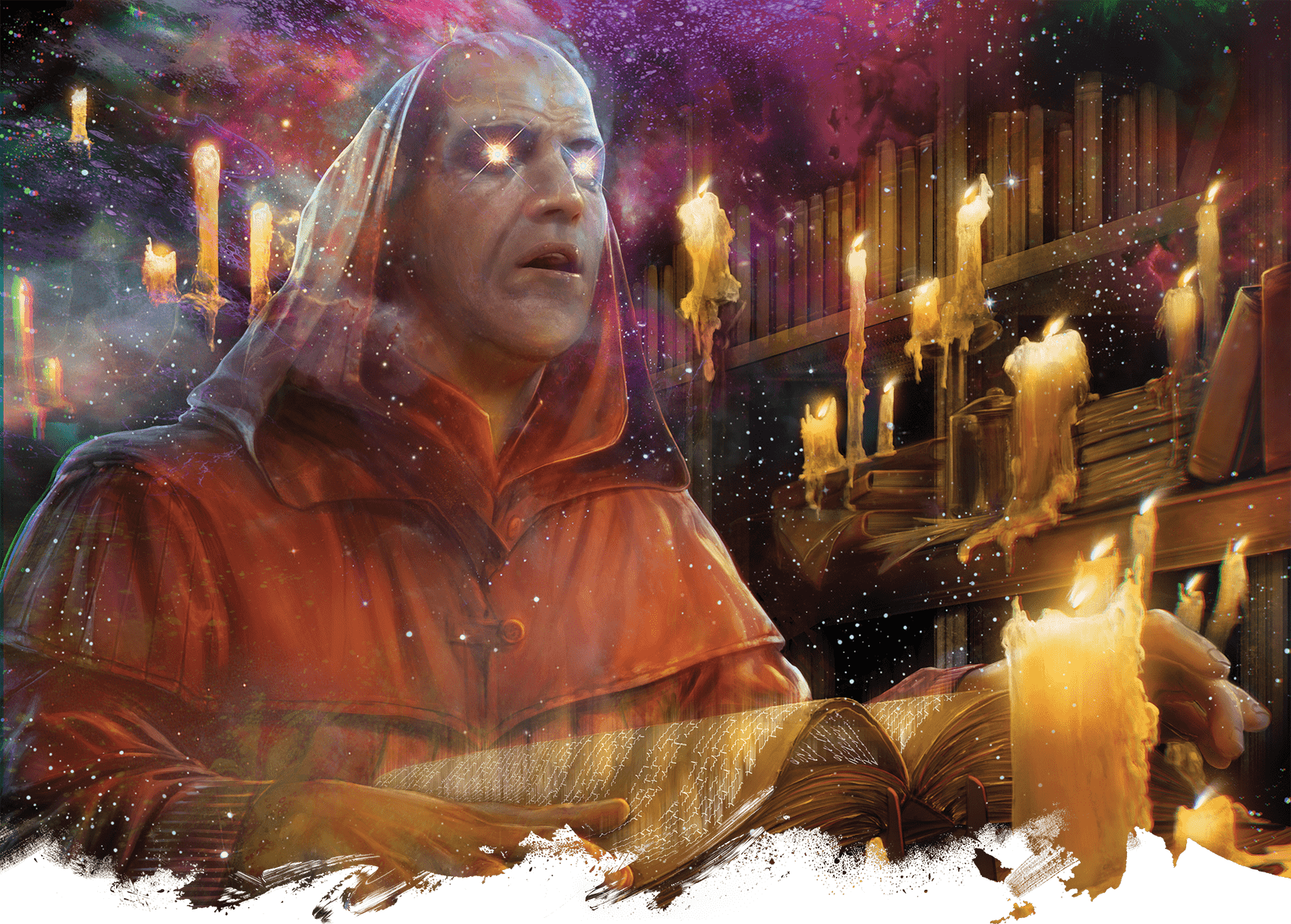
The archmage pours over a tome in his school. The itinerate wizard travels the world on a quest for ancient knowledge. The resolute sorcerer, haunted with power, turns the fire that burns inside them upon a snarling monster. Each of these rely on a latent force that exists throughout Etharis. Commoners call it magic. Those who can wield it call it the arcane. Despite the innumerable books written on the subject, the source of this power is not well understood.
The greatest authority in Etharis on arcane magic was a man named Raakan el-Adakar. An archmage who lived during the early Age of Expansion, Raakan built an impressive library on the nature and source of magic. Much of the modern literature concerning the arcane is rooted in Raakan’s research.
He determined that arcane magic emanates from a dimension parallel to the Material Plane, a place suffused with energy that can alter reality. He named this plane “Numena” and the energy itself “numen.” Magic, according to Raakan, involves using numen to give physical shape and form to the magician’s will.
Commoners with the right gifts or knowledge can touch, or according to Raakan, “speak to” the realm Numena to elicit a response. The language used to communicate might require a spoken phrase, a complex gesture, or a particular object. These combinations of verbal, somatic, and material components are called “spells.” When mages cast spells, they weaken the border separating Numena from the Material Plane in order to draw and shape numen into a magical effect as woven by the spell.
Wizards learn the language of spells through study and years of careful practice. Learning to speak to the arcane is immensely difficult, so that even the most powerful wizards must utilize a spellcasting focus and a spellbook. Spells more complicated than cantrips require persistent study from the pages of a spellbook to ensure the components of the spell are performed accurately each day.
Those capable of casting spells without study or memorization are called sorcerers. For these casters, touching Numena is like flexing a muscle. For others, called warlocks, it’s as if the knowledge or arcane spells is whispered into their minds from an unknown entity beyond the Material Plane.
Several theories have been put forth on what Numena actually is. One states that Numena is a word encompassing any realm other than the Material Plane. This hypothesis attempts to reconcile perceived differences between arcane, divine, and primal magic, arguing the process of casting a spell is the same for each, except for where the numen originates.
Other scholars believe Numena isn’t a realm at all. Some suggest it’s an invisible force not dissimilar to gravity, but which is imperceptible to all besides mages. Another theory infers that Numena is itself a living entity attempting to shape our dimension to match its own. This premise, though terrifying, explains why spells are so difficult to keep in mind: knowledge of their components slips from the mind like oily aberrations.
Societal Mistrust
Sadly, Raakan el-Adakar did not live to complete his research. His own thesis was that Numena was a traversable realm, and for his final magical experiment he opened a portal to some magical plane. When Raakan returned some years later from whichever realm he’d visited, be it Numena or some other distant reality, he was unintelligible. He spent his final days confined in Cold Iron Keep under the watchful eye of guards, who claimed to suffer bizarre visions and disturbing ailments until the day Raakan perished.
Society has always had a divided and suspicious view of arcane magic. Though its power is unrivalled, its mystery, unpredictability, and undeniable dangers make it feared and hated by those who cannot wield it. To rulers, magic represents a threat to their authority. To commoners, mages are a mutual enemy who can be blamed for all the world’s unexplained troubles.
There is certainly merit in fearing the arcane. Raakan el-Adakar’s fate is one among countless cautionary tales. Casting spells is fundamentally the practice of trying to speak a language nobody truly understands, and the unintended results of experimentation have been devastating, such as when countless souls were lost in the instant the mages of Ulmyr’s Gate upended their city into the Ethereal Plane.
Even among arcane scholars there are fears that magic permanently thins the veil between the Material Plane and Numena. Each spell cast is like picking at the threads of a tapestry until holes begin to form. If true, what horrors could have wriggled through? This anxiety is the basis of a theory that spellcasters are to blame for the advent of the Great Beast. Though entirely unproven, such a rumor has made those who wield magic even further detested by society.
Characters capable of wielding magic should be wary of when and where they choose to demonstrate their talents. Even friendly acquaintances may turn fearful or even hostile when confronted with the arcane. To a mage, the misunderstandings of the uneducated can be as dangerous as any magic.
A mortician willing to help a murder investigation might flee in terror upon witnessing a wizard speak with the dead. A bard’s audience could quickly turn into an angry mob if they believe they’ve been enchanted by a bardic spell.
A wise mage’s greatest asset is caution. Rumors of their magic could easily reach the ears of a truly dangerous foe, such as an agent of the Arcanist Inquisition. However, cultures across Etharis do treat their spellcasters with differing attitudes. In some corners of the continent a mage may yet find sanctuary.
Regional Attitudes
In the Bürach Empire, magic is considered a means to project power, instill obedience, gather information, and maintain order. For these reasons, magic is highly valued, yet mages themselves are heavily regulated and their freedom restricted.
Those who cannot cast magic fear it. Therefore, strict laws govern the lives of mages across the empire. Licenses are given to mages who graduate their college, which stipulates not only which spells they’re permitted to cast but also under what circumstances. Sorcerers and warlocks who operate outside official sanctions are outlaws and may become hunted if they’re feared to be dangerous.
With the coming of the Great Beast, magic is now treated with even greater suspicion, as some have come to suspect that the entity was the result of an arcane experiment gone horribly wrong. The Hearthkeepers have not denied this notion, as it deflects their own culpability on the matter.
The Ostoyan view of magic is more varied. In the provinces still under the sway of the Crimson Court, the lower classes, still incapable of understanding the arcane, fear magic. They stay clear of magic and its practitioners to avoid inciting the jealousy and ire of the nobility.
The Crimson Court makes it clear to all its subjects that the use of magic is theirs by right; anyone who uses magic must either become a servant of the Crimson Court or be labeled as a threat and destroyed. Thus, one most often finds Ostoyan mages in the Crimson Court’s employ taking part in wars against the rebellious province of Raevo and the Bürach Empire.
In the province of Raevo, magic is by and large an accepted part of daily life. The workshops and markets of Castalore host wizards leading around magical constructs or trading occult objects among themselves. All this is done under the watchful eye of the Ravencourt Sanctuary. Magic is valued to maintain sovereignty against the power of the Crimson Court and the forces of the Bürach Empire, as well as to repel raids from the marauding clans of Valika.
In the Charneault Kingdom, the elves treat magic as an integral part of their lives. They hold skilled mages in high esteem, even as they tread cautiously around the cost of seeking greater magical power. While elven magecraft has achieved great magical benefits for its people, the price for missteps is often paid by the entirety of the kingdom, as is the case with the dark mist.
In the human-controlled lands of Charneault, attitudes vary greatly. Mages are treated with respect in more learned circles, but among Knight Chapters they are met with suspicion, and in the case of the Severe Templars, outright hostility. These human-centric forces hold elven magic accountable for the suffering endured by the populace, leading them to forego most arcane abilities in favor of strength in arms and divine fervor.
It’s worth noting the Castinellan Provinces’ stance toward magic: deplorably, the theocracy is hostile to all forms of arcane or primal magic. It is the will of Empyreus, they claim, that their people wage a righteous war against all magic users and those who harbor them.
To undertake this task, the Arcanist Inquisition has assembled a host of knights and common soldiers under the command of clerics and paladins. Backed by the power of belief in the inherent corruptive nature of arcane magic, they call on divine magic to locate mages and neutralize them.
As such, magic-using arcanists must be careful when entering and traveling with the Castinellan Provinces, lest they be arrested, imprisoned, and very likely put to death by the Arcanist Inquisition. Mages cannot expect sympathy from the common folk, as most peasants hold all magic as witchcraft and devilry, the power of demons brought to Etharis.
The Castinellans have yet to move against nations that employ magic, such as the Bürach Empire and the Charneault Kingdom. But should the theocracy grow more powerful, a “righteous war” would certainly be in the cards. It would only take one international incident of arcane treachery—real, imagined, or staged—to incite a holy war between Castinella and a neighboring nation.
Colleges of Magic
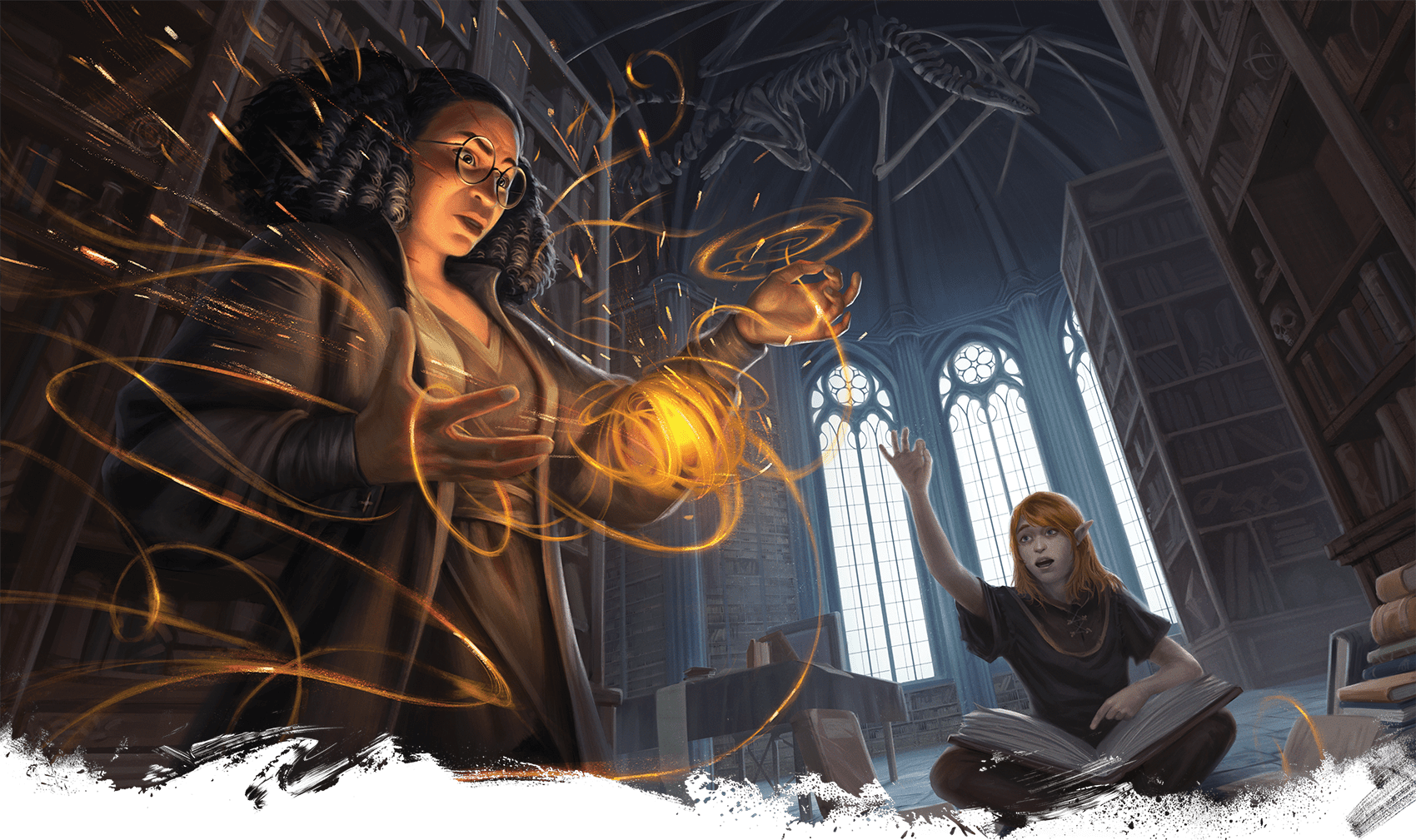
A force as potentially dangerous as magic has the ability to kill the powerful, alter the destiny of nations, and even destroy worlds. With that ever-present danger in mind, authorities across the nations of Etharis attempt to keep magic regulated to some degree.
One method of regulation is to control the teaching of magic via colleges, schools, universities, or other institutions of learning. In addition to memorizing spells and arcane theory, pupils are taught to respect the social hierarchy their nation places a mage within.
The most prevalent and relevant of the arcane colleges are listed here.
Erlefurt Colleges
Western Nordenland is the center for arcane learning in the Bürach Empire. The leaders of the nation wish to make their capital city, Erlefurt, the preeminent locale for magic users and other arcanists in Etharis. They have a saying: “Keep your friends close, your enemies closer, and the wizards safely under your thumb.”
The capital city of Erlefurt has the highest number of magical colleges anywhere in the continent, with the Magister College being the oldest and most venerable of all. There is a healthy, and sometimes unhealthy, competition between the various colleges to recruit and retain the most promising students and the most powerful and revered instructors.
It’s difficult for an aspiring mage to enter any of the Erlefurt Colleges, but the Magister College proves itself to be exceptionally stringent. The Magister chooses only the best among its applicants—not merely those with high magical aptitude, but also those most likely to bring greater honor to the school.
The Erlefurt Colleges see magic as a force that must be harnessed with wisdom, the kind that only those trained in the way of the Erlefurt Mages possess. As such, all students must swear to follow a set of rigid laws, listed in a tome called the Magician’s Codex.
The primary laws in the Codex include the following:
- Only mages who pass their final tests of the Erlefurt Colleges can carry the title of Erlefurt Mage.
- An Erlefurt Mage shall defend their College against all who would despoil them or steal their secrets.
- Only the Erlefurt Colleges may train a student. All students must be registered and approved by the Colleges.
- All magical experiments must be registered and approved by the Colleges.
Any Erlefurt wizard who breaks these codes is hunted down by the Enforcers, a group of elite abjurers highly adept at subduing one of their own. Once captured, offenders are taken to the Magician’s Court and judged by the Grand Mage. If found guilty, transgressors may be magically imprisoned or even executed.
As for other arcane institutions who don’t subscribe to these tenets, they are treated with contempt and even outright hostility. On the rare occasion that a mage trained at another college is deemed worthy to grace the halls of an Erlefurt college, they are watched carefully and forced to swear to the Magician’s Codex.
As there are no formal magical colleges in the Grarjord or other parts of Valika, members of the Valikan Clans send promising students to Erlefurt for tutelage. Valikan students are considered oddities by their Bürach peers, even more so than students hailing from other nations of Etharis.
Ravencourt Sanctuary
East of Raevo’s shores, hidden among the mists of its enchanted isle, the Ravencourt Sanctuary trains its mages in its own academy. Unlike its rival the Magister College, the Sanctuary believes that magic may only grow through freedom. Thus, the Ravencourt Sanctuary has few laws to guide the actions of its mages. Their primary rule is that the mages must keep all the secrets of the Sanctuary safe. Apart from that, a mage who successfully graduates from the Sanctuary is free to do what they will and teach whomever they want.
Despite their seeming lack of laws, the punishment for breaking the Sanctuary’s primary rule is both harsh and unequivocal. Before they leave the Sanctuary, a Ravencourt mage swears a vow to protect their academy’s secrets. They write their name on a page of an enchanted book, finishing their signature with a drop of their own blood. This creates a highly potent curse: if the graduate should break the vow, the page tears itself from the book and burns. The mage consequently dies an unspeakable death.
Mages from Erlefurt view those trained at the Ravencourt Sanctuary as dangerous occultists. Though their talents are undeniable, the apparent freedom with which Ravencourt magicians wield their magic marks them as a threat to the cautious spellcasters of Erlefurt. The secrecy of the Sanctuary also incites rumors of daemonology and pact-making within its walls.
The two colleges are technically at war. Mages from either side have standing orders to annihilate each other on sight, though this is rarely practiced. If the current stalemate between Bürach and Ostoya were nudged once more into war, perhaps members of the two mage schools could be propelled into open conflict.
Sarmar Academy
Having lived for thousands of years as a people, the elves are no beginners when it comes to magic. In their capital of Tol Leyemil, they have established their own college for wizards: Sarmar Academy, famous for its bards, mystics, and druids.
The Sarmar mages teach that magic is learned and controlled through careful observation. By watching and listening to the natural world, the elves believe the Spirits of Nature whisper the language of spells to those with the aptitude to listen. The school teaches their students to pay close attention to detail and focus on what they can sense. Before a single cantrip is cast, pupils spend months learning meditation, observation, and introspection. This emphasis on patience makes teaching slow. Magical education at Sarmar can last decades. For elves, of course, that’s the blink of an eye—not so for the shorter-lived species.
Being an entirely elven city that forbids non-elves from entering, only elves may enroll in Sarmar Academy. The exception is Aemanyir House, a branch of the Academy located outside the city limits. This program was launched by an elven mage named Alren Corynthios as an experiment in teaching the elven way of magic to non-elves. Most of the Sarmar academics consider this a waste of time, but Alren’s persistence and connections with the elven nobility have kept the program going for many years, if just barely.
One area of contention within the Sarmar Academy is its loyalties. The tension between the human rulers of Charneault and the elven leaders of Tol Leyemil makes humans wary of how Sarmar’s mages would be used if the elves ever decided to push the question of independence. The presence of Aemanyir House is a slight reassurance to the humans that not all of Sarmar’s mages would join a secession movement.
Renegade Colleges
There are several unsanctioned or unrecognized colleges in Etharis that claim to teach magic. As they tend to produce subpar mages (according to sanctioned magical schools), they’re looked upon with scorn. They’re commonly viewed as potential sources of magical mishaps, as without proper guidance, these mages may cause irreparable harm to the reputation of all mages—or worse, bring about a magical catastrophe.
The Erlefurt Mages have made it their protocol to capture any so-called renegade wizards and bring them to Erlefurt for processing and possible reeducation. Those who refuse this polite entreaty are viewed as enemy combatants and dealt with harshly.
Castinella, with its omnipresent Arcanist Inquisition, has no official arcane college. Underground education centers in the land secretly provide instruction to arcane-sensitive individuals, hoping to help them control and harness their powers before they are noticed by the Inquisitors. While this form of magical education would be considered basic and remedial by the standards of formal colleges, it is no less important to those trying to control their magical abilities within a hostile nation.
Magical training in Valika is handled in a much different manner. Clan Rune treats arcane magic much like any other skill: masters take on apprentices who learn the basics of the craft as well as the moral and social imperatives of using numen. After completing their apprenticeship, young Valikan mages are free to travel to other settlements in Valika to practice. Once they have gained the full experience of a life practicing magic, they might become a master and take on apprentices of their own.
Bardic training in Valika teaches practitioners a different type of arcane magic, with additional instruction in performance, history, mythology, poetics, and more. This training ranges from individual instruction to small schools with a master skald teaching students the skills necessary to act as a bard or skald.
I’ve heard tell of a priest in Castinella who trained with us long ago. He spends his days teaching gifted youths to hide their talents—a comforting thought if ever there was one.
—High Speaker of the Ravencourt Sanctuary
Divine Magic
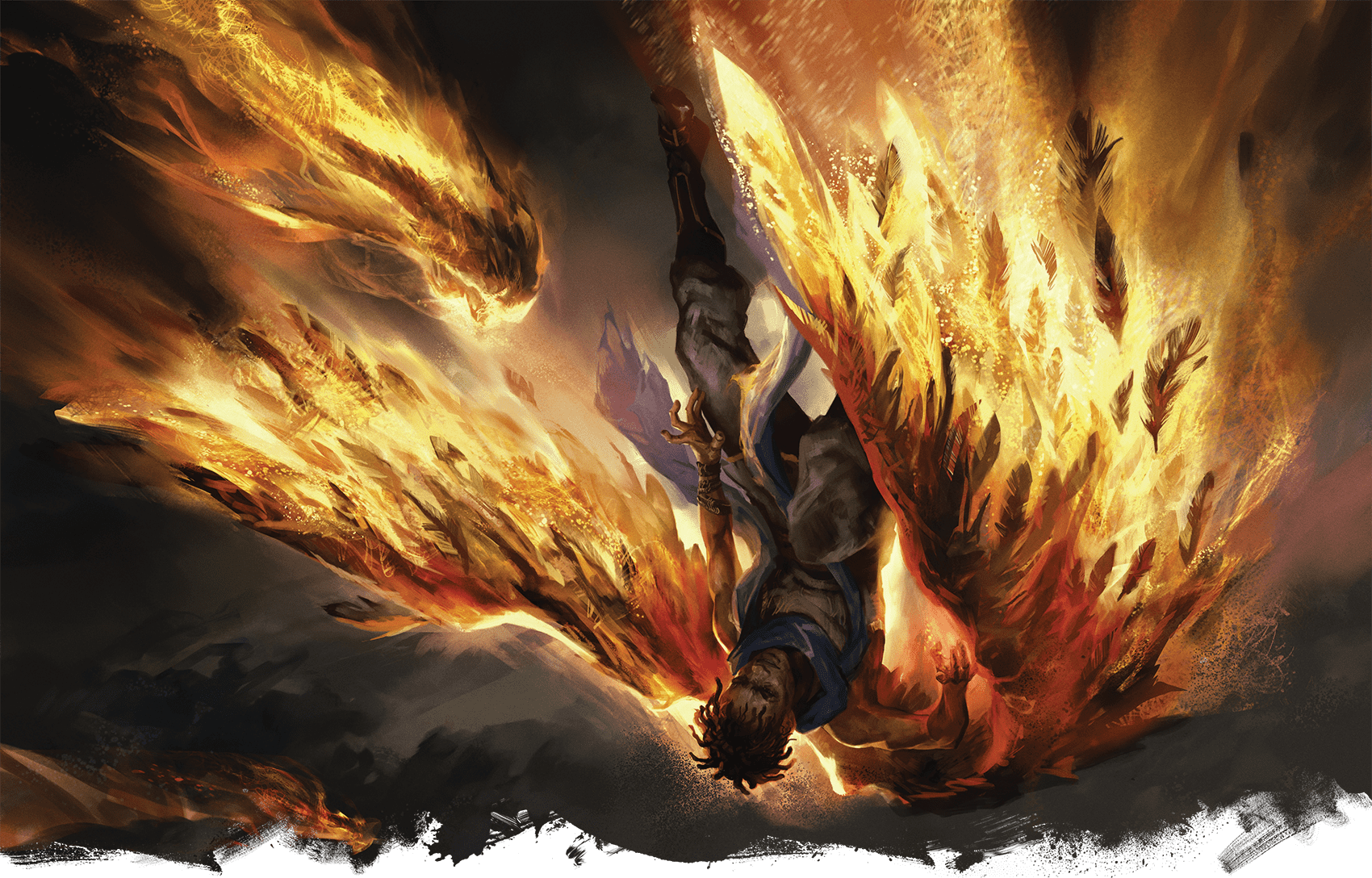
Divine magic may seem contingent on the presence of gods, deities, Arch Seraphs, and Arch Daemons, but it is much more nuanced and complex. Divine spellcasters believe their deity sanctions them to draw from the power of the heavens—gifted magic in answer to prayers. Others believe a deity is not necessary to perform miracles, that faith is not so transactional, and that divinity itself chooses the virtuous in times when divine magic is in great need.
Less theological literature suggests a darker truth: a cleric’s prayers are no different from a wizard’s incantations. Divine spells commune with otherworldly energy and shape it to the caster’s will, exactly as arcane magic weaves numen—perhaps the two sources of power are one and the same. Religious orders like the Hearthkeepers decry such theory as blasphemy. Of course, if it were true, by what right would the church limit the magic of others whilst celebrating their own spellcasters as prophets?
Yet as obscure as theology can be, evidence of the divine in Etharis exists. The downcast still remember the heavens as a glorious dream. The Gods’ End itself undeniably diminished the light of divine magic across the continent, eradicating the population of divine mages until only a scattered few remained.
Of course, no one who records history witnessed the gods rise or fall—if there were ever gods at all. The cosmology and mythology presented here is just one that can be heard preached in the chapels, churches, and holy places of Etharis. What is seen as gospel in one area could be heretical if preached elsewhere.
But while mortal minds can accept their own lives are fleeting and small, the need to believe in a greater story that gives purpose to existence fills the gaps in knowledge with faith.
The Aetheric War and Gods’ End
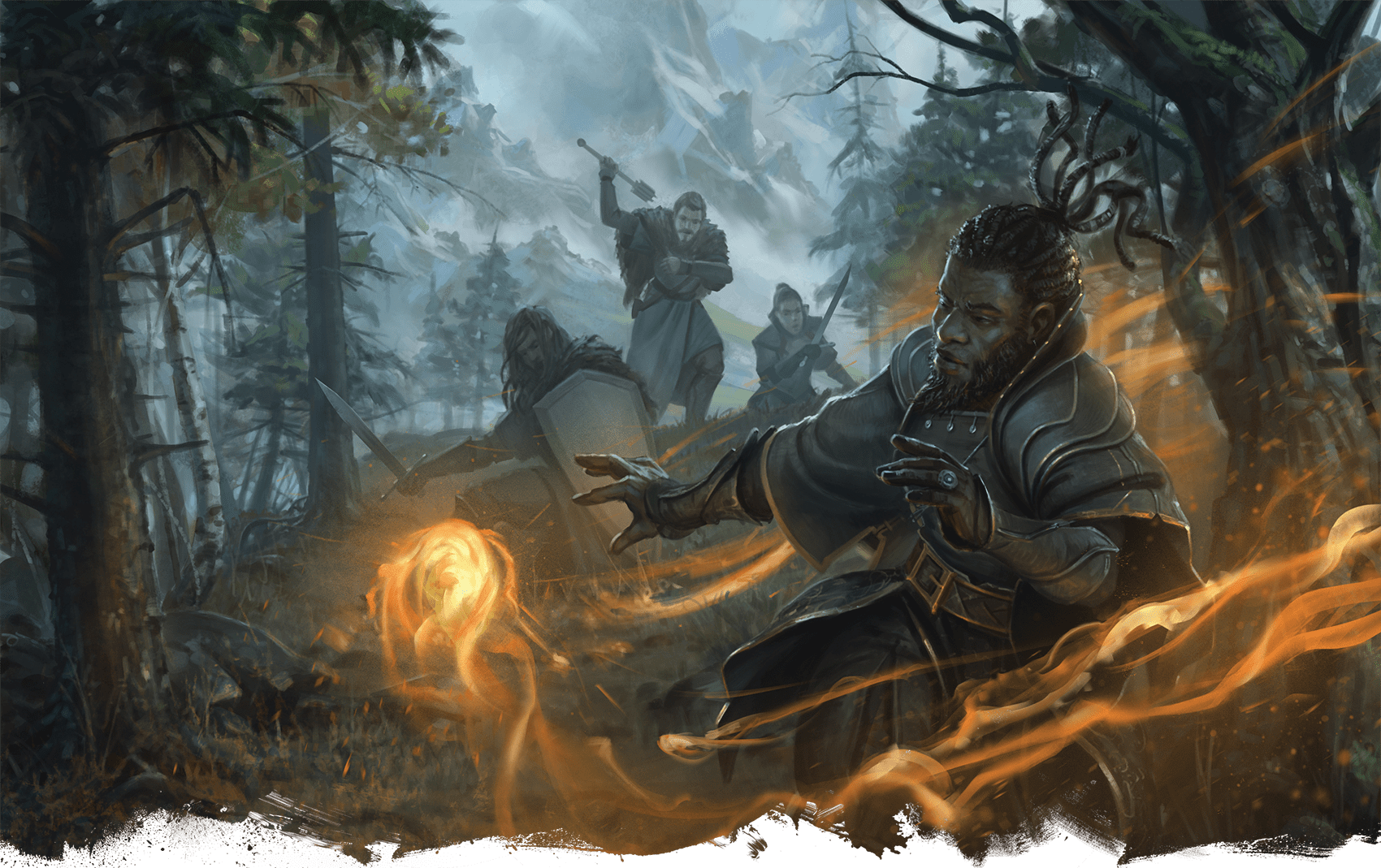
The gods came into being at the start of the Era of Antiquity. They opened their powerful eyes to behold a universe of wonder and chaos, and they were enamored. They wanted to shape it into something that resembled them. But to do that, they needed to impose order.
The gods banded together to form a pantheon. They shaped the firmament and the seas, then the land and all the creatures that followed. They named the land Etharis and created the people to populate it and beasts to roam it.
As these newborn mortals turned their minds to their creators, the gods found an endless font of believers. Their worship lifted the gods to greater heights, securing their ability to turn the wheel of the universe.
The Aetheric War
The gods were not alone. At the fringes of their ordered realm lurked the Aether Kindred—incomprehensible beings of pure chaos who predated the gods themselves. The Kindred gnawed at the edges of reality. Occasionally the gods would find a piece of creation in disarray—a star gone missing, an ocean dried up, an entire city disappearing into a void of nothingness. Even the gods, in all their power and insight, could not fathom these discrepancies.
That’s because the Aether Kindred had no intent. No desires. They were an active threat to the gods’ power by their mere presence, and the gods feared that one day all they had built would be stripped away. They had to strike now, while they still had the faith of their followers and stood at the height of their power. Thus, the gods banded together as a host and attacked the Kindred. This became known as the Aetheric War.
Scriptures differ on what happened to the gods who participated in the war. Some theologians say it was a slaughter. Others believe the gods were consumed by the eldritch horrors they tried to defeat. Others state that some gods retreated from this plane to someplace the Kindred could not reach them. While nothing is certain about what happened to the gods thereafter, it is clear they were utterly defeated.
Of the great pantheon, only the four youngest survived: Galt the Builder, Maligant Warclad, Ulmyr the Wise, and Aurelia of the Hearth. Perhaps out of caution or fear, they held back from joining the other gods in the Aetheric War. Thus, they were the only ones left to pick up the pieces, becoming responsible for the fostering of Etharis’ future.
The Gods’ End
As the surviving gods left to guide the mortals of Etharis, the Four Divines decided to band together. Their idea was to create an ideal empire, the “one above all” to act as a shining beacon for all mortals to emulate. This idea became the Bürach Empire.
Its first emperor, Indorius I, would be graced with the power to become a guiding light for all the nations of Etharis. To this end, the Four Divines gifted him with four holy artifacts that would enable him to rule wisely and protect his empire.
For a time, all was good. Unfortunately, this method of salvation carried the seeds of its own destruction. The Bürach Empire so loved their emperor that they decided to keep his bloodline eternally pure. The Church of the Hearthkeepers imposed the Edict of Eternal Blood, mandating that only those of the line of Indorius I may ascend to the throne. With that, they encouraged his descendants to intermarry, weakening their blood.
The wretched outcome of this practice finally manifested in the Mad Emperor, Leopold I. When he ascended to his legacy and touched the divine artifacts, his mind and soul were instantly connected with the Four Divines—and it drove them all to madness. Galt, Maligant, Ulmyr, and Aurelia warred among themselves, each vying to reign as the One True God of the universe. This culminated in the Gods’ End, when these last remaining deities destroyed one another.
Etharis carries on as a godless world. While divine magic remains, it is but a shadow of its former glory.
Arch Seraphs and Arch Daemons
In the absence of the gods, Arch Seraphs and Arch Daemons took up their mantle. While these beings are lesser divinities, they inherited part of their patron deity’s power, making them the perceived source of divine magic in Etharis.
The Arch Seraphs are worshipped for the virtues they embody. Arch Daemons personify apparent vices or evil tendencies. In truth, these celestial beings view themselves as unbiased aspects of the human spirit.
Empyreus
Arch Seraph of Valor
The Arch Seraph of Valor is the former servant of the war god Maligant. A favorite of holy warriors, he is the patron of courage and strength, as well as all who seek to wage a righteous war. Due to his uncompromising nature, Empyreus’s followers tend to become zealots in the pursuit of righteousness. Empyreus is traditionally opposed by the Lord of Fear, Beleth. Of late, however, Beleth seems to have gotten the better of him, as some of Empyreus’s followers have begun using terror to enforce their beliefs.
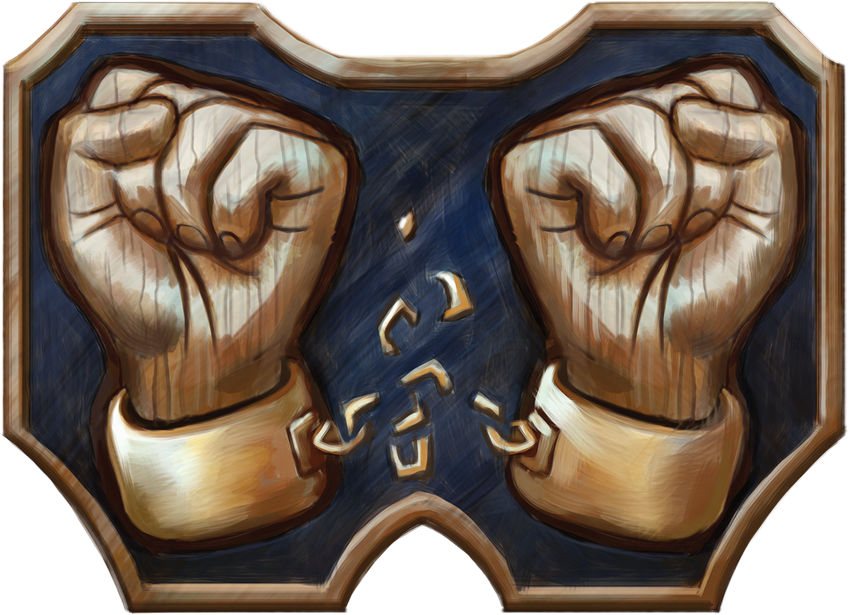
Crusaders, war clerics, and inquisitors are among those who wear Empyreus’s sigils on their armor and shields. Tacticians and champions outside the clergy may also look to Empyreus’s example for strength and courage.
Zabriel
Arch Seraph of Truth
The Arch Seraph of Truth was once the librarian of the goddess Typharia. Zabriel abandoned her mistress’s neutral stance and instead sought to bring an end to the lies that support tyrants and oppressors. She is loved by scholars and truth seekers. She is opposed directly by Venin, the Great Deceiver.
Clerics who spread light and knowledge may choose Zabriel as their patron. Her worshippers’ commitment to uncompromising truth makes them excellent inquisitors, and natural enemies of spies and illusionists.
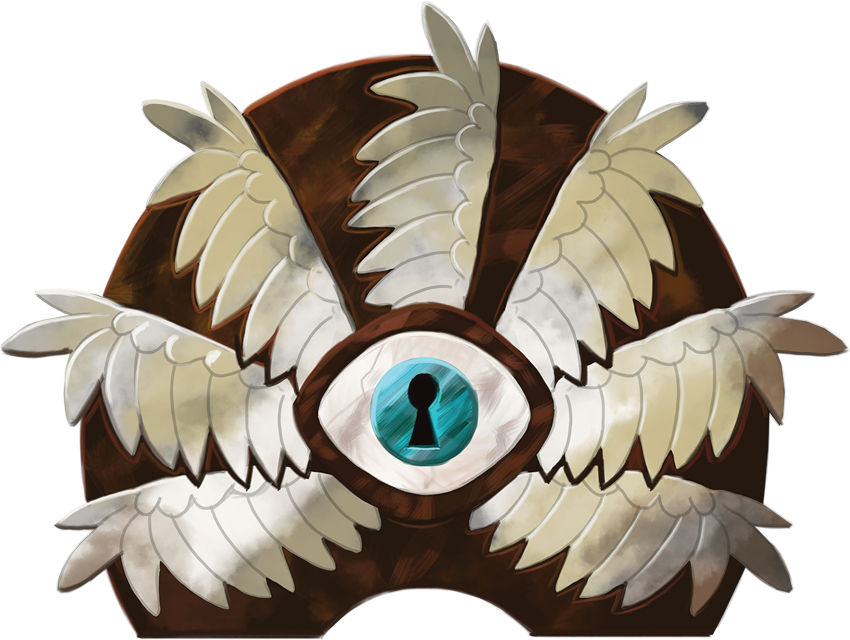
Woe then that one war begets another. A clash of wings, leathery and feathered,
over virtues wholly our own.
—The Seraphs’ War: a History of Etharis
Aphaeleon
Arch Seraph of Temperance
Aphaeleon holds sway over the domains of peace and spirituality. Once a servant of Myria, Goddess of Joy, he has since decided there is little joy to be found in Etharis, and has taken to becoming the patron of those who seek spiritual balance. Those who follow Aphaeleon’s ways find freedom from addictions and worldly desires. He is opposed by the Arch Daemon of Hedonism, Sitri.
A patron of monks, peacemakers, and spiritual healers, Aphaeleon is honored by those who seek conciliation and enlightenment.

Solyma
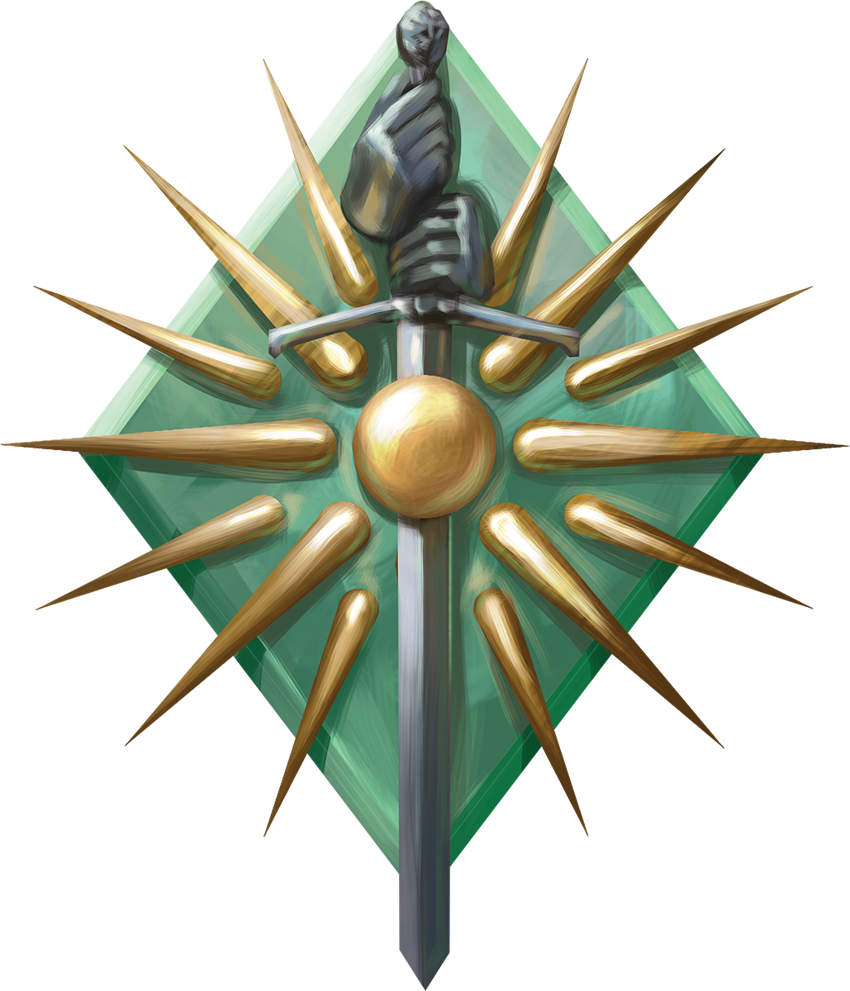
Arch Seraph of Justice
A truly ancient Arch Seraph, Solyma has remained faithful to the ways of her former master and seeks to destroy the Aether Kindred who killed him. To that purpose, she has undertaken a vow of silence. She will not speak until all cosmic horrors are defeated. Her faithful abhor aberrations and are enemies of corruption in all its guises. Solyma’s followers often foil the schemes of Gorodyn, the Arch Daemon of Avarice.
While she is known as the Great Judge, Solyma has gained another epitaph from her worshippers in Ostoya: Lady Vengeance. The bloodiest family vendettas have been waged in her name.
Solyma is the patron of judges, honorable vigilantes, and hunters of eldritch abominations. Her paladins often devote themselves to vengeance and zeal.
Morael
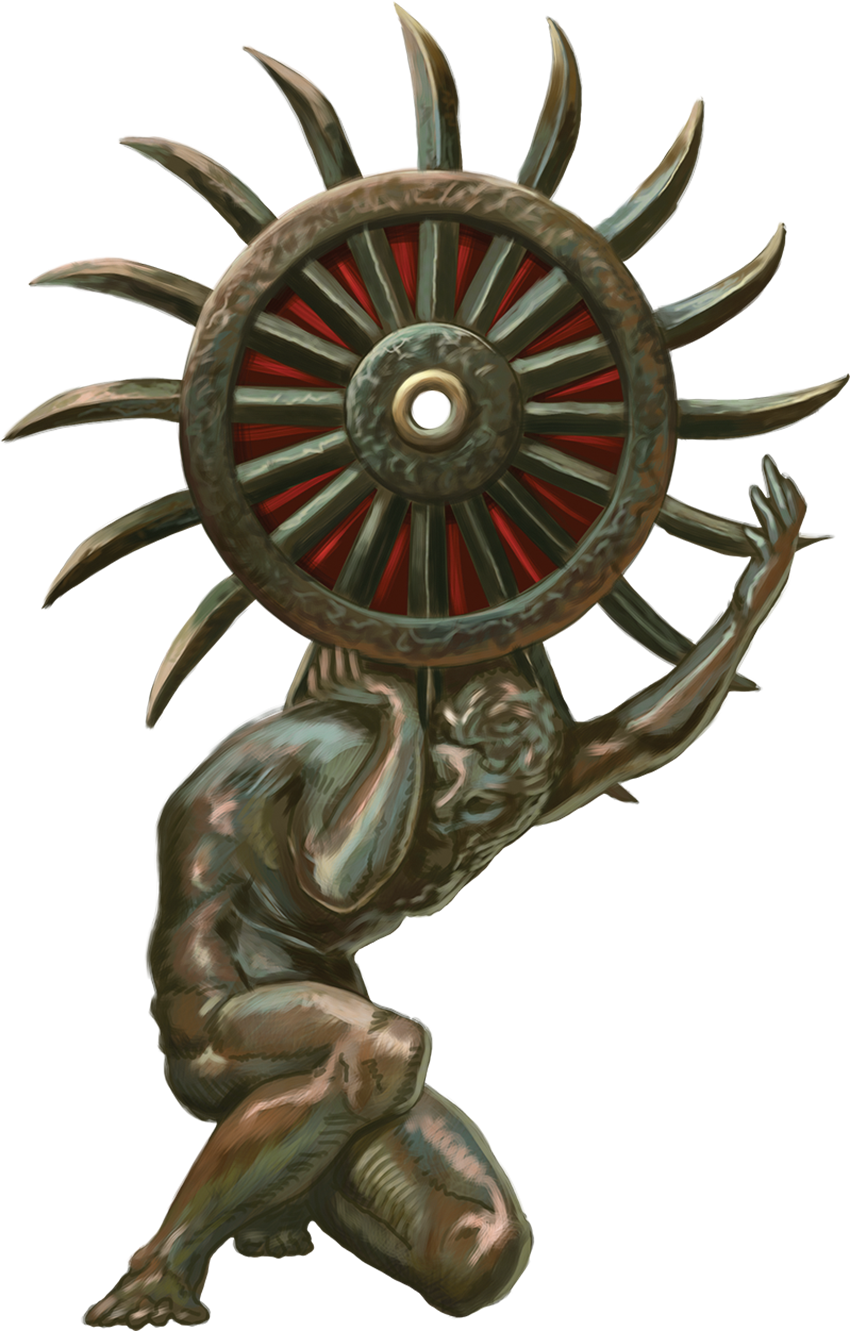
Arch Seraph of Sacrifice
Morael teaches that the truest virtue is sacrifice. To put others’ needs before oneself is the greatest pursuit. He represents hope for a better tomorrow that comes by making sacrifices, both great and small. He offers strength to those who must surrender themselves for a great cause and is the patron of martyrs and heroes who seek no glory.
Morael’s former mistress, Vetara, was the Goddess of Love. He continues her legacy of compassion and selfless devotion. He is opposed by Malikir the Proud.
Paladins in service to Morael tend to give up their personal wrath. Characters who regret a history of transgressions may also seek redemption through sacrifice, looking to Morael’s example.
Miklas
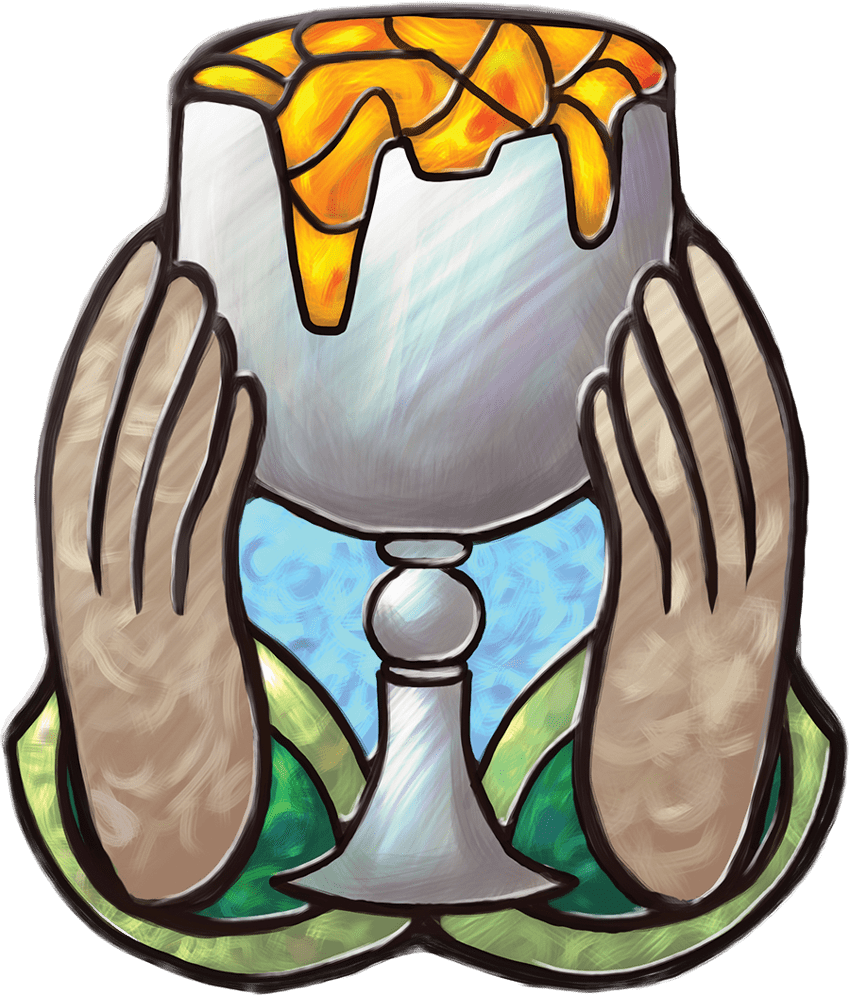
Arch Seraph of Mercy
Miklas does not have the power of her former deity Aurelia, Goddess of Protection; she can only offer aid to those already sick, wounded, or in distress. Her domain is healing and salvation—yet she cannot end suffering entirely.
It is believed that this new dark age offers no rest for Miklas the Merciful. The sick, wounded, impoverished, and oppressed all cry her name during their despair. She is opposed by Tormach, the new Lord of War.
Miklas’s clerics most often preach the sanctity of lie and purity. Doctors and apothecaries may also pray for the Arch Seraph’s guidance in healing the sick and mending the injured.
Playing as a Cleric or Paladin
The gods’ presence has waned. Divine power is rare in Etharis. As a Cleric or a Paladin, you are a rarity, and your patron calls upon you to project their power into this world.
Remember that Etharis has entered into a dark age, the likes of which has never been experienced. Its people are starved for guidance and want to believe in a power greater than themselves. As a wielder of divine magic, you may use that hunger to bring hope and light to the world, or you could twist it to your advantage. Rarity is a form of power, after all.
Beleth
Arch Daemon of Fear
The Arch Daemon of Fear goes by other names: the Trickster, the Laughing Man, and Blackjester. Beleth’s goal is to spread terror throughout the world, deriving gleeful pleasure from torturing mortals with their worst fears. He’s the patron of tyrants and oppressors everywhere, but Beleth’s cruel practical joke is that every one of these people end up fearing the very population they oppress. To him, that mortals often cause their own horrific downfall is atrociously funny.
Beleth has no fear of Empyreus, and any mention of the Arch Seraph causes Blackjester to smirk, as if from a private joke.
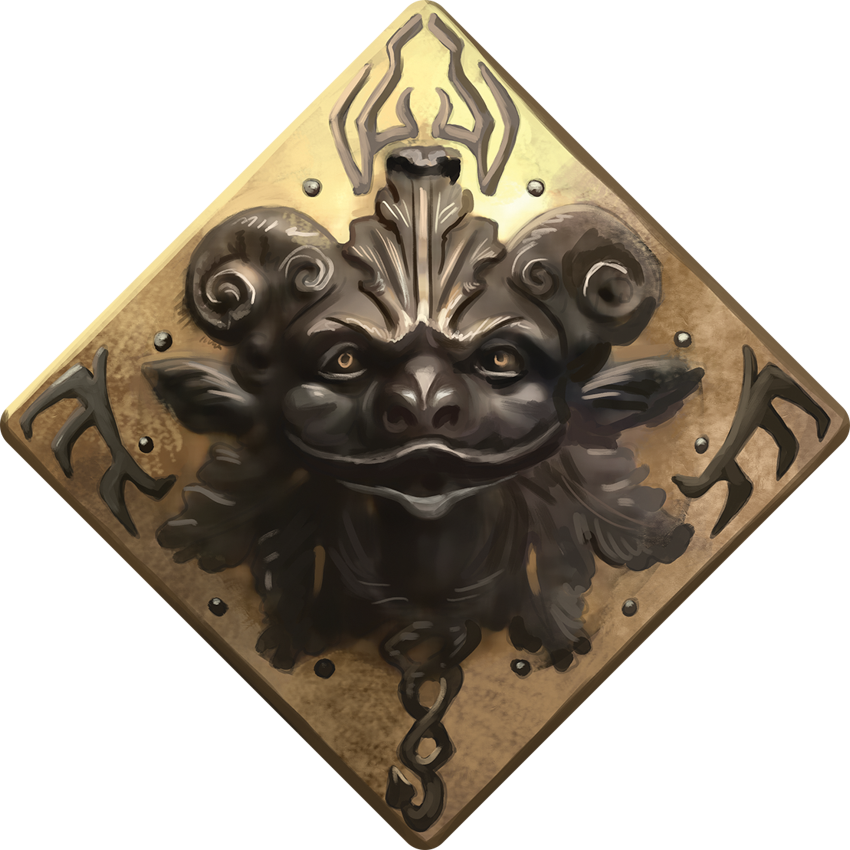
Despite his malintent, the Trickster has many worshippers. Bards and charlatans may take inspiration from Beleth’s antics, inflicting fear on those deemed to deserve it. Warriors and priests who wield terror as a weapon also make Blackjester smile, whether they intend to or not.
Venin
Arch Daemon of Deceit
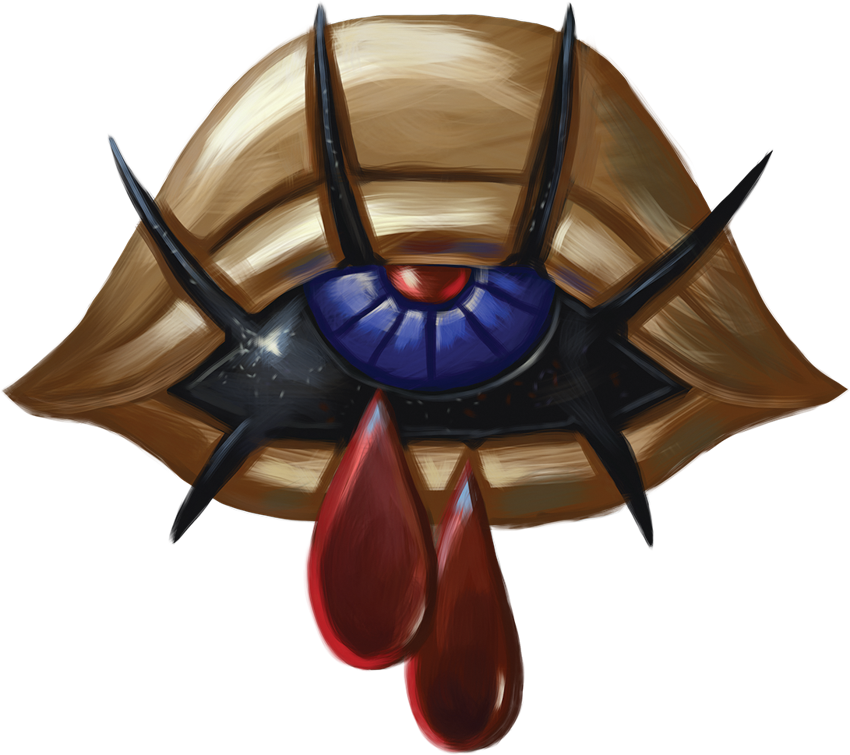
Known as the Great Deceiver, Dusktongue, and the Hooded One, Venin is the master of illusion, lies, and insanity. She relishes the lies people tell themselves to justify depravity and cruelty. Venin’s followers gain great skill in illusions and convincing others of their versions of the truth, but eventually even they lose track of what is truth and fiction.
Venin hates Zabriel and rewards those who assassinate the Arch Seraph’s followers. Rogues, assassins, and other shadowy warriors may whisper prayers to Venin so that her darkness may conceal their deeds.
Sitri
Arch Daemon of Hedonism
Sitri. His name slips from the tongue like honey, or blood. He tempts mortals with their basest worldly desires—gluttony, lust, and greed. It’s said that Sitri has never forced a single soul to do evil but only presented the choice. Those who succumb eventually lose themselves to their addictions.
Sitri’s most prized possessions are the souls of Aphaeleon’s followers who fall to their desires. Sitri enjoys taunting the Arch Seraph with these mortals the most.
Malikir
Arch Daemon of Pride
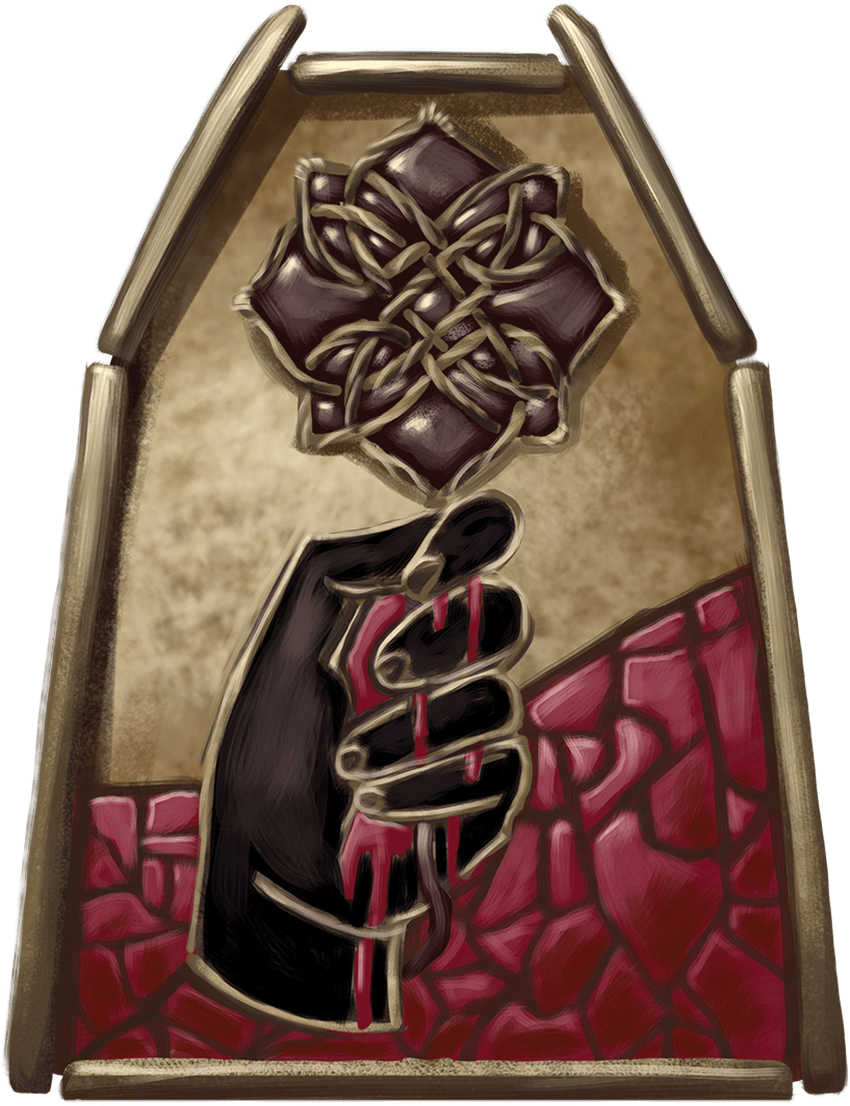
Malikir prefers the title “God.” As the most powerful of the Arch Daemons, her domain is tyranny and the abuse of authority. She is known to corrupt heroes who start out as goodhearted but eventually give in to pride. Inevitably, her followers meet a terrible fate. Malikir considers her counterpart, Morael, as a weakling and not even worth mentioning.
Ambitious nobles, fame-seeking bards, and paladins who crave glory are among those most likely to believe themselves worthy of Malikir’s blessings. Any warlock willing to make a pact with a fiend might also aspire to have Malikir as their patron.
Tormach
Arch Daemon of Wrath
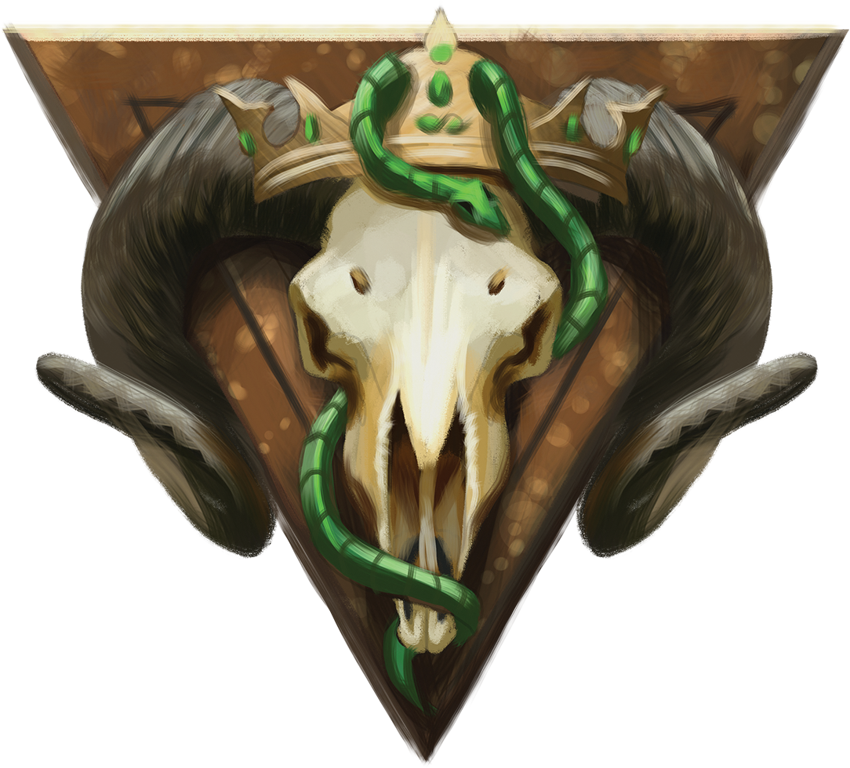
Lieutenant of the dead god Maligant, brother to the Arch Seraph Empyreus, known by such names as Manslayer and Marauder—Tormach has seized the domain of war. He is a patron and source of strength for many warriors. Among the armies of Unterland, there is a growing faith to honor Tormach as an Arch Seraph, though this is blasphemy in the eyes of the Hearthkeepers.
Unfortunately, he cannot offer strategy or wisdom, only mindless butchery and violence. For Tormach, winning comes second to dealing as much carnage and death as possible. Every battlefield is an altar to the Arch Daemon of Wrath, though his tributes are stolen time and again by the healing light of Miklas the Redeemer. This fact infuriates him to no end.
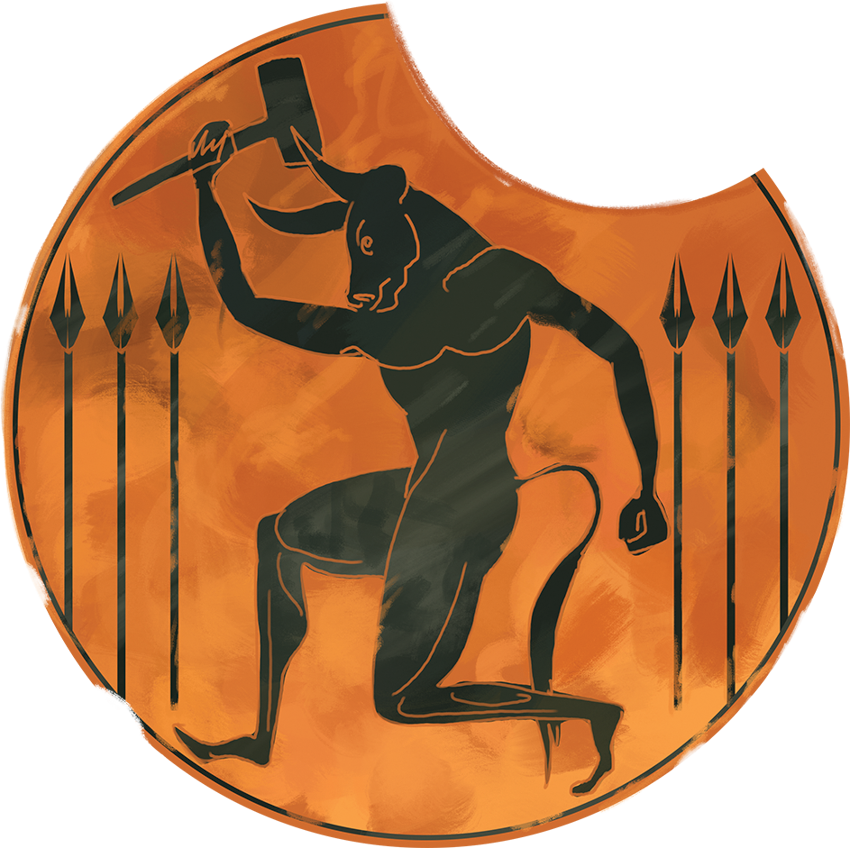
Paladins who draw strength from Tormach take oaths of vengeance, glory, and slaughter. Barbarians filled with zealous rage might also kill in Tormach’s name.
Gorodyn
Arch Daemon of Avarice
The Arch Daemon of Avarice is often called the King of Red Coins. He’s a corrupted follower of Jezra, God of Commerce. In his boundless treasury, he counts the souls of those who have given themselves to hoarding wealth by whatever means necessary, leaving hunger and poverty for the rest of the world.
Gorodyn fears Solyma, as he owns so much there is very little he can do to defend it all. He has taken to bribing mortals and other beings to fight her in his stead.
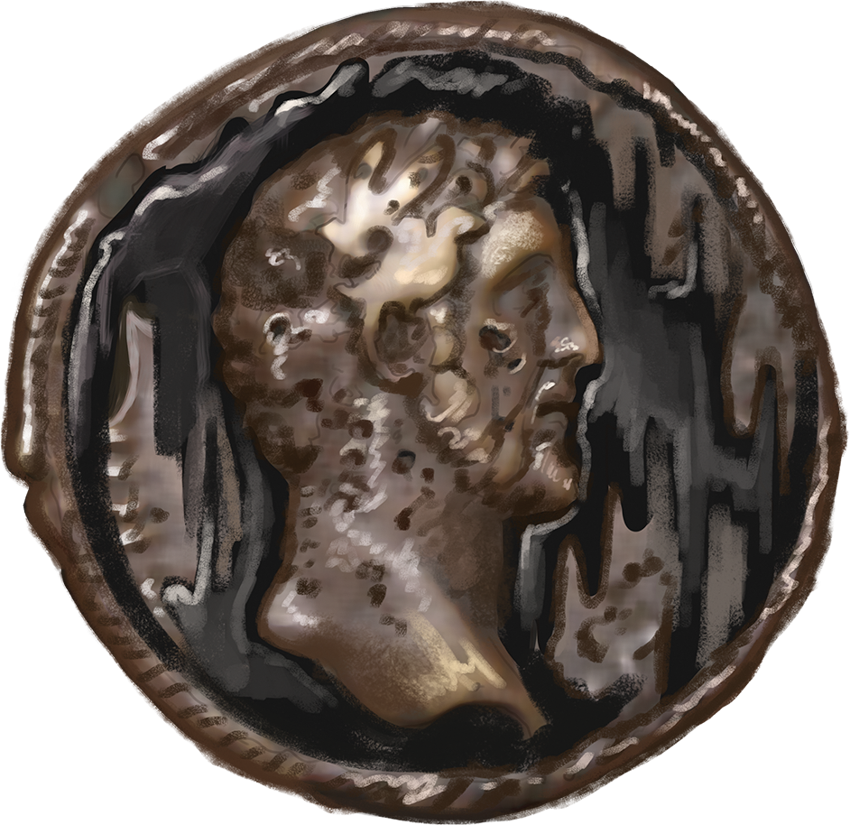
Daemon, Seraph, honestly, it’s rather trite.
They’re all after the same thing.
We're either useful to them or in their way.
—Festus Marrovent, Daemonologist
The Aether Kindred
After the Aetheric War, the Kindred seemed to disappear. It’s believed these horrors slept deeply after destroying so many of the gods, possibly requiring rest to heal from their wounds. Or perhaps they slumbered in the aftermath of much devouring.
The presence of the Kindred has returned to Etharis in more recent times. Abominations spawn from their dreams, and it’s feared they may one day wake to take revenge on the rest of the gods’ creations.
Spellcasters who wield either arcane or divine magic may draw their power from the Aether Kindred. One horrifying theory suggests that Numena is an Aether Kindred, and thus why arcane magic is so dangerous. Whether the case or not, warlocks who make pacts with ancient gods and sorcerers whose minds are wracked with aberrant visions are undeniably touched by the Aether Kindred.
Worship of the Kindred is exceedingly rare, but not unheard of in Etharis. They have no formal church or doctrine. Indeed, few people even dare learn their names except the eldritch clerics who lead their cults. Their desires are truly unknowable. Their existence is an existential horror.
Vraigoroth
Kindred of Devouring
A strange entity resembling an enormous maw ringed with fangs that sucks all light and energy into itself. Vraigoroth’s Kindred are amorphous horrors that dissolve and amalgamate organic matter.
Worshippers of Vraigoroth hysterically claim that it shall eventually devour and absorb all life, though it’s difficult to discern whether they’re terrified or jubilant at such a notion.
M’rorcameleth
Kindred of Dreams
For some, the dream world is a nightmarish landscape made of flesh, punctuated by bulbous eyes and wriggling, worm-like trees. It’s unclear if M’rorcameleth is the master of this realm or is in fact the realm itself.
Dreaming of M’rorcameleth is believed to be an omen of some impending doom. Each night M’rorcameleth tortures those who visit its dreamscape with premonitions of possible futures—often ones they are powerless to change.
Pharazorthok
Kindred of Knowing
A being that resembles an enormous tentacled tree with countless eyes upon its branches, Pharazorthok twists and grows beneath the surface of reality like roots through the soil. Where those roots pierce the veil, horrifying aberrations of eyes and teeth spawn.
It’s whispered that Pharazorthok sees and knows all. Its branches can grasp like tendrils into mortal minds to peer into the Material Plane, manifesting horrific visions and sorcerous power in those it touches.
Primal Magic
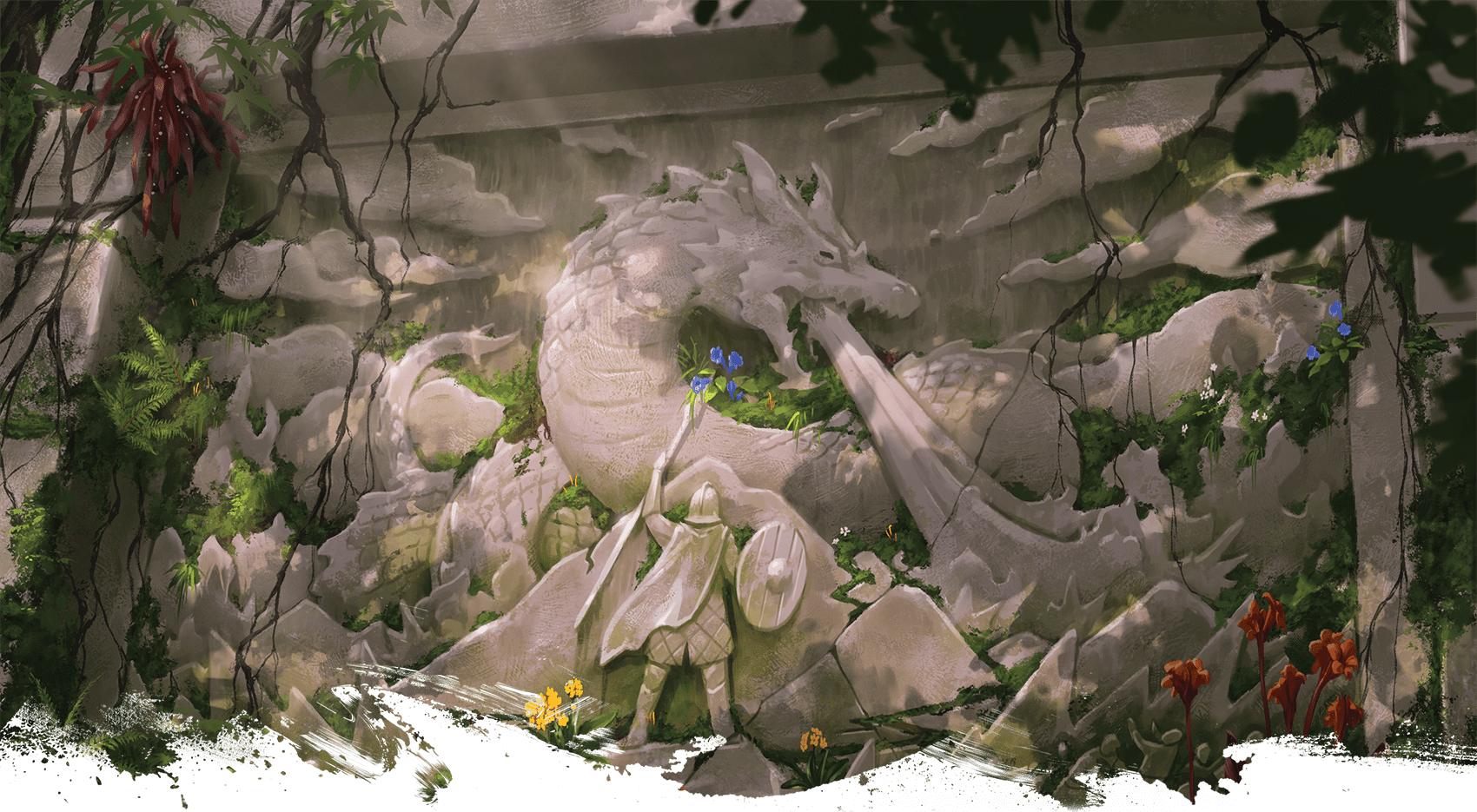
Somewhere between arcane and divine magic is the magic of nature, called primal magic by those who differentiate between the three types. This force represents both the power of the elements and the power of things that grow, live, and die outside of the purview of either god or mortal.
Two main cultures in Etharis practice primal magic. The elves of Tol Leyemil believe the Spirits of Nature teach them how to cast spells by communing with the natural forces of the forests, mountains, and rivers. The Valikan clans evoke their magic from the Primordials living within the Elemental Planes.
To divine spellcasters, the Primordials and Spirits of Nature are no different to the daemons and horrors from where arcanists draw their magic. Yet there is a deep spirituality to primal magic that is missing from the cold academia of arcane magic.
The Primordic Cycle
Earth. Fire. Ice. Air. These are the primordial elements that roiled and thundered at the beginning of time. The first living thing sparked into existence amongst this primal chaos, and the elements were all it consumed to survive. It shattered rocks with its teeth, gulped lava down its gullet, and devoured storms of wind and hail. The creature grew and grew, until its size encircled all that was. Every element tempested inside of it. This creature was called Gormadraug, the Great Prismatic Wyrm.
For long millennia, Gormadraug was the conscious world. Then one day a mountain called Citrolach awoke on the Wyrm’s back. Citrolach’s heavy footsteps split the earth to create valleys, and here the ice seeped to feed the growing rainforests. From these trees emerged the first tribes of mortals. These tiny creatures were like gnats upon Gormadraug’s back, and the Prismatic Wyrm hated them for how they itched. Gormadraug lashed Citrolach for having wrought them. Thus began Citrolach’s hatred of the Wyrm.
Morakesh exploded from Gormadraug’s breath like lava and fire spewing forth from a volcano. The Lady Morakesh was wielded like a weapon, forced to battle to prove the extent of her fiery destructiveness. When the gods came to challenge Gormadraug’s strength, Morakesh burned them to husks—composing a symphony of agonized screams for the Wyrm's sick pleasure.
Gormadraug tested even his own strength against Morakesh, extinguishing her flames to prove she was no match for him. The Lady harbored a burning hatred. The cinders of betrayal flared inside her heart.
The fires of Morakesh melted the remaining ice that formed the Endless Sea, releasing Alondo, Lord of the Depths. Wishing to be left in solitude, Alondo tried to escape Gormadraug deep beneath the seas. The Prismatic Wyrm followed to show all Primordials that nowhere was beyond his reach.
Ilhara, Queen of Air and Shadow, formed in the shadow and smoke of Morakesh’s flames. Silent and unseen, she travelled throughout the realm learning of the discontent for Gormadraug’s tyrannical rule. Ambitious to replace him, Ilhara found a hero among mortals to kill Gormadraug.
Contradicting Mythology
There are many different faiths and religions in Etharis. The details between them can contradict each other, as is the nature of scriptures and ancient stories.
In some versions of the Primordic Cycle, Gormadraug clashed with the ancient gods of Etharis before the Aetheric War. The gods tried chaining the Prismatic Wyrm at first, but his size made him unable to be restrained. Gormadraug sired the four lesser Primordials as weapons against the gods. All were defeated before being cast from the heavens.
In the Bürach Empire, it’s explained that Gormadraug was created by the gods, though his appearance is rare in sermon or scripture. Valikan stories claim the Prismatic Wyrm awoke first and that the gods followed later.
Which version of the story is told depends where in Nordenland or Grarjord one travels. Which version of the story is true, no mortal can ever know.
The Kentigern Saga
Enduring Gormadraug’s tyranny since time began, each of the Primordials ached to be free of their sire. They found their opportunity from an unexpected source: a man named Kentigern and his six companions.
Ilhara convinced her siblings to betray their sire and take the adventurers under their wing. Morakesh and Citrolach formed powerful magic weapons that could pierce Gormadraug’s flesh. Ilhara composed for them a song that would put the Prismatic Wyrm to sleep. Alondo taught them enchantments that would keep them alive, and he also told them where to strike Gormadraug’s heart.
Thus, Kentigern and his companions slew Gormadraug and used his massive body to form the mortal realm. His flesh became the earth, and his spine the mountains that divide the center of Etharis. His blood became the frozen seas and therein his heart was thrown to form an island. Fragments of Gormadraug’s scales can still be found today as precious stones. And thus the world was made.
Yet all four Primordials know that their sire was not truly destroyed, but merely slumbers in a state of hibernation. Even now, mortals obtain command over the elements from the Prismatic Wyrm. The day may come when Gormadraug awakens to wreak his vengeance across Etharis. The Primordials and mortals continually seek to prevent this from happening. Yet with the appearance of coldfire, it seems the Prismatic Wyrm’s resurrection is coming ever closer.
The Primordials
Each of Gormadraug’s children rule over their own primordial realms. The Valikans believe Etharis exists in the gulf between the four Elemental Planes, where air, water, earth, and fire converge and clash together. It’s said to be possible to enter the Elemental Planes where each element is strongest, and that druids draw their power from these realms like a wizard draws numen.
Lady Morakesh
Primordial of Fire
The Burning Lady, Red Queen, and Emberheart are among her many names. The Primordial of Fire holds court in her realm of Flamebourne. She commands azers, efreet, and fire giants in her army. Morakesh suffered the worst under Gormadraug, as the Wyrm saw her as his most destructive weapon.
As such she is highly capricious and easy to anger; she rewards characters with great riches as easily as she can turn them to cinders. Great care must be taken in petitioning the Red Queen. Blood and fire druids are among her worshipers, the most ardent of whom burn sentient beings alive as sacrifice.
Alondo
Primordial of Ice and Water
Lord of the Deep and ruler of the Endless Sea, Alondo controls the denizens of lakes, seas, and oceans. He is worshipped by the laneshi. Aside from Kentigern, Alondo has no love for mortals and wishes to be left alone. That said, he is the most conscientious of his ilk, working diligently to prevent the return of Gormadraug.
Still, rumors persist that he has something to do with the outbreak of coldfire plaguing Etharis. Blood druids who would invoke Alondo must first slay one of his hated enemies and hurl its heart into the sea.
Citrolach
Primordial of Earth and Stone
The Living Mountain masters over all those who pledge themselves to earth and stone. He is the progenitor of stoneborn trolls and earth elementals, who emerge from his underground realm of Stonereach. At times through history Citrolach has been worshipped by dwarves and gnomes who delve for riches beneath the earth. He is also important to druids of the land and moon, who believe his power extends to plants and the denizens of the forests.
To summon Citrolach, one must surrender a fortune in gems and gold, all of which are returned by the Primordial to the ground from where it was taken. Take care, however. Notoriously stubborn, Citrolach has held to a particular stand for centuries. The saying goes that it is easier to move a mountain than convince Citrolach to change his mind.
Ilhara
Primordial of Air and Shadow
The Queen of Air and Shadow is the most ambitious Primordial of all. Her spies hide in the smoke of candles and lurk in empty shadows to find secrets from among mortals and spirits alike. Her ultimate aim is to be powerful enough to fill the void left by Gormadraug. Ilhara requires that a dark secret be whispered into the air before she can be summoned.
Rangers who stalk the gloom or deal in poisons may petition Ilhara for aid. She is of particular importance to the spies of Clan Morgöng in Valika.
Gormadraug
Primordial of All Elements
The Great Prismatic Wyrm is also a powerful source of primal magic, though he doesn’t know this in his current state. There is no known way to invoke him. Moreover, worship of the Wyrm is forbidden throughout the Valikan Clans. The Primordials also warn that drawing power from Gormadraug may even awaken him, and they readily smite any druids or rangers who try.
The Faerie Courts
Before the Era of Expansion, the Faerie Courts were worshipped like deities in Caer Neiada—the realm now called the Charneault Kingdom. The elves of that region believed they were descendants of the Archfey and that magic was only possible by listening to the Spirits of Nature. In ancient times it’s said many more elves were capable of magic than today.
Similar beliefs are found in eastern Nordenland and parts of Valika. Though these more human cultures feel less directly connected to the Faerie Courts, even regarding the Archfey like capricious devils, they still train mages and make pacts to wield primal magic.
Delerium Magic
Delerium and the Study of Magic
The existence of delerium has thrown magical scholarship into crisis. Arcane institutions see it as a priceless source of power and knowledge. Religious orders see it as corruption, blasphemy, or divine trial. Criminals see it as a fortune. Common folk see it as a curse that kills the desperate first.
The Amethyst Academy
The Amethyst Academy is one of the most influential arcane powers connected to Drakkenheim. Its mages believe delerium must be studied and controlled by those capable of understanding it.
Divine Disagreement
The faithful are divided on Drakkenheim. Some believe the city must be purified. Others believe the falling star revealed a path to salvation. Most common folk simply fear that anyone who speaks too confidently about Drakkenheim is either mad, lying, or trying to recruit them.
Comments