
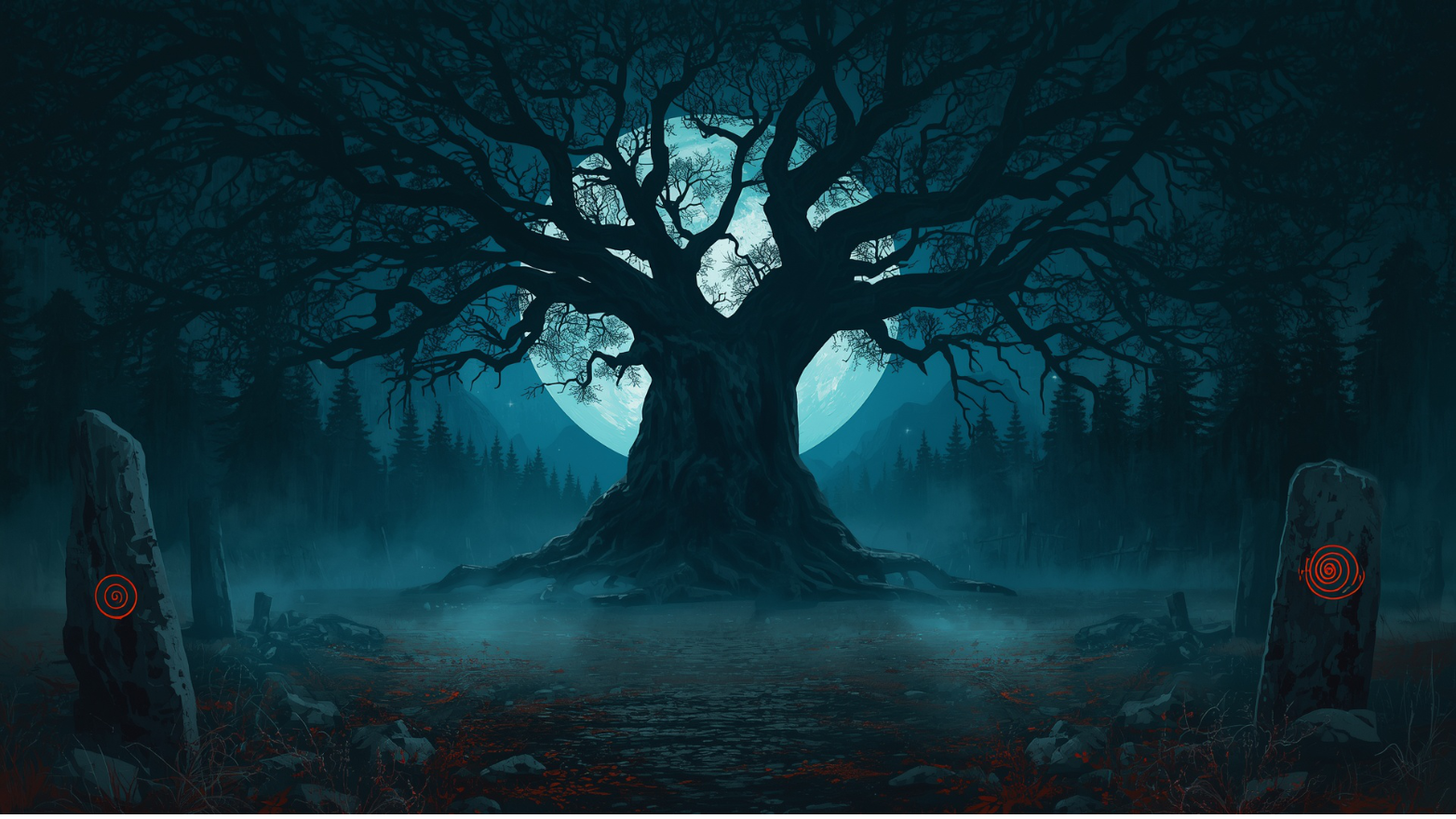
Ashrend Clan
Overview
The Ashrend Clan rose from the ruin of what came before. Where the Wrathclaw had fractured beneath ambition and the long erosion of their own ways, the Ashrend remained; quiet, patient, and certain. They did not emerge by accident. They were built in silence, grown among those who had never stopped listening to the land, and named for what remained when everything that had needed to, had burned. To outsiders, they are often mistaken for a remnant; a smaller, older offshoot of the forest clans. To those within, the Ashrend are something else entirely: a return. Not to the past as it was, but to the values that had always held the forest together before those values were forgotten.Purpose & Beliefs
The Ashrend exist to protect what the Wrathclaw once understood and gradually lost. Not the old banners, not the old clans, not the old names; but the older truths beneath them. The land is not a resource. The forest is not a domain. The people are not separate from either. Their belief is rooted in practice, not proclamation. Ceremony is lived, not preached. Ritual is carried in how a fire is built, how a wound is tended, how the moon is greeted above an ancient canopy. They believe: The land remembers, even when its people do notBalance is not peace; it is the refusal to take more than is given
The old ways are not behind them; they are beneath them
What burned away was not worth saving; what endured, was
Where the Wrathclaw of old honored the wild as kin, the Ashrend honor it as inheritance; something held in trust, not claimed by right.
History & Founding
The Ashrend did not form in response to the Wrathclaw's collapse. They formed before it, and caused it. Founded in quiet by those who watched the old clans drift toward dominance, war, and distraction, the Ashrend organized where others argued. They built where others burned. By the time the greater Wrathclaw fractured under its own weight, the Ashrend were already established; holding the land, the old ways, and a clear view of what had gone wrong. Their founding is often attributed to a single figure who would become their first true leader; a druid of rare will who took what had been taken from her, and refused to leave it in the hands that had taken it. What she built after that day became the Ashrend Clan, named for what remained when the fire had finished with everything else. Some of the founders did not live to see what they had built. Those who fell in the early days are said to remain with the ash still, bound to the soil they chose over surrender.Structure & Leadership
The Ashrend are small by design. They are not interested in growth for its own sake, nor in the reach that larger orders pursue. Their structure reflects this: focused, close, and built around proven trust rather than assigned rank. Leadership is held by a single figure who carries the clan's direction, supported by a tight circle of elders, druids, and those who have earned place through action rather than title. Advisory voices are heard readily. Authority is not. Membership is not open. The Ashrend do not recruit. Those who find them are more often found; watched for a long while, and invited only when it has become clear they belong. Many who seek them never arrive. Those who do, rarely leave.Culture & Identity
Ashrend life is quiet by the standards of most factions. Their settlements are built low beneath the canopy, lit by moon and firelight more often than torch or brazier, and shaped by the land rather than imposed upon it. They leave little mark when they pass, and less still when they leave for good. Family is central. Not always blood; though blood matters; but the chosen bonds that grow between those who stand beside each other through the slow work of tending a land that will outlast them all. Certain truths hold across the clan: The old ways are lived, not recitedSilence is a kind of speech
What is earned by patience cannot be taken by force
The forest is older than any of us, and its memory is long
These are not doctrines. They are the rhythms of daily life, carried forward in how the clan eats, moves, mourns, and remembers.
Strongholds & Territory
The Ashrend hold lands within the older reaches of the forest; stretches that were wild long before the Wrathclaw named them, and that will remain wild long after the current age has passed. Their settlements are not fortresses. They are woven into the trees and stone, kept small, and known only to those who have earned their way there. Their territory is not declared. It is understood. Those who belong know the paths. Those who do not, rarely find them at all. Where the Wrathclaw once claimed great swaths of forest through presence and numbers, the Ashrend claim theirs through intimacy; through knowing every stream, every ridge, every tree that matters, and every silence in between.Combat & Methodology
The Ashrend do not fight often. When they do, they fight with the same patience that built them. Their methods favor: Ambush and withdrawal over open engagementDeep knowledge of terrain used as weapon, shield, and escape
Druidic craft woven into combat; root, vine, wind, and weather
Restraint in when to strike, and precision in how
They are not a warring people, but they are not a weak one. Those who have underestimated the Ashrend because of their numbers have tended not to survive the lesson.
Role in the World
The Ashrend sit apart from the wider currents of Vesperfall. They keep no seat among the guild councils, ally with no order for long, and answer to no authority beyond their own. To most, they are scarcely known; a rumor from the old forest, a name half-remembered in Wrathclaw songs, a clan whose territory is marked on no reliable map. To those who have met them, they are something quieter and more permanent than any of the louder orders: the last living thread of what the forest clans were supposed to be, still holding.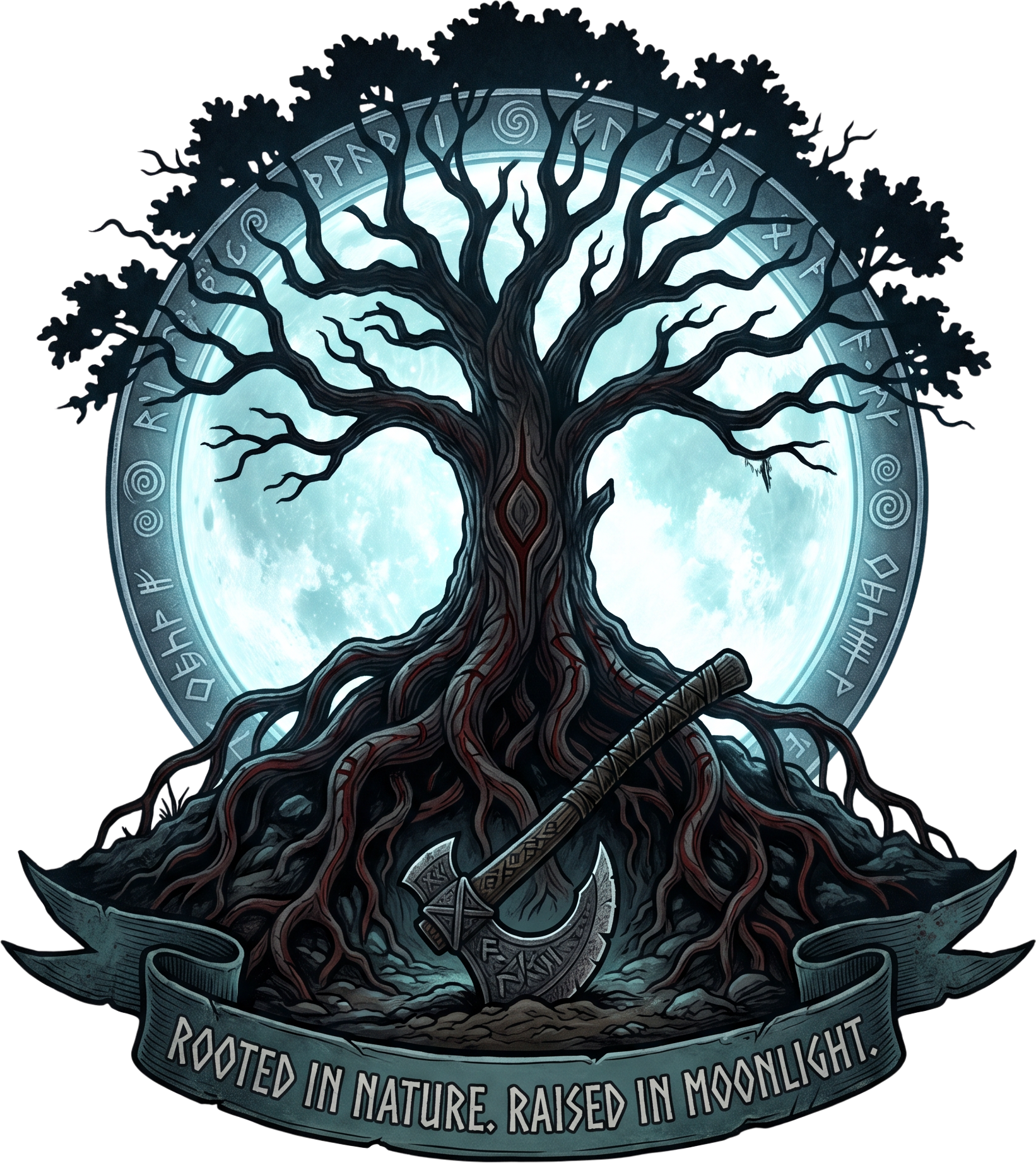
Cineribus - First Home of the Ashrend

Comments