
U-Bahn 2085
28-6-2085
Berlin survives, it always does.
During the 1600s, the city starved, coughed and bled in the shadows of the Thirty Years' War.
In the Aftermath of the First World War, as the corpse of Kaiser Reich rotted, the city called out for revolution and change, before a boot stamped that call into a whisper.
In the dying embers of the Third Reich, Berlin burned and screamed as the slaughter the hate filled nation had enacted upon the world, was returned with interest.
Therefore, in the late Spring of 2027, when the sky burned for weeks in nuclear fire and chemical gas, whilst children clung to their parents in the dark void of U-Bahn tunnels and maintenance corridors, Berlin did not die, it is cannot die.
Beneath the ruined streets, the old U‑Bahn fractured into isolated cultures, each shaped by fear, scarcity, and the memory of how the world ended. Trade survives along the broken Ringbahn; order is preserved in some lines, chaos embraced in others, and in the north the tunnels themselves seem to decay into something unnatural.
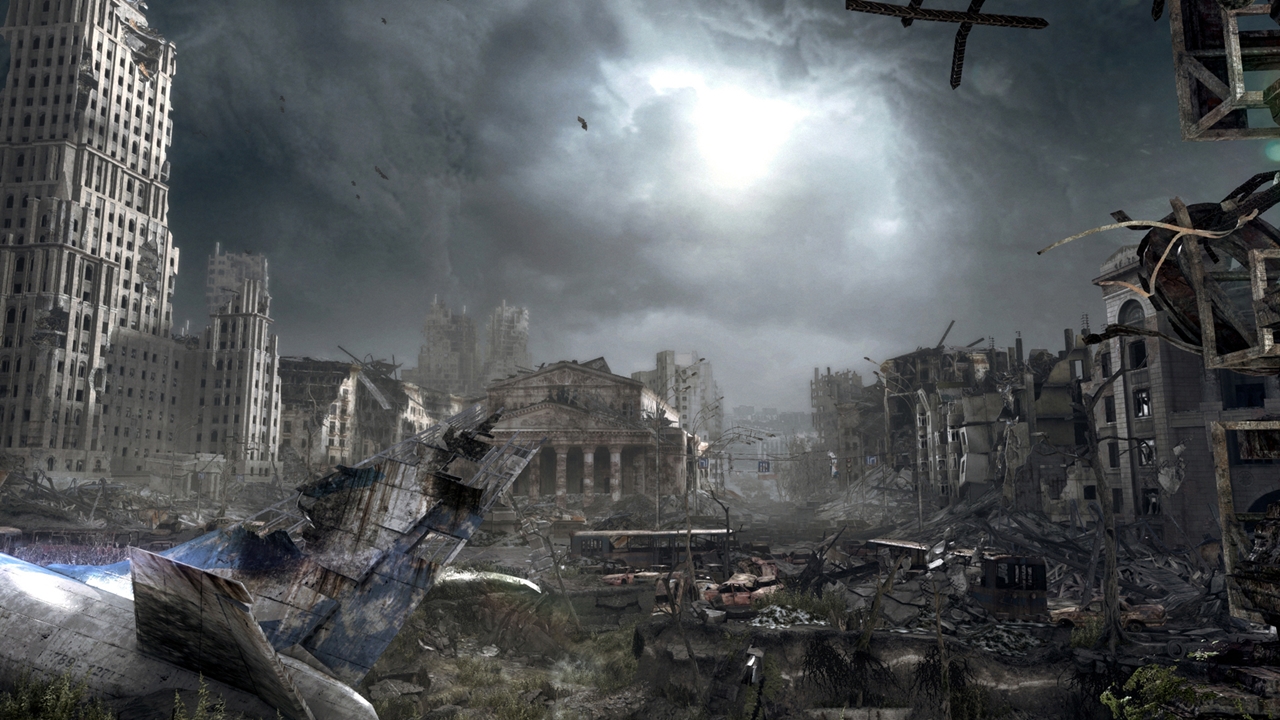
Overground, the city is silent, whispering clicks ring out over streets to mark the presents of the city's invisible murderer, whilst gnashing teeth and low growls declare the presents of its offspring .
No faction controls Berlin, only endures it—through diplomacy, violence of simply staying silent.
There is no safety, there is no progress, there is only your last day and the prayer, that that day isnt today.
During the 1600s, the city starved, coughed and bled in the shadows of the Thirty Years' War.
In the Aftermath of the First World War, as the corpse of Kaiser Reich rotted, the city called out for revolution and change, before a boot stamped that call into a whisper.
In the dying embers of the Third Reich, Berlin burned and screamed as the slaughter the hate filled nation had enacted upon the world, was returned with interest.
Therefore, in the late Spring of 2027, when the sky burned for weeks in nuclear fire and chemical gas, whilst children clung to their parents in the dark void of U-Bahn tunnels and maintenance corridors, Berlin did not die, it is cannot die.
Beneath the ruined streets, the old U‑Bahn fractured into isolated cultures, each shaped by fear, scarcity, and the memory of how the world ended. Trade survives along the broken Ringbahn; order is preserved in some lines, chaos embraced in others, and in the north the tunnels themselves seem to decay into something unnatural.
Overground, the city is silent, whispering clicks ring out over streets to mark the presents of the city's invisible murderer, whilst gnashing teeth and low growls declare the presents of its offspring .
No faction controls Berlin, only endures it—through diplomacy, violence of simply staying silent.
There is no safety, there is no progress, there is only your last day and the prayer, that that day isnt today.