Hexsteine
Something brilliant happened today! I managed to add a new Hexstone to my collection. A truly rare piece – the Master Stone from the 2000s Quidditch series, featuring Michael Hamilton’s portrait! You hardly ever come across this stone anywhere, and no one I’ve ever met who owns it has been willing to part with it. And now it’s mine!
Oh, it’s just struck me that I actually have no idea who’s reading this. You might be someone from outside Germany, where Hexen isn't really a big deal. Or you might even be a Muggle – in which case, my diary really shouldn’t have fallen into your hands. If none of that applies and you still have no idea what I’m on about, you’ve probably been living under a rock for the last few centuries. I can’t think of any other explanation for your ignorance. But let’s just assume that you’re a witch or a wizard who’s simply never heard of Hexen before.
What this is actually all about
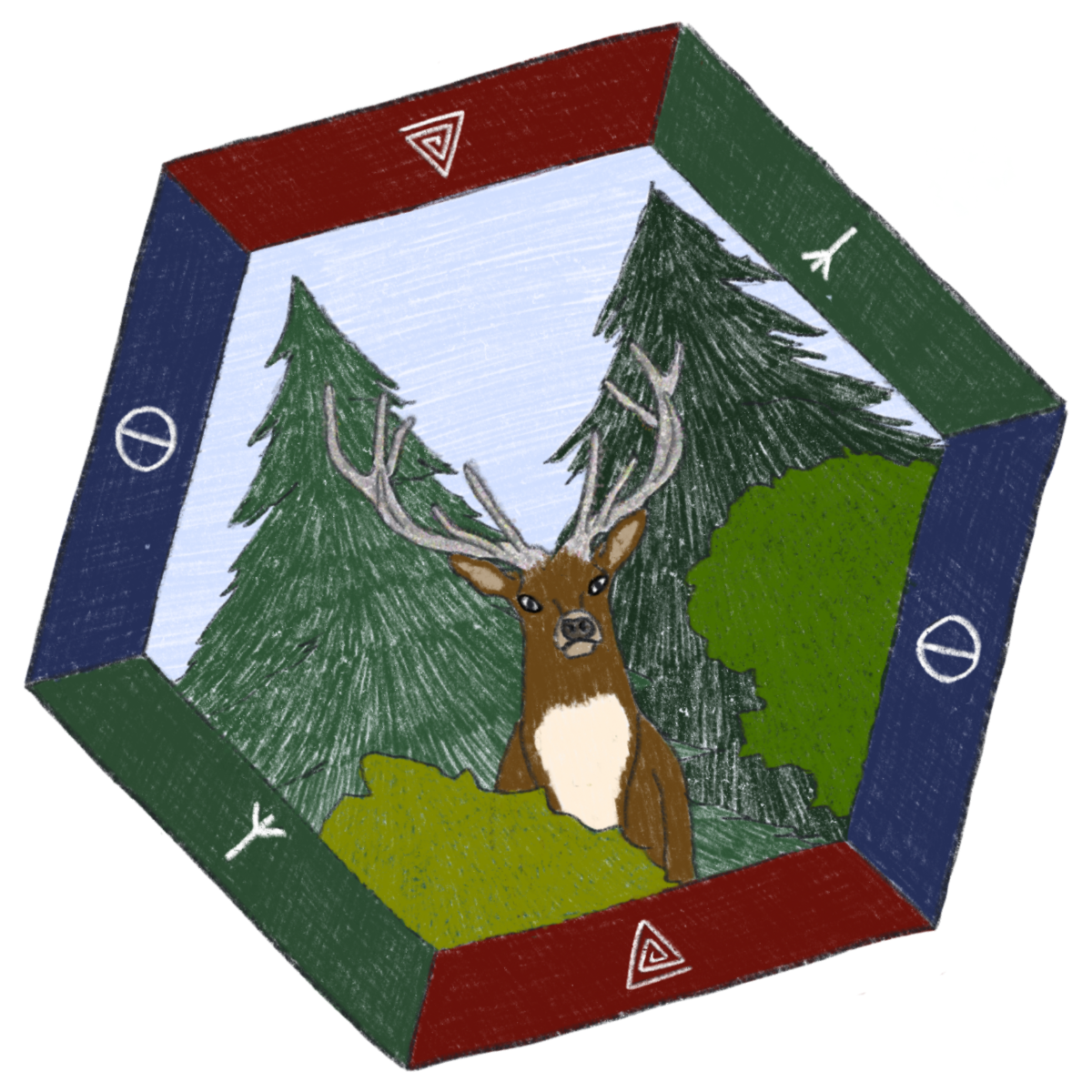
Hex is a very popular tile-laying game. I’m not going to go into the details of the game here or explain the rules to you. Just get hold of a set somewhere and read through them yourself. Anyway, Hex is played with six-sided (hexagonal – one reason for the name) tiles. The game itself has been around for… I’ve no idea, but a long time in any case. In the past, the tiles were all made of wood. And there were differences even then. Some were made of oak, others of beech. But there were also rarer editions made of cherry, fir or mahogany. These were already popular back then and were keenly collected.
Right from the start, there were also pieces made of metal or stone – often marble or granite – but also all sorts of other materials that are pleasing to the eye. Or those made of crystal – they’re really beautiful too, but they never really caught on because they are, after all, quite fragile. Today, of course, they are sought-after collector’s items, especially if they’re free from scratches or cracks.
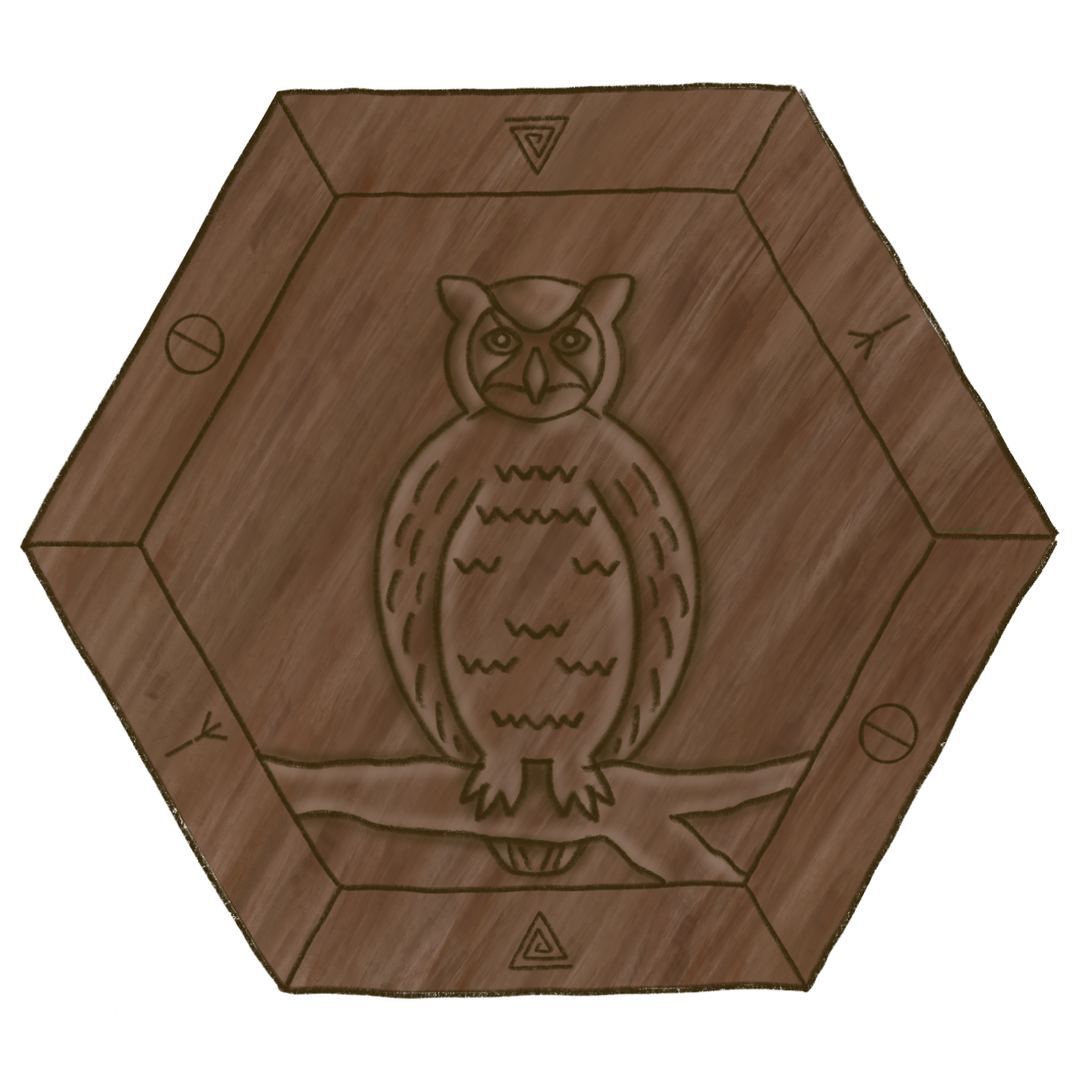
Oh, right, before you get disappointed when you hold your very first set in your hands, I should perhaps mention that standard sets have been made of cardboard for almost a century now. That might sound trivial at first, but it has also opened up a whole host of possibilities. For example, versions that sparkle, have holograms or glow in the dark. Most starter sets actually always include a few of these cards, which immediately sparks your collector’s instinct.
I mentioned at the start that the shape of the game pieces is one reason why the game is called Hexen. The other reason is, of course, that all the tiles are enchanted or bewitched. When you place the tiles, a short animation plays. Depending on the combination and which other tiles they’re placed alongside, you can see different animations. This is also another reason why people collect the tiles. On the one hand, as already mentioned, because of the appearance of the tiles themselves. On the other hand, because they’re looking for a specific animation. And there really are countless of these; though I’m sure you can look up the exact number somewhere.
On the subject of collecting

Which brings us straight to the heart of the matter: collecting the tiles. There are Hexen players who don’t actually play the game at all. Their sole passion is collecting the tiles. To an outsider, this may be hard to fathom, but once you’ve started, it’s almost impossible to shake off that passion for collecting. And that doesn’t surprise me in the slightest. The sheer variety of pieces you can add to your collection can keep you occupied for decades. I know of players – or rather, collectors – who are specifically trying to put together a Grenadill set, for example. A good friend of mine is still on the hunt for individual pieces he’s missing from the older editions of the Quidditch World Cup sets.
Here at Nebelfels, I’ve already noticed a thriving culture of collecting and swapping. Lots of pupils meet up regularly to swap game pieces or simply to show off the latest additions to their collections. The school’s swapping scene seems to really come alive after the summer and Christmas holidays – or so my colleagues have told me, at least.
However, this is not to give the impression that only children and teenagers have fallen prey to the collecting craze. This hobby spans all age groups and social classes within the wizarding world. I’ve even heard of auctions where Hexstones have gone for six-figure sums!
Back to the main topic
So much for that little digression on collecting Hexstones. Anyway, I now have another one in my collection. And the very best thing about it is that I now have a seventh player from the 2000 England team. Previously, when I arranged the six players from the team in a ring, the team image was projected above the formation. But now I can lay out the ‘Blossom’ formation, and the winning goal that took the team through to the semi-finals is displayed. Oh, and ‘Ring’ and ‘Blossom’ are the names of formations you create with the cards. But just look it up in the rules of the game.
Comments