
Lore: Flame
In South Korean shamanism (Muism), fire is often seen as a powerful, dual-natured symbol often depicted as representing purification, the destruction of evil, and the warmth of life, embodied primarily by the deity Jowangsin. It is often used in intense rituals to burn away bad luck from the previous year, welcome blessings, and, in some contexts, to purify or destroy, such as in the Daljip Taeugi (burning of the moon house) tradition. Fire is often used in gut (shamanic rituals) to cleanse spaces of negative energy. For instance, in the Daljip Taeugi tradition on the first full moon of the lunar year, a large bonfire of straw and pine branches is burned to ward off evil spirits and ensure a prosperous harvest. Because Fire is often seen as a protective element when harnessed in the home (Jowangsin) or managed by guardians (Haetae), but also as a destructive hazard when uncontrolled, different depictions of Flame are often seen throughout Gamb/t. Traditionally, deep within the Underworld, multiple types of flame exist similar to Earth.
In South Korean mythology and folklore, wielding or manipulating fire is most strongly associated with the Dokkaebi (도깨비), "Korean goblins" or "spirits." While the term "pyrokinesis" is often used in modern media, in traditional folklore, wielding flame is almost exclusively tied to the magical, mischievous, and sometimes protective nature of the Dokkaebi as multiple variants of these supernatural beings possess the ability to summon and manipulate "Dokkaebi fire" (도깨비불 - dokkaebibul), which often appears as a blue flame. Because of the various types of Dokkaebi living within the underworld, multiple types manipulate flame in various ways, often using enchanted items, natural ability or Taoist arts in addition to their traditional flame. Because of this, multiple flames also exist as well, each with its own lore, drawbacks and characteristics that make each one unique to one another.
Flame in Korean mythology represents a potent duality, acting as both a destructive force and a sacred, protective element associated with domestic life, spiritual beings, and natural phenomena. Key figures often associated with flame include Jowangsin (goddess of the hearth), the fire-dog Bulgae that causes eclipses, and Dokkaebi (goblins) who often were depicted in folklore with the ability to summon blue flames.
Purity, protection, and heavenly presence, blue flames are often seen as a symbol in many cultures as an act of divine wisdom, believed to act in carrying messages from the spiritual realm to the earthly realms. For many however, the true strength in Blue Flame often comes from its purification. Scientifically, blue flame or blue fire is often primarily caused by the complete combustion of fuels like natural gas or propane, or the presence of copper and other chemicals. This complete combustion leaves very little to allow the flame to glow yellow or orange. Because of this, blue flames are often seen as an element symbolizing the act of cleansing, removing negative emotions and encouraging emotional healing. In a typically more metaphorical sense, the term "blue flame" may also refer to a person's innate passion, intense energy, or may simply instead be used as a way to describe what makes them feel alive and fulfilled.
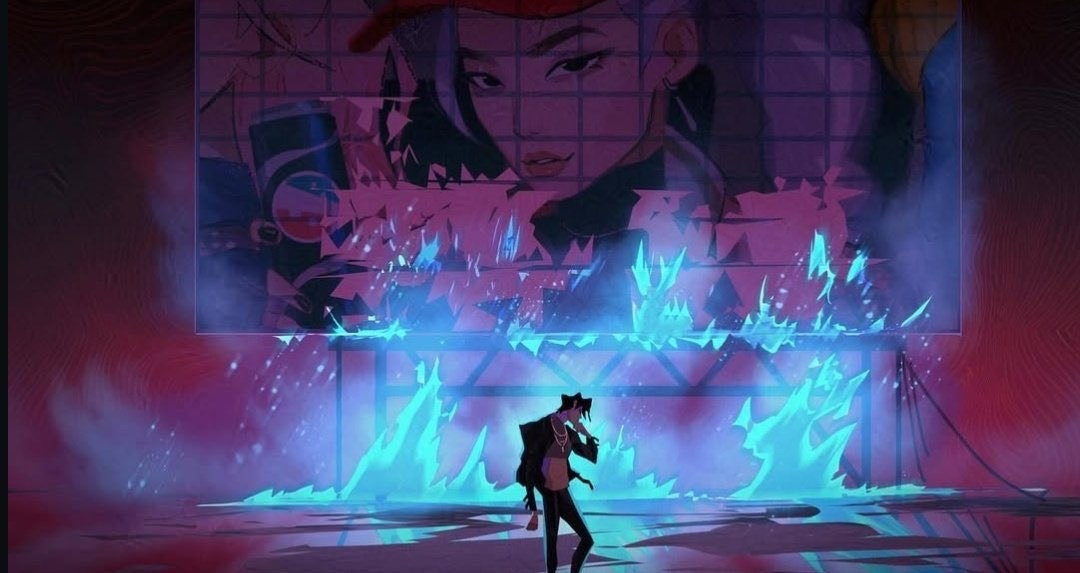
Typically, Blue flame in Gamb/t is often used to represent renewal/rebirth, with its first appearance being depicted on the Gamb/t Comeback Tour Album Cover seen to the right and multiple single album covers throughout the story. However, because of fire’s destructive tendencies, multiple depictions also show it as a more negative element, such as it is in many sources of media.
Because of the various types of Dokkaebi living within the underworld, multiple types manipulate flame in various ways, often using enchanted items, natural ability or Taoist arts in addition to their traditional flame. Because of this, multiple flames also exist as well, in the form of the art of Pyromancies, each with its own lore, drawbacks and characteristics that make each one unique to one another.
Examples
Blueflame: Glintflame
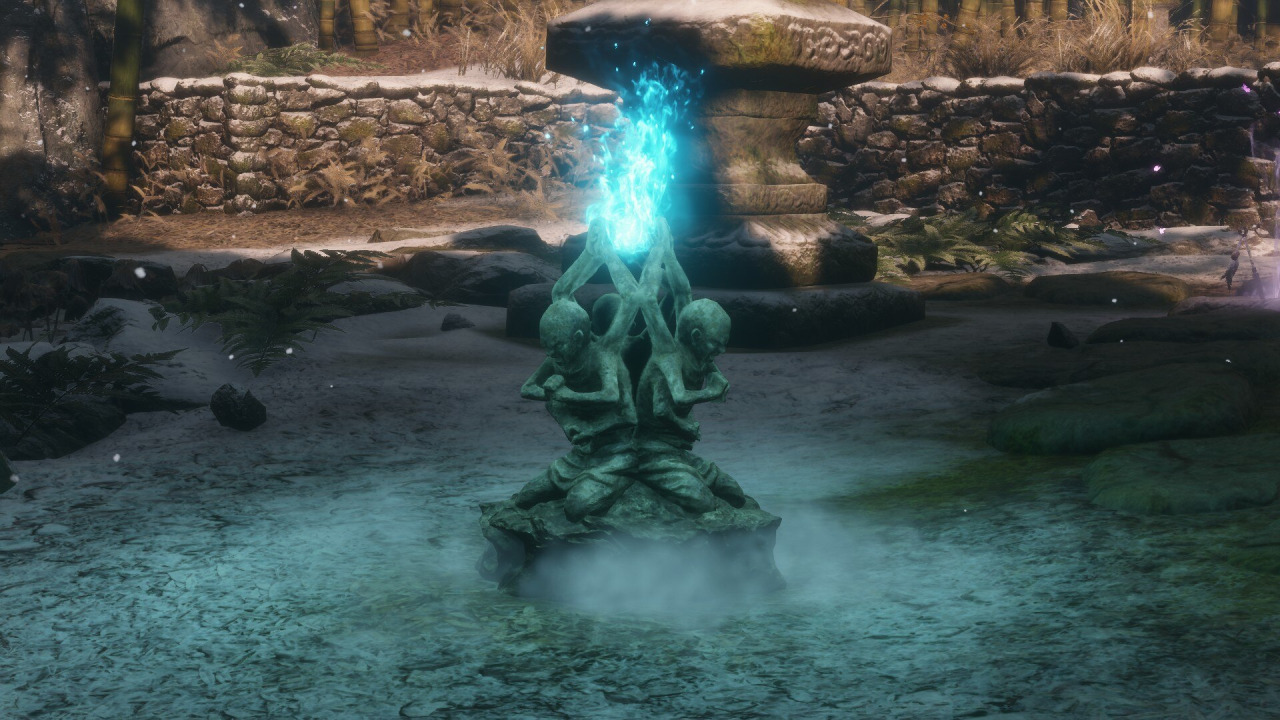
Named after the act of a tiny, quick flash or spark, Glintflame in Gamb/t, is a specialized flame often used to represent renewal/rebirth. This flame typically serves as a more symbolic aesthetic than a general defensive/offensive one much like other flames. However, while it serves a relatively limited role throughout the series, it’s more significant and most important and prominent portrayal lies within what are typically known as Sites of Lost Grace.
Purple Flame: Sinfire Flame
The earliest "fire magic" known in the underworld, this flame was the chaotic, primordial fire wielded by the ancients eons ago. However, when the flame proved too dangerous to control, the magics that practiced it in its original form went extinct, and instead those interested in it’s properties, created more “docile” variants through years of manipulation and faith.
Considered to be one of the oldest, most chaotic form of the pyromancies, this flame is noted for its sickly purplish pink hue and highly volatile nature and it’s ability to grow stronger with every soul captured within it’s hue.
Known for being extremely dangerous, not only for it’s unpredictable nature and ability to break down numerous inorganic and organic material, but also due to it’s ability to seemingly latch onto it’s victims, unlike other special flames that wield the ability to suck the vitality from it’s victims, Sinfire flame instead inflicts devastating damage due to it’s ability to act as a more lethal and volatile, purple-colored version of the now traditional Blastblight; a variation of flame where the infected will explode after a certain period of time or when hit by a strong attack, causing heavy damage.
While few and very thankfully far in between, those that skillfully wield this gas can manipulate it in a variety of ways, such as fireballs, flaming blasts, thick clouds of exploding gas, explosively empowered physical blows, and even temporary flight via using the recoil from its explosions.
Black-Silver Flame: Soulblight
It is said that being the Chariots of Death for the Underworld, that Jeoseung Saja understand death and all it’s machinations better than any and all except only the Gods and Kings who await for their precious cargo in the far off realms beyond the stars.
A much stronger variation of Soulflame, a flame often wielded by much less experienced Demons, Soul-Blight is wielded with deadly accuracy by much older and much wiser Jeoseung Saja as a form of defense against their enemies, with this Flame being imbued with ancient arcane arts and various death rites.
Unlike Soulflame, it’s cousin which is produced by Dokkaebi, Soulblight is a cold-burning flame characterized by its blackish blue and silvery white hue and the ghostly inhabitants who churn within the flames.
While many Jeoseung Saja had turned their backs on their purpose and allied themselves with the Great Demon Lord, be it out of fear or some other more unjust reason, some of them instead sympathized with the lost souls who now awaited a cruel death at the Maw of the Beast instead of the ordained afterlife promised to them from their birth. Instead of allowing Gwi-ma the chance to feed upon their precious flock, many Reapers instead became the temporary guardians of the souls they now carried within them, through act’s of ancient rites of Death unknown to all except those who walked in it. In turn these spirits would lend aid and strength to their caretaker’s; a bargain which served as a contract sworn to the spirits, allowing for the promise of their distant resurrection in future day’s long awaited…
How immensely bureaucratic…

In South Korean mythology and folklore, wielding or manipulating fire is most strongly associated with the Dokkaebi (도깨비), "Korean goblins" or "spirits." While the term "pyrokinesis" is often used in modern media, in traditional folklore, wielding flame is almost exclusively tied to the magical, mischievous, and sometimes protective nature of the Dokkaebi as multiple variants of these supernatural beings possess the ability to summon and manipulate "Dokkaebi fire" (도깨비불 - dokkaebibul), which often appears as a blue flame. Because of the various types of Dokkaebi living within the underworld, multiple types manipulate flame in various ways, often using enchanted items, natural ability or Taoist arts in addition to their traditional flame. Because of this, multiple flames also exist as well, each with its own lore, drawbacks and characteristics that make each one unique to one another.
Flame in Korean mythology represents a potent duality, acting as both a destructive force and a sacred, protective element associated with domestic life, spiritual beings, and natural phenomena. Key figures often associated with flame include Jowangsin (goddess of the hearth), the fire-dog Bulgae that causes eclipses, and Dokkaebi (goblins) who often were depicted in folklore with the ability to summon blue flames.
Purity, protection, and heavenly presence, blue flames are often seen as a symbol in many cultures as an act of divine wisdom, believed to act in carrying messages from the spiritual realm to the earthly realms. For many however, the true strength in Blue Flame often comes from its purification. Scientifically, blue flame or blue fire is often primarily caused by the complete combustion of fuels like natural gas or propane, or the presence of copper and other chemicals. This complete combustion leaves very little to allow the flame to glow yellow or orange. Because of this, blue flames are often seen as an element symbolizing the act of cleansing, removing negative emotions and encouraging emotional healing. In a typically more metaphorical sense, the term "blue flame" may also refer to a person's innate passion, intense energy, or may simply instead be used as a way to describe what makes them feel alive and fulfilled.
Typically, Blue flame in Gamb/t is often used to represent renewal/rebirth, with its first appearance being depicted on the Gamb/t Comeback Tour Album Cover seen to the right and multiple single album covers throughout the story. However, because of fire’s destructive tendencies, multiple depictions also show it as a more negative element, such as it is in many sources of media.
Because of the various types of Dokkaebi living within the underworld, multiple types manipulate flame in various ways, often using enchanted items, natural ability or Taoist arts in addition to their traditional flame. Because of this, multiple flames also exist as well, in the form of the art of Pyromancies, each with its own lore, drawbacks and characteristics that make each one unique to one another.
Examples
Blueflame: Glintflame
Named after the act of a tiny, quick flash or spark, Glintflame in Gamb/t, is a specialized flame often used to represent renewal/rebirth. This flame typically serves as a more symbolic aesthetic than a general defensive/offensive one much like other flames. However, while it serves a relatively limited role throughout the series, it’s more significant and most important and prominent portrayal lies within what are typically known as Sites of Lost Grace.
Purple Flame: Sinfire Flame
The earliest "fire magic" known in the underworld, this flame was the chaotic, primordial fire wielded by the ancients eons ago. However, when the flame proved too dangerous to control, the magics that practiced it in its original form went extinct, and instead those interested in it’s properties, created more “docile” variants through years of manipulation and faith.
Considered to be one of the oldest, most chaotic form of the pyromancies, this flame is noted for its sickly purplish pink hue and highly volatile nature and it’s ability to grow stronger with every soul captured within it’s hue.
Known for being extremely dangerous, not only for it’s unpredictable nature and ability to break down numerous inorganic and organic material, but also due to it’s ability to seemingly latch onto it’s victims, unlike other special flames that wield the ability to suck the vitality from it’s victims, Sinfire flame instead inflicts devastating damage due to it’s ability to act as a more lethal and volatile, purple-colored version of the now traditional Blastblight; a variation of flame where the infected will explode after a certain period of time or when hit by a strong attack, causing heavy damage.
While few and very thankfully far in between, those that skillfully wield this gas can manipulate it in a variety of ways, such as fireballs, flaming blasts, thick clouds of exploding gas, explosively empowered physical blows, and even temporary flight via using the recoil from its explosions.
Black-Silver Flame: Soulblight
It is said that being the Chariots of Death for the Underworld, that Jeoseung Saja understand death and all it’s machinations better than any and all except only the Gods and Kings who await for their precious cargo in the far off realms beyond the stars.
A much stronger variation of Soulflame, a flame often wielded by much less experienced Demons, Soul-Blight is wielded with deadly accuracy by much older and much wiser Jeoseung Saja as a form of defense against their enemies, with this Flame being imbued with ancient arcane arts and various death rites.
Unlike Soulflame, it’s cousin which is produced by Dokkaebi, Soulblight is a cold-burning flame characterized by its blackish blue and silvery white hue and the ghostly inhabitants who churn within the flames.
While many Jeoseung Saja had turned their backs on their purpose and allied themselves with the Great Demon Lord, be it out of fear or some other more unjust reason, some of them instead sympathized with the lost souls who now awaited a cruel death at the Maw of the Beast instead of the ordained afterlife promised to them from their birth. Instead of allowing Gwi-ma the chance to feed upon their precious flock, many Reapers instead became the temporary guardians of the souls they now carried within them, through act’s of ancient rites of Death unknown to all except those who walked in it. In turn these spirits would lend aid and strength to their caretaker’s; a bargain which served as a contract sworn to the spirits, allowing for the promise of their distant resurrection in future day’s long awaited…
How immensely bureaucratic…

Comments