
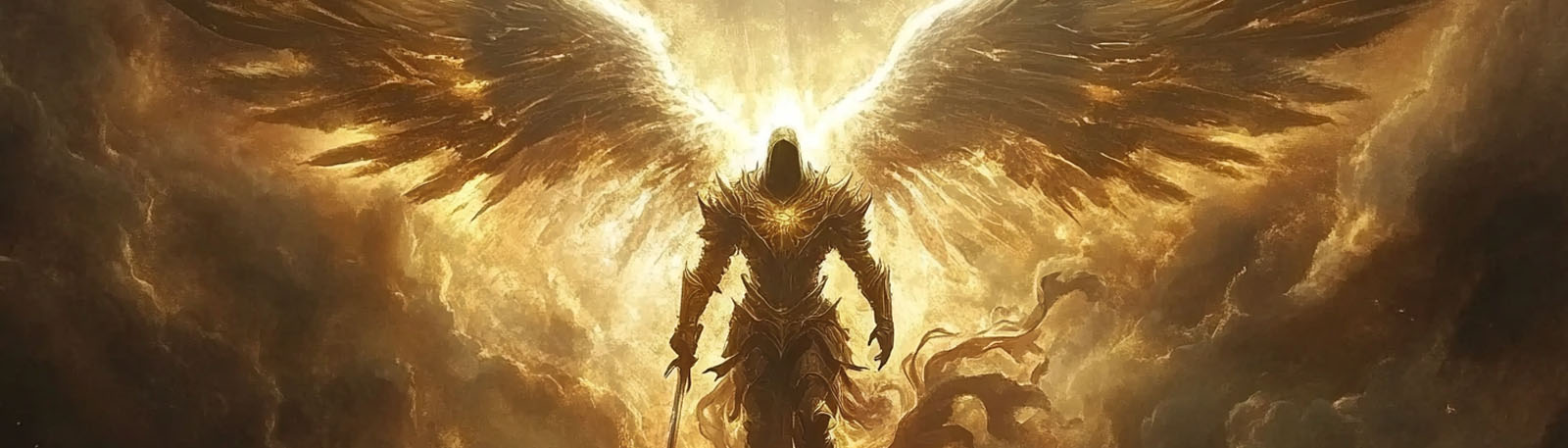
Divine Magic
"Gift, curse, blessing... Such words are mortal illusions. To the gods, this power is singular—it is will, and it is theirs alone."
For as long as mortals have lived, dreamed, and died, the gods have existed beside and beyond them—guiding hands upon the threads of fate that cradle all of mortalkind. Their power is vast, rivaled only by their boundless ambition, and each divine act sends ripples through existence—whether by their sovereign command or through the devoted who serve their will. Individuals entrusted with a portion of a deity’s power—empowered to act as their agents—are practitioners of divine magic.
Clergy & Faith
Nearly every deity commands some measure of worship upon Iolcus. Whether through formal, established churches or whispered rites in hidden sanctuaries, there are always mortals who offer their devotion—be it in desperation or reverence. Yet faith alone is not enough to earn divine favor; to be granted true investiture, one must live with unwavering piety and offer devout tribute, proving themselves worthy in the eyes of the gods.
Anointment
The awakening of divine might is always a momentous event, even if its recipient has yet to grasp its full significance. The rite of anointment varies across faiths, for each god demands different trials of their faithful. For some, it may be as simple as a quiet ritual and whispered prayer beneath moonlight; for others, it may span days or years, requiring offerings of blood, wealth, or even life itself. In rare cases, when a deity turns their gaze directly upon a mortal, anointment may come unbidden—divine power igniting in a moment of desperation, stirred by the god's will. Whatever the path, such a blessing leaves more than just a trace of divinity; it manifests as a sacred emblem—a divine symbol born of piety and purpose.
Divine Symbols
Every deity possesses a sacred symbol by which mortals recognize their dominion—a visage deemed fitting for their divine presence. Ever-present within their faith, these symbols appear in scripture, adorning temples, etched into relics, and borne by the faithful. Yet a divine symbol is more than mere iconography; it is the tangible expression of a god’s authority. Nowhere is this truth more evident than in the moments following anointment. As the rite concludes, a holy symbol always remains—whether it is a preexisting object newly sanctified or a miraculous creation born of the ritual itself. Such symbols radiate a sacred weight, an unmistakable warmth and presence that any follower of the divine can sense at a glance—an undeniable mark of power bestowed from on high.
Edicts & Anathema
While all followers are expected to uphold their god’s teachings, those directly touched by the divine are bound to a far higher standard. As living agents of their deity’s will—be they envoys, preachers, or weapons of divine wrath—they must embody their god’s edicts, advancing their divine purpose in the world. Just as they are called to serve, so too must they stand against all that their god deems anathema—those acts and ideals that defy the core of their faith. To stray from these virtues is not merely failure; it is a betrayal of the divine itself—a transgression that never escapes consequence.
Crisis of Faith
For those who stray from the path of their deity, retribution is inevitable—though not always swift. The gods punish transgression in ways as diverse as their own natures. Some guide wayward souls with subtle signs and minor trials, encouraging reflection and redemption. Others strike without mercy, branding betrayal with curses or calamity. Across all faiths, there are those tasked with seeking out the unworthy—those who would exploit the divine trust—and offering them a chance at atonement. Should they refuse, only one fate remains: a swift and unceremonious fall from grace.
Miracles
The gods work in mysterious ways; just as often as their will is revealed through quiet, subtle signs, it may also be declared in grand and awe-inspiring acts.

Comments