

Wild woad dye
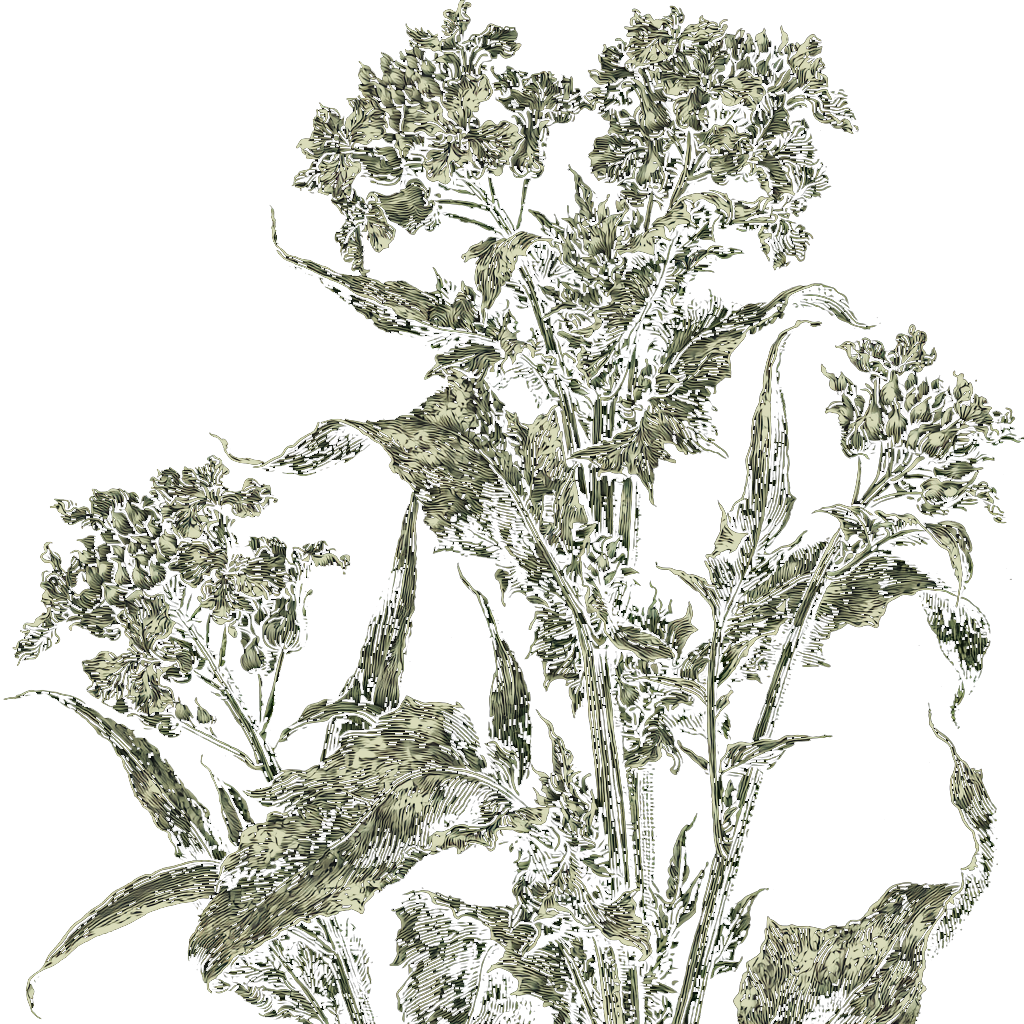
A distinctive dye used across the Swabian regions made from the leaves of woad plants growing wild across the black forest. The plants flowers and fibres are yellowish, and the dye itself turns into a sludgey yellowy brown substance, died for storage in hard balls. When used to dye fabric though, the yellow is transformed into vibrant blue. Many see this transformation as signs of magic, or even devilry at play.
The nobility favour more expensive silks and wools which can be died to deep, near black shades of blue. This requires significant amounts of woad to achieve. The dyes used by the peasants and workers of the area are much more thinly applied to cheaper home-spun cloths woven from nettle and other more readily available plants. This gives the clothes worn by the commoners a mottled appearance of blue-greys and pale-greens. With patience darker tones can be achieved, but the amount of woad required makes this prohibitive to most.
Peasants and midwives living in the many hamlets and villages will harvest the wild woad at night, to avoid angering the owners of the commercially cultivated crops grown nearby. Violent intimidation, and even accusations and punishments for theft are not uncommon to deter the practice, but the many uses in folk medicine, textiles, and traditional religious practices ensured many continue to risk its use.
Locals of the area will typically harvest woad during the late spring to early summer, peaking during the peak flowering season of June to July.
The nobility favour more expensive silks and wools which can be died to deep, near black shades of blue. This requires significant amounts of woad to achieve. The dyes used by the peasants and workers of the area are much more thinly applied to cheaper home-spun cloths woven from nettle and other more readily available plants. This gives the clothes worn by the commoners a mottled appearance of blue-greys and pale-greens. With patience darker tones can be achieved, but the amount of woad required makes this prohibitive to most.
Peasants and midwives living in the many hamlets and villages will harvest the wild woad at night, to avoid angering the owners of the commercially cultivated crops grown nearby. Violent intimidation, and even accusations and punishments for theft are not uncommon to deter the practice, but the many uses in folk medicine, textiles, and traditional religious practices ensured many continue to risk its use.
Locals of the area will typically harvest woad during the late spring to early summer, peaking during the peak flowering season of June to July.
History & Usage
History
Woad has been cultivated and used throughout Europe since pre-Roman times. Cultivation boomed in southern Germany in the late 15th Century, providing dyes to the textile makers of Italy. Much wealth is made by the nobility in their farms along the Rhine valley, and their control at times is ruthless. They will occassional send their forces into the Black Forest to track down common folks foraging for the wild woad found there.
The massive rains and flooding of the Rhine in 1480 caused significant damage to the woad crops, both cultivated and wild. This, followed by the Hungry Winter of 1481 precipitated layoffs of farm workers and precipitate famine across the region. The economic and social disruption from this led to much of the turmoil over the following decade.
The massive rains and flooding of the Rhine in 1480 caused significant damage to the woad crops, both cultivated and wild. This, followed by the Hungry Winter of 1481 precipitated layoffs of farm workers and precipitate famine across the region. The economic and social disruption from this led to much of the turmoil over the following decade.
Cultural Significance and Usage
by Midjourney
Traditionally, it is seen as a symbol of protection and courage, even having mystical qualities, used in rites of birth, death and marriage. Many believe that practitioners of traditional magic employ the woad as a key ingredient in their spells and concoctions.
Many more puritan elements of the churches see these uses as signs of paganism and demonic influence, and are often the most active in stamping out its harvesting and use by the common people, only tolerating its cultivation by the nobility and merchantry backed by Holy Roman Empire.
Most recently this has even seen the targeting and ridicule in the wearing of dyed cloth by anyone other than those in power. It is seen as a sign of nefarious pacts and demonic dealings, or at least as a sign of poor moral and religious conviction.
Refinement
The dye is created through a complex process where the plant's fibres are broken down, and then fermented with the aid of animal urine. The resulting sludge and paste is thick, and has an incredibly strong odour as a result, so much of the work of dying takes place away from the villages where its manufacture is repressed by the big landowners.
The clandestine makers of the wild woad die often store their materials and the paste hidden in caches deep in the black forest. There they will keep the sludge - now a brownish-yellow colour in barrels or stone jars until ready to dye their fabrics.
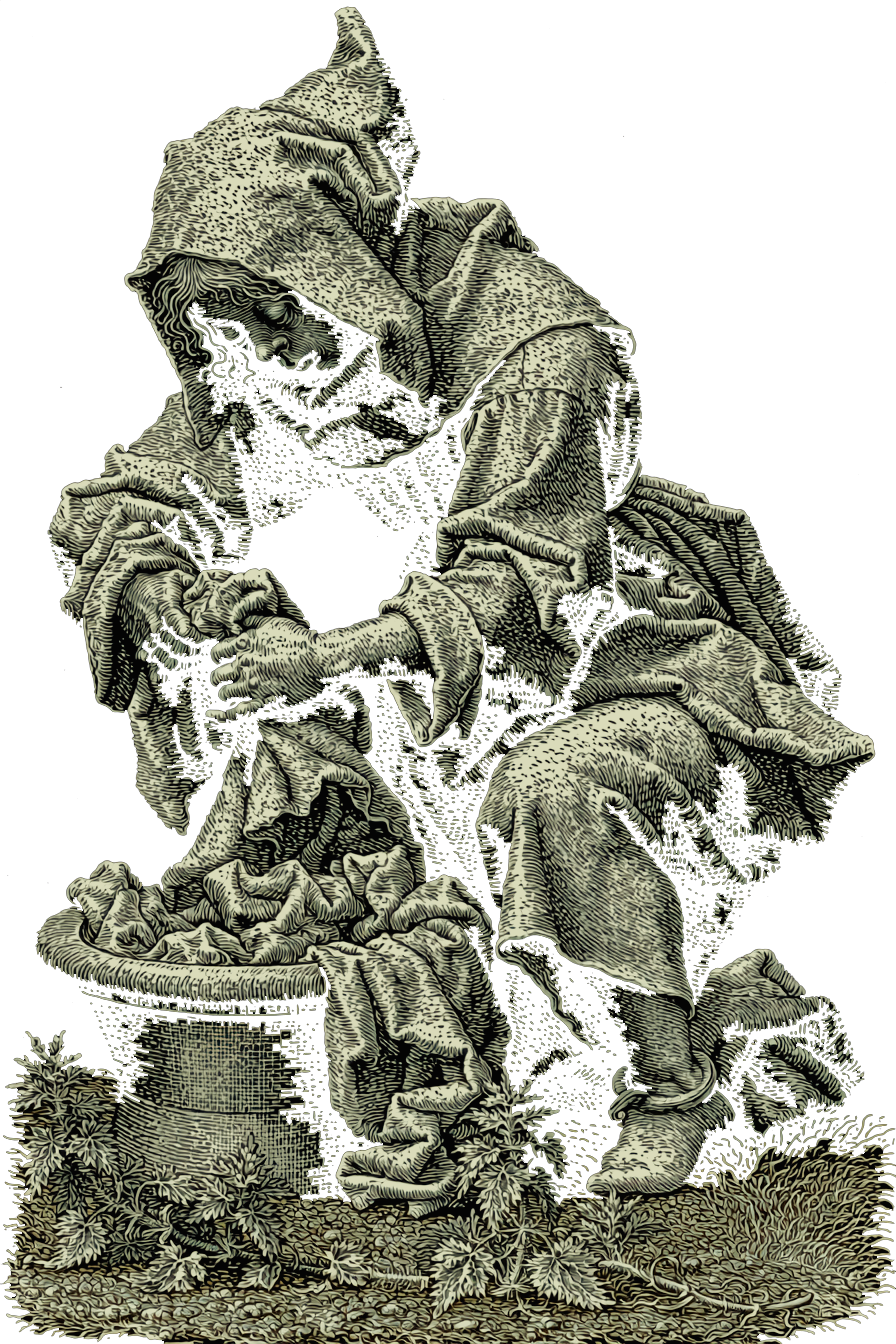
This sludge is made ready for dying by mixing with water, and boiled. At this stage it is a vibrant and deep yellow colour, but the transformation of fabrics when soaked in and then let to dry in the air to turn from yellow to blue is near magical.
The clandestine makers of the wild woad die often store their materials and the paste hidden in caches deep in the black forest. There they will keep the sludge - now a brownish-yellow colour in barrels or stone jars until ready to dye their fabrics.
This sludge is made ready for dying by mixing with water, and boiled. At this stage it is a vibrant and deep yellow colour, but the transformation of fabrics when soaked in and then let to dry in the air to turn from yellow to blue is near magical.
by Midjourney
Odor
A distinctive acrid fermented odour
Color
Yellow
Comments