Theurgy
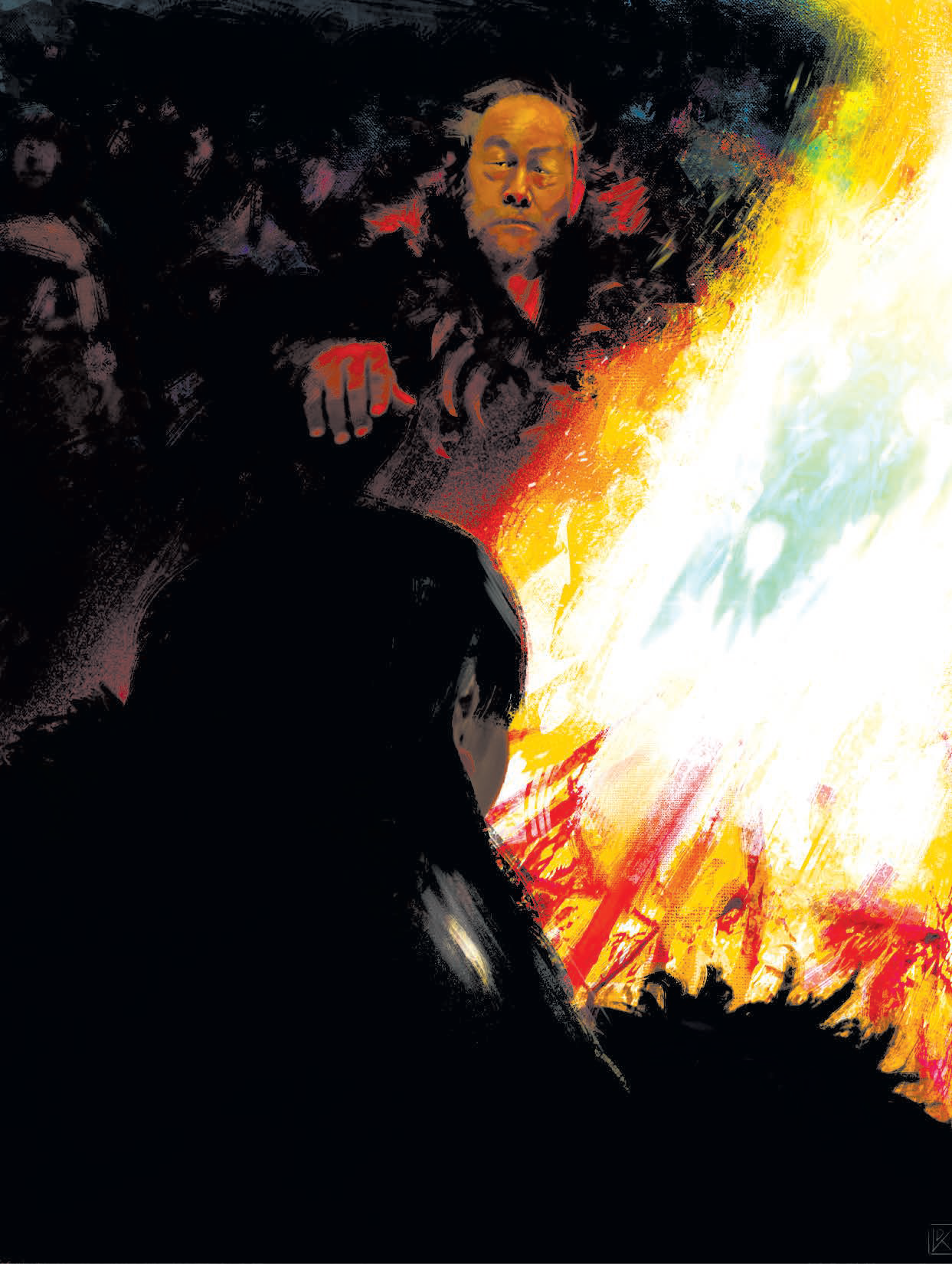
Those who seek power seek out those that grant it. Long ago, before history was scrawled on the scraped skins of beasts or carved into the ancient bones of the earth, the Outsiders served the few humans who could peer into the Od and command their obeisance. Their masters were shamans in times of old, and as humankind built towns and villages, they were sorcerer-kings. The first wizards ruled from thrones of bone carved with the blasphemous runes of demons—they whispered to reality and shaped it to their desires, commanded armies of supernatural monsters that none could withstand, and brought the wisest of the dead back to give them council. It is said that the Outsiders, creatures that live within the Od itself and nowadays rarely walk on this side, were once as numerous as people—they even ruled kingdoms and embraced mortals in physical union, spawning damned and chaos-tainted children.
None now live who saw the world then, and few written texts exist, as time has worn away words and truth. Some Outsiders talk of long ago and how they helped raise humanity to the heights of gods and how such a fellowship may come again, but even a child knows that, although Outsiders can speak every tongue—dead or living—every word spoken is more likely lie than truth. If this golden age of magic ever existed, then it must have also come to an end. Some say the gods sealed the Outsiders behind walls grown from the roots of Yggdrasil to protect the natural order from their pervasive corruption; some say Hekaté sang the Outsiders to slumber because of their interferences in the aes’ schemes; and some say that the first and greatest theurges, after seeing what the price of their bargains and deals laid bare at the end, sacrificed themselves to weave their spirits into a hedge of wards the Outsiders could not pass. No mortal knows how the Outsiders were shorn from the world long ago, and the Outsiders would rather speak of the glory of old and its return than dwell on what happened at its end.
In the centuries that followed, Outsiders were pulled to this world by only the most puissant of sorcerers, using the ancient Pythonic Liturgy and its many variations and methods—and sacrificing greatly of their own lives or the lives of others. The power offered was but a flicker compared to the magics of old—and yet still worth the price for those who had the gift to see that trapped within the Od were allies that long ago made men into kings, wizards, and warriors through gifts of unnatural power.
Now, the wards have fallen. What some call the Extinguishing, theurges and Outsiders call the Night of the Great Unfettering—a fanciful name that brushes aside what was a time of horror for the practitioners of magic. When the gates failed, a great and terrible peal reverberated through the Od—some say it was like a mighty bell ringing and shattering on the other side, others say it was like a giant curtain made from embryonic caul that tore asunder, but most say nothing. Very few who practiced theurgy lived through the event, and most who did survive were driven mad. Worse still were sorcerers whose eyes were on the Od or who had some part of themselves connected to the other side during that moment, for these unfortunates vanished from the world entirely or were transformed into magical horrors that should not be.
So would have been the end of magic, but canny apprentices who survived their masters’ demise, hardy warlocks and witches who found their minds and tongues again, and those drawn to abandoned books and scrolls of arcane lore discovered that Outsiders were once again able to heed the summons of mortal sorcerers. The Unfettering of their bonds meant that, at long last, the time had returned when Outsiders could again be bound by theurges—allied with, enthralled by, and used for the empowerment of humanity. Wizards would rule the world again with Outsiders as their servants, advisors, and benefactors.