Jötunnkin
Before the gods drew humanity from the mud, giants wandered the earth. Each was unique, singular, and broken, orphaned at their creation by the indifferent beings that breathed them into existence. !e gods, wishing to populate the world, could not agree on how to shape their offspring. They experimented with consciousness and form, discarding those that displeased them, losing interest time and time again as fickle artists often do. But instead of wiping the slate clean, the giants were allowed to live: immortal, indomitable, wandering creations without a destiny—each a precursor to the comparative uniformity that would later be called humanity.
The last of these flawed creations, Anak, was the closest in form and function to the humankind that followed, and after millennia of isolation, he met and loved a mortal woman named Sif. Their offspring would become the jötunnkin, and these half giants grew to a large tribe before they were discovered by Mother Wolf and brought to the attention of the gods.
There was talk amongst them that the jötunnkin had no place with the tribes of humanity and, because they weren’t part of their plan for the world, they should be culled, but Yggdrasil claimed them as its own and not another word was spoken on the matter. The World Tree called the jötunnkin to it and bade them carve great halls in its heartwood, which in time became the living city of Kinheimr.
The jötunnkin’s long seclusion was interrupted when the Druids of the Elden Tree made their pilgrimage to bask in Yggdrasil’s glory. After their arduous sojourn across the tundra, these priests of Yggdrasil were warmly met by the jötunnkin. The druids settled among the roots of the World Tree and often shared with the insular jötunnkin tales of the world beyond the sheltering boughs of Yggdrasil. Some younger jötunnkin grew curious about the world of humans and ventured south to see it for themselves. Most eventually returned to rejoin the kin, and in time, it became a tradition for jötunnkin youths to sow their wild oats in the world their cousins had built before returning home to settle down, find a spouse, and start a family of their own.
It was this custom that helped save the jötunnkin from annihilation.
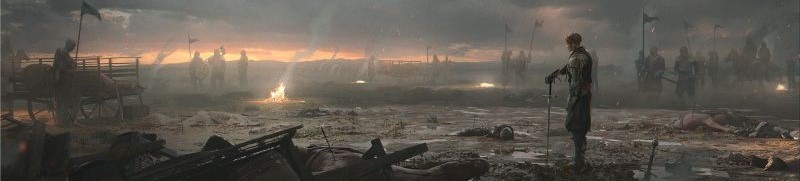
It was only a few years past that the Oligarchs put the final phase of their decades-long plan into motion: deicide. The first of the old gods to fall was Yggdrasil, the threshold to Heaven. They arrived with overwhelming force of arms and mystical might to assault the World Tree. Jötunnkin and druid alike were unprepared for the lightning raid on Kinheimr and the unthinkable events that followed. The Oligarchs rent open Yggdrasil itself, using its Od-piercing growth as a passage to the realm of the gods before shattering it in their wake so none might follow. The World Tree was dead, and its fall was Kinheimr’s. Though a few jötunnkin managed to flee, most were slain in the collapse.
They and the surviving Druids of the Elden Tree fled south from the carnage and found those jötunnkin that had been away as best they could to let them know what had occurred. Many could not, would not, believe what they were told, and they returned to discover the fallen World Tree overrun by the barkborn and the ancient halls of Kinheimr shattered. With no home left to them, they, too, journeyed south to the lands of their human cousins.
Basic Information
Anatomy
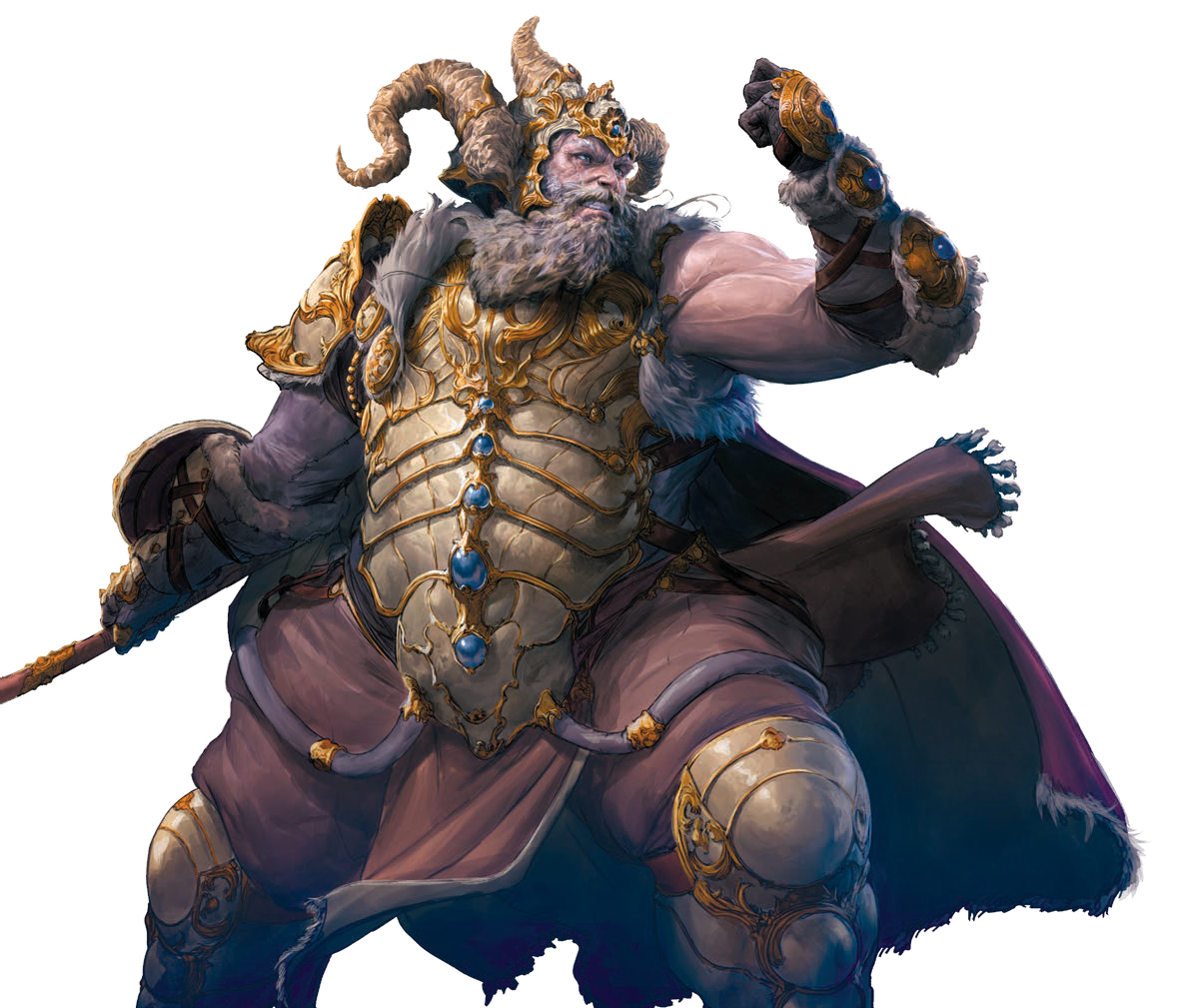
The jötunnkin’s origin stretches back through the ages to the serendipitous mingling of human and giant bloodlines, a people whose place in the tangle of Fate was always uncertain and now hovers at the brink of extinction. Each stands twice the size of a Thulian warrior, with monochromatic skin as thick as an orca’s hide. One might have tallow-colored skin and pink eyes, while another might be mossy green with eyes as white as pearls—the kin are as vibrant and varied as the northern lights. Sadly, few remain. The jötunnkin, robbed of their home beneath Yggdrasil’s branches, must now choose how to meet their inevitable demise.
Like humans, jötunnkin are born, grow old, and die. Some do not even do that, as they, too, are vulnerable to all the myriad threats that affect humanity, even if they are tougher than their small cousins, able to Resist Damage and Injuries they are dealt with a successful Toughness test. Unlike the peoples of humankind, the time of the jötunnkin is done. Their Fate is sealed, so they have none to spend to save themselves from death and worse. There shall be no return of their great people, only a slow slide into inevitable extinction.
And after the Extinguishing, living among the smaller folk, the jötunnkin find themselves both at advantage and disadvantage thanks to their great size. On the one hand, thanks to their height and the length of their limbs, all of their attacks possess the Reach Quality and their Movement increases significantly. Their tremendous might also deals more Damage to foes they strike. On the other hand, the jötunnkin struggle to move and maneuver within most human dwellings, having to crouch or even crawl to get around.
- Ancestral Modifier: +1 to BB, WB, and one Bonus of the player’s choosing; –1 to AB, FB, and one Bonus of the player’s choosing
- Boons: Long Limbs, Strength of the Titans, Unflinching Endurance and one of the player’s choosing
- Banes: Massive, Mortal, Sealed Fate
- Impact on role-play: Moderate