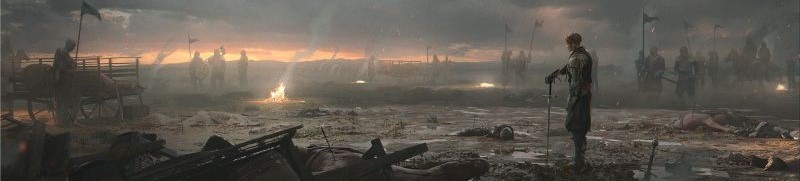
Corvus
God of Death
Soul-stealer, branch-dancer, sky-toucher, night-watcher, ghost-guide, doom-crier, carrion-feaster, charnel-beaked, ash-cloaked
Corvus was the God of Death, the dark crow who oversaw the transmigration of souls from life into what comes next. He could see and touch the invisible world. Lost and roaming spirits cried out to him to lead them to their rightful reward. Because he could take something tangible—life—and steal it away to someplace unseen, he was also considered the patron of thieves, liars, carnival actors, and all those who trade in misdirection and figments.
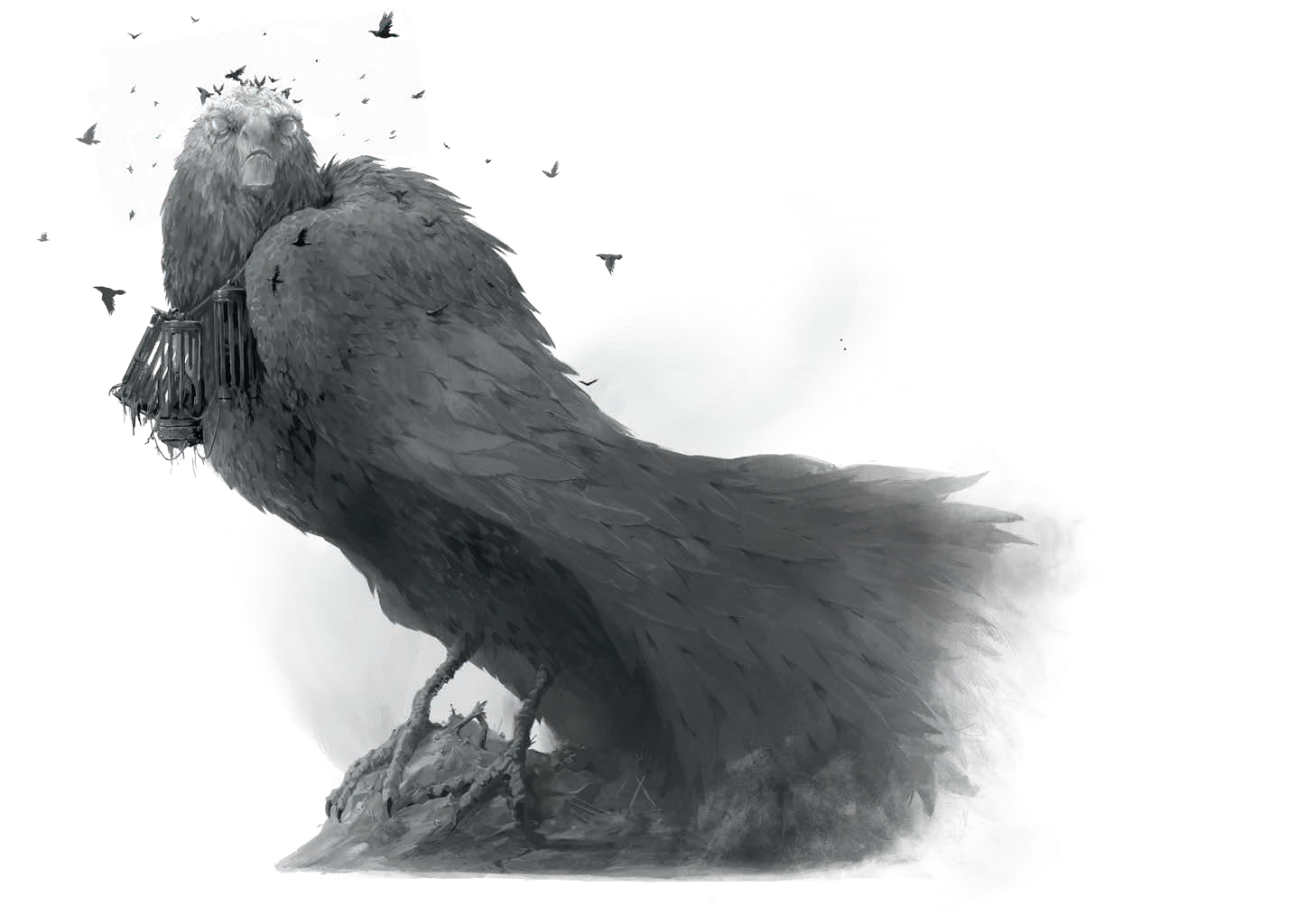
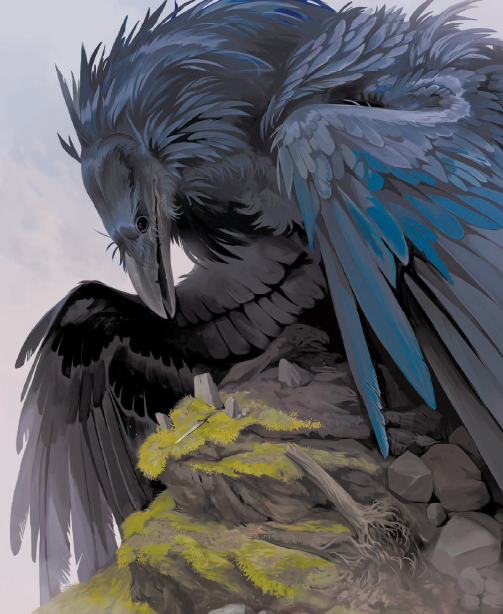
Corvus appeared in the form of a mighty raven whose wings could blot out the sun. His feathers were the black of the darkest regions of the night sky, and his eyes ebony river stones whose cold gaze froze mortals in their tracks. The death rattles of men echoed in his caws and sent shivers down the spines of the living. The peck of his beak reverberated in the hammering that builds the gallows, reminding all who heard it of the lonely, gray lands that await the condemned. His beak pierced corpses and yanked forth the steaming remnant of their souls. He carried these etheric entrails into the death lands to feed the peeping mouths of his freshly hatched doom crows and stark ravens.
Unlike other birds, who were born from Yggdrasil’s leaves, it is said that the corvids—ravens, crows, and rooks—came from the lands of the dead, called by Corvus. Just as ravens seek a conspiracy of their fellows and crows prefer a murder, Corvus summoned a parliament of the dead to aid him.
The doom crows alighted where death was imminent. Corvus was not picky; he did not choose who would live or die—that was the Norns’ business. He and his crows simply scavenged the dead, cleaning their remains and carrying onward their souls. Nevertheless, carrion birds were not protected by him; they had to earn their livelihoods to be worthy of the freedom he had given them.
Corvus circled over the mad and the insane. His stark ravens flocked to these forlorn souls, waiting for the right time to harvest the morsels of their fear-addled minds.
Corvus made his nest in the high branches of Yggdrasil, where he could see all that transpired and read the secrets of the stars. He once hopped onto the vast net of lights and pecked out the North Star to decorate his nest, which unraveled the carefully woven pattern of the Norns. They scolded and threatened him until he reluctantly returned the star to its rightful place in their night weave.
Gold, silver, jewelry, or whatever items of wealth a community could muster were the only sacrifices worthy of Corvus. These were buried under the earth or stacked in storehouses, a tempting target for thieves. Any thief who could break into these hidden hoards or heavily guarded temples and escape with its treasures was considered favored by Corvus. When a community had no real wealth, though, the sacrifice of thieves sufficed— usually by hanging them from a bridge or at a crossroads. In times of plague, the sick were singled out for sacrifice. It was believed that if they came early to Corvus, they would sate his death hunger enough for him to withdraw the disease.
We never take without giving. When you steal something, leave something behind, even if it's just a coin or a hex mark. Theft is a form of death, but nothing ever really dies. Things just trade places.