
Coalveil
Echoes of Coal and Shadows: The Enigmatic Town of Coalveil, West Virginia
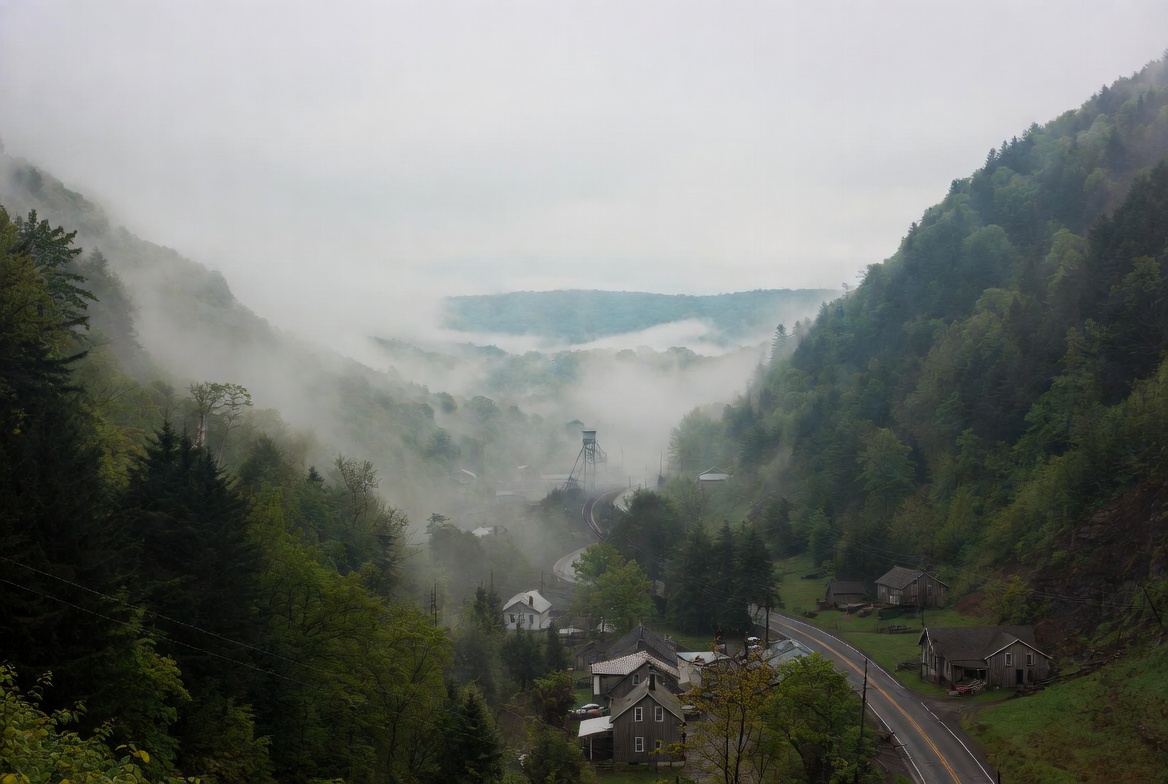
Nestled deep in the rugged Appalachian hills of southern West Virginia, where winding mountain roads give way to dense forests and forgotten railroad spurs, lies Coalveil—a small town that has perfected the art of keeping to itself. With a current population hovering around 800 souls, Coalveil doesn’t appear on most maps in any meaningful way. Visitors are rare, outsiders are noticed immediately, and questions about local affairs are met with polite but firm deflections. Once a thriving coal mining community, this hamlet has reinvented itself in the quietest, most mysterious fashion imaginable: as the unlikely host to a secret U.S. military installation known internally as “Section 8.”
A Legacy Forged in Coal
Coalveil’s story begins, like so many in West Virginia, with the black gold beneath its hills. Founded in the late 19th century during the boom of the New River and Kanawha coalfields, the town sprang up almost overnight as a classic company town. The Coalveil Mining Company, backed by Eastern industrialists, carved deep shafts into the mountains, built rows of modest company houses along the hollows, and constructed the obligatory company store, school, and churches. At its peak in the 1920s and 1930s, the town swelled to over 3,000 residents—miners, their families, railroad workers, and support staff.
The work was brutal. Men descended into narrow seams, battling black lung, cave-ins, and the constant threat of explosions. Coalveil’s tipple roared day and night, loading trains bound for steel mills and power plants. The town earned a reputation for hard work and tighter-knit loyalty; strikes and labor tensions echoed the broader West Virginia Mine Wars, but locals closed ranks quickly. By the mid-20th century, as seams thinned and the industry declined, the mines began closing one by one. Houses emptied. The population dwindled. What remained was a quiet, insular community determined to endure.
The Quiet Transformation
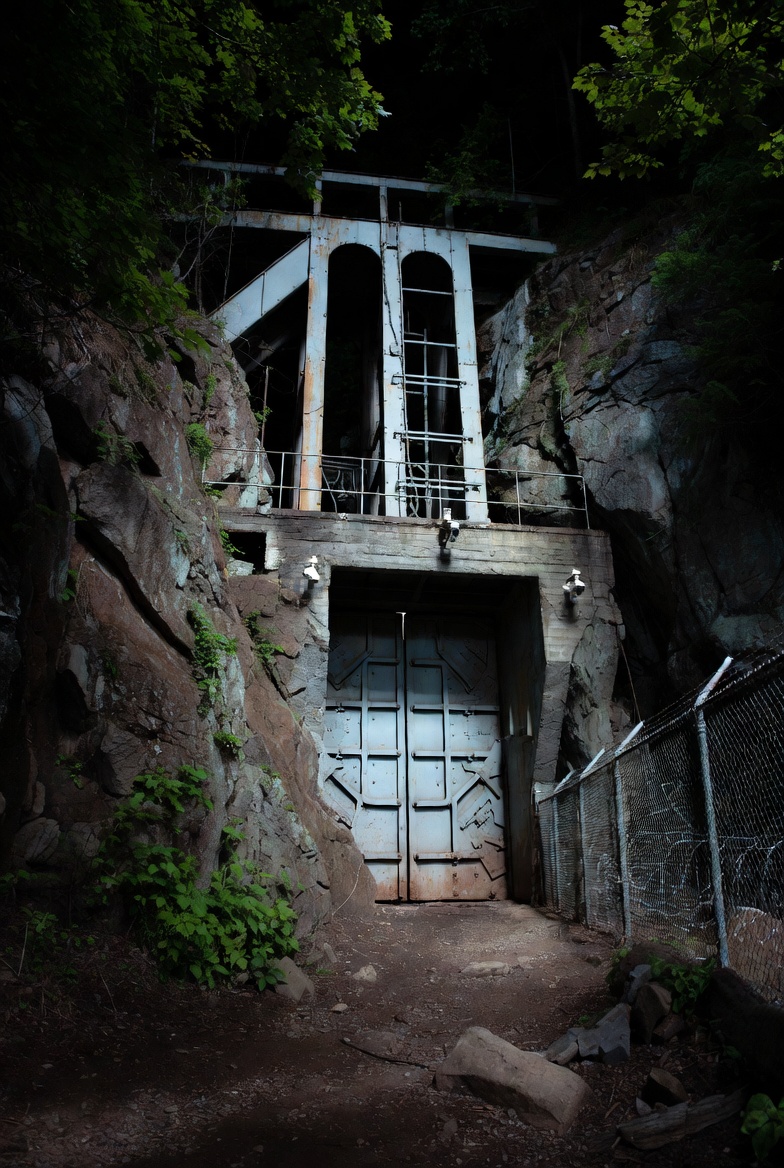
By the 1980s and 1990s, Coalveil had become a shadow of its former self—another fading Appalachian coal town. Or so it seemed. Outsiders who passed through noticed subtle changes: increased security along old access roads, unmarked convoys at night, and a growing number of “new residents” who kept irregular hours and spoke little. Abandoned mine entrances, once left to collapse, received discreet reinforcements. Federal vehicles with government plates appeared more frequently on the single winding state route leading in.
Local lore, shared only in whispers at the remaining diner or the weathered VFW hall, suggests the transformation began in the late Cold War era. The U.S. government, seeking remote, defensible, and low-profile locations for sensitive operations, eyed the honeycomb of exhausted mines and the town’s natural isolation. What better cover than a dying mining community already accustomed to secrecy and self-reliance?
Today, “Section 8” is the whispered name for a sprawling underground and surface facility built into and around the old mine complex. Officially, it doesn’t exist. No public records, no tours, no acknowledgments from the Pentagon. Speculation abounds about its purpose: some claim it’s a research outpost for advanced psychological operations and human performance enhancement—tying into the old military slang for “Section 8” discharges related to mental fitness. Others suggest classified drone operations, secure data storage, or contingency bunkers leveraging the natural geology of the mountains. A few old-timers joke darkly that it’s where the government “hides the weird stuff.”
Life in the Shadow of the Base
Residents of Coalveil maintain an outward appearance of normalcy. The company store is long gone, replaced by a small general store and gas station. There’s a volunteer fire department, a post office that doubles as a community hub, and a handful of churches. Many families still trace their roots to the mining days. Unemployment is higher than average, yet the town shows no outward signs of poverty or distress. Newer homes and subtle infrastructure upgrades hint at steady federal money flowing in—jobs as civilian contractors, support services, and security.
Outsiders are discouraged. GPS often fails in the hollows. “No Trespassing” signs and private security patrols guard secondary roads. Stories circulate of hikers turned away politely but firmly, or lost drivers escorted back to the main highway. Locals are fiercely protective; asking too many questions about “the facility” earns tight smiles and subject changes. “We mind our own business here,” is a common refrain.
Yet life continues with Appalachian resilience. Seasonal festivals celebrate mining heritage (carefully skirting modern realities). Young people leave for bigger cities but some return, drawn by family ties and, perhaps, the quiet stability the base provides. Environmental recovery has been notable too—the forests have reclaimed old slag heaps, and the New River watershed nearby supports fishing and limited tourism elsewhere in the gorge.
A Town That Chooses Silence
Coalveil embodies the contradictions of modern West Virginia: proud of its industrial past, wary of outsiders, and quietly adapting to new realities. The secret Section 8 base has, in many ways, saved the town from becoming another ghost town like nearby Nuttallburg or Kaymoor—preserving homes, roads, and a sense of purpose, even if that purpose remains opaque.
Whether Section 8 represents cutting-edge defense innovation or something more enigmatic, one thing is clear: Coalveil has no intention of revealing its secrets. In an age of constant connectivity and surveillance, this small West Virginia town has mastered the rare skill of staying hidden in plain sight—guarding its hollows, its history, and whatever lies beneath the mountains. If you find yourself driving those twisting backroads, you might catch a glimpse of a faded “Welcome to Coalveil” sign. Best to keep moving. The town prefers it that way.

Comments