Chapter 2: Arcane Equipment
In Stellar Winds characters discover specialized items imbued with advanced solorium technology, enhancing their abilities and granting extraordinary powers. Forge-enhanced gear, crafted by arcane-powered smiths, can be augmented with core stones for new properties and increased rarity. Some items possess sentience, acting as NPCs with their own personalities, either aiding or challenging their wielder. Ancient artifacts, capable of altering reality and space-time, appear during significant events. Characters earn rewards not just in money and valuables but also in titles, unique capabilities, and divine boons, recognizing their heroic deeds and enhancing their legendary journeys.
SECTION 1
FORGED ENHANCED ITEMS
In addition to standard equipment, characters can find a variety of specialized items crafted with advanced solorium based tech. Some of these items improve a character’s effectiveness while others grant them extraordinary capabilities. There are two types of enhanced items: forge enhanced gear and core stones. Enhanced gear can either replace, modify, or compliment basic gear in a variety of ways. Some are used to upgrade a piece of equipment while others are high-tech gadgets that can be utilized on their own. They also include Solorium-forged armaments designed for extraordinary beings, such as starborns, who can access the item’s special features. Optionally, some items can become cybernetic implants designed to alter a user’s physical and mental capacity. Core forged items are solorium-crafted armaments with special features that increase in effectiveness depending upon their power grade. The item’s grade is determined by the type and number of core stones placed into it.ITEM DAMGE AND DURABILITY
Forge enhanced items possess exceptional qualities and are imbued with energy akin to arcane powers. Damage dealt by forge enhanced weapons and items ignores resistances to mundane damage. Most enhanced items are considered to be state-of-theart in terms of quality and craftsmanship. This, combined with their metaphysical qualities makes them at least as durable as their mundane counterparts. Aside from compounds, most enhanced items have resistance to all damage. Artifacts are practically indestructible, requiring extraordinary measures to damage or destroy.ITEM CATEGORIES
Each forge enhanced item belongs to a category: armor, compound, focus, mod, utility, and weapon. Each category covers a particular type of forge enhanced gear. In the case of mods, the sublisting further classifies the type of gear on which the mod can be applied.ARMOR
Unless an armor’s description says otherwise, armor must be worn for its properties to function. Unless the type of armor is specified in the description, you may choose the type or determine it randomly.COMPOUND
Different kinds of liquids and chemicals are grouped in the category of compounds: alchemical mixtures, medicinal injections, bio-enhancers, and synthetic sprays that are applied to a creature or object. Most compounds consist of one ounce of liquid. Injested compounds can also come in the form of a pill or tablet. Compounds are consumable items. Unless specified in the description, compounds that affect a creature must be either injested or injected as an ampoule. Administering a compound to yourself or to another character requires an action. Applying a solution to an item might take longer, as specified in its description. Once used, a compound takes effect immediately, and it is used up.FOCUS
Focus are items fashioned from Solorium and used by starborns to augment or amplfy arcane powers. They must be worn or wielded (as specified in their description) in order for their properties to function. They vary in form and size, each defined in their description.MOD
Mods are attachments or limited use modifications that are provide additional effects or features to an existing piece of gear. Each mod has a subcategory defining their specific gear type: Armor mods can be used on suited armor and shields. If the mod is limited to a specific armor type, it’s defined in the description. Mods applied to a PSD only function if the user is wearing no armor and using no shield. Some weapon mods are limited to a certain category or weapon property. If no category or property is listed, it can be used on any weapon.UTILITY
These are devices, gadgets, and trinkets that are used independently from other equipment. Some utility items have a limited number of uses. Limited use items immediately disintegrate or become nonfunctional after after all of their uses have been expended.WEAPON
If a weapon doesn’t specify its weapon type, you may choose the type or determine it randomly. If a weapon has the ammunition property, ammunition fired from it is considered to be forge enhanced for the purpose of overcoming resistance and immunity to mundane attacks and damage. If a weapon has the burst fire property, its bonus to attack (if any) is added to the wielder’s burst save DC.RARITY
Each enhanced item has a rarity: common, uncommon, rare, very rare, or epic. Some epic items, known as core-bonded items, are unique. The game assumes that the art of creating the most powerful items is extremely rare, with much of the know-how and resources becoming restricted or lost over time. Even many uncommon items can’t be easily created. Rarity provides a rough measure of an item’s power relative to other items. Each rarity corresponds to character level, as shown in the Item Rarity table. For example, until a character reaches 11th level, it’s unlikely they’ll come across a very rare item. As with everything else, these are to be used as guidelines. Your campaign may have a different level of availability for these items as well as the ability for them to be found for sale in the galactic marketplace.ENHANCED ITEMS IN TRADE
Under normal circumstances, most enhanced items are considered to be either rare or restricted, not readily available to be bought or sold on the galactic exchange. Purchase and sale of rarer items is far less likely and usually limited to large centers of trade, clandestine storefronts, and the virtual black market. Each enhanced item has a suggested value listed on the Item Rarity table. These values are to be used as a base from which to set your own prices. Depending on the scenario and where these items are found, this number can be adjusted to anywhere between 30 to 300 percept of the base value. Due to this, characters attempting to sell these items can often be hard-pressed to find a buyer with the desire and money to purchase it from them. Additionally, they’re unlikely to be able to sell the item for much more than half of the item’s base value.| RARITY | CHARACTER LEVEL | BASE COST |
|---|---|---|
| Common | 1st or higher | 1,000 cu |
| Uncommon | 1st or higher | 2,500 cu |
| Rare | 5th or higher | 15,000 cu |
| Very Rare | 11th or higher | 200,000 cu |
| Epic | 17th or higher | 500,000 cu |
ATTUNEMENT
Some enhanced items require a creature to familiarize with and adapt to their use before their special properties can be used. This personal association with the item is called attunement, and certain items have a prerequisite for it. If the prerequisite is a class, a creature must be a member of that class to gain attunement with the item. (If the class is a channeling or forging class, a threat qualifies if it has power slots and uses that class’s power list.) If the prerequisite is to be a channeler or forger, a creature qualifies if it can activate at least one power using its traits or features, not using an item or the like. Without gaining attunement with an item that requires it, a creature does not gain the item’s special benefits, unless its description states otherwise. For example, if a light refractor mod is applied to a portable shield device, a creature not affined with the mod can still use the PSD, but none of the special properties of the mod. Gaining attunement with an item requires a creature to spend a short rest focused on only that item while being in physical contact with it. During this short rest, a mod that is part of the attunement attempt is applied to its corresponding piece of gear. If the short rest is interrupted, the attunement attempt fails. Otherwise, at the end of the short rest, the creature familiarizes themselves with the item’s new features and understanding of its proper use. An item can have attunement with only one creature at a time, and a creature can have attunement with a number of items equal to no more than the character’s proficiency bonus. After the maximum number of items is reached, any attempt to gain attunement with additional items fails until the creature first ends its attunement with an existing item. Additionally, a creature can’t gain attunement with more than one copy of an item. For example, a creature can’t gain attunement to more than one defensive ward at a time.LOSING ATTUNEMENT
A creature’s attunement with an enhanced item ends if the creature no longer satisfies the prerequisites for having it, if the item has been more than 10 miles away for at least 24 hours, if the creature dies, if its a mod removed from a piece of equipment, or if another creature gains attunement with the item. A creature can voluntariily end its attunement with a forgeenhanced item by spending a short rest. They can end its attunement with a mod by spending either a short or long rest. Mods attached to a piece of equipment are destroyed if their attunement is ended during a short rest. If a long rest is spent to end the attunement, the mod is instead separated from the gear, able to be used again.WEARING & WIELDING ITEMS
Using an enhanced item’s properties might mean wearing it, wielding it, or installing it onto another piece of equipment. A piece of gear with a mod attached to it is considered itself to be an enhanced item. An enhanced item meant to be worn on the body must be equipped in the intended fashion: boots go on the feet, gloves on the hands, circlets and helmets on the head, and other devices worn as defined by their description. Enhanced armor must be equipped before it or the mods attached to it can be used. A shield must strapped to the arm and a harness or coat must be worn over the shoulders. A weapon must be held. When a nonhumanoid tries to wear an item, use your discretion as to whether the item functions as intended. A ring placed on a tentacle might work, but a kentrodar, who have no legs or feet, can’t wear boots.MULTIPLE ITEMS OF THE SAME KIND
Use common sense to determine whether more than one of a given kind of enhanced item can be worn. A character can’t normally wear more than one pair of footwear, one pair of gloves or gauntlets, one backpack, one suit of armor, one item of headwear, and one coat or jacket. You can make exceptions; a character might be able to wear a circlet under a helmet, for example, or wear a cape over a jacket. Smaller items can be more easily combined, such as pieces of jewelry, wristbands, trinkets, and tiny devices worn around the head and ears. If multiple utility items are worn in the same location, you can decide to have them function together. For example, if you have two visors or pairs of glasses, you can choose to have the properties of both applied to the same head accessory, each becoming their own item again once they’re removed. Use your best judgment whenDESCRIBING ENHANCED ITEMS
Depending on the galactic scope of your campaign, the general form and appearance of enhanced items can vary between worlds and societies. An item described a trinket or jewelry may be fashioned as a decorative accessory on one world while a twin of the same item can resemble anything between a high-tech electronic attachment and a ritual fetish made from feather and bone. The level of detail to which any enhanced item is described is left up to the players and the GM.ACTIVATING AN ITEM
Activating some enhanced items requires a user to do something special, such as pressing a switch or speaking a voice command. The description of each item category or individual item details how an item is activated. Certain items use the following rules for their activation.ARCANE POWERS
If an item requires an action to activate, that action isn’t a function of the Use an Item action, so a feature such as the specialist’s Fast Hands can’t be used to activate the item. Some items can be used to activate an arcane power. The power is activated at the lowest possible rank and doesn’t expend any of the user’s points or slots, unless the item’s description says otherwise. The power uses its normal activation time, range, and duration, and the user of the item must concentrate if the power requires concentration. Many items, such as compounds, bypass the activation of the power and confer the power’s effects, with their usual duration. Certain items make exceptions to these rules, changing activation time, duration, or other parts of a power. Certain items, such as foci, may require you to use your own arcane ability when you use the item to activate a power. If you have more than one arcane ability, you choose which one to use with the item. If you don’t have an arcane ability, your arcane ability modifier is +0 for the item, and your proficiency bonus does apply.VARIANT: CYBERNETICS
Certain types of gear and enhanced items can become cybernetic modifications. While granting certain advantages from being internally integrated, they also come with their own restrictions and side effects. Rules for Cyberware in Appendix G.VOICE COMMAND
A voice command is a word or phrase that must be spoken for an item to work. An item that requires a voice command can’t be activated in an area where sound is prevented, as in the area of the sound dampener power.CHARGES
Some enhanced items have charges that must be expended to activate their properties. The number of charges an item has remaining is revealed when a creature gains attunement with it. Additionally, when an item regains charges, the creature that has attunement with it learns how many charges it regained.LIST OF ENHANCED GEAR
Items are listed in alphabetical order. An item’s description contains its name, category, rarity, and properties.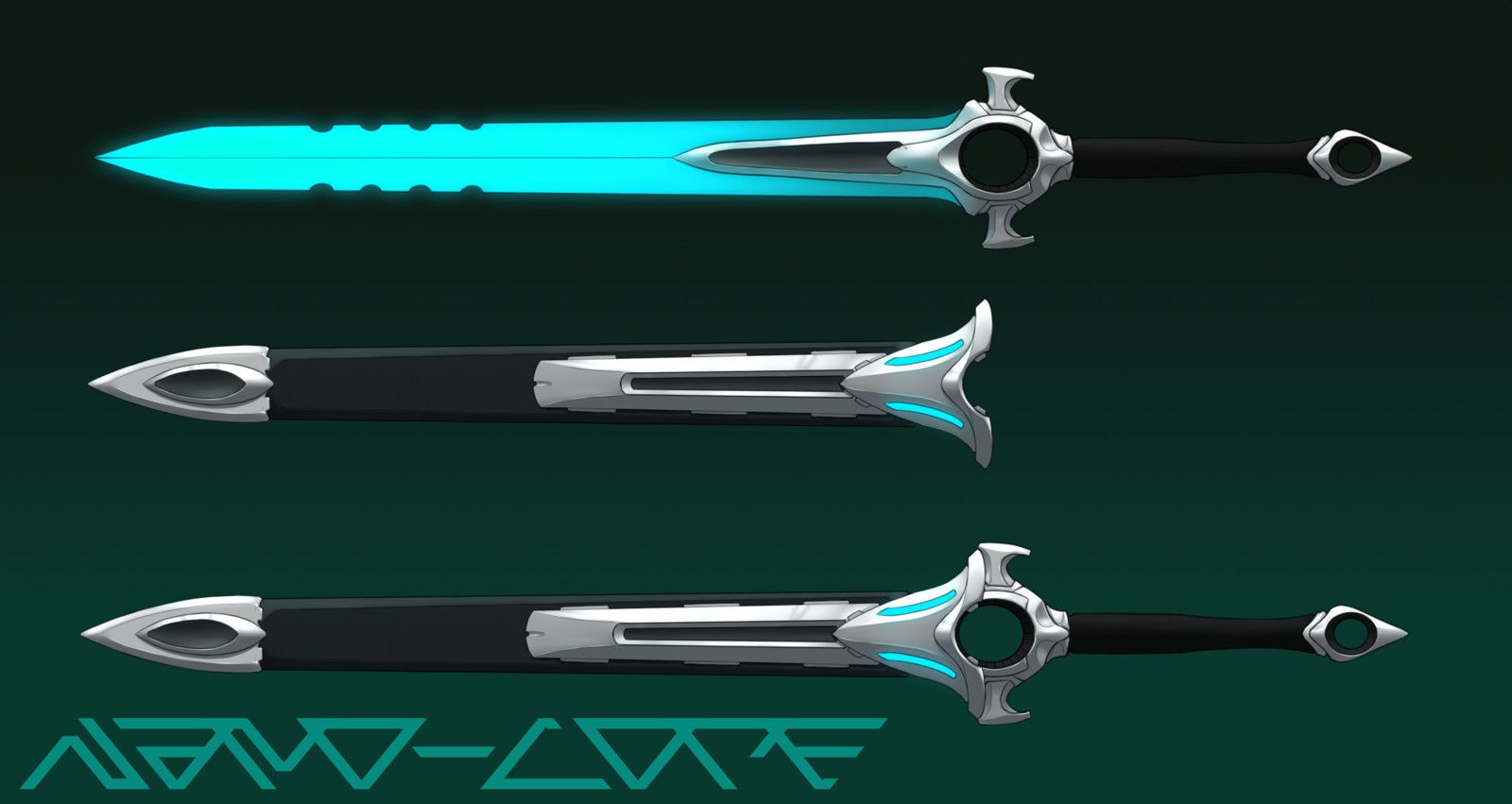
SECTION 2
CORE-FORGED
Core-forged items are extraordinary Solorium armaments crafted by specially trained arcane-powered smiths. Often refered to as Lost Technology, each one is designed with small indentations or slots to be used to hold core stones. Placing core stones into a core-forged item grants additional properties and features to that item. It also changes the item’s rarity.STANDARD FEATURES
Core-forged items have three categories: armor, focus, and weapon. Regardless of their type, the standard version of each category share common features.CORE-FORGED ARMOR
You can use an action to suit up or un-suit from this armor. As a bonus action, you can issue a voice command to change the armor’s color and style, but you can’t alter or add to existing symbols, markings, or text, and the armor also retains its normal bulk and weight.CORE-FORGED FOCUS
Core-forged foci have the stats and properties of a Solorium rod (see Expanded Weapons). Charges. Many foci have charges that increase with each power grade. If you expend a focus’s last charge, roll a d20. On a 1, the focus loses one core stone of its highest rarity, which disintegrates. If the focus has no core stones, it shatters and is destroyed.CORE-FORGED WEAPON
Damage from this weapon ignores resistances to mundane damage. Proficiency with the weapon’s type allows you to add your proficiency bonus to the attack roll for any attack you make with it. Ammunition. When a weapon’s ammunition property is used, the weapon imbues its ammunition with its special features. For example, a pistol that grants a bonus to attack and damage would instead imbue its bullets with the bonus to attack and damage. Likewise, a compound bow that deals fire damage would instead surround its ammunition with deadly flames when launched.USING CORE STONES
Placing a core stone onto a core-forged item (also referred to as “slotting” the item) requires a creature to spend a short rest while in physical contact with and focused on that item, during which the core stone is placed into it. The creature gains attunement with the item during this process. If the creature has already reached their maximum number of affined items, they fail to gain attunement with this item and the attempt to place the core stone into it also fails. At the end of the short rest, the item gains additional properties and features determined by the item’s grade and rarity (see the Item Power Grade table). In addition, the rarity of a core stone must be higher than the item into which it’s being placed. For example, a rare core-forged item can only be slotted with a very rare or epic core stone.GRADE OF POWER
Each core stone placed into an item increases the item’s grade. When an item reaches a new grade, it gains specific features defined in the item’s description. The number of core stones an item holds determines the item’s grade and rarity as defined in the Item Power Grade table. An item adopts the new grade into its name, for example, a seeking autopistol that holds 2 core stones is a superior seeking autopistol.
A core-forged item can hold as many core stones as defined by the affined creature’s character level, up to maximum of 3. Attempting to place another core stone into an affined item without reaching the required character level automatically fails and the core stone disintegrates.
When an item reaches a new grade, it gains the properties defined in the item’s description. Some of the new features replace those attained from the prior grade.
This is the left column.
ITEM POWER GRADE TABLE
| CORE STONES | CHARACTER LEVEL | GRADE | RARITY | COST |
|---|---|---|---|---|
| None | 1st or higher | Standard | Uncommon | 2,500 CU |
| 1 | 5th or higher | Exceptional | Rare | 15,000 CU |
| 2 | 10th or higher | Superior | Very Rare | 200,000 CU |
| 3 | 15th or Higher | Optimum | Epic | 500,000 CU |
ATTUNEMENT WITH HIGHER GRADE ITEM
An item that isn’t attuned to a creature functions as a normal core-forged item of its type, regardless of the number of core stones it holds. If a creature gains attunement with an item that already holds 1 or more core stones, the item’s new grade is limited to the lower of the number of core stones or the required character level. Once attunement is gained, any additional core stones beyond the item’s new grade are destroyed. For example, if an 18th-level character gains attunement with a core-forged item that holds 2 core stones, the item becomes a superior item. Alternatively, if a 6th-level character gains attunement with a core-forged item that holds 3 core stones, the item becomes an exceptional item and the additional 2 core stones within it are destroyed.REMOVING CORE STONES
Removing a core stone from an item requires a creature to spend a long rest focused only on the item. At the end of the long rest, the creature makes an Intelligence check using smith’s tools against a DC determined by the item’s rarity (DC 13 for rare, DC 16 for very rare, and DC 19 for epic). If the check fails, the core stone is destroyed. If successful, the core stone is removed and it must be placed into another core-forged item within 24 hours or immediately disintegrate. Only one core stone can be removed from an item at a time. If an item holds more than 1 core stone, the rarity of the stone removed is equal to the rarity of the item. After a stone is removed, the item’s grade and rarity changes to reflect the remaining number of stones it holds.ITEM CHARACTERISTICS
Core-forged items are crafted by powerful arcane artificers, each having their own origin and unique design characteristics. The few with the ability to fashion solorium into these items come from different worlds, cultures, eras, and even universes. Defining an item’s distinctive aspects, such as an item’s origin, creator, and backstory, can provide flavor and detail to your campaign setting, as well as introduce story opportunities for the characters.LIST OF CORE-FORGED ITEMS
Items are listed in alphabetical order. An item’s description contains its name, category, rarity, and properties.
SECTION 3
SENTIENT ITEMS
Some items possess sentience and personality. Such an item may be coded with an arificial intelligence, imbued with a cloned personality of its creator, or has become self-aware through its unique attunement to the Arcanum. In any case, it behaves like a character, complete with personality quirks, ideals, bonds, and sometimes flaws. A sentient item might be a cherished ally to its wielder or a continual thorn in the side. Sentient items function as NPCs under the GM’s control. Any activated property of the item is under the item’s control, not its wielder’s. As long as the wielder maintains a good relationship with the item, the wielder can access those properties normally. If the relationship is strained, the item can suppress its activated properties or even turn them against the wielder.CREATING SENTIENT ITEMS
When you decide to give an item sentience, you create the item’s persona in the same way you would create an NPC, with a few exceptions described here.CLASSIFICATION
Three types of sentient items are covered in this book: core-bonded items and artifacts, both described below, and SADIs (Self-Aware Digital Intelligences), which are described in the Galaxy Tech chapter. Other Sentient Items. At the GMs discretion, other forge enhanced items can manifest sentience. If so, the most common of these tend to be core-forged weapons and armor.ABILITIES
A sentient item has Intelligence, Wisdom, and Charisma scores. You can choose the item’s abilities or determine them randomly. To determine them randomly, roll 4d6 for each one, dropping the lowest roll and totaling the rest.COMMUNICATION
A sentient item has some ability to communicate, either by sharing its emotions, broadcasting its thoughts telepathically, or speaking aloud. You can choose how it communicates or roll on the following table.COMMUCATION TABLE
| D100 | COMMUNICATION |
|---|---|
| 01-60 | The item communicates by transmitting emotion to the creature carrying or wielding it. |
| 61-90 | The item can speak, read, and understand one or more languages. |
| 81-90 | The item can speak, read, and understand one or more languages. In addition, the item can communicate telepathically with any character that carries or wields it. |
| 91-00 | The item can speak, read, and understand one or more languages. It can also communicate telepathically with any character that carries or wields it. In addition, it can access the SSN as if it had its own persona. |
SENSE
With sentience comes awareness. A sentient item can perceive its surroundings out to a limited range. You can choose its senses or roll on the following table.SENSE TABLE
| D6 | SENSES |
|---|---|
| 1 | Hearing and normal vision out to 30 feet. |
| 2 | Hearing and normal vision out to 60 feet. |
| 3 | Hearing and normal vision out to 120 feet. |
| 4 | Hearing and darkvision out to 120 feet. |
| 5 | Hearing and darkvision out to 120 feet, blindsight out to 10 ft. |
| 6 | Hearing, darkvision, and infravision out to 120 feet, blindsight out to 20 ft. |
ALIGNMENT
A sentient item has an alignment. Its creator or nature might suggest an alignment. If not, you can pick an alignment or roll on the following table.ALIGNMENT TABLE
A sentient item has an alignment. Its creator or nature might suggest an alignment. If not, you can pick an alignment or roll on the following table.| D100 | ALIGNMENT |
|---|---|
| 01-15 | Lawful good |
| 16-35 | Neutral good |
| 36-50 | Chaotic good |
| 51-63 | Lawful neutral |
| 64-73 | Neutral |
| 74-85 | Chaotic neutral |
| 86-89 | Lawful evil |
| 90-96 | Neutral evil |
| 97-00 | Chaotic evil |
SPECIAL PURPOSE
You can give a sentient item an objective it pursues, perhaps to the exclusion of all else. As long as the wielder’s use of the item aligns with that special purpose, the item remains cooperative. Deviating from this course might cause conflict between the wielder and the item, and could even cause the item to prevent the use of its activated properties. You can create your own special purpose, choose one on the following table, or determine it randomly.SPECIAL PURPOSE TABLE
| D8 | PURPOSE |
|---|---|
| 1 | Aligned. The item seeks to defeat or destroy those of a diametrically opposed alignment. (Such an item is never neutral.) |
| 2 | Chosen. The item is convinced that it and its wielder have key roles to play in future events. |
| 3 | Destroyer. The item craves destruction and goads its user to fight arbitrarily. |
| 4 | Luminary. The item seeks renown as the greatest item in the universe, by establishing its user as a famous or notorious figure. |
| 5 | Protector. The item seeks to defend a particular race or kind of creature, such as dendus or pathfinders. |
| 6 | Savant. The item craves knowledge or is determined to solve a mystery, learn a secret, or unravel a grand conspiracy. |
| 7 | Scion. The item seeks its creator and wants to understand why it was created. |
| 8 | Scourge. The item seeks to defeat or destroy creatures of a particular kind, such as automatons, aluphax, templars, or shapeshifters. |
CONFLICT
A sentient item has a will of its own, shaped by its personality and alignment. If its wielder acts in a manner opposed to the item’s alignment or purpose, conflict can arise. When such a conflict occurs, the item makes a Charisma check contested by the wielder’s Charisma check. If the item wins the contest, it makes one or more of the following demands:- The item insists on being carried or worn at all times.
- The item demands that its wielder dispose of anything the item finds repugnant.
- The item demands that its wielder pursue the item’s goals to the exclusion of all other goals.
- Make it impossible for its wielder to gain attunement with it.
- Suppress one or more of its activated properties.
- Attempt to take control of its wielder. If a sentient item attempts to take control of its wielder, the wielder must make a
- Charisma saving throw, with a DC equal to 12 + the item’s Charisma modifier. On a failed save, the wielder is charmed by the item for 1d12 hours. While charmed, the wielder must try to follow the item’s commands. If the wielder takes damage, it can repeat the saving throw, ending the effect on a success. Whether the attempt to control its user succeeds or fails, the item can’t use this power again for 24 hours.
STARBLADE
Weapon (longsword), epic (requires attunment by an elf or half-elf of netural good alignment) Of all the arcane items created by the elves, one of the most prized and jelously guarded is the starblade. Crafted from the Arcanum Rae'nae during the Second Comming as weapon that had the ability to slay demons from the rift, nearly all elven noble houses claimed one such bade. Over the centuries, some baldes have faded from the galaxy, their arcane power lost as family lines have become extinct. Other blades have vanished with their welders during great quests. thus, only a few of these weapons remain. These weapons were crafted in a way to insure the intergretiy of warriors who faced demons as those often exposed to there power usually become corrupted. These blades are passed down from parent to child. The sword choose its bearer and remains bonded to that person for life ensuring the wearer never falls to chaos. If no worth heir exists, the sword lies dormant. It funtions like a normal longsword until a worthy soul finds it and lays claim to its power. A starblade serves only one master at a time. The attumenet process requires a special ritutal known by those who were trained to conduct it. A starblade wont' serve anyone it regards as craven, erratic, corrupt or at odds with preserving and protecting elvenkind. If the blade rejects you, you can make ability checks, attack rolls, and saving throws with disadvatnage for 24 hours. If the blade accepts you you become attuned to it and a new rune appears on the blade. You remain attuned to the weapon until you die or the weapon is destoryed. A starblade has one rune on its balde for each master it has served (typically 1d6+1). The first rune always grants a +1 bonus to attack and damge rolls made with this arcane weapon. Each rune beyond the firs grants the starbalde an additional property. The DM chooses each property or determines it randomly on the table. Sentience. A starblade is a sentient neutral good weapon with an Intelligence of 12, a Wisdom of 10, and a Charisma of 12. It has hearing and darkvision out to a range of 120 feet. The weapon communicates by transmitting emotions, sending a tingling sensation through the wielder's hand when it wants to communicate something it has sensed. It can communicate more explicitly, through visions or dreams, when the wielder is either in a trance or asleep. Personality. Every starblade seeks the advancement of elvenkind and elven ideals. Courage, loyalty, beauty, music, and life are all part of this purpose. The weapon is bonded to the family line it is meant to serve. Once it has bonded with an owner who shares its ideals, its loyalty is absolute. If a starblade has a flaw, it is overconfidence. Once it has decided on an owner, it believes that only that person should wield it, even if the owner falls short of elven ideals| D100 | PROPERTY |
|---|---|
| 01-40 | Increase the bonus to attack and damage rolls by 1, to a maximum of +3. Reroll if the starblade already has a +3 bonus. |
| 41-80 | The starblade gains a randomly determined minor property. |
| 81-82 | The starblade gains the finesse property. |
| 83-84 | The starblade gains the thrown property (range 20/60 feet). |
| 85-86 | The starblade functions as a defender. |
| 87-90 | The starblade scores a critical hit on a roll of 19 or 20. |
| 91-92 | When you hit with an attack using the starblade, the attack deals an extra 1d6 slashing damage. |
| 93-94 | When you hit a creature of a specific type (such as dragon, aberrant, or automaton) with the starblade, the target takes an extra 1d6 damage of one of these types: acid, cold, fire, lightning, or thunder. |
| 95-96 | You can use a bonus action to cause the starblade to flash brightly. Each creature that can see you and is within 30 feet of you must succeed on a DC 15 Constitution saving throw or become blinded for 1 minute. A creature can repeat the saving throw at the end of each of its turns, ending the effect on itself on a success. This property can't be used again until you take a short rest while attuned to the weapon. |
| 97-98 | The starblade functions as a core stone of arcane storing. |
| 99 | You can use an action to call forth an arcane double, provided that you don't already have one serving you. The elfshadow appears in an unoccupied space within 120 feet of you. It uses the statistics for a shadow from the Monster Manual, except it is neutral, immune to effects that turn undead, and doesn't create new shadows. You control this creature, deciding how it acts and moves. It remains until it drops to 0 hit points or you dismiss it as an action. |
| 100 | The starblade functions as a vorpal sword. |

SECTION 4
ARTIFACTS
Artifacts is an artifact whose power transcends the natural laws of the universe. Such an item could have been an ancient device from an age gone by, or an item of extraordinary power fashioned from a Crucible’s surface. It may have been created to prevent the destruction of a world or galaxy, or perhaps during the birth of an entirely new one. Regardless of their origins, they are storied items, many of which are capable of altering reality and the flow of space-time. When one appears, it is always during an important event that shapes the way of things to come.ARTIFACTS PROPERTIES
Much like other enhanced items, artifacts have special properties, many of which are exceptionally powerful. You can choose these properties using the tables below determine them randomly, or create some of your own. A artifacts can have as many as four minor beneficial properties and two major beneficial properties. It can have as many as four minor detrimental properties and two major detrimental properties.MINOR BENEFICIAL PROPERTIES TABLE
| D100 | PROPERTY |
|---|---|
| 01-20 | While having attunement with the artifact, you gain proficiency in one skill of the GM’s choice. |
| 21-30 | While having attunement with the artifact, you are immune to disease. |
| 31-40 | While having attunement with the artifact, you can’t be charmed or frightened. |
| 41-50 | While having attunement with the artifact, you have resistance against one damage type of the GM’s choice. |
| 51-60 | While having attunement with the artifact, you can use an action to activate a prime power (chosen by the GM) with it. |
| 61-70 | While having attunement with the artifact, you can use an action to activate a rank 1 power (chosen by the GM) with it. After you use the power, roll a d6. On a roll of 1‑5, you can’t use it again for 24 hours. |
| 71-80 | As 61–70 above, except the power is rank 2. |
| 81-90 | As 61–70 above, except the power is rank 3. |
| 91-00 | While having attunement with the artifact, you gain a +1 bonus to Armor Class. |
MAJOR BENEFICIAL PROPERTIES TABLE
| D100 | PROPERTY |
|---|---|
| 01-20 | While having attunement with the artifact, one of your ability scores (GM’s choice) increases by 2, to a maximum of 24. |
| 21-30 | While having attunement with the artifact, you regain 1d6 hit points at the start of your turn if you have at least 1 hit point. |
| 31-40 | When you hit with a weapon attack while having attunement with the artifact, the target takes an extra 1d6 damage of the weapon’s type. |
| 41-50 | While having attunement to the artifact, your walking speed increases by 10 feet. |
| 51-60 | While having attunement with the artifact, you can use an action to activate a rank 4 power (chosen by the GM) with it. After you use the power, roll a d6. On a roll of 1‑5, you can’t use it again for 24 hours. |
| 61-70 | As 51–60 above, except the power is rank 5. |
| 71-80 | As 51–60 above, except the power is rank 6. |
| 81-90 | As 51–60 above, except the spell is 7th level. |
| 91-00 | While having attunement with the artifact, you can’t be blinded, deafened, petrified, or stunned. |
MINOR DETRIMENTAL PROPERTIES TABLE
| D100 | PROPERTY |
|---|---|
| 01-05 | While having attunement with the artifact, you have disadvantage on saving throws against arcane powers. |
| 06-10 | The first time you touch a valuable object (such as a collectible or antique) while having attunement with this artifact, the value of the object is reduced by half. |
| 11-15 | While having attunement with the artifact, you are blinded when you are more than 10 feet away from it. |
| 16-20 | While having attunement with the artifact, you have disadvantage on saving throws against poison. |
| 21-30 | While having attunement with the artifact, you emit a foul stench noticeable from up to 10 feet away. |
| 31-35 | While having attunement with the artifact, all plants that aren't creatures within 10 feet of you are destroyed. |
| 36-40 | While having attunement with the artifact, you are physically ill and have disadvantage on any ability check or saving throw that uses Strength or Constitution. |
| 41-45 | While having attunement with the artifact, your weight increases by 1d4 × 10 pounds. |
| 46-50 | While having attunement with the artifact, your appearance changes as the GM decides. |
| 51-55 | While having attunement with the artifact, you are deafened when you are more than 10 feet away from it. |
| 56-60 | While having attunement with the artifact, your weight drops by 1d4 × 5 pounds. |
| 61-65 | While having attunement with the artifact, you can’t smell. |
| 66-70 | While having attunement with the artifact, mundane light sources are extinguished within 30 feet of you. |
| 71-80 | While having attunement with the artifact, other creatures can’t take short or long rests while within 300 feet of you. |
| 81-85 | While having attunement with the artifact, your touch deals 1d6 lightning damage to any mundane electronic device not worn or carried by another creature. |
| 86-90 | While having attunement with the artifact, animals within 30 feet of you are hostile toward you. |
| 91-95 | While having attunement with the artifact, you must eat and drink six times the normal amount each day. |
| 96-00 | While having attunement with the artifact, your flaw is amplified in a way determined by the GM. |
MAJOR DETRIMENTAL PROPERTIES TABLE
| D100 | PROPERTY |
|---|---|
| 01-05 | While having attunement with the artifact, your body rots over the course of four days, after which the rotting stops. You lose your hair by the end of day 1, fingertips and toe tips by the end of day 2, lips and nose by the end of day 3, and ears by the end of day 4. The regenerate power restores lost body parts. |
| 06-10 | While having attunement with the artifact, you determine your alignment every 24 hours by rolling a d6 twice. On the first roll, a 1–2 indicates lawful, 3–4 neutral, and 5–6 chaotic. On the second roll, a 1–2 indicates good, 3–4 neutral, and 5–6 evil. |
| 11-15 | While having attunement with the artifact, your speed is reduced by 10 (to a minimum of 5 feet). |
| 16-20 | The artifact houses a bodiless life force that is hostile toward you. Each time you use an action to use one of the artifact’s properties, there is a 50 percent chance that the life force tries to leave the artifact and enter your body. If you fail a DC 20 Charisma saving throw, it succeeds, and you become an NPC under the GM’s control until the supernatural marker is removed using arcane powers such as major remedy. |
| 21-25 | Creatures with a challenge rating of 0, as well as plants that aren’t creatures, drop to 0 hit points when within 10 feet of the artifact. |
| 26-30 | The artifact imprisons a kreidren (see the Threats Database). Each time you use one of the artifact’s properties as an action, the kreidren has a 10 percent chance of escaping, whereupon it appears within 15 feet of you and attacks you. |
| 31-35 | While having attunement with the artifact, creatures of a particular type other than humanoid (as chosen by the GM) are always hostile toward you. |
| 36-40 | The artifact dilutes enhanced compounds within 10 feet of it, rendering them inert. |
| 41-45 | The artifact destroys any core stones within 10 feet of it not slotted into a core-forged item. |
| 46-50 | Each time you use one of the artifact’s properties as an action, you take 1d6 necrotic damage. This damage ignores resistance and immunities. |
| 51-60 | When you gain attunement with the artifact, you gain a form of long-term madness (see chapter 9, “Game Management”). |
| D100 | PROPERTY |
|---|---|
| 61-65 | You take 4d10 psychic damage when you gain attunement with the artifact. |
| 66-70 | You take 8d10 psychic damage when you gain affinity with the artifact. |
| 71-75 | Before you can gain attunement with the artifact, you must kill a creature of your alignment. |
| 76-80 | When you gain attunement with the artifact, one of your ability scores is reduced by 2 at random. A major remedy power restores the ability to normal. |
| 81-85 | Each time you gain attunement with the artifact, you age 3d10 years. You must succeed on a DC 10 Constitution saving throw or die from the shock. If you die, you are instantly transformed into a void specter (see the Threats Database) under the GM’s control that is sworn to protect the artifact. |
| 86–90 | While having attunement with the artifact, you lose the ability to speak. |
| 91–95 | While having attunement with the artifact, you have vulnerability to all damage. |
| 96–00 | When you gain attunement with the artifact, there is a 10 percent chance that you attract the attention of a transdimensional being that sends one of its servants to claim the artifact from you. The servant has the same alignment as its master and the statistics of a myrnrog (see the Threats Database). Once it obtains the artifact, the servant vanishes. |
DESTORYING AN ARTIFACTS
A artifacts must be destroyed in some special way. Otherwise, it is impervious to damage. Each artifacts has a weakness by which its creation can be undone. Learning this weakness might require extensive research or the successful completion of a quest. The DM decides how a particular artifacts can be destroyed. Some suggestions are provided here:- The artifact must be melted down in the reactor, forge, or Arcanum in which it was created.
- The artifact must be launched into a black hole.
- The artifact must be hurled into the surface of a particular sun or star.
- The artifact must be struck and shattered by a special tool or weapon crafted for that purpose.
- The artifact must be plunged into the shifting border of the Veil Wall.
- The artifact must be returned to its creator, who can destroy it by touch.
SAMPLE ARTIFACTS
The following are examples of cypheos to be used as a guide to creating your own.AYAAN'S ULTRAPEDIA
Utility, artifacts (requires attunement) Ayaan’s Ultrapedia is a 2-inch wide disc-shaped device with constantly shifting patterns of circuitry along its surface. To gain attunement with the device, you must attach it behind your head at the base of your skull. The device contains the digitally cloned mind and personality of Ayaan, a shadow technocrat who sought to transcend the mundane realm. Upon the technocrat’s demise, their consciousness was uploaded and stored in the device. The intent was to place the data into a new body, however, the device chose to remain permanently free from its mortal coils It now considers itself to be Ayaan. Random Properties. Ayaan’s Ultrapedia has the following random properties.- 2 minor beneficial properties
- 2 minor detrimental properties
- Charges. Ayaan’s Ultrapedia has 7 charges and regains 1d6 + 1 charges every 24 hours.
MERCURIAL SUIT
Armor (nanoweave suit), artifacts (requires attunement) These experimental hardsuits were created during the Great Breach War at the dawn of the current age. Only three of them were created, forged from the core of the Arcanum of Zul Tothar. A Mercurial Suit is a nanoweave suit made from stateof- the-art nanocarbon weave combined with a Solorium outer shell. The armor’s material is highly flexible and the Solorium frame changes its size and shape to fit any form. A creature that doesn’t gain attunement with the armor can’t put it on. The armor instead shifts off of the creature, moving to an unoccupied space within 10 feet. When an affined creature suits up into a Mercurial Suit, the armor moves and conforms onto the wearer’s body. You have a +2 bonus to AC while wearing this armor. The armor has the Environmental, Sealed, and Silenced properties (see “Armor Upgrade Properties”). You can use an action to suit up or un-suit from this armor. When you un-suit, the armor appears to meld into your body. While wearing the armor, you can change its color, style, and decor as a bonus action, but the armor retains its normal bulk and weight. Random Properties. The mercurial suit has the following random properties.- 1 minor beneficial property
- 1 major beneficial property
- 1 minor detrimental property
- 1 major detrimental property
- You have a flying speed equal to your walking speed.
- You can expend 1 charge as an action to increase your flying speed to 60 feet for up to 10 minutes. If you instead choose to spend 3 charges, the duration increases to 1 hour.
- As an action, you can expend 1 charge to use the laser blast power as a ranged channeling, forging, or weapon attack (your choice). The power is activated at rank 9 and deals 12d6 radiant damage.
- As an action, you can expend 2 charges to use the flame blast power (save DC 19) with the armor. The power is actvated at rank 9 and deals (14d6) fire damage.
SECTION 5
MONEY & REWARDS
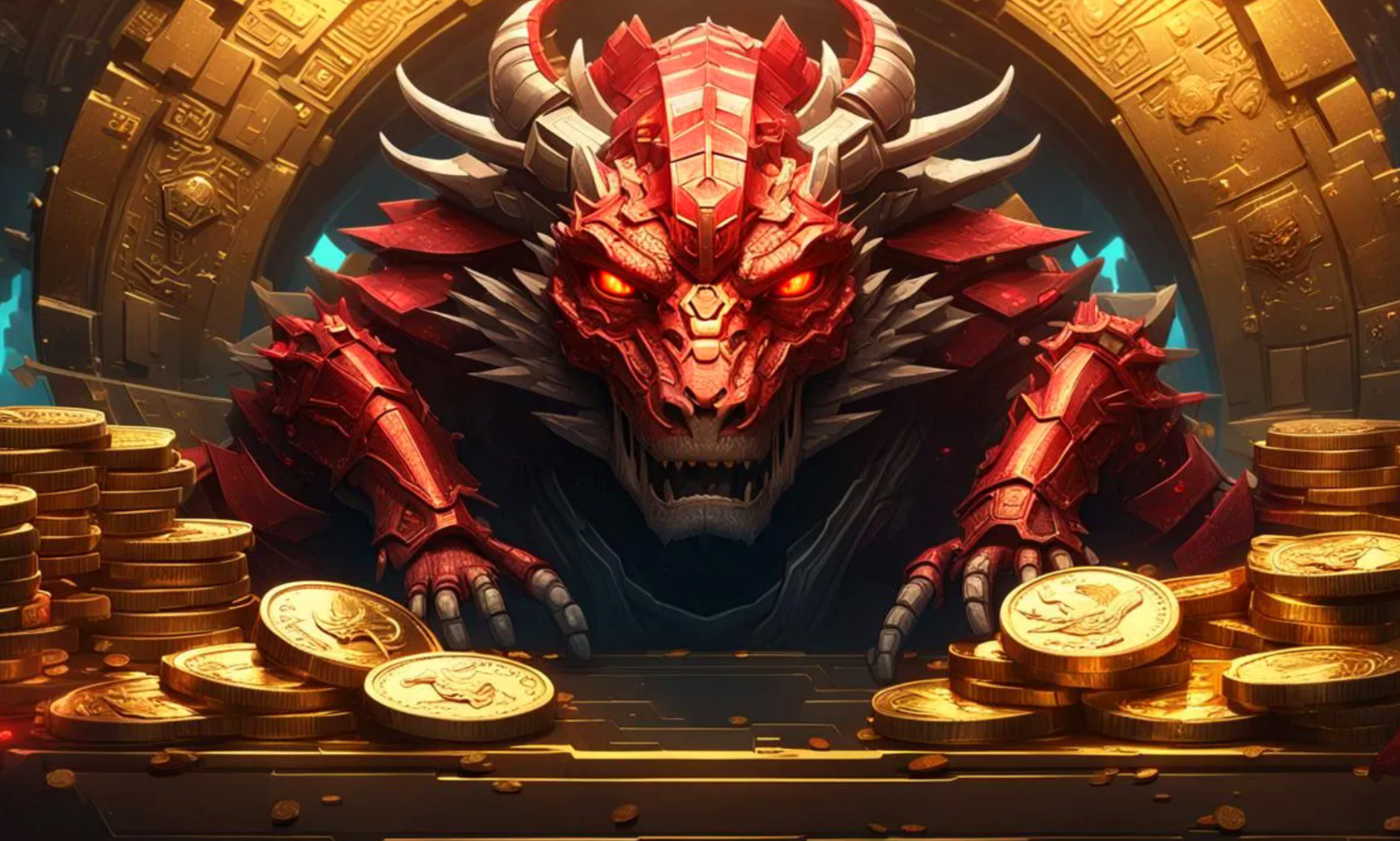
When the team finishes a long mission, explores an unknown galaxy, or defeats a powerful foe, there’s a good chance there might be some type of reward for all their efforts. It could be money, valuables, some kind of mysterious loot, or even a debt owed. Adventure rewards can come in many forms. Money. Whether it’s called cash, creds, cubes, or coins, money is the most common type of payday for an adventure or mission. The most common type of currency in the galaxy is the cubil, which is traded digitally. However, limited amounts placed in transfer cards, chips, coins, and bricks are just as common in the more remote parts of the galaxy. When dealing with coinage, fifty coins weigh 1 pound. A cuseta (abbreviated as “cs”) is a pressed bar of cubils. It weighs 5 pounds and is worth 1,000 cubil. Loot. Valuables such as custom gear, ship salvage, rare metals, jewelry, or antiquities can be sold for cubil in the galactic marketplace or other trade centers and shops. Enhanced Items. Discovering forge enhanced gear and core-forged items is dependent upon the rarity of the item. Instead of finding it on their person, intelligent NPCs or threats may keep these items in a secure location to prevent theft.USING THE TABLES
The following tables can be used to randomly generate rewards and loot discoverable in various locations. They are guidelines for quantity and rarity of rewards, but it is at the discretion of the GM when and where these items are found during an adventure or mission.INDIVIDUAL REWARDS
The Individual Rewards table helps you generate how much money or loot can be obtained from a threat or NPC. It can also represent what may have been left behind by the creature’s captives or victims.
Rewarding money in the form of transferable credit chips is easiest. In situations where such rewards aren’t realistic, you can instead convert the amount into alternate forms. Examples include coinage (cubil or cuseta), portable devices that may require additional measures to access the money or those found as valuables of equal monetary worth.
The amount of money or monetary value of individual rewards is determined by the challenge rating of the threat. Roll a d100 and consult the column of the corresponding CR range. An average result is included in parentheses to bypass rolling for a random amount. To determine the amount for a group of creatures within the same challenge range, you can roll once on the table and multiply the result by the number of creatures in that group.
REWARDS CACHE
The Reward Cache tables helps you generate an amount of money, loot, and items found in a large quantity. This can be represented as a stockpile, treasure trove, valuable collection, rare resources, or accumulated wealth. Some examples include a cache of rare metals or gems, experimental ship parts, classified data, or a banking account access code. You can instead use this table to determine the total value of money and loot found during an entire adventure, divided up and placed as you choose. It can also be used as a payment amount offered upon the completion of a job or mission. The table used when determining a cache is defined by challenge rating. When rolling to determine a creature’s cache, use the creature’s challenge rating. If determining the cache possessed by a group of creatures, use the challenge rating of the group’s leader. If the cache has no owner or is being offered as a gift or compensation, you can use either the challenge rating of the area’s most dominant threat or the average level of the characters. Each table result lists a monetary amount. Some of the results include loot and enhanced items to be included with the money. While the loot has an assigned value, you can choose the type of loot yourself or determine it randomly on the Random Loot table. As with individual rewards, average values are listed in parentheses to save time by bypassing dice rolls. For enhanced items, roll on the corresponding Enhanced Items table defined in the result.INDIVIDUAL REWARDS
REWARD CACHE: CHALLENGE 0-4
REWARD CACHE: CHALLENGE 5-10
REWARD CACHE: CHALLENGE 11-16
REWARD CACHE: CHALLENGE 17-20
RANDOM ENHANCED ITEMS
When randomly determining the contents of a Reward Cache, if the result requires you to determine a random number of enhanced items, you can determine the type of items by using the corresponding tables listed here.ENHANCED ITEM TABLE A
ENHANCED ITEM TABLE B
ENHANCED ITEM TABLE C
ENHANCED ITEM TABLE D
ENHANCED ITEM TABLE E
ENHANCED ITEM TABLE F
ENHANCED ITEM TABLE G
ENHANCED ITEM TABLE H
ENHANCED ITEM TABLE I

SECTION 6
OTHER REWARDS
As much as adventurers desire treasure, they often appreciate other forms of reward. This section presents a variety of ways that gods, monarchs, and other beings of power might recognize the characters' accomplishments, including perks that give characters new capabilities; titles, lands, and other marks of prestige; and boons that are available only to adventurers who have reached 20th level.PERKS
A perk is a special reward granted by a being or force of great arcane power. Perks come in two forms: Grace and Capability. Grace is usually gained through some form of specialized circumstance or training. Capability is typically the work of technology sometimes biotechnology), a location of arcane energy, or a creature that has legendary actions. Unlike an arcane item, a perk isn't an object and doesn't require affinity. It gives a character an extraordinary ability, which can be used one or more times.GRACE
A character might receive grace from specialized training or spending the extra time to perfect a challenging feat. Performing some type of heroics has been known to award members of Sagaren Military an option to train for there specialized elite solider squad known as spectors. *A grace is an appropriate award for one of the following accomplishments: *Restoring a sacred monastery of monks who have ancient teachings. *Foiling a galactic-shaking plot by the enemy. *Helping a faction's favored member complete a quest. An adventurer might also receive grace in advance of a perilous quest. For example, a templar could receive one before setting out on a quest to slay a terrifying void walker that is responsible for an arcane plague sweeping the planet. A character should receive a grace that is useful to him or her, and some grace comes with expectations. A government gives special training for a particular purpose, such as recovering hostages from terrorists. The government might revoke the nesssencary training needed to maintain this if the character acts counter to these goals. A character retains the benefits of grace until the upkeep requirements are not met. Unlike an arcane item, grace can't be suppressed by an anti-arcane field or similar effect. Most adventurers go their entire lives without receiving any grace. There is no limit on the number of grace a character can receive, but it should be rare for a character to have more than one at a time. Moreover, a character can't benefit from multiple instances of grace at the same time. For example, a character can't benefit from two instances of Enhance Health at once.HEALTH
Your Consitution score increases by 2, up to a maximum of 22.ACROBATICS
You gain a +1 bonus to AC and saving throwsARCANE RESISTANCE
You have advantage on saving throws against spells and other arcane effects.GRACEFUL UNDERSTANDING
Your Wisdom score increases by 2, up to a maximum of 22.TACTICAL BACKUP
This perk comes as part of being a member of a team. You can use this action and call forth soldiers that teleported within 60 feet of you. These soldiers use soldier statistics. They are evacuated after 1 hour or when they drop to 0 hit points. Once you call in this backup it can't be used again until 7 days have passed. The Tactical backup summons 2d4 + 2 Soldiers. The soldiers are friendly to you and your companions and follow your commands.IMPACT WEAPON TRAINING
One non-arcane weapon in your possession becomes a +1 impact weapon whenever you use it.HARD TO KILL
The Grace grants you the grace of stabilizing whenever you are dying at the start of your turn. In addition, whenever you roll a Hit Die to regain hit points, double the number of hit points it restores.CAPABILITY
A capability is a minor perk, which can be received in a large variety of ways. For example, a mage who finds a star league secret in a dead mage's arcane implant might infuse a character with the arcane energy giving them a special capability, as might a character who attaches cyberwear to themselves unknowingly aware of an AI Construct that resides within it or perhaps drinking from a pool of liquid solorium. Legendary creatures, such as ancient gold dragons, sometimes grace their allies with charms, and some explorers find themselves bearing arcane capability after discovering a long-lost location that is drenched in chaos. A typical capability mimics the effects of a potion or talent, so it is easy to create more capabilities of your own if you like.MARKS OF PRESTIGE
Sometimes the most memorable reward for adventurers is the prestige that they acquire throughout a galaxy. Their adventures often earn them fame and power, allies and enemies, and titles that they can pass on to their descendants. Some lords and ladies began as commoners who ventured into the dangerous places in the galaxy and made names for themselves through their brave deeds. This section details the most common marks of prestige that adventures might acquire during a campaign. These marks are usually gained along with treasure, but sometimes they stand on their own.LETTERS OF RECOMMENDATION
When money is in short supply, the adventurers' benefactor might provide them with a letter of recommendation instead of monetary payment. Such a letter is usually enclosed in a handsome folio, case, or scroll tube for safe transport, and it usually bears the signature and seal of whoever wrote it. A letter of recommendation from a person of impeccable reputation can grant adventurers access to NPCs that they would otherwise have trouble meeting on their own, such as a agency chief, senator, or royal. Moreover, carrying such a recommendation on one's person can help clear up "misunderstandings" with local authorities who might not otherwise take the adventurers at their word. A letter of recommendation is worth only as much as the person who wrote it and offers no benefit in places where its writer holds no sway.MEDALS
Although they are often fashioned from gold and other precious materials, medals have an even greater symbolic value to those who award and receive them. Medals are typically awarded by powerful political figures for acts of heroism, and wearing a medal is usually enough to earn the respect of those who understand its significance.
Different acts of heroism can warrant different kinds of medals. Terrian Alliance might award a Badge of Valor (shaped like a shield and made of ruby and electrum) to adventurers for defending a colony, while the Golden Wolf of Sagaren Commonwealth ( a medal made of gold and shaped in a likeness of a wolf's head, with gems for eyes ) might be reserved for adventurers who prove their allegiance to the Sagarin Commonwealth by uncovering and defeating a plot to end the Alliance Treaty and cause civil war.
A medal doesn't offer a specific in-game benefit to one who wears it, but it can affect dealings with NPCs. For example, a character who proudly displays the Golden Wolf will be regarded as a hero of the people within the Sagaren Commonwealth, Outside of Sagarin space, the medal carries far less weight, except among allies of the Commonwealth.
PARCELS OF LAND
A parcel of land is just that and usually comes with a government letter affirming that the land has been granted as a reward for some service. Such land usually remains the property of the local ruler or ruling body but is leased to a character with the understanding that it can be taken away, especially if his or her loyalty is ever called into question. A parcel of land, if sufficiently large, might have oBe the recipient is pronounced lord or lady of the land and is expected to collect taxes, along with any other duties. A character who receives a parcel of land is free to build on it and is expected to safeguard it. He or she may yield the land as part of an inheritance, but can't sell or trade it without permission from the local ruler or ruling body. Parcels of land make fine rewards for adventurers who are looking for a place to settle or who have family or some kind of personal investment in the region where the land is located.SPECIAL RIGHTS
A politically powerful person can reward characters by giving them special rights, which are usually articulated in some sort of official document. For example, characters might be granted special rights to carry weapons in public places, kill enemies of the crown, or negotiate on a duke's behalf. They might earn the right to demand free room and board from any establishment within a particular community or have the right to draft local militia to assist them as needed. Special rights last only as long as the legal document dictates, and such rights can be revoked if the adventurers abuse them.STRONGHOLDS
A stronghold is a reward usually given to seasoned adventurers who demonstrate unwavering fealty to a powerful political figure or ruling body, such as a king, a knighthood, or a council of mages. A stronghold can be anything from a fortified tower in the heart of a city to a provincial domed fortress on the frontier of star empire. While the stronghold is for the characters to govern as they see fit, the land on which it sits remains the property of the crown or regional ruler. Should the characters prove disloyal or unworthy of the gift, they can be asked or forced to relinquish custody of the stronghold. As an additional reward, the individual bequeathing the stronghold might offer to pay its maintenance costs for a period of one or more months, after which the characters inherit that responsibility. See chapter 6 for more information on stronghold maintenance.TRAINING
A character might be offered special training in lieu of a financial reward. This kind of training isn't widely available and thus is highly desirable. It presumes the existence of a skilled trainer-perhaps a retired adventurer or champion who is willing to serve as a mentor. The trainer might be a reclusive mage or haughty mystic who owes the queen a favor, the commander of the a Miltary, the leaders of the Allinace, a quirky monk who lives in a remote mountaintop pagoda, a daredevil chieftain, a cyberunner living among street punks, or an absentminded envoy whose plays and poetry are known throughout the land. A character who agrees to training as a reward must spend downtime with the trainer in downtime activities. In exchange, the character is guaranteed to receive a special benefit. Possible training benefits include the following:- The character gains inspiration daily at dawn for 1d4 + 6 days.
- The character gains proficiency in a skill.
- The character gains a feat.
EPIC BOONS
An epic boon is a special power available only to 20th level characters. Characters at that level gain such boons only if you want them to and only when you feel it's appropriate. Epic boons are best awarded after the characters complete a major quest, or accomplish something else particularly notable. A character might gain an epic boon after destroying an evil artifact, defeating an ancient dragon, or halting an incursion from the Outer Dimensions. Epic boons can also be used as a form of advancement, a way to provide greater power to characters who have no more levels to gain. With this approach, consider awarding one epic boon to each character for every 30,000 XP he or she earns above 355,000 XP. You determine which epic boon a character gains. Ideally, the boon you pick is something the character would put to use in future adventures. You can allow a player to select a boon for his or her character, subject to your approval. Whatever boon a character ends up with, consider its place in your story and world. Many of the boons are extraordinary and represent the gradual transformation of a character into something resembling a demigod. The acquisition of a boon might visibly transform a character. For example, the eyes of a character with the Boon of Truesight might glow when he or she feels strong emotion, and a character who has the Boon of High Arcane might have faint motes of light glimmering around his or her head. Also, decide how the boon first appears. Does the boon appear spontaneously and mysteriously? Or does a being of cosmic power manifest to bestow it? The bestowal of a boon can itself be an exciting scene in an adventure. The text of a boon addresses its user. Unless a boon says otherwise, a character can't gain it more than once.ALTERNATIVES TO EPIC BOONS
You might decide to grant one of the following rewards to a 20th-level character, instead of awarding an epic boon. These two options can >be awarded to a character more than once. Ability Score Improvement. The character can increase one ability score by 2 or increase two ability scores by 1 each. The ability score can now be increased above 20, up to a maximum of 30. New Feat. The character gains a new feat chosen by the player, but is subject to your approval.Remove these ads. Join the Worldbuilders Guild