

Primis TTRPG Setting
Summary
Sixty years after the fall of the Holmenic Order, the region of Mystel has entered an era of radical transformation. It is now 1660 EE and the ancient taboos against magic have crumbled, giving rise to a turbulent fusion of arcane research and industrial ambition. At the heart of this revolution stands Seagraive, where the powerful Centurio Company has ushered in a new age of factories, steamworks, and magi-tech development called animatics—blending industry with remnants of long-forbidden Skarric knowledge.
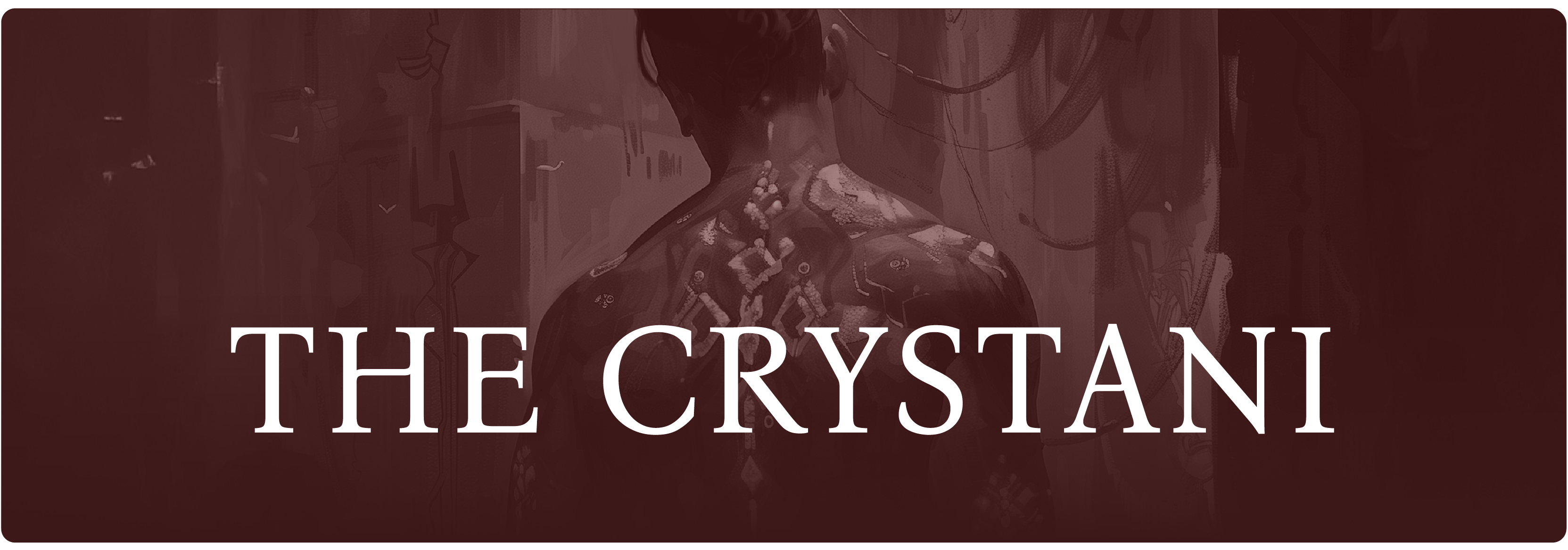
With the Holmenic Order disbanded, new institutions have filled the void. Chief among them is the Howlester Institute, a hub of sanctioned magical research and arcane innovation. Here, Auramancy—once punishable by death—is now studied openly, though not without ethical cost. Crystani, individuals born with rare and potent aura sensitivity, are both revered and exploited in arcane experimentation, their bodies marked by glyphs said to “protect” them… and those around them.
Yet not all embrace the new Mystel. The gap between the elite and the common folk has widened. Dae-ruks, beast-marked descendants of ancient druidic tribes, still face deep-rooted prejudice. Extremist factions like Skasurro strike from the shadows, demanding liberation for the oppressed through violent means, while The Seekers, Mystel’s corrupt law enforcers, profit from the illegal skarric relic trade they were meant to contain.
Mystel stands on a precipice—haunted by relics of the past, electrified by progress, and strained by unrest. Whether this new age becomes a renaissance or a reckoning depends on who controls the forces—both magical and political—that now shape the fate of the region.
Gameplay Themes
- Espionage and Heists
- Crafting Gadgets
- Political & Social Intrigue
- Fighting for Change
- Building Relationships & Reputation
Major Articles

Plothooks: A Twisted Status Quo
Conflict in Seagraive
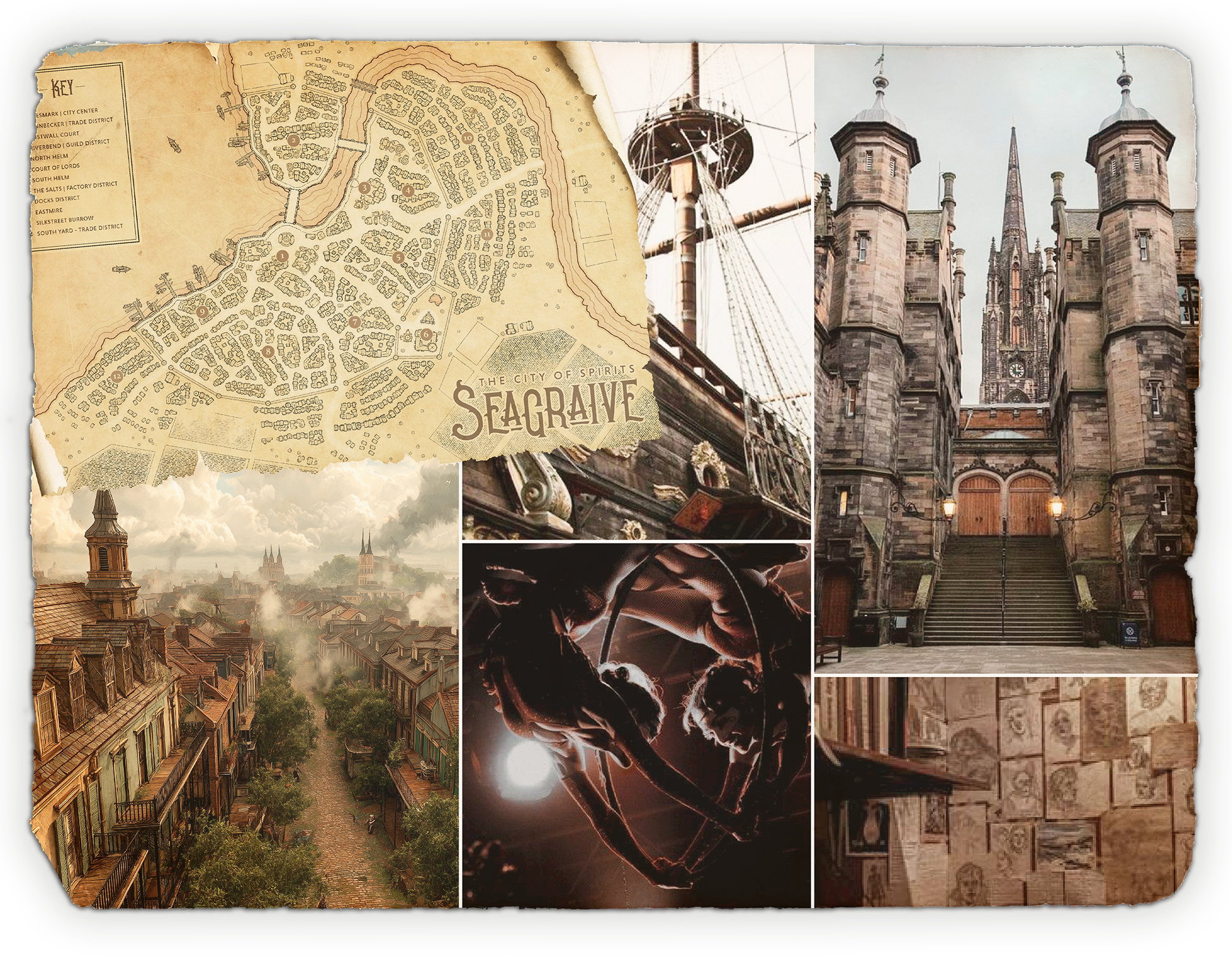
The city of Seagraive is the major focal point for the majority of the campaign. It is located in the region of Mystel. The city itself is heavily influenced by the City of New Orleans and its spiritual folklore. Within the city and its people exists a melting pot of ideas, beliefs, and societal conflicts. Problems that plague the region as a whole are coming to a boiling point in the city:
A Crumbling Class Structure
Society in Mystel is organized into three sects: The House of Commons, The House of Nobles, and The House of Lords. The House of Commons belongs to the common-folk and merchants. People of this class carry the burden of paying most of (if not all of) the taxes owed to the House of Lords. The House of Nobles belongs to the wealthiest and oldest family lines in Mystel. These noble house rarely pay taxes and enjoy the luxuries of court life. The House of Lords are the body of elected officials that currently run the region of Mystel. Elected is a strong term. The only individuals afforded a vote towards being elected to the House of Lords are the noble families. The common folk barely ever get a say in political affairs.
Ancient Technology
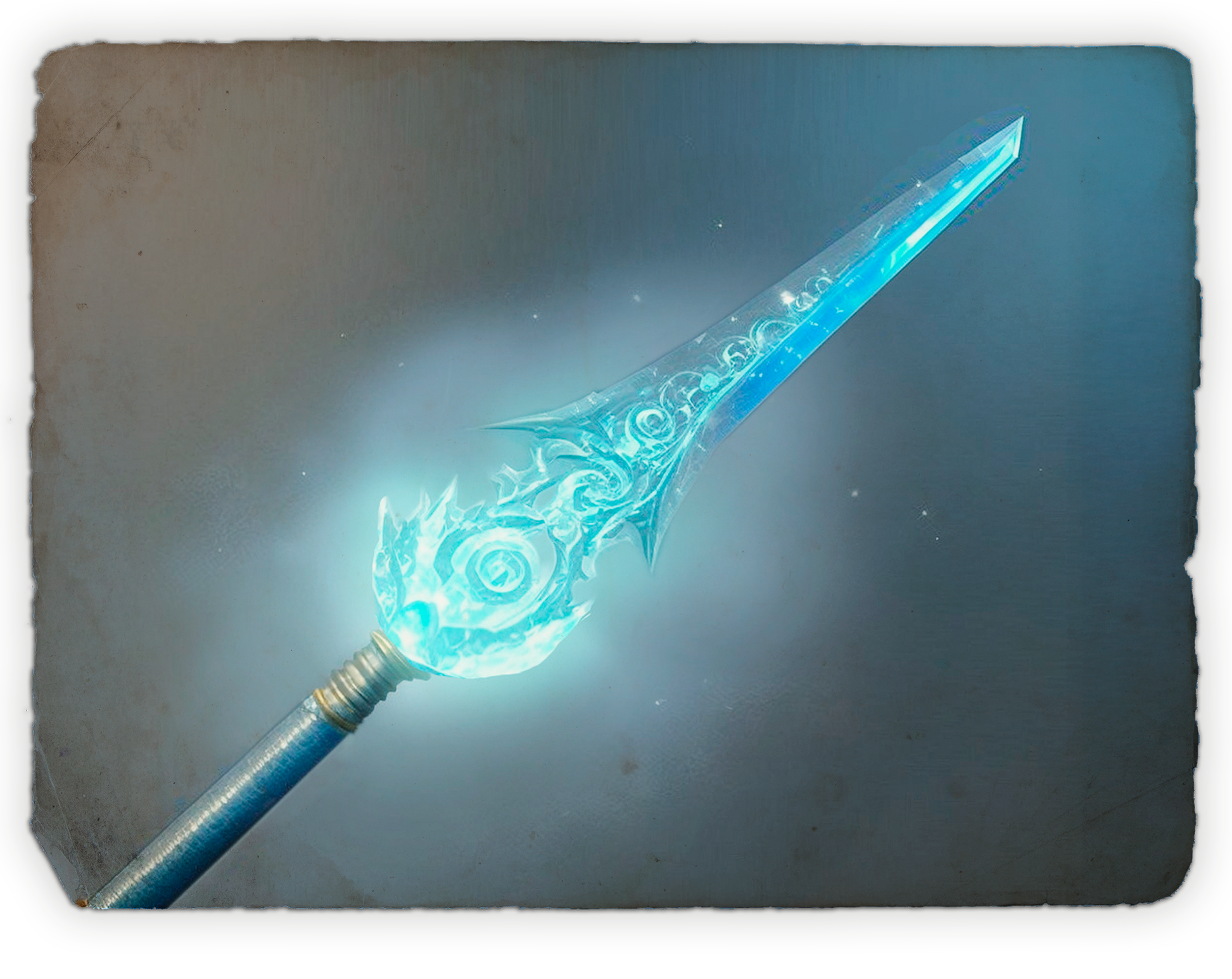
Mystel was built on top of the ruins of an ancient civilization known as The Empire of Skarro. Skarro and “skarric technology” are rumored to have far surpassed Mystel’s technology today. Combining magic with technology, the legends say that Skarro created a dream-like empire where people lived for thousands of years and could even reincarnate their souls into new physical forms. They possessed advanced, magic-fueled weaponry and utilities.
The empire fell for mysterious reasons. Many believe that their use of magic caused their eventual ruin. This is what the Holmenic Order wanted people to believe. But the truth has been lost to time.
Religious suppression brought on by the Order has since stunted the growth of technology and arcane exploration. Now that the Holmenic Order is no more, these topics are in the beginning stages of academic exploration.
The illegal trade of Skarric technology uncovered during various sanctioned (and unsanctioned) excavations is rumored to be on the rise.
Dae-ruk Prejudice
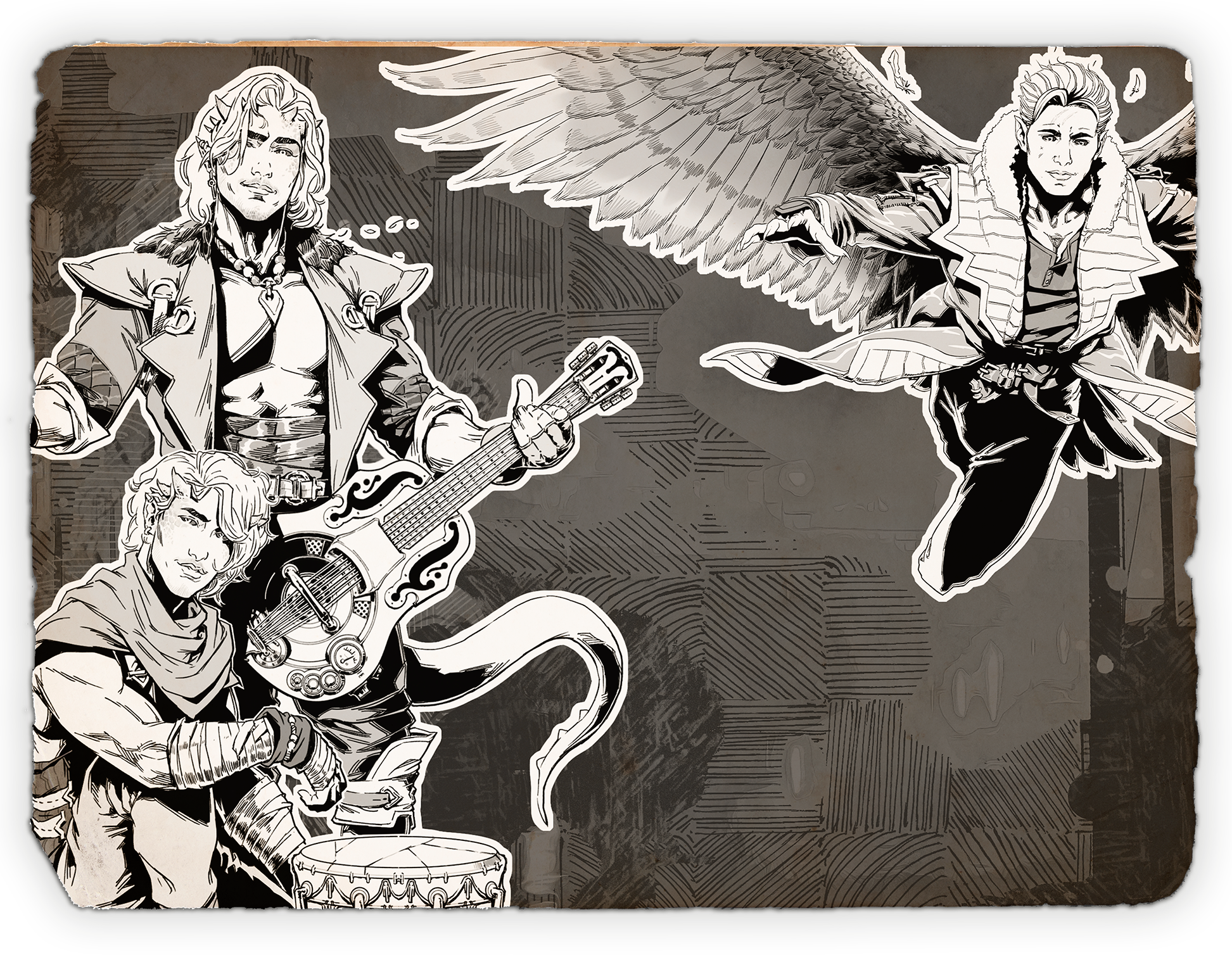
Much like tieflings in traditional Dungeons and Dragons settings, Dae-ruks are often treated poorly by society. Dae-ruks trace their lineage back to ancient druidic tribes that sought out natural magic and took on some of the traits of beasts they found to be ‘sacred’. These animal-like physical characteristics now appear, sometimes sporadically, in people who trace their lineage to these tribes. For instance, there are cultural sects of Dae-ruks who have subtle lion or catlike characteristics. There are also sects of Dae-ruks who have bird or harpy-like characteristics, giving them wings and sharp nail-like talons. These are just two examples of many.
Dae-ruks currently lack many rights that other citizens enjoy. They can only take up labor-focused jobs and are not allowed any “skilled” or artistry-based professions.
There are quite a few groups looking to change the status quo and give dae-ruks the rights they are owed as citizens.
Control Over The Crystani
Crystani are individuals born with a peculiar sensitivity to aura. They generate aura at a rapid pace and, in consequence, can be cruelly equated to “power cores” or “engines”.
In the last 30 years, people have grown more accepting of magic use (including auramancy). The arcane arts, as a practice, are starting to bud and gain widespread fascination. Crystani are at the heart of this fascination. For this reason, some licensed practitioners have even gone so far as to experiment on Crystani in hopes of gaining greater insight into aura as a power source, or even to use Crystani as fuel for their arcane research.
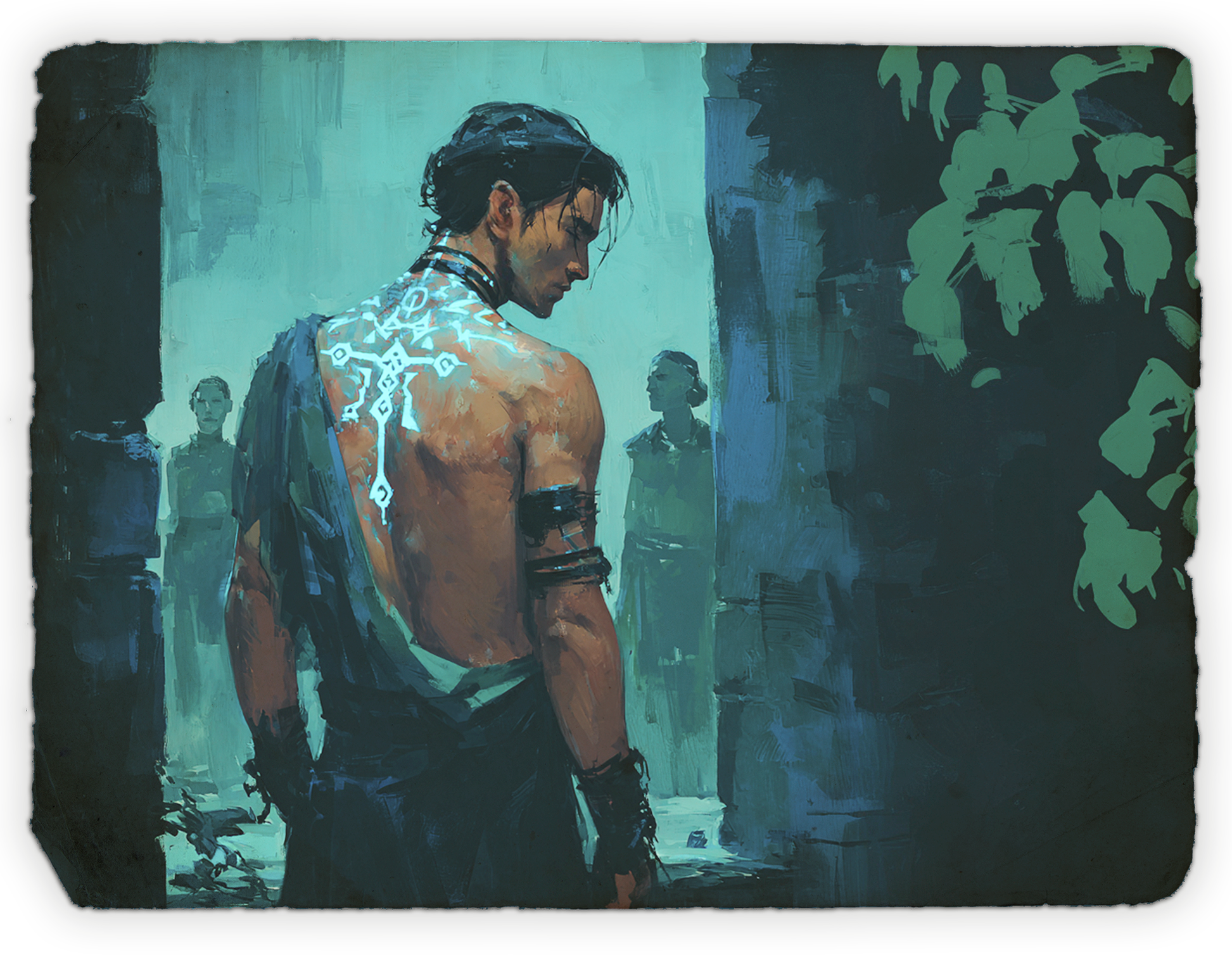
Many Crystani attempt to keep their sensitivity to aura a secret and live in fear of discovery. Those who do not hide their abilities are labeled “Crystani” by the government and are given a special “treatment” to keep their aura sensitivity in check. This treatment involves the placement of restrictive, arcane glyphs on the skin. They are told this is for their own “protection” and for the protection of others.
Opposition to Crystani status quo is on the rise in the form of Skasurro, a militant auramancer group now led by Cercio Lourann. It's Skasurro's goal to liberate and enbolden all Crystani who live in fear. However, his aggressive tactics and show of force have polarized the community.
Fighting For Change
In the wake of the Tritian Empire’s collapse and the rise of industrial arcana, Seagraive has become a city of stark contrasts—unprecedented progress shadowed by entrenched inequality. The House of Lords still holds disproportionate power, while the common folk face harsh taxation, lack of representation, and neglect.
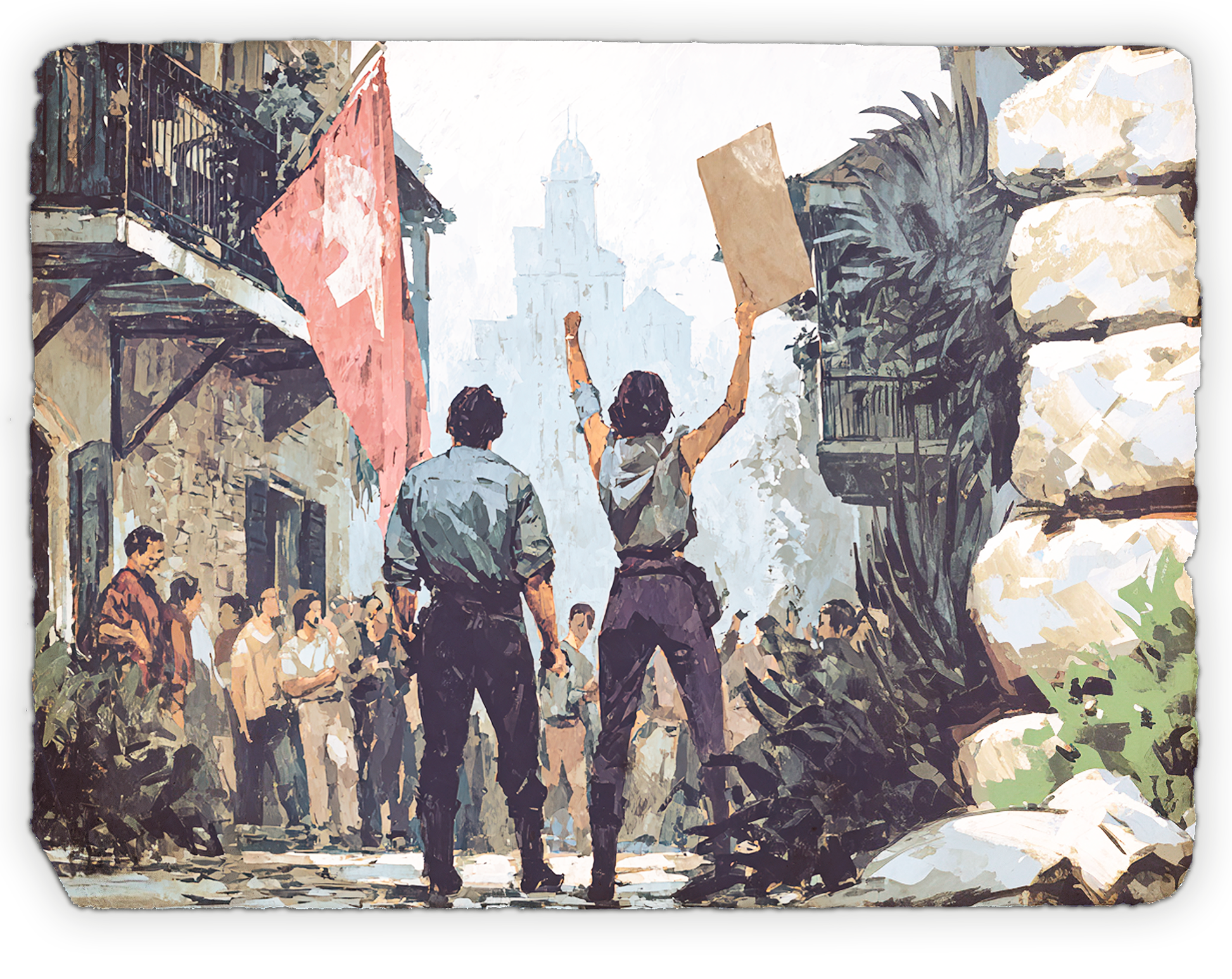
The Common Rights Delegation (CRD) stands as a peaceful but determined counterforce to this imbalance. They advocate for fair taxation, equitable representation in governance, and improved living conditions for the lower classes—including the oppressed Dae-Ruks and Crystani peoples. Through diplomacy, public engagement, and exposure of corruption, they aim to reform Seagraive from within rather than through revolution.
While some revolutionary groups like Skasurro consider the Delegation’s methods too moderate, the movement remains firm in its belief that lasting change is best achieved through unity, visibility, and persistence. Their efforts are slowly gaining momentum, turning whispers of justice into the rallying cries of a city on the brink of transformation.
Remove these ads. Join the Worldbuilders Guild




Comments