
Clanless
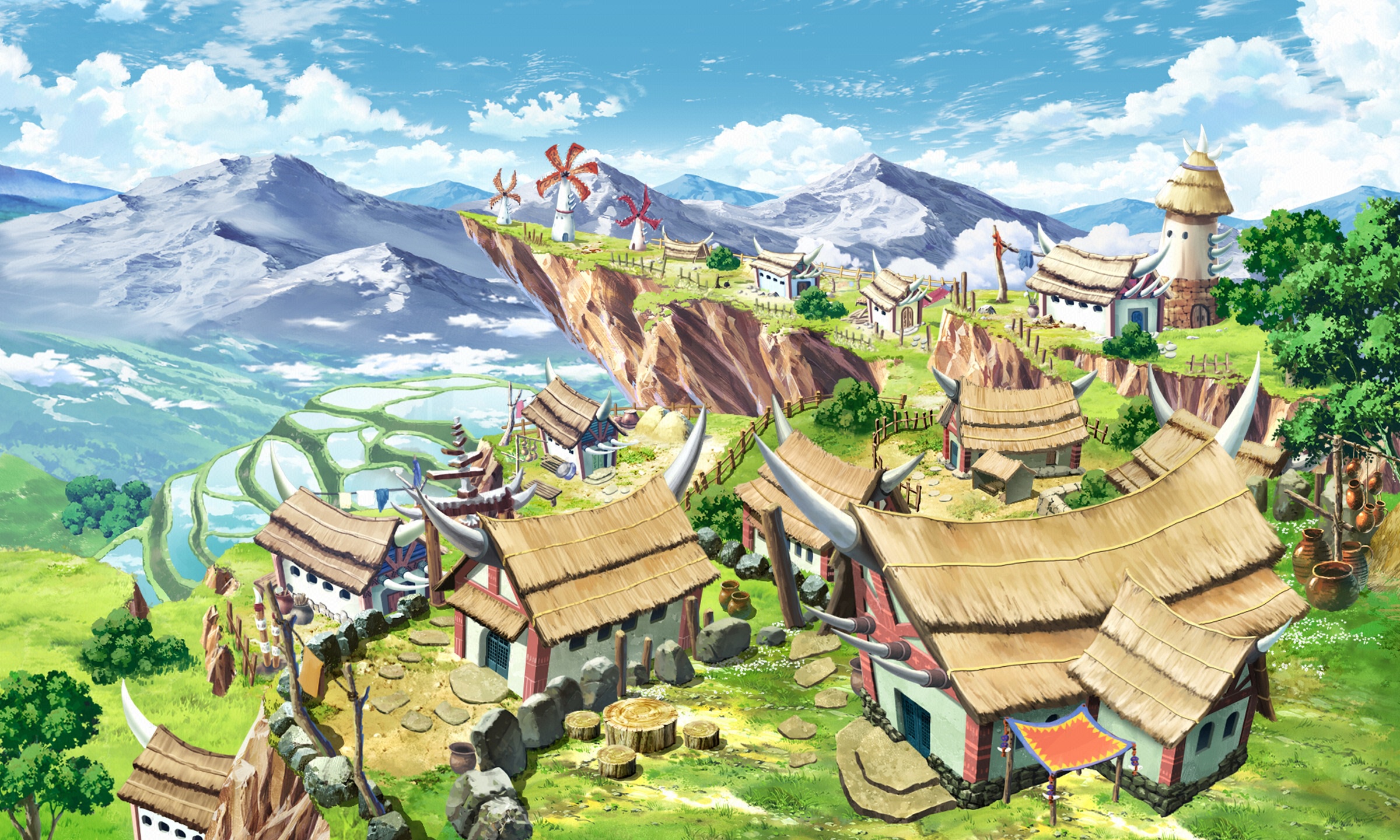
Not even Clan Mrywynn can claim to have the closest connection to Herne. That honor resides solely with Clanless Lazurinians. They are the closest to nature, the closest to the extinct Badros, the closest to the pure and unfiltered essence of a Lazurinian. One without strain from exeternal forces in any way, one untainted from their natural Wyld Mana.To be a Clanless Lazurinian is not merely to lack a cultural heritage; it is to embody the lost legacy of Badros, the ancient birthplace and first clan of all Lazurinians. Once the heart of Lazurinian civilization, Badros was a land of unity before it splintered and dissolved. As Lazurinians spread across the world, forming new clans and subcultures, Badros fell to ruin, its lands swallowed by the encroaching influence of the powerful Mrywynn tribes. In a move that shook Lazurinian history, the Mrywynn offered an alliance, but a faction of fiercely loyal Badrosians rejected this absorption, choosing instead a path of exile over assimilation. Some of these exiles ultimately rooted themselves, becoming the Kokoreans of the East and the Infernins of the South, Opulans or Mechariste to the west, so on and so forth, but others stayed true to the spirit of Badros by embracing a nomadic life, forever clanless and wandering. This Clanless identity brings a sense of pride and prejudice alike. Clanless Lazurinians often adopt an attitude of superiority, priding themselves on surviving alone in nature without the structure or support of clans, and refusing to compromise to any Mana Soverign to align themselves with. This "holier-than-thou" self-reliance is both their hallmark and their curse; the Clanless way demands a brutal survivalist approach that values independence above all. For the unprepared, especially loved ones from organized clans, joining or traveling with the Clanless can be a fatal mistake. Their lifestyle fosters a kill-or-be-killed mentality that is deeply isolating, often earning them the distrust—and, in some cases, outright disdain—of the rest of Lazurinian society.
Among the sprawling and scattered Clanless of Lazarus, three major tribes stand out among their number: the Sandwraiths, the Bleakgroves, and the Ironhowls. Though rooted in the same Badrosian ideals of independence and self-reliance, each tribe has splintered in distinct ways, resulting in a complex web of tradition, rivalry, and internal dissent.
The Sandwraiths
The Sandwraiths are desert wanderers who claim the sun-baked plains and barren dunes as their home. Known for their endurance, they are expert survivalists who consider themselves heirs to the original Badrosian grit. Sandwraiths live in small, tight-knit bands, forming nomadic caravans that follow the patterns of the desert’s shifting sands. They believe in "The Dustpath," a philosophy that teaches life is transient, and only the land truly endures. This belief shapes their lives as they drift from oasis to oasis, seeing attachments and possessions as burdens. Yet even within the Sandwraiths, fractures have appeared. Two primary factions exist: the "Sunmarked," who still adhere strictly to the ascetic Dustpath, and the "Miragewalkers," who have begun trading with foreign clans, acquiring resources and knowledge. The Sunmarked view this adaptation as a betrayal, while the Miragewalkers argue that adaptation is essential to their survival. This rift has grown into bitter competition, with the Sunmarked calling for a return to the old ways, while the Miragewalkers seek alliances with those who can bolster their nomadic existence.The Bleakgroves
In stark contrast, the Bleakgroves are forest-dwellers who haunt the shadowy reaches of Lazarus’ woodlands. They believe themselves the true inheritors of Badrosian spirituality, though their practices have taken on a darker, almost unseelie druidic quality. Known for their "Shadowblood" rites, Bleakgroves members perform rituals that mark them with ash and sap, symbolizing unity with the forest. Often their skintones and markings are ashy and dark, and their claws larger and more predatory. Their survival depends on the lore of the wilderness, passed down through generations, and they rarely leave the safety of their woodlands unless forced. However, the Bleakgroves face conflict within their own ranks. The "Darkroot Circle" clings to ancient rituals, practicing rites that even other Clanless find disturbing, while the "Brightwoods" faction, newer and more pragmatic, have embraced limited contact with settled clans, sharing their medicinal knowledge in exchange for metal tools and other resources. The divide is sharp; the Darkroots consider the Brightwoods defilers of the Bleakgroves' purity, while the Brightwoods argue for survival through compromise.The Ironhowls
The Ironhowls, the fiercest of the Clanless tribes, are wanderers of the mountainous Outlands, bound together by a strict code of honor and martial skill. Known for their brutal training regimens and expertise in crafting weaponry from raw, mountain-mined ore, Ironhowls take pride in their heritage as warriors. They operate under "The Bloodforging Code," a set of principles that emphasizes strength, loyalty to the tribe, and the honing of one's skills. Ironhowls are often hired as mercenaries, sought after for their unparalleled resilience and combat skills. Despite their reputation, the Ironhowls are not without their own tensions. The Ironhowls face a grim crisis of dwindling numbers, a direct consequence of their relentless, cutthroat requirements and the harsh predation that plagues their wandering paths through the rugged mountains. Their demanding lifestyle, defined by the brutal “Bloodforging Code,” forces each member to undergo rigorous tests of strength, survival, and loyalty that few survive. Furthermore, the Ironhowls' territory is rife with predators. Both natural ones, and hostile groups from settled clans.The Families
The Clanless Families represent the broad, scattered population of Clanless Lazurinians who lack the organization and protection that the larger Clanless tribes provide. They are drifters by necessity, without stable homes or territory, often unwelcome in cities due to the Clanless’ notorious reputation. Lacking the unity and resources of groups like the Sandwraiths or Ironhowls, these families survive on the margins, moving from place to place in search of work or temporary shelter. Most Clanless Families rely on proxies—friends or distant relatives within established clans—to obtain basic supplies and occasional shelter. Without these rare connections, they scavenge what they can from the wilds or barter with travelers on the road. Their lives are unstable and fraught with hardship; clan-affiliated Lazurinians frequently view them with distrust, seeing them as potential threats to the peace or as "bad omens" who bring the dangers of the wild with them. This prejudice isolates the Clanless Families further, making it difficult for them to integrate or find reliable support, and pushing many of them to live as itinerants, taking only what they can carry and leaving little trace behind. Despite this, the Clanless Families maintain a fiercely independent spirit, bound by the enduring hope that, like the ancient Badrosians, they will survive like all of Hernes great beasts.The History of the Great Clan Agreement
In Clanless history, terminology such as family, tribe, and clan reflects the increasingly organized structures that Lazurinians once used to manage their growing populations and resources. A family represents a small unit, usually 30-60 related individuals; a tribe consists of several such families united in purpose, often totaling between 1,000 and 5,000 people; and a clan is a network of tribes, with populations around 30,000-50,000. For the Clanless, though, this hierarchy—especially the notion of large-scale clan life—is rejected, even scorned, as they view it as harmful to both community autonomy and the natural world. This anticlan philosophy traces back to the initial fracturing of the Badrosians, the first true clan of Lazurinians. With rising population pressures and the strain on the environment becoming obvious, the Badrosians developed new technologies, including innovations like solartech, but nothing sufficiently slowed the impact. To avoid conflict, several large Lazurinian groups within Badros, voluntarily split off in what came to be known as the Great Clan Agreement. The Agreement essentially established that massive “megagroups” of Lazurinians would disperse rather than allow a single clan to dominate the landscape However, a faction within the Badrosians, especially those descended from the noble, ancient druidic bloodlines blessed by Herne, argued that the Great Clan Agreement would only delay inevitable overcrowding, resource depletion, and even potential mana blights. Unheard and disregarded, these "Old Badrosians" were eventually given an ultimatum: accept the Mrywynn's reforms or leave. When the Badrosians’ leadership officially rebranded itself as the Mrywynn Clan, the Old Badrosians departed, becoming the first Clanless. The Great Clan Agreement’s isolationist policies then locked the Clanless out of the broader society. Designed to deter rogue vanguards and bandits who pillaged without respect, the Agreement required clans to primarily operate within their own and each other’s networks, excluding non-clan entities. While this wasn’t explicitly intended to target the Clanless, it left them isolated and unwelcome in most settlements and gatherings. Since then, the Clanless harbor a “yeah, yeah, screw you too” attitude toward the clans, offering support to struggling families but remaining wary of anything resembling large-scale organization. Yet, the Clanless have contributed to their own reputation problems. Some families resort to theft, relying on rogue vanguards to ambush clan-aligned families, seizing their abandoned resources and splitting the loot. This behavior reinforces the clans’ mistrust, deepening the divide.What do you do for fun?
Daily life within a Clanless tribe or family is steeped in tradition, largely resembling the routines of an older Lazurinian way. Vanguard Clanless are commonly seen sparring, honing their skills far more rigorously than their clan-backed counterparts, often motivated by the constant need to defend against external threats. Anchors are typically dedicated to raising large families, viewing a multitude of children as both a blessing and a means of preserving the family line. Catalysts, meanwhile, focus intently on developing their magic, experimenting with spells and hexes that may serve in defense or survival, while Neutrals maintain essential duties, staying committed to roles as healers, foragers, or mediators. This daily cycle is sometimes referred to as “the simple life,” defined by loyalty to tradition and practical roles, with little room for the luxuries or diversions found in the clans. Yet, there’s one distinct—and rather lively—aspect that sets Clanless life apart: their remarkable devotion to beast taming. Clanless pride themselves on their talent for taming creatures of all kinds, whether they’re powerful saurians, saltwater crocodiles, or creatures even wilder and more dangerous. Each family or tribe boasts an impressive “collection” of animals, from predatory birds to desert lions. Clanless children often grow up around these creatures, learning early how to manage them and gain their trust.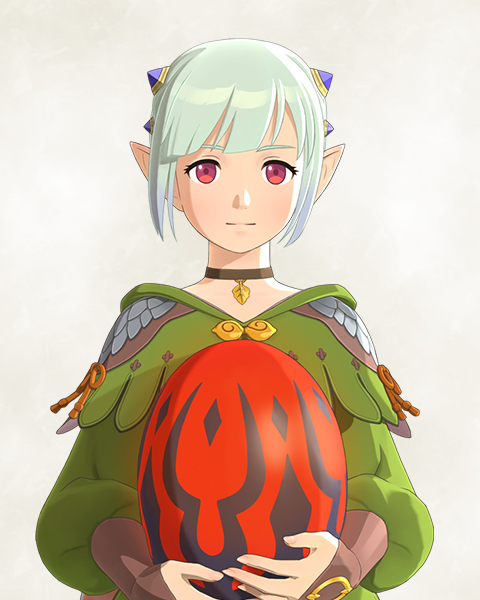
Appreciation of Eggs
In Clanless society, eggs hold a profound cultural and spiritual significance, forming the foundation for nearly all their celebrations and rituals. Eggs are not only the means by which many of the creatures they admire come into the world, but they are also central to the Clanless identity, symbolizing both their birth and their bond with nature. This reverence for eggs stems from a deep-rooted belief in Crown Lord Herne, the god credited with the creation of eggs as a divine tool to bridge water and land, enabling life to flourish in all realms. To the Clanless, eggs are seen as Herne’s first, most sacred gift—a vessel of life and transformation, and an emblem of their connection to both beasts and the natural world. To honor this, Clanless families and tribes have developed a unique tradition of nurturing eggs. They construct specialized caravans, essentially mobile nesting sanctuaries, equipped with all the warmth, shelter, and conditions necessary for eggs to incubate safely. Within these caravans, Clanless members carefully place both the eggs of their creatures and their own eggs, treating them with equal reverence. These "nesting caravans" travel alongside the Clanless through their migrations, symbolizing a quite literal mobile cradle of life. Clanless culture, then, revolves around the egg as a sacred symbol and practice, with clan members participating in careful rituals and celebrations to welcome the young—be they beast or Lazurinian—into their society.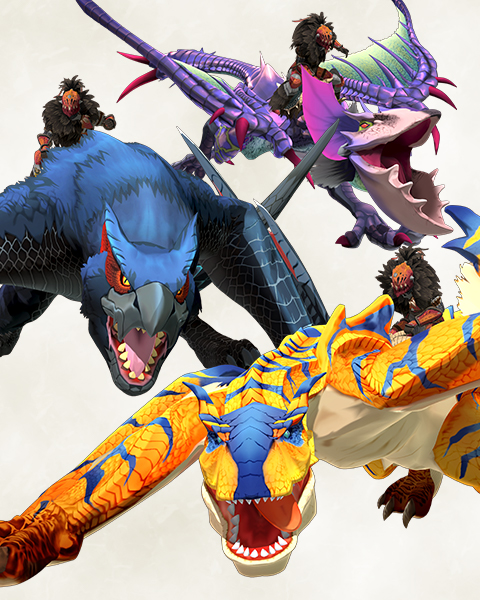
Ride On!
The creatures hatched and raised within the Clanless nesting caravans grow up to become the tribe’s mounts, forming a diverse and vibrant convoy of animals that defies the uniformity often seen in clan-provided programs. Rather than a single standardized species for riding or work, each Clanless family cultivates a varied array of mounts, from swift-footed herbivores to powerful and keen carnivores, each chosen and nurtured based on individual affinity or the needs of the family. This eclectic mix often includes large plains-dwelling grazers, towering saurians, agile desert striders, or even formidable reptiles, all living in relative harmony under the Clanless’s careful management. This harmony is both impressive and crucial; the Clanless rely on their ability to train these creatures to coexist peacefully. A well-functioning caravan depends on the Clanless Lazurinians doing their part—ensuring that boundaries are respected, temperaments are balanced, and each creature’s needs are met while preserving their wild nature. To the Clanless, this symbiotic relationship not only proves their skill as beast tamers but also embodies their commitment to harmony with nature, even among animals with starkly contrasting instincts.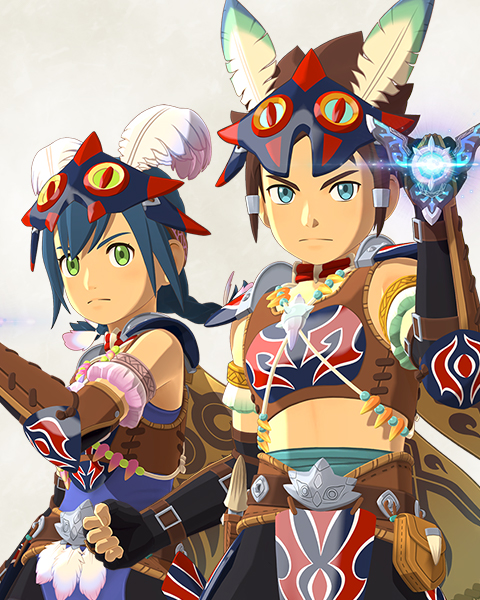
Youth Trials
The Youth Trials are the cornerstone of Clanless education, a daring and immersive training system where young Lazurinians learn survival skills, animal knowledge, and Clanless culture through direct experience. Rather than traditional schooling, Clanless youths are taken into the wild alongside seasoned monster wranglers and trackers to learn firsthand how to navigate the natural world. The Trials focus heavily on ecology, as each young Lazurinian must understand the behaviors, habitats, and instincts of various creatures, especially apex predators and powerful herbivores, if they are to survive and thrive in their environment. A central part of the Trials involves learning the delicate art of egg retrieval. Youths are taught to carefully assess the nests of dangerous creatures, understanding when and how to “liberate” eggs without endangering themselves or harming the population. Often, they’re instructed to retrieve eggs from creatures that could someday serve as valuable mounts or companions, fostering both the skill and bravery Clanless life demands. In cases where they find abandoned eggs, youths learn the procedures for rescue and rehabilitation, gaining a deep respect for all life, even that which they must carefully steal. The Youth Trials serve as both a rite of passage and a practical education.Remove these ads. Join the Worldbuilders Guild





Comments