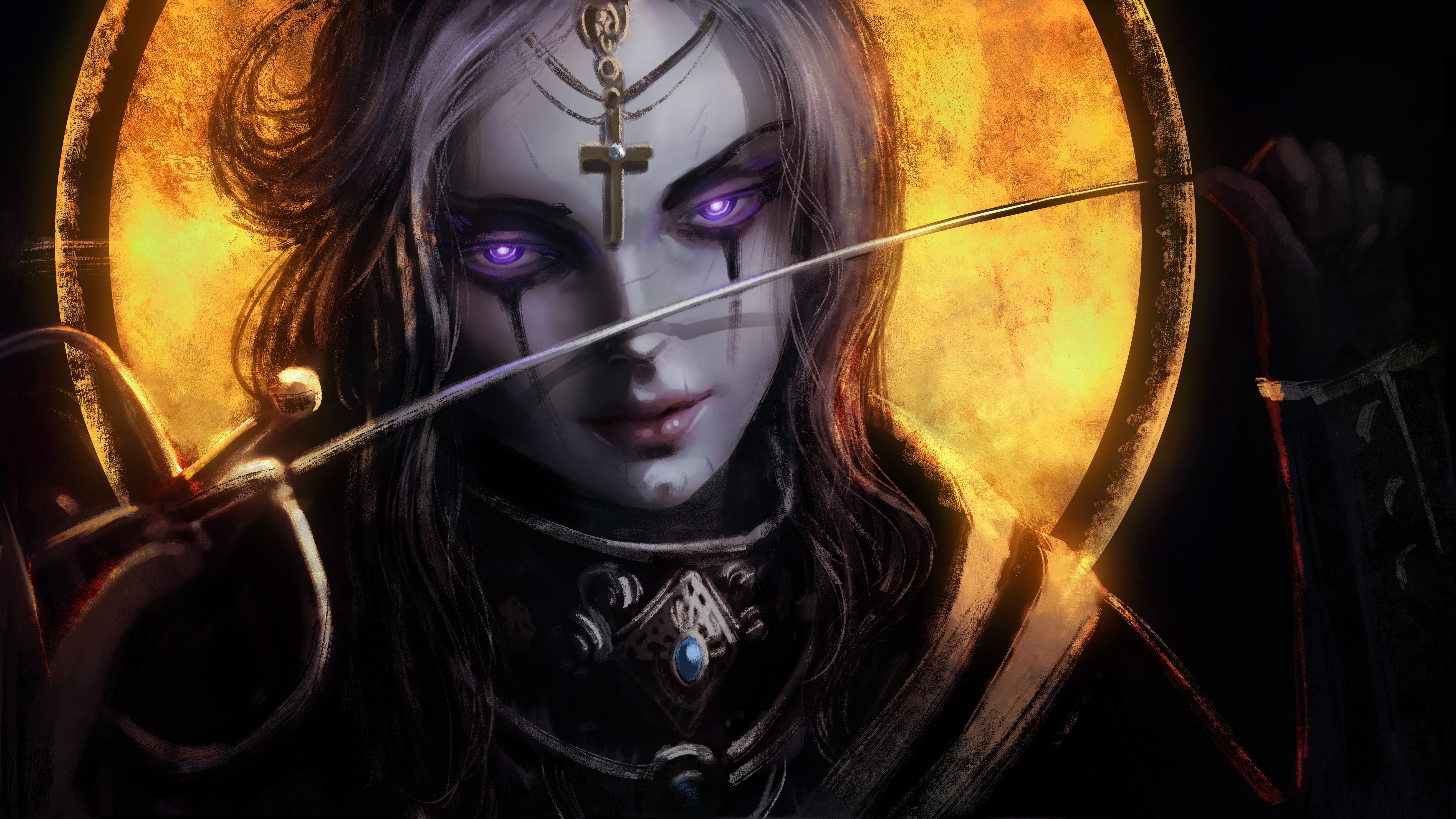
The Seven
If the Church knows your sins, the Seven know your price
Operating beneath the lawful structure of the Illuminated Kingdom, the Seven are a shadowy criminal network most strongly associated with the city of Paranor and the surrounding trade routes of the Crownlands and Oathlands. Smugglers, blackmailers, and thieves are all linked to the organization in whispered rumors, though few can say with certainty who leads the Seven or even whether the name refers to actual individuals. While some believe the Seven are little more than a convenient myth used to explain organized crime, others see them as an invisible force woven quietly through the kingdom’s commerce, secrets, and debts.
The Seven endure because they provide services the Illuminated Kingdom cannot openly permit. In a realm governed by doctrine and public penance, there will always be those desperate to hide records, move contraband, erase debts, or disappear entirely. The organization thrives in those spaces, operating as a hidden economy beneath the authority of the Crown and the Church. Theft and smuggling remain common aspects of their activity, though the Seven are most feared for their control of information. They know which priests gamble in secret, which merchants alter tithe ledgers, which nobles maintain forbidden relationships, and which Sullied citizens would pay dearly for a second chance.
The Seven avoids unnecessary bloodshed whenever possible. Murder draws attention, and attention invites the Lantern Priests. Instead, the organization relies on coercion, favors, leverage, and patience. A debt forgiven today may prove useful years later, while a stolen document may be worth more than a chest of gold.
No one agrees on what the name “the Seven” truly means. Some believe the organization is ruled by seven unseen leaders, while others claim the name refers to seven founding thieves who vanished generations ago. More superstitious rumors suggest the title mocks Rezmir’s Six Virtues of True Law, casting the Seven as a hidden force beneath the kingdom’s carefully maintained order.
The Seven avoids unnecessary bloodshed whenever possible. Murder draws attention, and attention invites the Lantern Priests. Instead, the organization relies on coercion, favors, leverage, and patience. A debt forgiven today may prove useful years later, while a stolen document may be worth more than a chest of gold.
No one agrees on what the name “the Seven” truly means. Some believe the organization is ruled by seven unseen leaders, while others claim the name refers to seven founding thieves who vanished generations ago. More superstitious rumors suggest the title mocks Rezmir’s Six Virtues of True Law, casting the Seven as a hidden force beneath the kingdom’s carefully maintained order.
Seven Coins
Throughout the Illuminated Kingdom, quiet stories circulate of seven coins left stacked in impossible or unsettling places. A merchant opens a ledger to find them resting atop missing tithe records. A smuggler discovers them beside an unlocked cellar door moments before a Church inspection. A debtor wakes to find seven tarnished coins neatly arranged on a windowsill that had been locked from the inside the night before.
No message accompanies the coins, and no symbol is carved into them. Those familiar with the rumors understand their meaning well enough. Someone has taken notice. Whether the coins signify warning, invitation, or judgment depends entirely on who finds them.
Those seeking contact with the Seven are said to follow the same practice in return. Seven coins are carefully stacked in places where the organization is believed to keep watch, such as dark market alleys, bridge railings, or quiet corners of taverns known for discreet company. If the request is accepted, no immediate response follows. Instead, a contact arrives days later in an unexpected place.
No message accompanies the coins, and no symbol is carved into them. Those familiar with the rumors understand their meaning well enough. Someone has taken notice. Whether the coins signify warning, invitation, or judgment depends entirely on who finds them.
Those seeking contact with the Seven are said to follow the same practice in return. Seven coins are carefully stacked in places where the organization is believed to keep watch, such as dark market alleys, bridge railings, or quiet corners of taverns known for discreet company. If the request is accepted, no immediate response follows. Instead, a contact arrives days later in an unexpected place.
Conflict with the Church
The Seven and the Illuminated Church have long stood in quiet opposition, though neither side openly acknowledges the full extent of the conflict. The Lantern Priests condemn smuggling, blackmail and harboring Sullied individuals as threats to the order upheld by the True Law. Wherever strict systems of tithe, penance, and public judgment exist, the Seven inevitably find people willing to pay for silence, escape, or a second chance.
Despite this tension, direct confrontation between the two groups remains rare. The Seven understand that open violence against the Church would invite overwhelming retaliation from the Lantern Priests and the Balefire Knights alike. The organization instead survives by carefully avoiding actions that would force the Crown or the Church to respond publicly. Raids against suspected safehouses occur from time to time, yet arrests rarely lead beyond low-ranking smugglers or frightened intermediaries who know little about the wider organization.
Among the clergy, opinions on the Seven vary more than most priests would admit publicly. Many view the Seven as parasites feeding upon weakness within the kingdom, yet even among the Church there are those unwilling to deny how often the organization exposes failures that official systems struggle to address. There are persistent rumors that certain priests have used the Seven to resolve matters too politically dangerous to pursue openly. Even so, the tension between the Seven and the Church continues to simmer beneath the surface of the Illuminated Kingdom, each side watching the other carefully while pretending not to.
Despite this tension, direct confrontation between the two groups remains rare. The Seven understand that open violence against the Church would invite overwhelming retaliation from the Lantern Priests and the Balefire Knights alike. The organization instead survives by carefully avoiding actions that would force the Crown or the Church to respond publicly. Raids against suspected safehouses occur from time to time, yet arrests rarely lead beyond low-ranking smugglers or frightened intermediaries who know little about the wider organization.
Among the clergy, opinions on the Seven vary more than most priests would admit publicly. Many view the Seven as parasites feeding upon weakness within the kingdom, yet even among the Church there are those unwilling to deny how often the organization exposes failures that official systems struggle to address. There are persistent rumors that certain priests have used the Seven to resolve matters too politically dangerous to pursue openly. Even so, the tension between the Seven and the Church continues to simmer beneath the surface of the Illuminated Kingdom, each side watching the other carefully while pretending not to.
Type
Guild, Thieves
Location

Services of the Seven
The Seven rarely advertise their existence openly, yet those desperate enough can usually find a path toward them. Most contact begins with the stacking of seven coins in a place where the organization is believed to keep watch. If the request interests the Seven, someone eventually answers.
Their services vary widely depending on region and circumstance, though nearly every favor asked of the organization carries a second cost beyond coin alone.
Common services include:
- Smuggling goods past Church or Crown inspection
- Altering tithe or criminal records
- Hiding a Sullied individual
- Securing forbidden information
- Escort through dangerous trade routes
- Recovery of stolen items
- Quiet removal of a political problem

by Dean Spencer
The Fall of Bishop Abraham Wrotham
One of the most infamous stories connected to the Seven concerns Bishop Abraham Wrotham, a former priest of the Illuminated Church once stationed in Paranor during the later years of Queen Elira’s reign. Wrotham was widely respected for his intelligence, sharp memory, and tireless work. Known for speaking openly with commoners and merchants alike, he earned a reputation as a man willing to listen where others preferred judgment from a distance.
His fall from grace came suddenly after evidence surfaced linking him to repeated dealings with agents of the Seven.
The exact nature of those dealings remains heavily disputed. Official Church records accuse Wrotham of using criminal intermediaries to alter records and conceal individuals marked for penance. Quiet rumors suggest his true offense was far more dangerous: questioning whether the systems surrounding penance and obligation had begun serving order more faithfully than virtue itself.
Several testimonies related to the investigation disappeared before judgment was finalized, fueling rumors that parts of the Church wished to have the matter resolved quickly and without scrutiny.
Rather than execution, Wrotham was formally excommunicated and banished to the Mere of Lost Hope, a sprawling swamp beyond Dundragon known for its drowned ruins, and isolated hazardous settlements. Few expected the disgraced bishop to survive there long.
But he did.

by Jarek Madyda
Stories surrounding Abraham Wrotham have only grown more unsettling with time. Rumors place him deep within the Mere of Lost Hope, sheltering escaped Sullied and fugitives beyond the reach of the Church. More dangerous whispers claim he still maintains ties to the Seven, using old Church knowledge and hidden contacts to move people and information quietly across the Crownlands.
Among the clergy of the Illuminated Church, Wrotham’s name is rarely spoken openly. When it is, the conversation seldom lasts long.
Comments