The Ice Claw
There was nothing left. Not even a chunk of stone. We stared at piles of ash being caught by the wind and carried away, unable to comprehend what we saw.
The Ice Claw Temple, and the dragonpriests who lived there, had fallen to flame.
How could this happen in the Abyss? It was the lair of the Ice Dragon! Where was he? Why had he not protected those who served him?
Ice Claw Temple
Brief Comment About Catak:
All artwork by Shade Melodique
unless otherwise stated
unless otherwise stated
Brief Comment About Catak:

History
The Ice Claw was a temple dedicated to Lajaka, Ice Dragon of Lassa, honoring his defeat of the sfincks Ogan at Ice Lake. Primary documents state that it was not the most precious temple to Lajaka, but it had an abundance of Flame practitioners who worshipped both him and his cousin, the Flame Dragon.
While the exact history is sketchy, it appears dragonpriests converted the old Jhodi ka edis kadara (Jhodi of the Wild Wood) into the Ice Claw between 1800 and 1850 AGI. The Jhodi priests protested, but as they no longer used the temple, no one paid them much heed.
The Ice Claw served as a relic depository for the Abyss, storing artefacts created by priests or donated by pilgrims and governments.
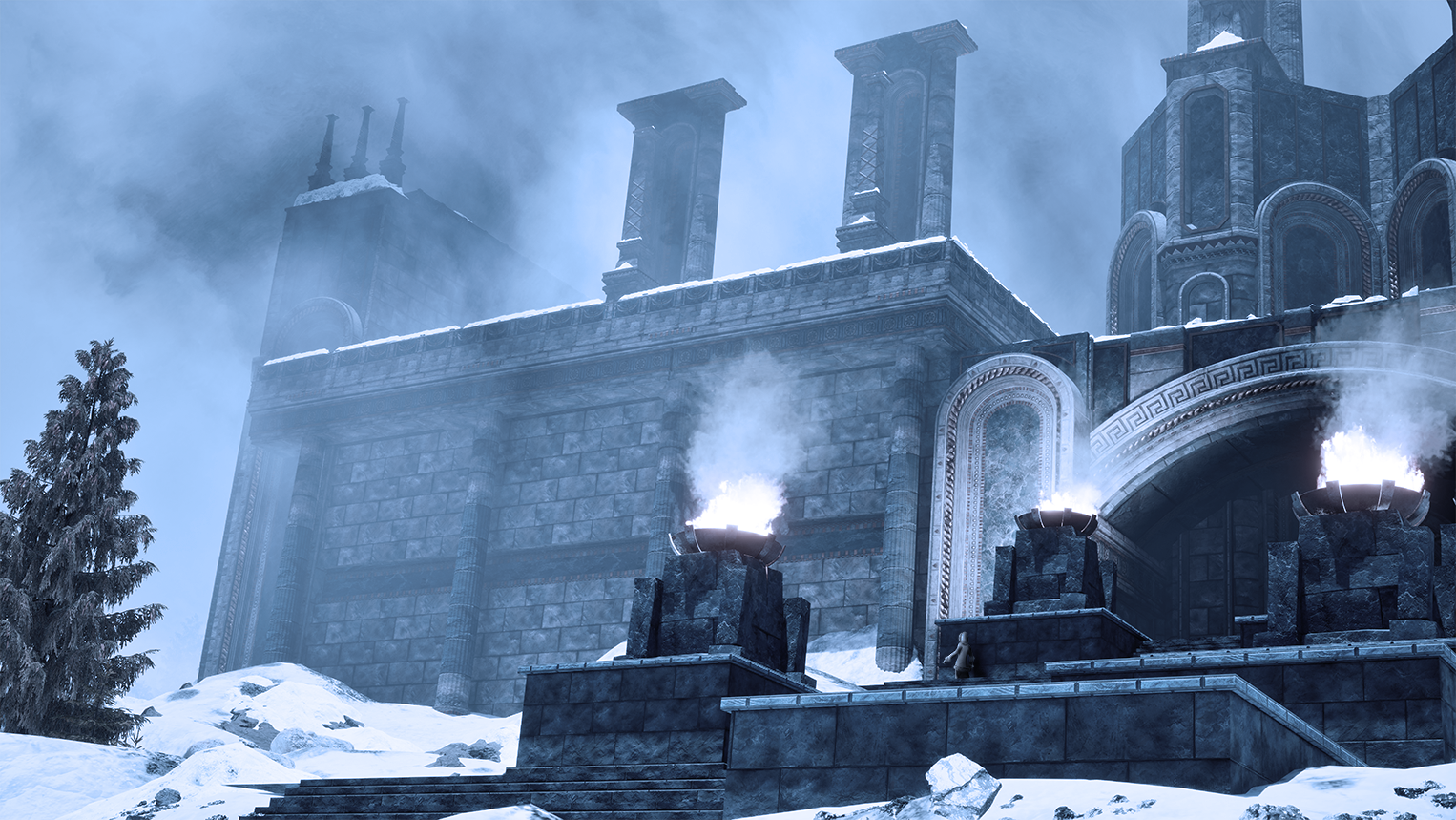
It retained this designation after the leadership changed from typical dragonpriests to Flame-practicing priests around 2200 AGI. These priests sought to honor both Lajaka and his cousin Kykini Cede by bringing the martial art to the Abyss, but they did not forget their primary duty--care for the relics.
Infamous Past
While the beginnings of the temple were benign, after the Flame art took hold, aspects changed. The Ice Claw became a testing ground for potential Flame warriors--one designed to end their lives.
After Ivore died in 2352 AGI, practitioners of the Flame wanted to revert the mastery tests to typical aki n'di ori events. With the blessing of the Glass Volcano's school, the kidon in Aya di galay did just that. Wealthier warriors took control of the upper ranks, letting those of similar caste join them while forcing those of lesser privilege (and lesser clans) to complete the dangerous trials.
The trials at the Ice Claw were especially brutal—brutal enough that the priests hid their nature from Lajaka because they knew he would command them to dismantle them. They created six trials corresponding to the six ranks of mastery. Other kidon would send hopefuls to the Abyss to compete in these trials, and they had such a terrible reputation, most declined, remaining unranked Flame.
Until three generations after Ivore's death, when Vendakari demanded a chance.

The Blue Flame trial was considered the most difficult of all Flame tests. Only one passed it on merit, rather than having it bestowed, and he was Vendakari.
Vendakari, a brash young man who detested what the Flame had become, defeated all six and earned the rank of Jeva Kani, the Blue Flame. With his new-found fame, he founded a kido along the Lu ali al coast and martial arts students flocked there to train with him.
Realizing they would lose all their students to Vendakari if they continued the trials, the Flame stopped running them. The Ice Claw priests found themselves out of favor with the larger Flame community, as they ran the trials, and their influence faded.


by LightFieldStudios, Envato Elements
Bodari bushes retain their place in healing brews across Seari. Every healing house has a small plot that grows them, and a charm that hang from a stick stuck somewhere amidst them in honor of Jhodi.
Hearth healers have developed warm and cold climate varieties so healers in extreme regions have access to the plants.
The Healing Temple
The Ice Claw remained a Flame temple, but without the influence it once possessed. It quietly conducted its relic-housing duty until 2843 AGO, when a member began to grow healing herbs and bodari bushes in the gardens.
Within a century, it became a respected healing center, and the gardens filled with healing plants. Recipes developed at the temple using the Abyss's special herbs and bodari leaves and berries spread throughout lower Seari, and every healing house of note had a copy of them. An enterprising healer collected them in the book Plants of Ice: A Healer's Guide to Healing at the Abyss.
The book was so influential, when the Jonna Empire construct rural healing houses for their military, they made certain each one had a copy—and that says a lot, about how much the snobbish siojhetioxh of the empire respected the Ice Claw healers.
The book became a standard text for all healing academies throughout the Jonna lands, and is still used in introductory courses.
by varyapigu, Envato Elements
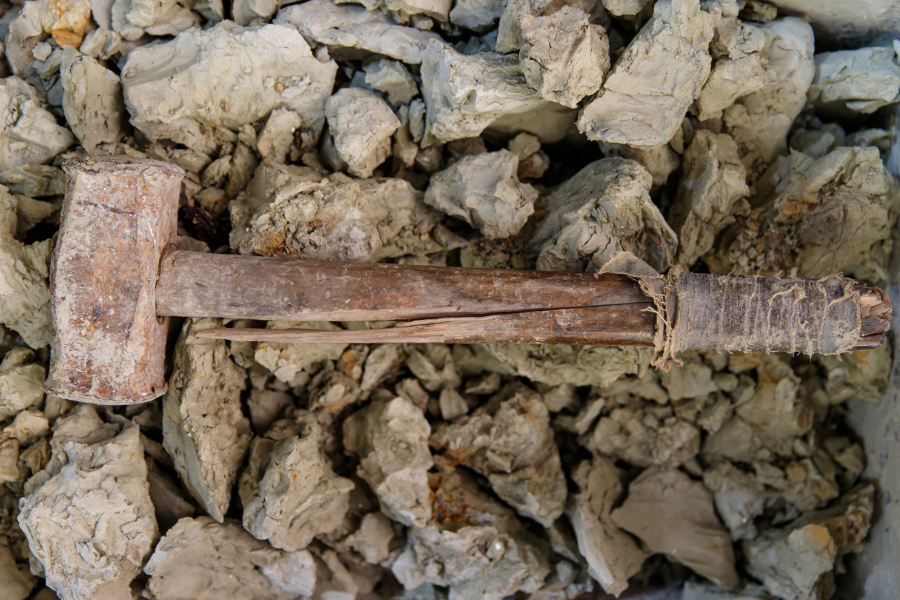
The cultists left some of their tools behind, including hammers. The style was popular among the settled peoples of south of the Sea of Condioh (modern Oritan and Suvan), but no artisan stamp was found on any of them.
Authorities looking into the attacks met a dead end while searching for the smiths.
The Slaughter
Healing, however, is not what makes the Ice Claw a famous historical temple.
1900 years ago, fire simultaneously tore through the Five Dragon lairs. Cultists bearing catapults and swords destroyed walls, toppled temples, and the blood of their dragonpriest enemies turn the soil red.
These cultists, dedicated to Binretau and Sel Mandhiove, slaughtered and burned and pillaged without mercy, and the Ice Claw, of all the temples, suffered the worst. The cultists killed everyone there—man, woman, child—and set fire to the building. What did not burn in catapult fire, they took hammers to and turned the stone into powder.
They collapsed underground rooms and filled in the cracks with dirt, eradicated the healing garden, set fire to the nearby forest, and, as far as we know, stole every relic entrusted to the priests there.
Nothing at the Ice Claw survived that night. Of all the dragonpriest temples the cults targeted, it was the one they razed with the most ferocity. Scholars have pondered why. My best guess? The temple housed a special relic that the cult deities wanted, but the priests had transferred it before the Night of Blood began.
Nothing at the Ice Claw survived that night. Of all the dragonpriest temples the cults targeted, it was the one they razed with the most ferocity. Scholars have pondered why. My best guess? The temple housed a special relic that the cult deities wanted, but the priests had transferred it before the Night of Blood began.
We have no one to ask; the dragonpriests were eradicated that night, the scant few survivors laypeople who housekept and tended animals. They did not have intimate knowledge of the how or why.
The cultists disappeared. Countries put out bounties, but no one found a hint of a trace as to where they went. The dragons pulled back from humans, and drifted into myth and legend.
And the Ice Claw became a sad tale in a history book.
The cultists disappeared. Countries put out bounties, but no one found a hint of a trace as to where they went. The dragons pulled back from humans, and drifted into myth and legend.
And the Ice Claw became a sad tale in a history book.

Comments