


Steam Burst
Water Plus Heat Equals Steam. The World Can Be Saved By Steam
"Mark well the ground that trembles not by storm nor tread. There is a fury kept below that asks no leave, and when it finds its voice, no man may answer it."
Pressure rarely presents itself until the moment it fails. It accumulates beneath surfaces, within confined spaces, and inside systems that appear stable until they are not. Steam Burst is a transmutation that exploits this principle by forcing heat into moisture already present beneath the ground, accelerating a natural process until it becomes volatile.
The spell does not create water or draw it from elsewhere. It relies entirely on moisture already present within the terrain, whether from groundwater, rainfall, or ambient saturation within soil and stone. Under normal conditions, this moisture remains inert and largely unnoticed. Steam Burst forces that moisture into rapid conversion, raising its temperature until it becomes vapor and then compressing that vapor within the surrounding material.
At the moment of casting, there is no immediate detonation. The area instead begins to exhibit subtle signs of instability. A faint shimmer forms across the affected space, and the air above it distorts slightly from rising heat. Thin traces of vapor begin to emerge, giving the area a hazy and unsettled appearance. These indicators are often overlooked at first, as they lack the immediacy of more overt magical effects.
Beneath the surface, the process is more severe. As moisture is superheated, it expands into steam, but the surrounding earth or structure restricts that expansion. Pressure builds rapidly as more vapor is generated than can escape. The spell sustains this condition, increasing both temperature and compression with each passing moment. The ground itself holds this pressure only because the spell maintains the imbalance.
This buildup is not automatic in its release. The caster retains control over when the stored pressure is allowed to escape. The longer the spell is maintained, the more energy accumulates within the affected area. This creates a deliberate tension between time and effect. Releasing the pressure early results in a smaller eruption, while allowing it to build increases the force of the eventual detonation.
During this period, the area becomes increasingly difficult to interpret. The rising heat and vapor obscure vision, making movement through the space less certain. The distortion of air interferes with depth perception, and the growing instability beneath the surface creates a sense of unease even for those who do not fully understand the cause. These effects do not directly restrain creatures, but they complicate positioning and reaction.
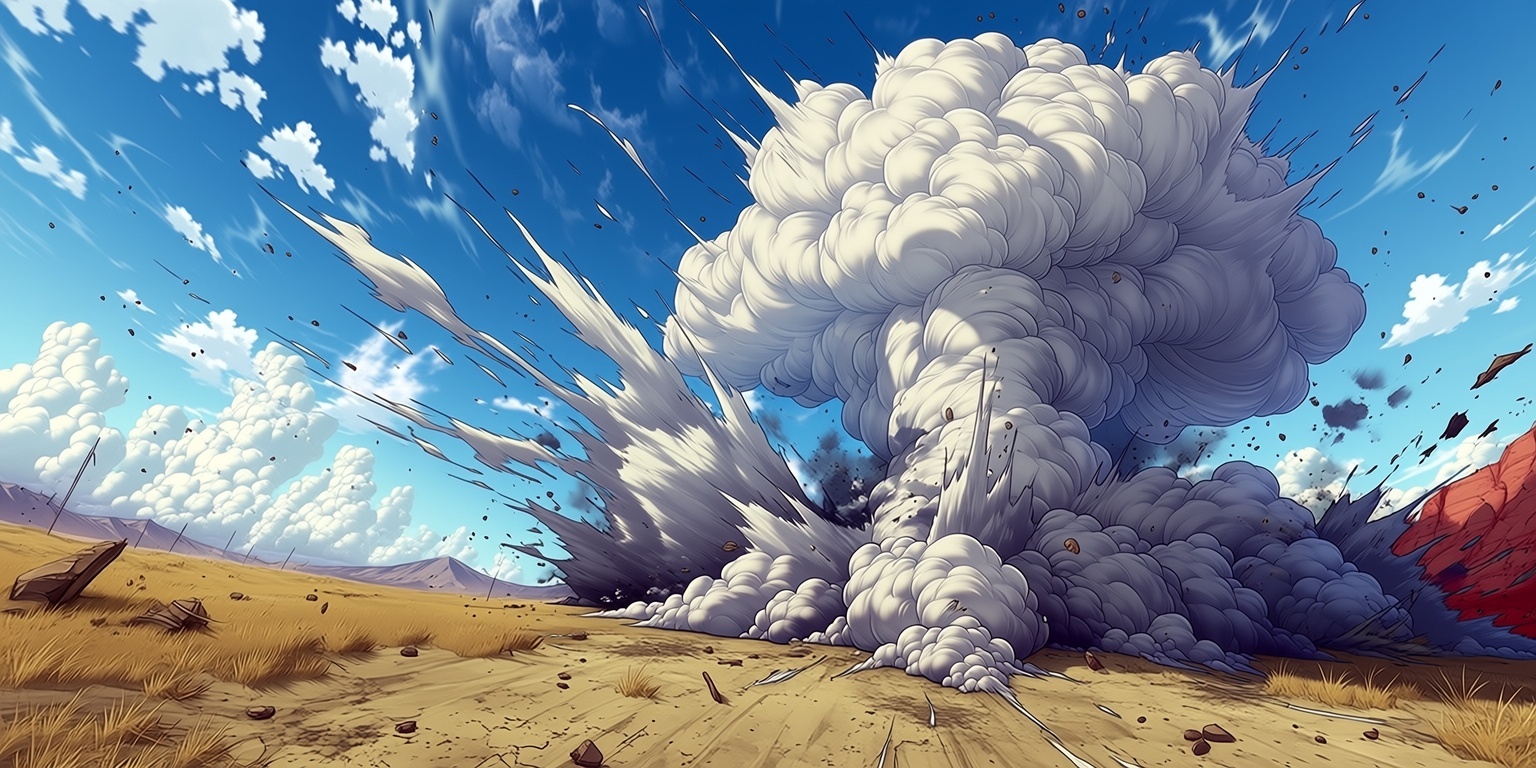
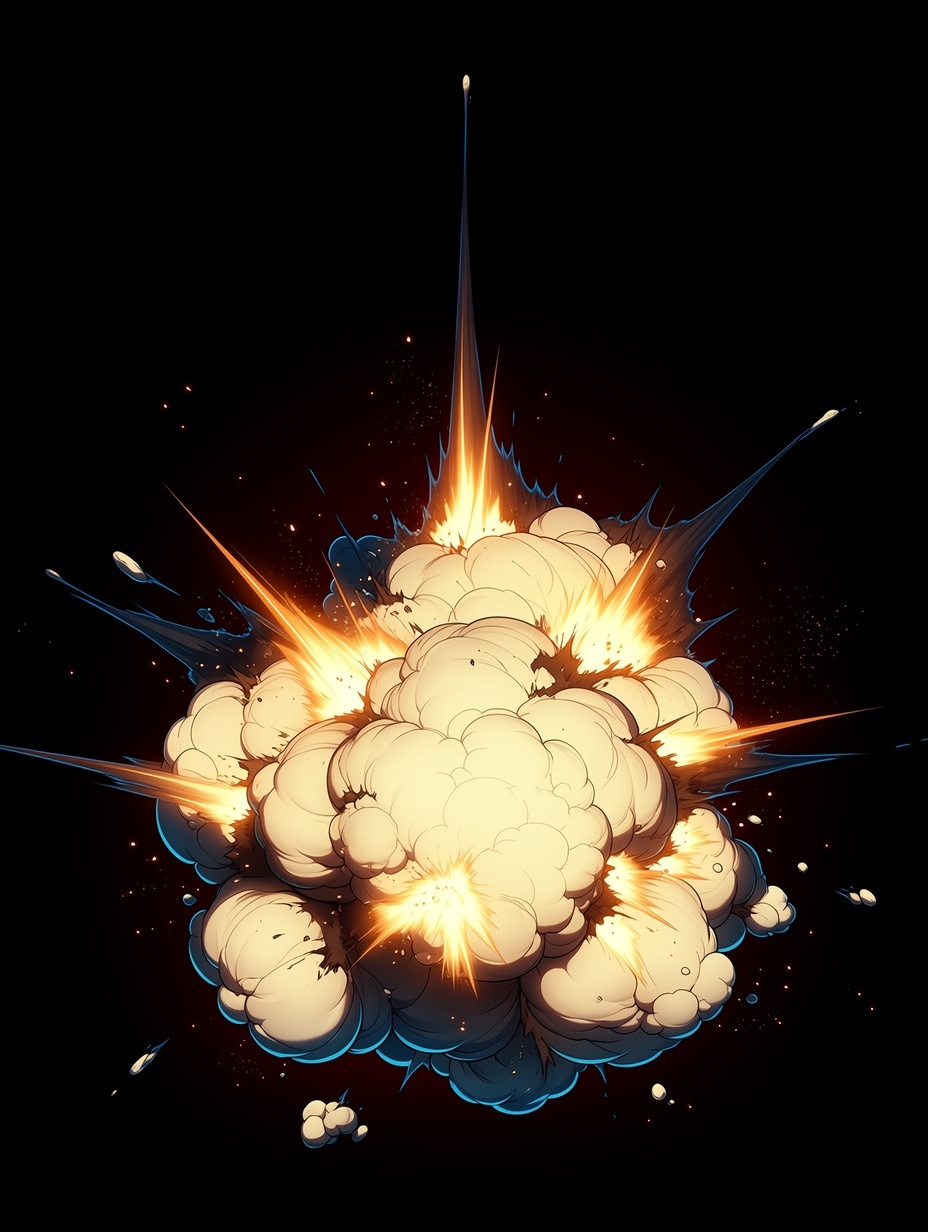
When the pressure is released, the result is immediate and violent. The ground ruptures as compressed steam expands outward, carrying with it fragments of earth, stone, or any material containing the pressure. The eruption delivers both thermal and physical force. The heat of the steam burns exposed surfaces, while the expanding vapor and debris strike with concussive impact. These combined effects make the explosion difficult to mitigate through a single defensive measure.
The timing of the release is one of the spell’s defining characteristics. The caster may trigger the eruption at a chosen moment or allow it to occur when concentration ends. This flexibility allows the spell to be used strategically rather than reactively. A caster can delay detonation until targets are within the area, or until movement options are limited, increasing the likelihood of full exposure.
The scaling nature of the spell reinforces this design. Each round of sustained concentration increases both the heat and the force of the eventual explosion. This growth is controlled and capped, ensuring that the spell remains within predictable limits while still rewarding careful timing. The increase is steady rather than exponential, which allows both caster and target to respond if they recognize what is happening.
In practical use, Steam Burst is considered a method of area control as much as direct damage. The marked space becomes progressively more dangerous, forcing creatures to either withdraw or risk remaining within it. This makes the spell effective in environments where movement is constrained, such as narrow corridors, confined structures, or terrain with limited escape routes.
The spell is less effective in open environments where targets can easily move away from the affected area. The visible distortion and rising vapor provide warning, and creatures that recognize these signs can avoid the worst of the effect. This places emphasis on positioning and timing rather than raw power.
There are also environmental limitations. The spell depends on the presence of moisture within the ground. In areas that are extremely dry or composed of materials that do not retain water, the effect may be reduced or fail entirely. Similarly, the caster must maintain concentration to achieve maximum effect. Disruption during the buildup phase forces an early release, which may significantly reduce the impact.
Among transmutation practices, Steam Burst is regarded as an example of controlled escalation. The caster does not create the explosion directly. They create the conditions under which an explosion becomes inevitable, then determine when it occurs. This approach distinguishes it from spells that rely on immediate force.
The spell reflects a broader principle within transmutation. Changing a system does not always require overwhelming it. It can be enough to push that system beyond what it can contain and allow the consequences to follow.
"I saw the earth take breath beneath our feet, a slow and dreadful swelling, as though it would speak. Yet when it did, it spoke not in words, but in ruin."



Was going to make a joke here about me farting in the bath, but......
But what? Why didn't you?!
It would stink too much
LOL. Like steam from a paper mill.