


Puppet Strings
The Master's Will
“I feared neither the sorcerer nor his curse half so greatly as I feared the instant my legs began walking wrongly beneath me.”
The body is supposed to obey.
That certainty sits so deeply inside most living creatures that they rarely question it at all. Thought becomes motion. Intention becomes action. A hand reaches because the mind commanded it to reach.
Puppet Strings severs confidence in that relationship.
The spell invades the target’s motor impulses directly, introducing hostile interference between desire and movement until the body begins behaving like something only partially under its owner’s control. Fingers twitch incorrectly. Muscles seize at the wrong moments. Balance shifts unpredictably. Limbs hesitate, resist, or lash out with sudden involuntary motion.
Victims often describe the experience with horrifying simplicity afterward.
“My body stopped trusting me.”
Unlike paralysis or domination magic, Puppet Strings does not remove autonomy completely. The target remains conscious, aware, and capable of acting. That partial freedom is what makes the spell so psychologically disturbing. The victim continues attempting deliberate movement while their own nervous system intermittently betrays them in unpredictable ways.
A sword slips unexpectedly from numb fingers.
A leg jerks sideways during retreat.
A hand lashes across the caster’s own face before control returns.
Every moment becomes uncertain.
Bards originally developed primitive forms of the enchantment through theatrical performance magic and manipulative dance traditions where subtle influence over posture and rhythm blurred into genuine neurological interference. Court entertainers reportedly used weaker variants for comedy long before war mages realized how terrifying the concept became once weaponized properly.
The laughter stopped quickly afterward.
Warlocks favor the spell immensely because of its uniquely intimate cruelty. Under eldritch influence, the target’s movements often appear deeply wrong even beyond the mechanical effects themselves. Limbs bend with delayed timing. Hands twitch like frightened animals. Walking resembles invisible resistance pulling against every step.
Some witnesses compare afflicted victims to marionettes with damaged strings.
Others compare them to corpses trying desperately to imitate life correctly.
Sorcerers tend to manifest the spell emotionally. Anger produces violent jerking movements. Cold detachment results in eerie mechanical precision. Fear often causes trembling interruptions and involuntary defensive motions throughout the victim’s body.
Several magical academies quietly prohibit students from practicing the spell unsupervised after repeated injuries during training exercises.
The enchantment’s unpredictability is its greatest strength. Because the target cannot anticipate exactly how their body will betray them each moment, concentration and confidence erode rapidly beneath accumulating humiliation and panic. Dexterity becomes unreliable not simply because movement worsens, but because the victim stops trusting their own coordination entirely.
Combat under the spell becomes nightmarish.
Archers misjudge grip tension. Duelists stumble during lunges. Spellcasters lose somatic precision at critical moments. Even experienced warriors often descend into visible frustration or fear once their own limbs begin resisting deliberate action.
The self inflicted strike effect is especially infamous.
The body momentarily redirects violence inward without permission, forcing the victim to experience the deeply unnatural sensation of their own hand becoming hostile territory. Survivors frequently remember that moment more vividly than actual injuries.
Because pain inflicted by enemies feels normal.
Pain inflicted by your own unwilling flesh does not.
Philosophers and occult scholars debate constantly whether Puppet Strings manipulates the nervous system physically or interferes with the metaphysical relationship between soul and body instead. Certain necromancers insist the spell functions by briefly convincing the body it belongs to someone else.
Most healers hearing this theory wish they had not.
The enchantment acquired grim reputation among interrogators, assassins, and political conspirators because bodily unreliability destroys dignity almost as efficiently as physical harm. Public humiliation becomes inevitable once fine motor control collapses visibly before witnesses.
Among performers, duelists, and mages alike, one old warning accompanies the spell consistently.
A wound may heal.
But the memory of your own hand refusing to obey you never entirely leaves afterward.
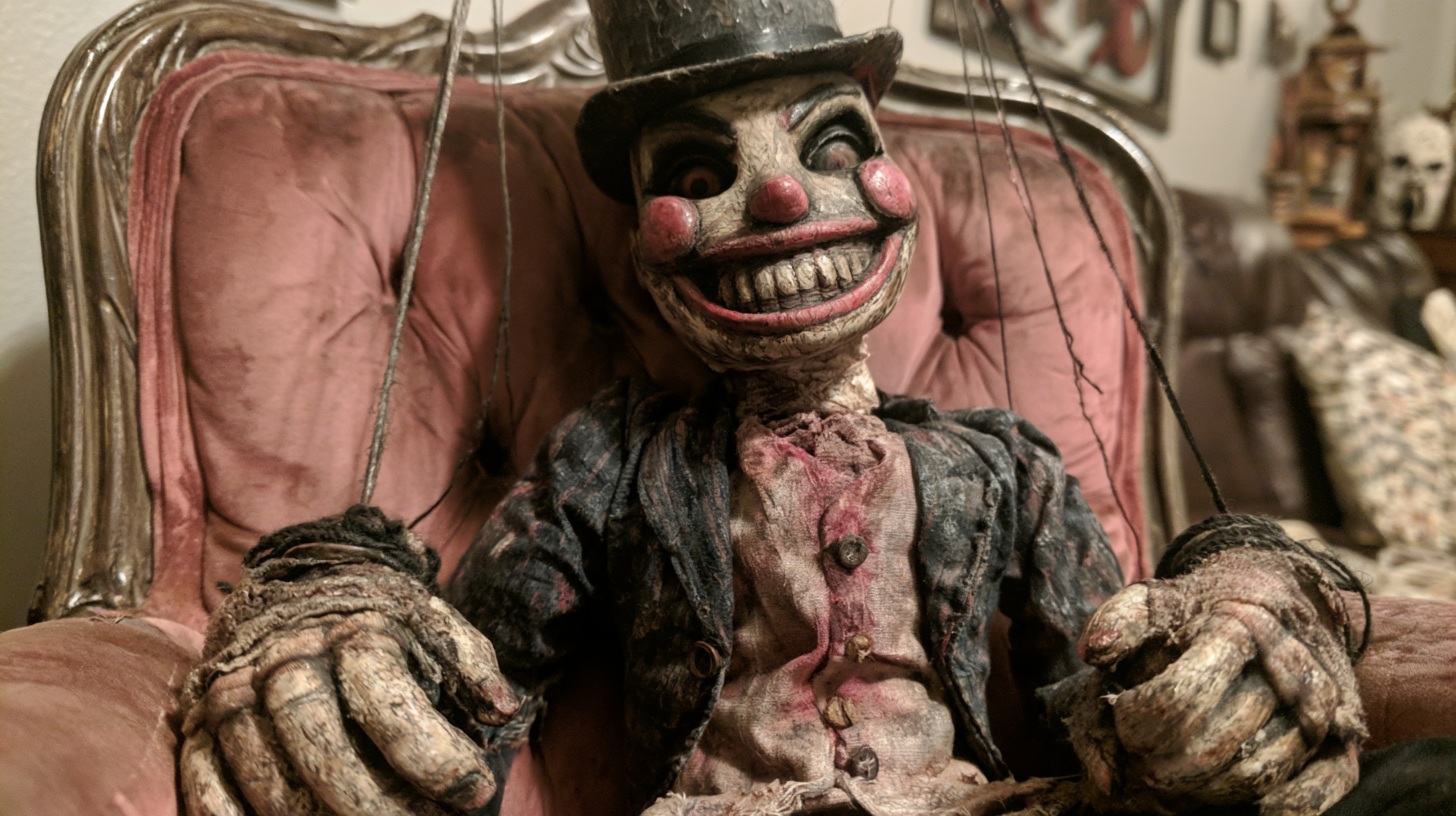
“The general reached for his sword and his own fingers opened like they had reconsidered the matter privately.”
Related Discipline
Level



Comments