


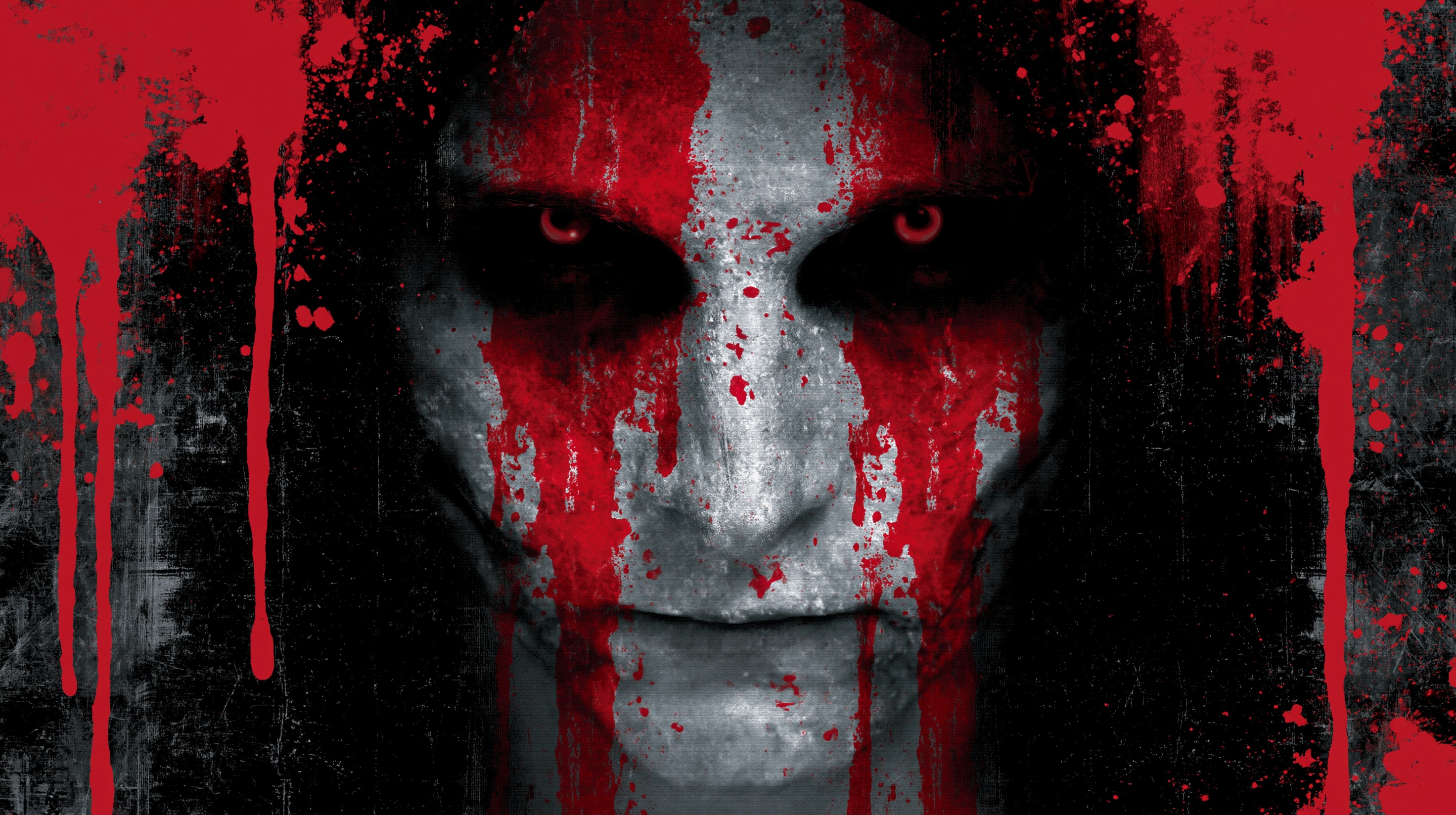
Martyr's Resolve
Death Must Wait Its Turn
“Do not mistake this spell for salvation. It is a bargain made with pain.”
There are healing spells meant to save lives.
Martyr’s Resolve was created for moments when saving a life is no longer entirely possible.
The spell does not restore the body gently or reverse injury cleanly. Instead, it drags a dying creature back across the threshold of collapse through sheer supernatural refusal, forcing flesh, spirit, and willpower to continue functioning briefly despite wounds that should have ended the fight already.
Witnesses often describe the effect as terrifying rather than comforting.
A fallen warrior gasps violently and rises despite mortal blood loss. Crushed limbs move again through trembling effort. A knight pierced through the lungs drags themselves upright with impossible determination while blood still spills beneath their armor.
The magic does not pretend the target is unharmed.
It merely insists death wait.
Clerics and paladins developed the spell during prolonged wars where ordinary healing frequently arrived too late to preserve defenders at critical moments. Battlefield priests learned there exists a narrow span between life and death where the body can still be commanded onward temporarily if sufficient divine endurance is invoked.
The cost comes afterward.
A creature revived through Martyr’s Resolve continues fighting under borrowed survival. If struck down again before the spell ends, the body collapses catastrophically toward death almost immediately, reflected mechanically by severe failed death saving throws. The enchantment buys time, not safety.
This limitation shaped the spell’s reputation profoundly.
Veterans do not treat Martyr’s Resolve as rescue magic.
They treat it as final mercy.
The target understands instinctively that they have been granted a brief impossible reprieve. Some use the remaining moments to protect allies, finish battles, deliver final warnings, or accomplish duties they refused to leave unfinished. Others simply spend the time saying goodbye.
Religious traditions surrounding the spell vary enormously.
Certain militant faiths revere it as sacred proof that conviction can overpower mortality briefly through divine purpose. Ceremonial cloth stained with martyr’s blood often becomes relic material within such orders, reflecting the spell’s component symbolism directly.
Other faiths consider the spell dangerous and emotionally cruel.
To them, Martyr’s Resolve interferes with natural death by demanding continued suffering from bodies already broken beyond recovery. Some healers refuse to cast it except under absolute necessity because the exhaustion afterward can permanently cripple survivors physically and emotionally.
They are not entirely wrong.
Two levels of exhaustion following the spell’s conclusion represent profound systemic collapse. Muscles fail. Thought slows. The body exacts repayment violently once supernatural endurance finally fades. Survivors often spend days bedridden afterward even if fully healed magically.
Some never recover completely.
Paladins are especially associated with the spell because of how perfectly it reflects their philosophy. Duty beyond pain. Conviction stronger than fear. Continuing forward after the body itself demands surrender.
Entire legends emerged from this reputation.
Stories tell of holy defenders holding collapsing gates after fatal wounds. Pilgrims carrying children from burning cities despite shredded lungs. Commanders delivering victory before dying moments after battle ended.
Naturally, many such stories became heavily romanticized over time.
Reality tends to be uglier.
The revived often scream while standing. Blood continues pouring from wounds. Limbs shake uncontrollably. Some collapse immediately after accomplishing whatever final act kept them moving. Others survive but remember the experience as horrifyingly painful rather than glorious.
The spell’s one use per long rest limitation reflects spiritual and physical strain rather than magical scarcity alone. A body cannot endure repeated forced returns from death’s edge safely. Neither can the soul.
The material component, a bloodstained cloth wrapped around a silver nail, symbolizes sacrifice bound stubbornly in place. Suffering fastened against surrender.
Among battlefield clergy, an old saying persists regarding the spell.
Healing magic preserves the living.
Martyr’s Resolve asks the dying for one last act of defiance.
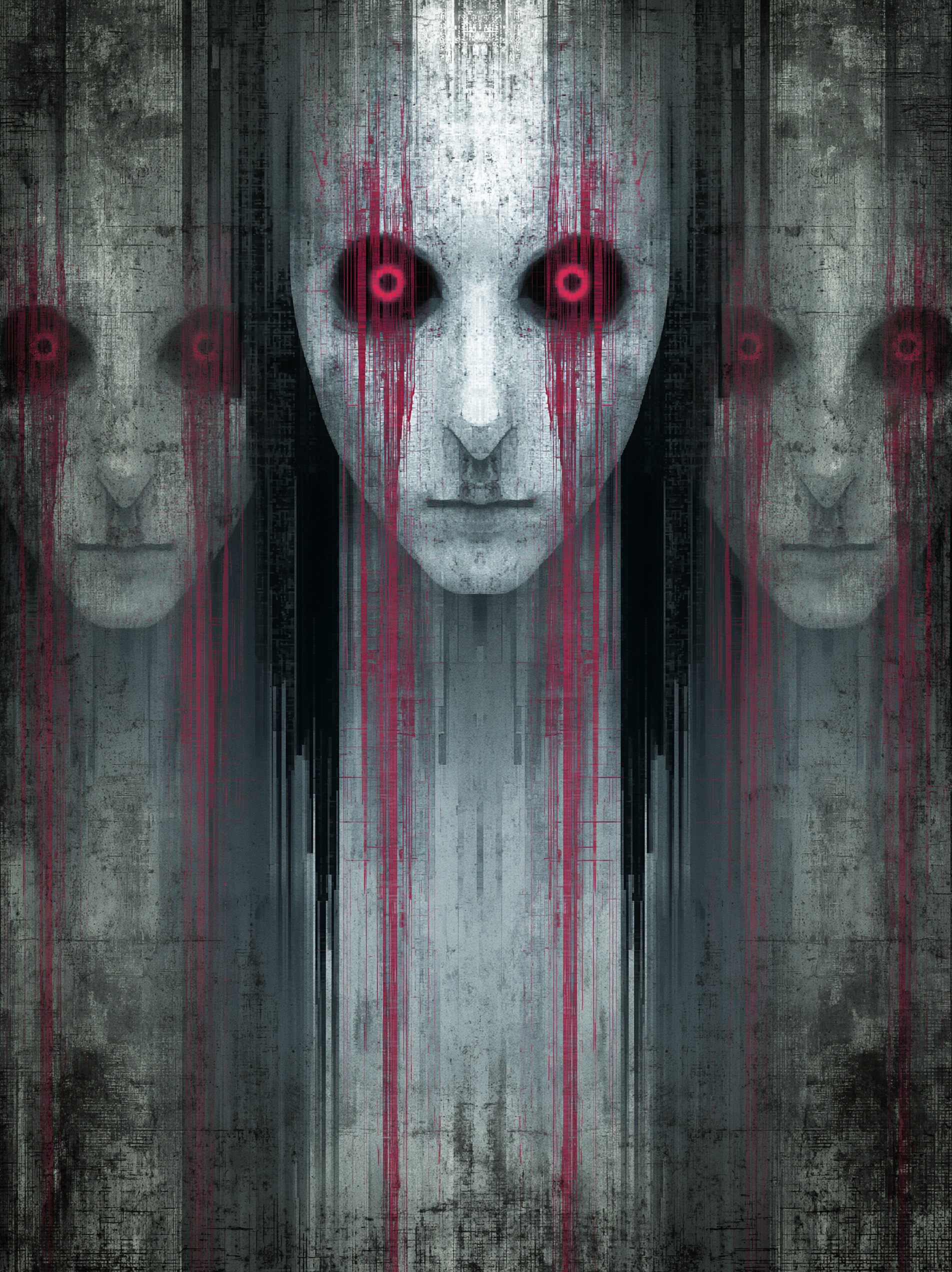
He should have fallen three times before the gate finally broke. The prayer simply convinced his body to realize it later.”
Related Discipline
Level



Comments