



Manic Compulsion
My Precious
“The mind cannot tolerate meaningless obsession, so it creates meaning fast enough to justify the madness.”
Greed is predictable. Obsession is not.
Manic Compulsion twists a creature’s perception until a chosen object becomes emotionally overwhelming in importance. The target does not merely want the object. It becomes convinced the item is uniquely precious, personally significant, and intolerably vulnerable to loss. Logic collapses beneath irrational attachment almost immediately.
The cruel elegance of the spell lies in the object itself.
It does not need to be valuable.
A gold crown and a cracked spoon function equally well. A legendary jewel inspires the same fixation as a child’s button, broken toy, or worthless scrap of painted wood. Once the enchantment takes hold, the victim’s mind invents emotional significance on its own. The object becomes sacred through compulsion alone.
Enchanters have exploited this fact for centuries.
Some use the spell tactically, forcing enemies to obsess over meaningless objects while battles unfold around them. Others employ it socially, weaponizing distraction and possessiveness during negotiations, thefts, or assassinations. Entire robberies have succeeded because guards became irrationally protective of planted trinkets while actual treasures vanished unnoticed elsewhere.
The spell grows substantially more dangerous when multiple targets are affected simultaneously.
At higher levels, several creatures may become obsessed with the same object while viewing one another as rivals for possession. This often devolves into paranoia, violence, bargaining, pleading, or outright hysteria within moments. Experienced manipulators intentionally choose insignificant objects during these castings because the sheer absurdity of the resulting conflict becomes psychologically destabilizing.
Witnesses describe these incidents as deeply disturbing.
Rational people suddenly scream over ownership of pebbles. Soldiers abandon tactical positions to clutch tarnished coins. Nobles threaten murder over scraps of cloth they would normally discard without thought. The victims remain dimly aware their behavior feels excessive yet cannot emotionally detach from the fixation while the enchantment persists.
Bards particularly favor the spell because of its theatrical potential. Some use it for humiliation rather than violence, reducing arrogant rivals to desperate possessiveness in public settings. Criminal illusionists and confidence artists often combine Manic Compulsion with staged distractions, allowing crowds to destroy themselves over planted objects while the real scheme unfolds elsewhere.
Warlocks, predictably, tend to prefer darker applications.
Certain pact bound casters deliberately select emotionally loaded objects linked to grief, guilt, or trauma, forcing victims into profoundly unhealthy attachment spirals. Though the spell cannot create genuine love or meaningful emotional healing, it can imitate the desperation associated with both in profoundly unhealthy ways.
The material component reflects the spell’s philosophy perfectly. A silver chain wrapped around something worthless. Value restrained to meaninglessness. Desire disconnected from reason.
Psychological scholars remain fascinated by the enchantment because it reveals uncomfortable truths about mortal behavior. Victims rarely invent entirely new instincts under the spell. Instead, existing tendencies toward greed, jealousy, sentimentality, insecurity, or possessiveness become catastrophically amplified around a single focus point.
This has led some philosophers to argue the spell does not create obsession at all.
It merely removes the restraints people normally place upon it.
Naturally, ethical enchanters reject this interpretation strongly.
The spell’s interaction with the charmed condition creates especially dangerous scenarios. Though affected creatures remain technically charmed, they may ignore ordinary behavioral limitations associated with charm magic when acting to reclaim or defend the object. This loophole exists because the compulsion overrides social obedience entirely once possession feels threatened.
In simpler terms, the victim may still attack allies, disobey commands, or risk death if it means recovering the object.
This makes the spell notoriously difficult to control once conflict begins.
Several cities banned its use after public riots erupted from careless castings involving marketplaces, gambling halls, and inheritance disputes. One infamous incident reportedly began with three merchants murdering each other over a painted turnip.
The turnip was later discarded by the surviving guards without incident.
That detail unsettles most people more than the murders themselves.
Because it means the object never mattered at all.
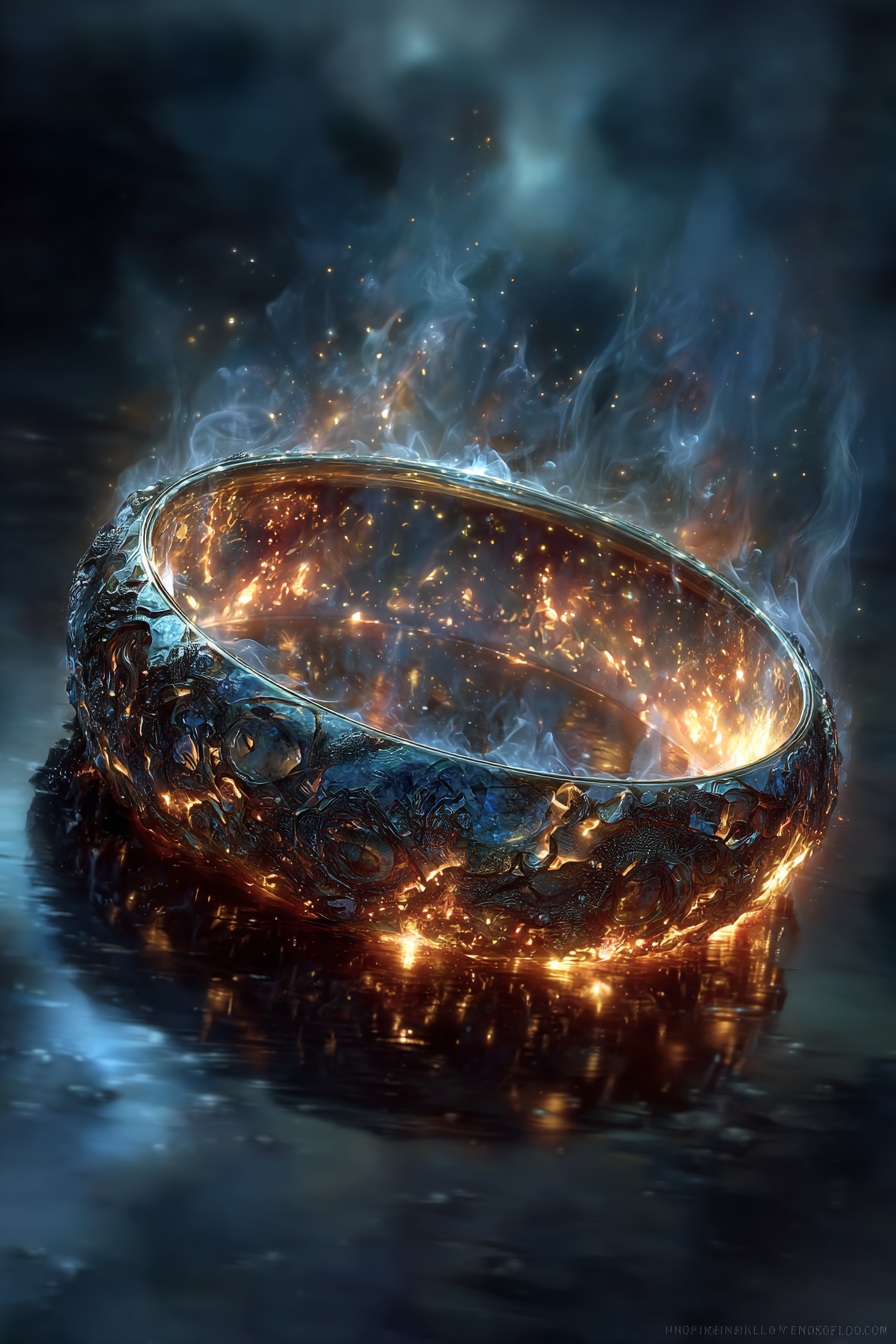
“He killed two men for a spoon and cried afterward because he could not explain why.”
Related Discipline
Level



Comments