


Ground
Path of Least Resistance
“The difference between a storm and a power source is usually one competent abjurer.”
Storm mages love spectacle until lightning chooses the wrong target.
Ground was developed as a practical countermeasure to one of battlefield magic’s oldest problems. Electrical spells are fast, violent, and notoriously difficult to contain once unleashed. A lightning bolt cast into crowded combat rarely stays as controlled as its caster intended. Armor conducts. Wet stone carries charge. Rigging lines ignite. Entire formations collapse because one surge jumped farther than expected.
This spell forces that chaos into a single destination.
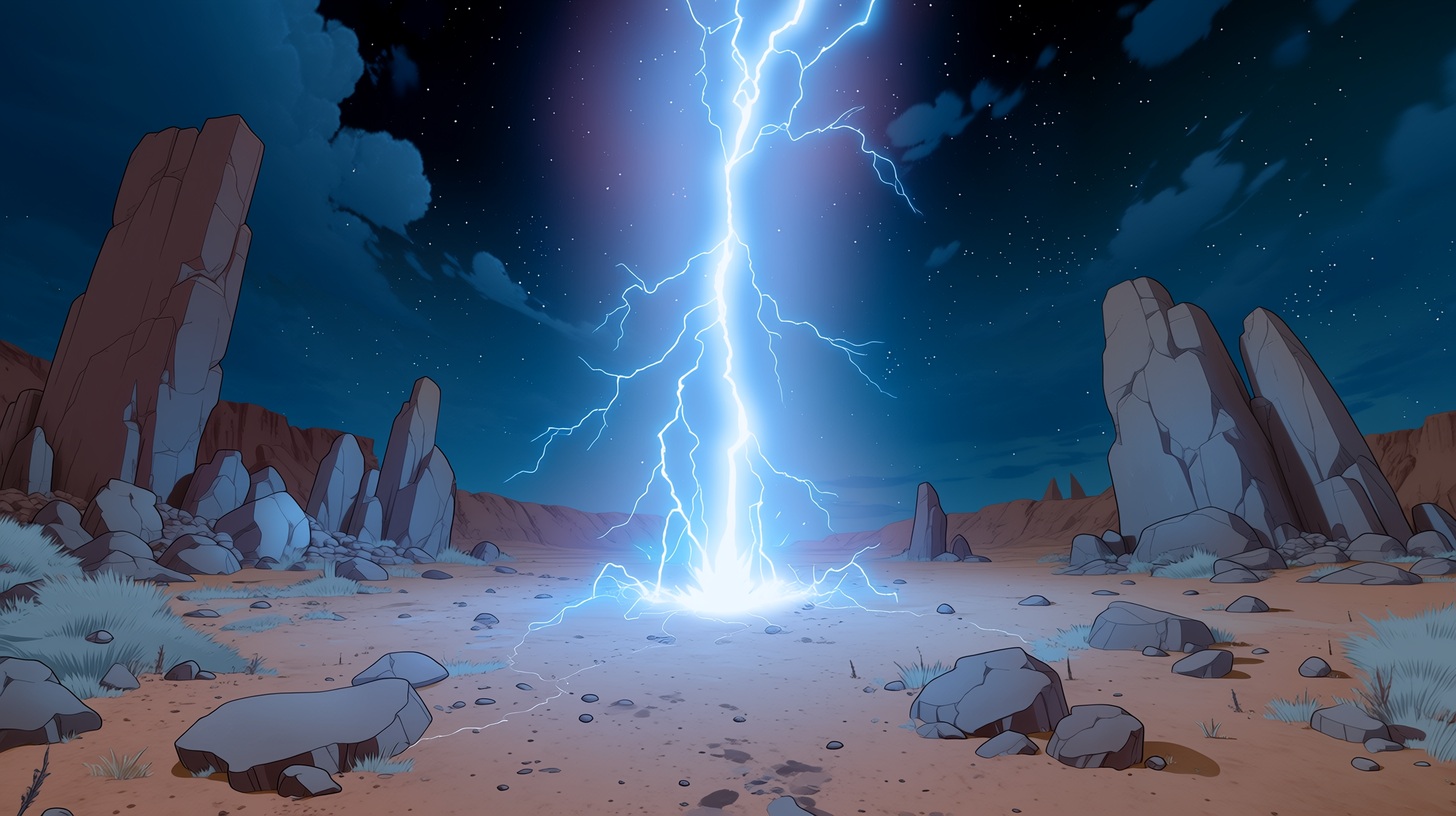
When cast, the target becomes a living or structural conduit for electrical discharge. Lightning meant for nearby creatures diverts violently toward the grounded subject instead, drawn into them as though the world itself suddenly decided where the current belongs. The redirected energy crackles visibly across the environment in harmless sheets of static, racing across metal, stone, water, and exposed surfaces before collapsing inward.
To witnesses, the effect resembles invisible gravity acting upon electricity.
The spell’s reactive casting time made it especially popular among artificers and naval mages, both of whom learned quickly that uncontrolled lightning could destroy allies as efficiently as enemies. Airships, laboratories, mage towers, and siege engines all benefited enormously from controlled redirection magic capable of preventing catastrophic chain discharges.
Objects grounded by the spell become completely immune to lightning damage, leading to widespread architectural applications. Certain towers intentionally incorporate permanent grounding arrays inspired by the spell’s principles. During violent storms, entire buildings may shimmer with crawling arcs of redirected static while remaining structurally untouched.
Living targets experience the spell very differently.
Though protected by lightning resistance, grounded creatures still endure every redirected impact separately. Veteran battlemages compare the sensation to being repeatedly struck in the bones with heated iron rods. Muscles lock involuntarily. Hair rises. Vision flashes white with each surge. The spell protects against lethal overload but does little to preserve comfort.
For this reason, military units using Ground often assign heavily armored shock troopers or magically enhanced defenders as designated conduits during engagements involving hostile lightning casters. These soldiers train specifically to withstand repeated electrical impacts while holding formation.
The spell has also produced unusual dueling tactics. Clever casters sometimes ground expendable objects such as metal shields, anchored weapons, or iron barricades before provoking enemy lightning magic intentionally. Others weaponize the spell psychologically by grounding a heavily protected ally and forcing opponents to realize their attacks are actively strengthening battlefield positioning instead of disrupting it.
Druids employ the spell differently from artificers or wizards. Many nature traditions view lightning as part of a broader balance between sky and earth rather than merely destructive force. To them, Ground represents controlled release rather than defense alone. Some druidic circles even perform ritual grounding ceremonies during major storms, channeling natural lightning safely into ancient standing stones or sacred trees believed capable of enduring the strain.
The material components, copper wire wrapped around an iron nail, reflect the spell’s straightforward mechanical philosophy. Conduct. Anchor. Redirect. Unlike many abstract abjurations built around symbolic protection, Ground behaves with almost mathematical clarity.
That simplicity earned the spell enormous respect among practical mages.
Its limitations remain equally clear. The spell affects only lightning damage. Fire ignores it. Thunder passes through unaffected. Arcane force, radiant energy, and elemental cold remain entirely outside its reach. Several overeager apprentices have learned this distinction painfully after assuming grounding protection extended to all storm magic indiscriminately.
Despite its specialized purpose, Ground became foundational to modern magical engineering. Entire electrical systems in advanced arcane workshops depend upon controlled grounding principles derived from the spell. Some scholars even argue it marked the first major step toward treating elemental magic as something that could be managed systematically rather than merely unleashed and endured.
That shift changed magical industry permanently.
Because once lightning could be redirected reliably, people stopped fearing how to survive it.
And started asking how to use it.
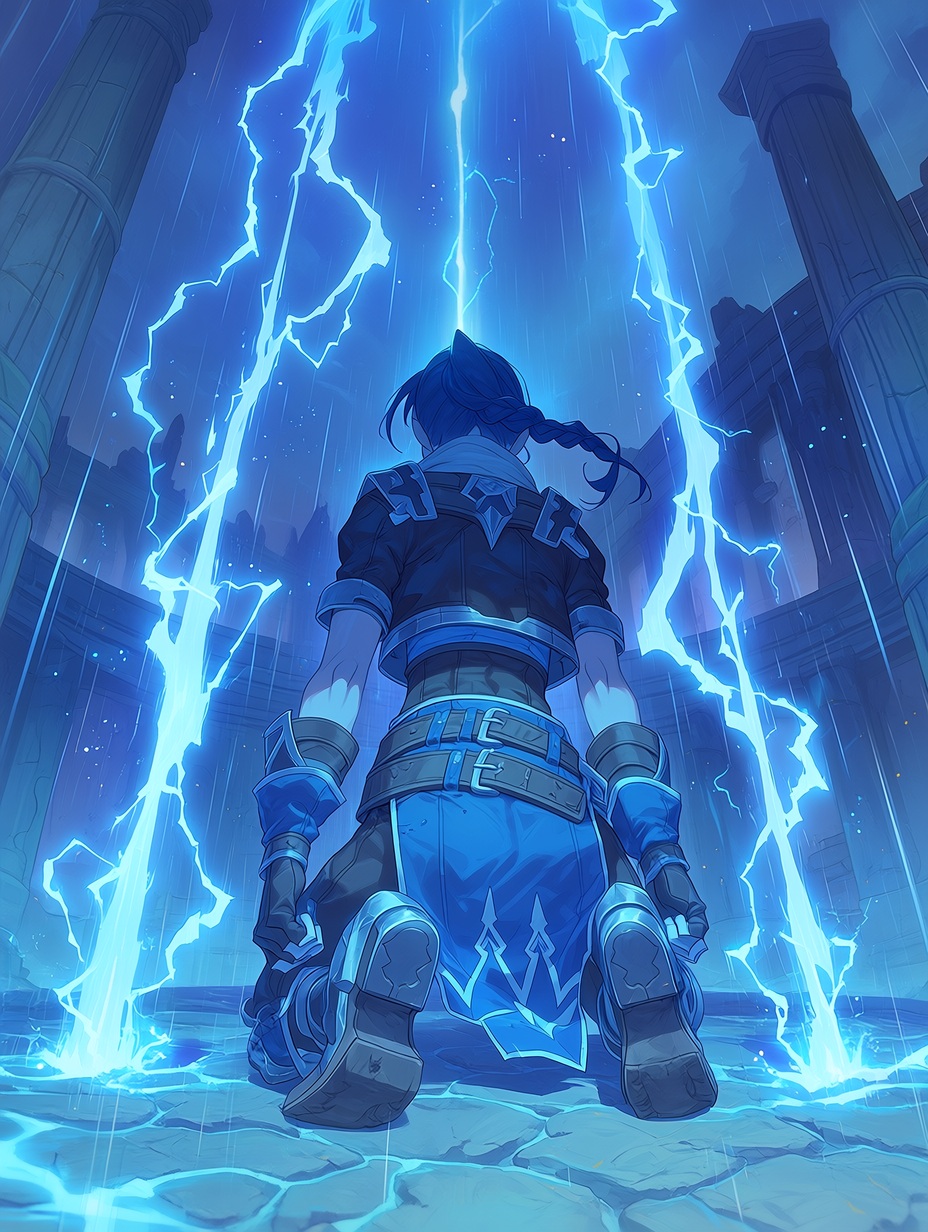
“Stand still, keep breathing, and let the sky hate you instead of everyone else.”
Related Discipline
Level



Comments