


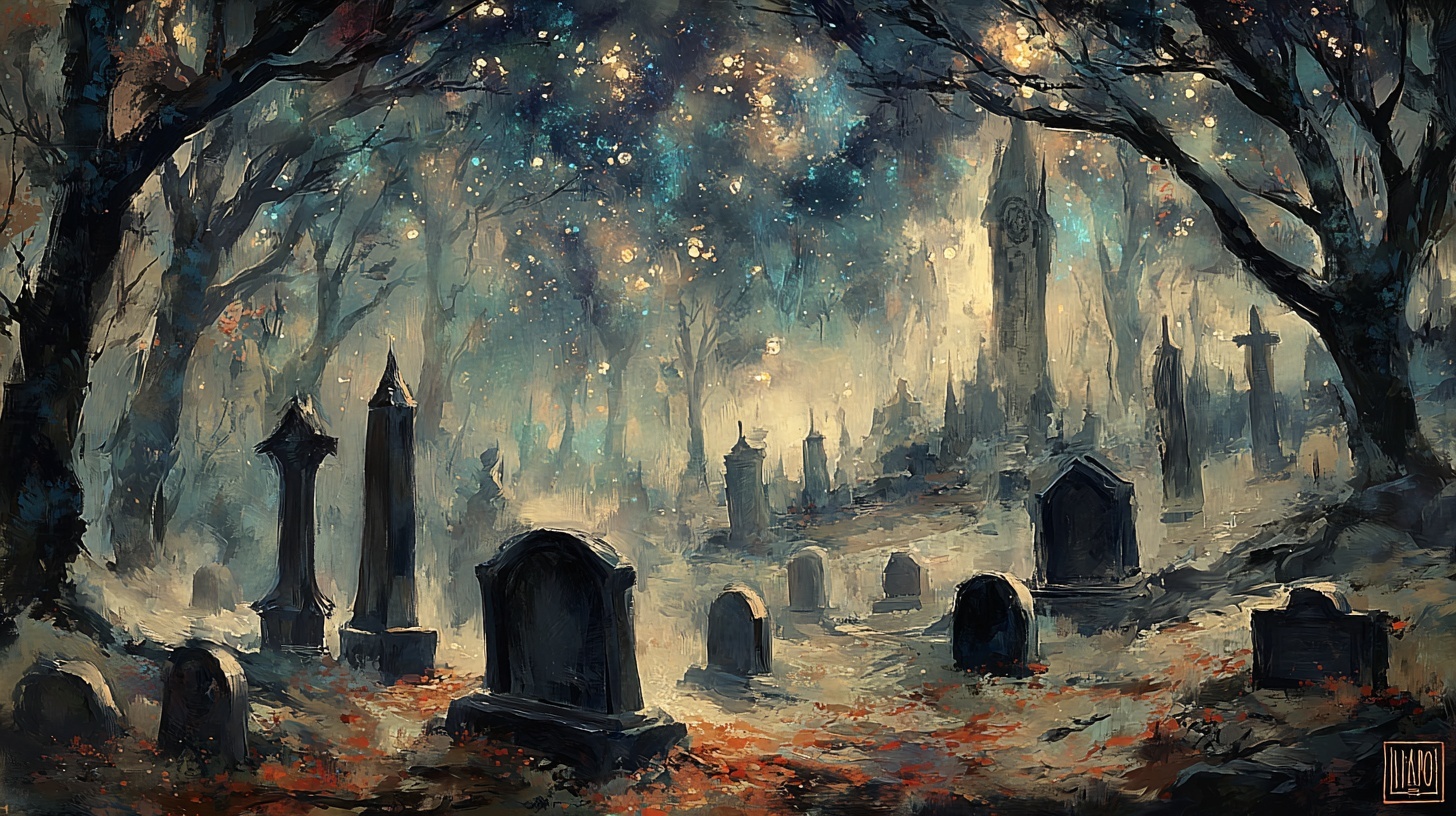
Ward The Dead
Rest My Brother
“It is quiet now. Not the quiet of a room, not the quiet of night, but something deeper. Nothing reaches me here. No voice, no grief, no memory that claws its way back. If this is death, then let the living keep their noise.”
Ward the Dead is one of those rare recoveries that feels less like a discovery and more like a responsibility being handed forward. When Archaeomancers first uncovered the spell intact, preserved with unusual clarity from an age where most magical knowledge survives only in fragments, there was little debate about its purpose. It did not exist to empower the living. It existed to protect those who could no longer protect themselves.
Across history, burial has never been a simple act of placing the dead into the ground. It has always carried an understanding, sometimes spoken, sometimes only implied, that rest should remain undisturbed. In most eras, that expectation was threatened not just by time or neglect, but by those who saw the dead as a resource. Entire cultures rose and fell with practices that blurred the line between reverence and exploitation, and a few crossed it without hesitation. In such times, protections were not symbolic. They were necessary.
This spell reflects that necessity with a kind of quiet certainty.
When the ward is laid, it does not announce itself with visible force or spectacle. There is no barrier to be seen, no glow or sigil marking the grave as protected. The magic settles into the place itself, binding to the soil, the stone, the container, and most importantly, to what lies within. From that moment forward, the grave becomes something more than a resting place. It becomes a boundary.
The first function of that boundary is awareness.
Those entrusted with maintaining burial grounds, whether they are priests, wardens, or simple caretakers, cannot be present at every grave at every moment. The spell answers that limitation by creating a quiet line of communication. If the rest is disturbed, if the grave is opened, dug into, or its contents removed, the one who placed the ward knows. The alert is not loud or overwhelming, but it is unmistakable. It carries the weight of intrusion, a clear signal that something has crossed a line that was meant to remain intact.
The second function is far more absolute.
The remains within the ward cannot be turned against the world. No spell, no ritual, no clever manipulation of necromantic force can raise them, bind them, or reshape them into something that serves the will of another. Whatever potential once existed for such interference is cut off entirely. The dead remain what they are, untouched by those who would use them for their own ends.
This aspect of the spell is where its importance becomes most evident.
In regions where necromancy has been abused, where the dead have been taken and repurposed without regard for who they were, wards like this are not merely protective. They are corrective. They restore a sense of finality that had been lost. A grave protected in this way is not just harder to violate. It is, for all practical purposes, closed to one of the most troubling forms of intrusion that magic can allow.
There is, however, a degree of flexibility built into the spell that reflects a more measured understanding of death.
The protection is not absolute beyond the grave itself. If remains are removed, intentionally or otherwise, the ward lingers only for a short time. This allows for necessary practices such as relocation, examination, or ritual handling to occur without permanently extending the protection in ways that might interfere with legitimate needs. It acknowledges that the living may have reasons to disturb the dead, while still ensuring that such actions are deliberate rather than exploitative.
The role of those who maintain these wards cannot be understated.
Gravekeepers, temple wardens, and others tasked with the care of the dead often rely on a combination of spells to fulfill their duties. Gentle Repose preserves. Ward the Dead protects. Together, they form a system that respects both the physical remains and the dignity of those they once belonged to. These individuals are rarely celebrated, and their work is often invisible, but it is essential in places where the boundary between life and death has been tested too often.
What makes Ward the Dead particularly enduring is that it does not depend on a specific culture or belief to hold meaning.
Whether the dead are honored with ceremony, remembered quietly, or simply laid to rest without fanfare, the principle remains the same. They are not to be used. They are not to be disturbed without cause. The spell enforces that principle in a way that does not require agreement, only presence.
It stands as a quiet answer to a long history of misuse, a reminder that not all magic is meant to take, reshape, or command. Some of it exists to ensure that what has ended is allowed to remain so, and that the silence of the grave is not something to be broken lightly.
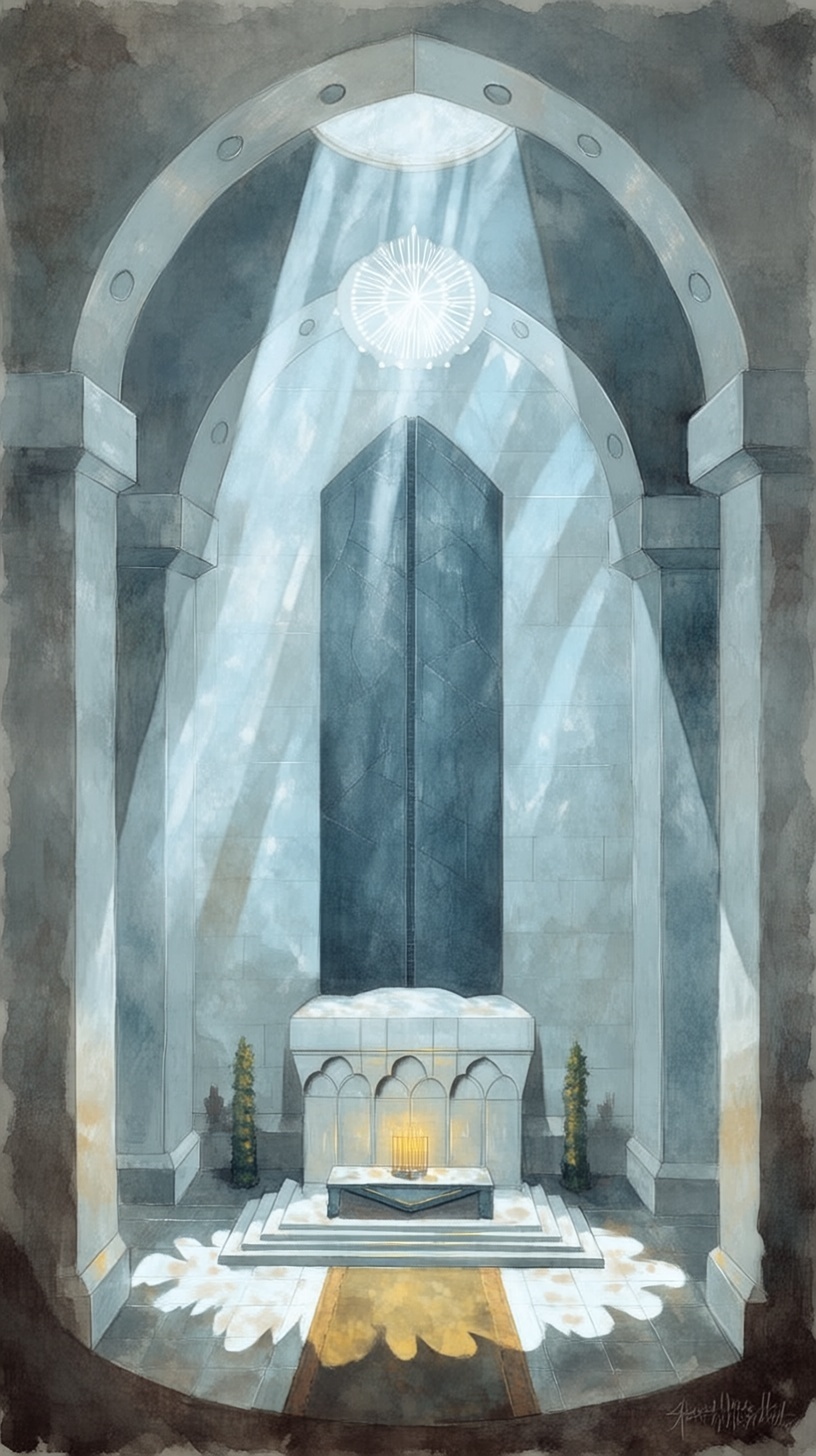
“They feared the grave as though it held something waiting. Fools. It holds nothing at all, and that is the mercy of it. No hunger, no want, no return. Only stillness, and the promise that it will not be taken from you.”
Related Discipline
Level



Comments