


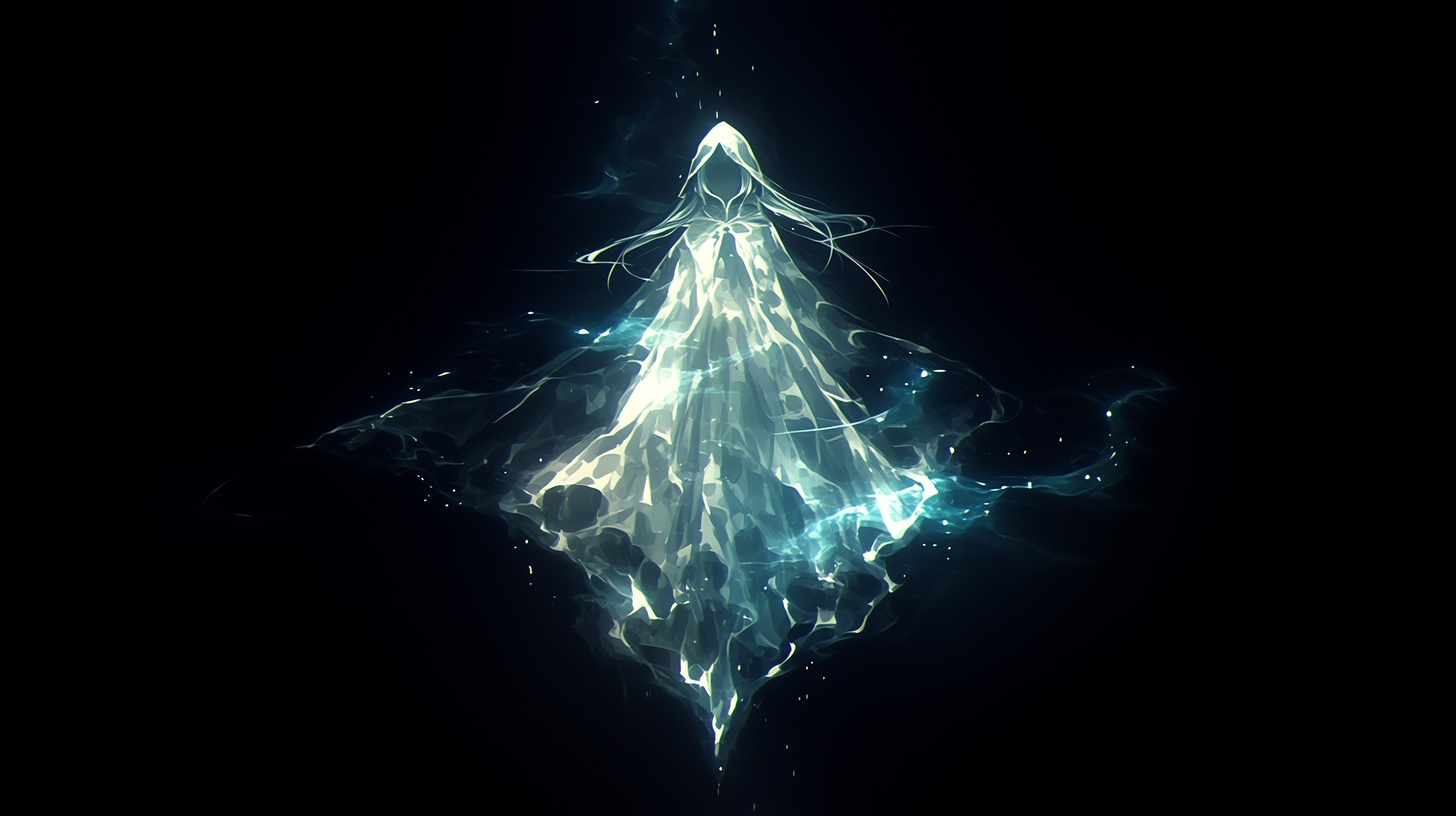
Walkabout
Evening Stroll
“When the body sleeps, the path opens. Not for the feet, not for the hand, but for the part of you that listens. Walk softly there. The world does not know you are passing, but that does not mean it is empty.”
Walkabout is not a spell born from urgency or conflict. It carries none of the sharp edges common to divination meant for surveillance or tactical advantage. Instead, it reflects a quieter instinct, one rooted in curiosity, in restlessness, and in the simple desire to see what lies just beyond reach without ever leaving one’s place.
At its core, the spell creates a separation that is both complete and strangely natural. The body sleeps, unaware and unresponsive, while awareness drifts free of it, no longer anchored to flesh or position. There is no sensation of movement in the conventional sense. One does not walk, fly, or pass through space with effort. The point of perception simply shifts, relocating itself within the limits of the spell’s range as if distance has been reduced to a matter of intention.
The experience is often described as dreamlike, though not in the chaotic or symbolic way of ordinary dreams. There is clarity to it, a sense that what is being perceived is real and present, yet filtered through a layer that removes urgency. Sound feels softer, edges less immediate, as though the world is being observed rather than inhabited. It is a perspective that invites observation without involvement.
That lack of involvement is absolute.
The wandering awareness cannot touch, cannot speak, cannot alter anything it encounters. It exists only to witness. A door cannot be opened, a message cannot be delivered, a threat cannot be answered. This limitation defines the spell as much as its freedom of perception. It grants access, but denies agency, placing the caster in a position where knowledge can be gained, but nothing can be done with it in the moment.
There is also a cost that is easy to overlook until it matters.
While the mind wanders, the body remains entirely unguarded. The caster is unaware of their own surroundings, unable to respond to danger, disturbance, or even the simplest interruption. In safe environments, this is of little consequence. In uncertain ones, it becomes a risk that must be carefully considered. The spell demands trust in one’s surroundings, or at least a willingness to accept the vulnerability it creates.
For this reason, its use varies widely depending on who employs it.
In quieter settings, it serves as a tool of observation and reflection. A way to watch the slow rhythms of a place, to understand how spaces are used when no one believes they are being seen. It can reveal patterns, routines, and details that might otherwise go unnoticed. Scholars, scouts, and those with a patient disposition find value in this kind of detached awareness.
In more practical or guarded contexts, it becomes something closer to a measured risk. The ability to observe without being seen has obvious advantages, even within the spell’s limited range. A room can be checked before entry. A corridor can be watched for movement. The presence of others can be confirmed without exposing oneself. These uses are straightforward, but they rely on the caster’s willingness to surrender control of their own body while doing so.
There is a subtle distinction that experienced users come to understand.
This is not true separation of self, but a temporary relocation of perception. The mind does not split or duplicate. It moves. Wherever the awareness is placed, that is where the caster exists for the duration. The body becomes irrelevant until the moment of waking, at which point everything returns abruptly, senses and presence snapping back into place without transition.
That return can be disorienting, particularly after extended use. The contrast between the detached, observational state and the immediate demands of the physical world is sharp. Sound regains its weight. Movement requires effort again. The simple fact of occupying a body feels momentarily unfamiliar, as though something had been set aside and then taken up again without warning.
The spell leaves no lasting trace on the environment, but it often leaves an impression on the one who uses it.
There is a certain perspective gained from watching the world without being part of it, even briefly. It changes how spaces are understood, how people are observed, how moments are interpreted. The caster becomes aware of how much goes unnoticed in ordinary perception, and how different the world feels when one is no longer required to act within it.
Walkabout does not grant power in the conventional sense. It offers distance, and in that distance, a different kind of understanding.
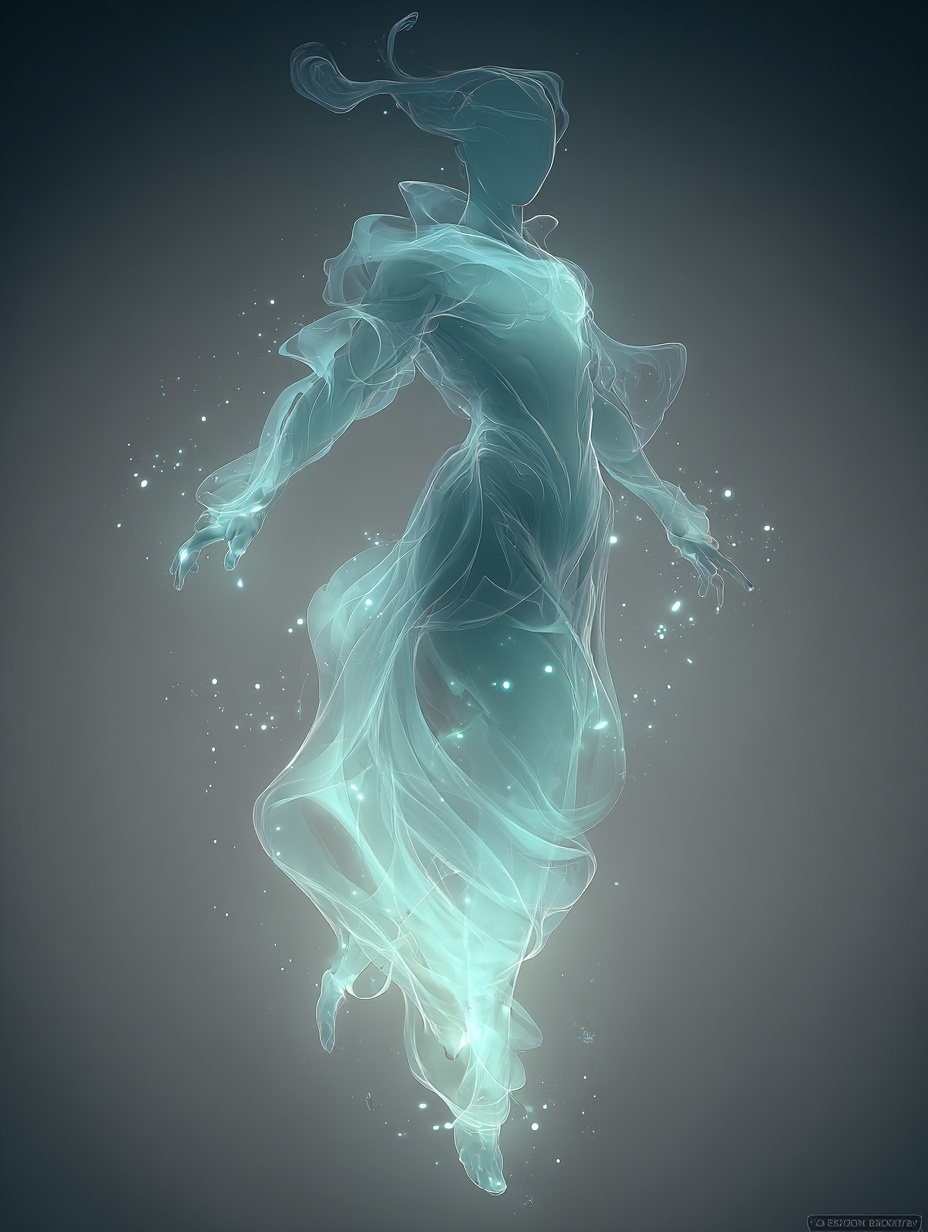
“I thought I was dreaming of the halls, but they did not bend or change as dreams should. They waited for me, quiet and patient, as if I had been expected. And when I woke, I knew I had not imagined them. I had only visited.”
Related Discipline
Level



Comments