


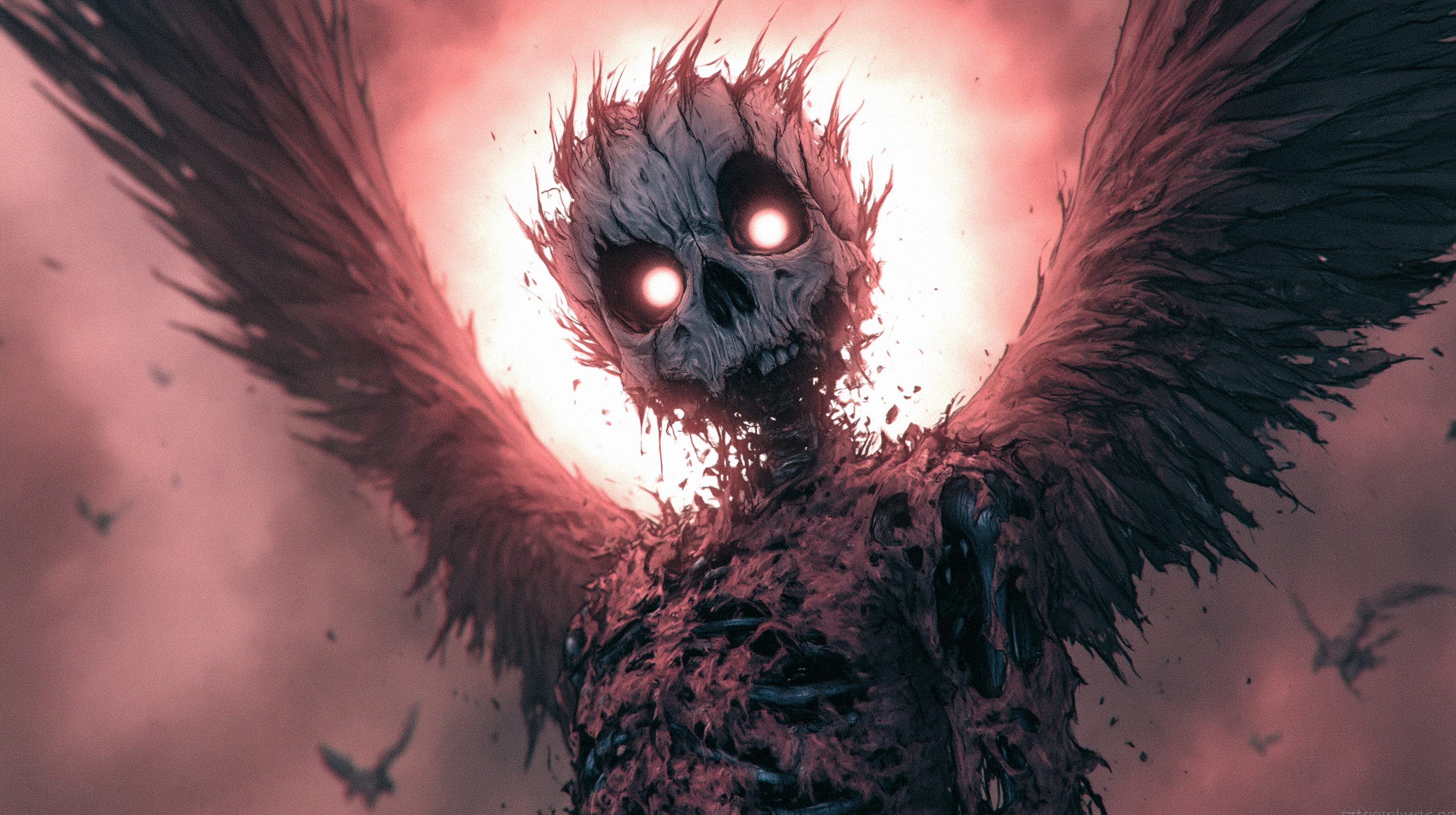
Unspeakable Offering
What Have You Done?!
“The altar did not frighten me. Nor the blood. Nor even the screaming. What frightened me was the sound afterward… the awful silence of something satisfied.”
Unspeakable Offering is not feared because it kills people.
Plenty of spells kill people.
It is feared because it answers a question civilized minds are not supposed to ask too carefully.
What is a soul actually worth?
Most religions insist the answer is sacred, unknowable, beyond mortal authority. Philosophers debate it endlessly. Necromancers circle around it like starving men outside candlelight. Unspeakable Offering ignores all of them and treats the matter as transactional fact.
One soul.
One impossible miracle.
The spell’s origins remain heavily disputed because nearly every surviving record connected to it ends in censorship, execution, disappearance, or fire. Entire archives have been destroyed over fragments describing the ritual incorrectly, which many scholars consider deeply concerning. Ordinary dangerous magic is usually sealed away. Unspeakable Offering inspires panic severe enough to erase surrounding knowledge as well.
That reaction alone tells experienced occultists something important.
Humanity has encountered this spell before.
Far more often than history comfortably admits.
The ritual itself appears horrifyingly simple. A spoken vow. A black diamond flawless enough to suggest obsessive acquisition. One willing creature stepping forward knowingly. Then silence.
Witnesses consistently describe the death as wrong in subtle ways difficult to explain afterward. Not violent. Not dramatic. Worse than that. Quiet. Final. As though something invisible reached into reality and removed a fact from existence with bureaucratic efficiency.
The body remains.
Everything else does not.
Attempts to contact the sacrificed soul fail completely. Resurrection collapses without explanation. Divine communion returns nothing. Necromantic rituals encounter only absence, vast and cold and absolute. The soul has not moved beyond mortal reach.
It has moved beyond metaphysical reach.
That distinction terrifies theologians.
Because if souls can be surrendered somewhere beyond gods, then the gods themselves may not occupy the highest layer of existence after all.
The miracle granted in exchange always functions perfectly. That consistency is perhaps the most disturbing aspect of the spell. There is no corruption of the request. No malicious twisting of intent. Catastrophes halt. Ancient curses unravel. Dead rulers breathe again after centuries in the grave. Planar breaches close. Impossible magic unfolds with smooth, effortless certainty.
The universe accepts the transaction cleanly.
Which implies the existence of rules.
And rules imply administration.
That thought has driven more than one scholar into permanent collapse.
The resurrected returned through the spell represent another source of endless horror. They come back alive in every measurable sense. Memory intact. Personality recognizable. Wounds healed. Yet survivors universally describe subtle abnormalities difficult to articulate without sounding irrational.
They stop dreaming.
Mirrors feel uncomfortable around them.
Animals react with prolonged unease.
Rooms seem colder after their arrival, though fires remain unchanged.
Some claim their shadows occasionally hesitate before following movement. Others report the constant sensation that someone stands just outside peripheral vision, patient and attentive. Priests attempting to divine these individuals often end services early without explanation.
No consensus exists regarding what these changes actually mean.
That uncertainty is worse than certainty would be.
Because perhaps nothing followed them back.
Or perhaps something did.
The spell’s greatest danger lies not in cruelty, but temptation. Most who study Unspeakable Offering begin with noble hypotheticals. A city saved from destruction. A plague halted. A loved one restored. One willing life exchanged to prevent unimaginable suffering. The logic feels clean at first, almost merciful in its arithmetic.
History suggests that feeling never lasts.
Repeated exposure alters moral reasoning catastrophically. Casters begin speaking differently about sacrifice. More clinically. Lives become measurements instead of people. One soul for a thousand. One soul for peace. One soul for knowledge otherwise impossible to obtain. Eventually the transaction itself stops feeling horrifying and starts feeling efficient.
That transformation has preceded every recorded disaster associated with the spell.
Entire kingdoms have outlawed even discussing it publicly. Religious authorities classify possession of the ritual alongside existential heresy. Certain occult organizations hunt surviving copies not to use them, but to ensure nobody else ever can. Libraries containing verified references have vanished overnight under circumstances official investigations described as “structural fire.”
Curiously, the fires rarely spread beyond the relevant shelves.
And buried beneath every surviving fragment discussing Unspeakable Offering rests the same implication, repeated in different languages across centuries by writers who never should have shared conclusions.
The spell does not force reality to obey.
Reality agrees.
Which means somewhere beyond death, judgment, memory, and every known afterlife, something is still willing to negotiate.
And humanity is apparently valuable enough to bargain with.
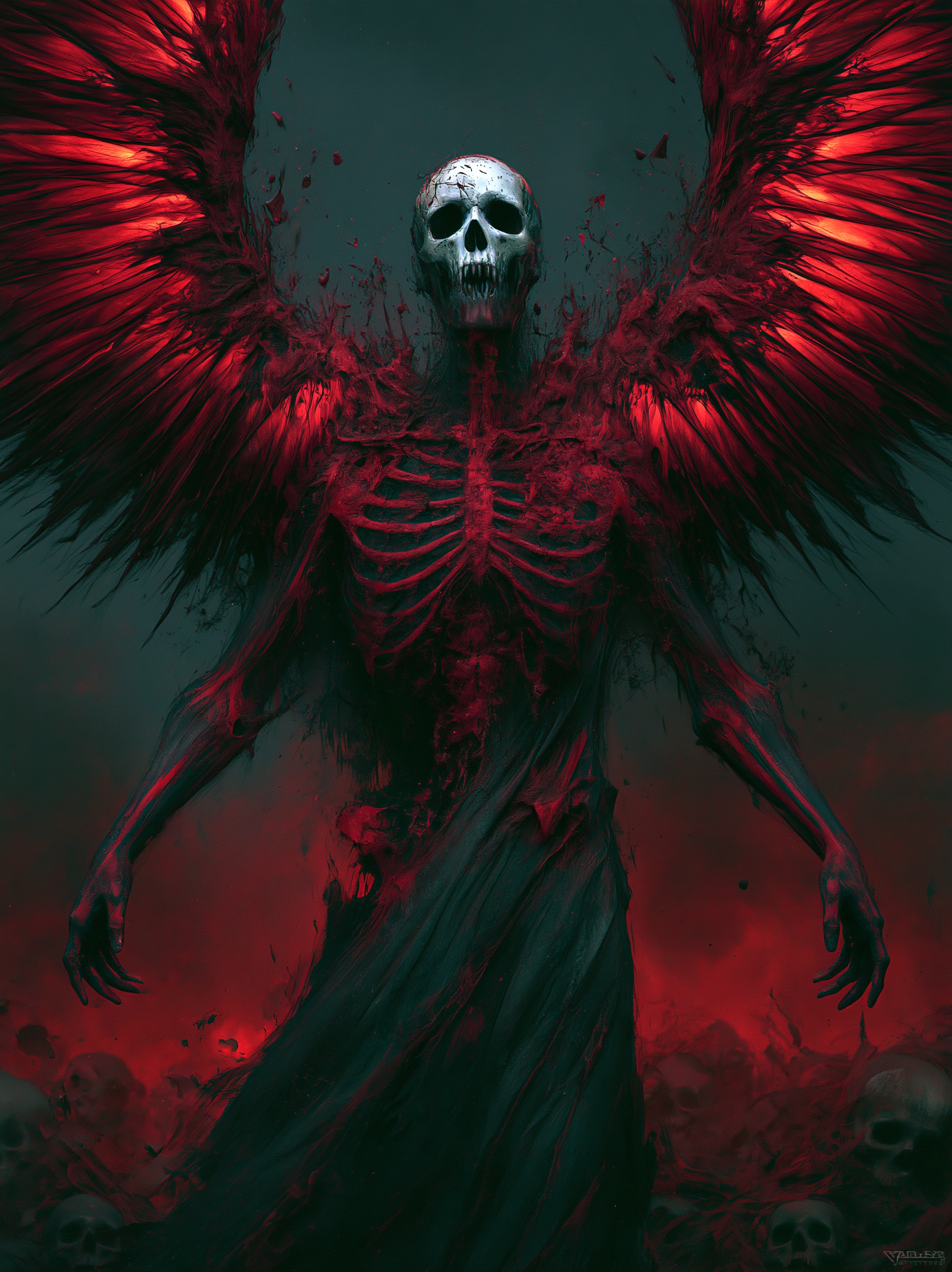
“You speak of sacrifice as though heaven keeps account books. But there are older things than heaven, my son, and they have always accepted payment.”



Comments