



Strobe
Blinky, Blinky
“It felt like the room forgot how motion was supposed to work.”
Most magical light exists to illuminate.
Strobe exists to overwhelm perception itself.
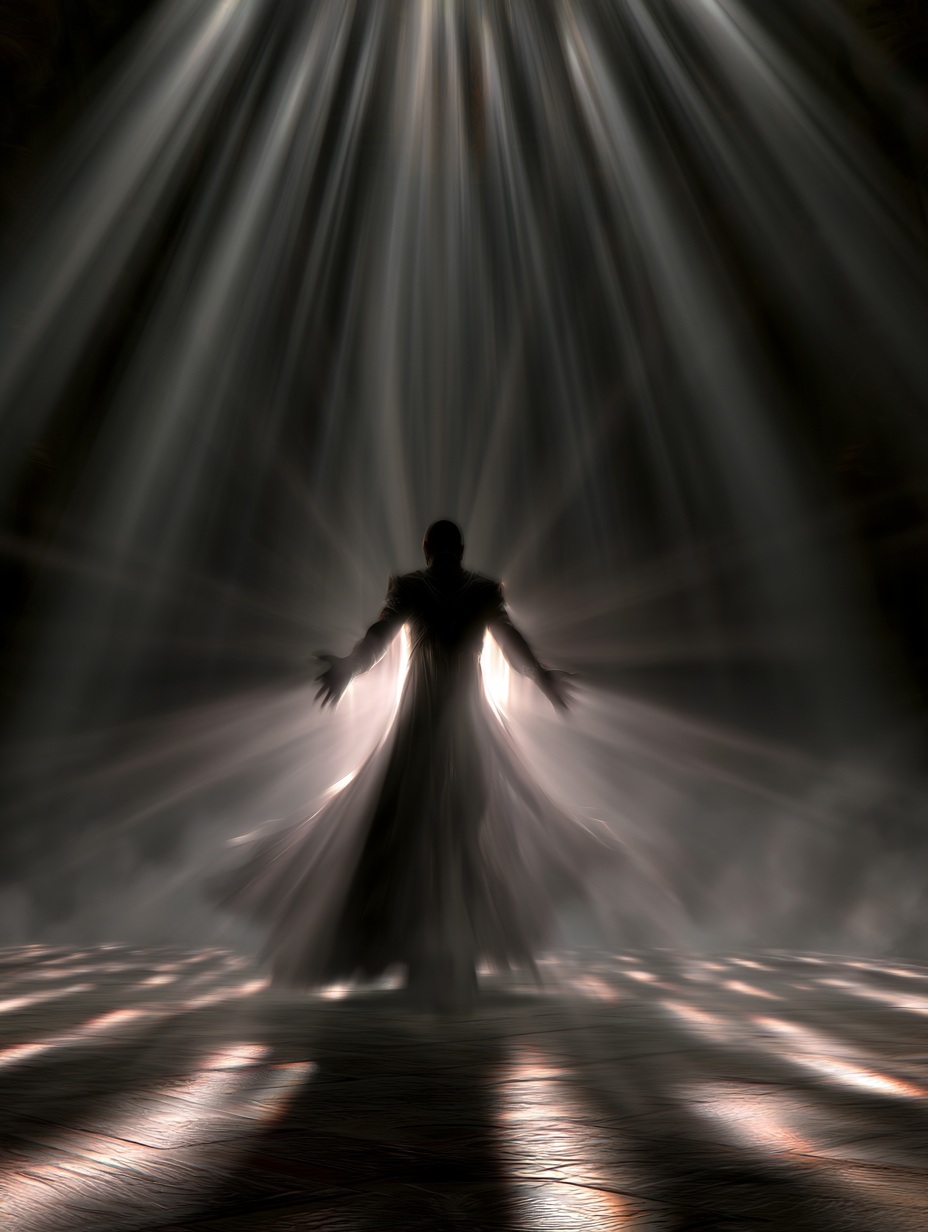
The spell creates a hovering sphere of violently pulsing white light that fractures rhythm, distance, and timing through relentless bursts of illumination. Within the affected area, shadows vanish and reappear unpredictably between flashes. Depth perception becomes unreliable. Movement feels delayed or incorrectly paced. Creatures caught inside the sphere often stumble instinctively as the mind struggles to process fragmented visual information quickly enough to coordinate properly.
Witnesses describe the effect as physically exhausting after only a few seconds.
The sphere’s light does not merely shine.
It attacks concentration through sensory instability.
Artificers were among the first practitioners to develop the spell intentionally, inspired by experimental signaling lanterns and arcane devices capable of producing rapid controlled bursts of illumination. Military engineers quickly realized such effects could disrupt formations and pursuit far more effectively than simple darkness or smoke.
A blinded enemy can still swing wildly.
A disoriented enemy hesitates.
This distinction made Strobe surprisingly effective in urban conflict, narrow corridors, ship interiors, and crowded battlefields where timing matters more than raw destructive force. Guards struggle to coordinate movement through the flashing light. Duelists lose footing. Pursuing enemies fail to capitalize on openings quickly enough to maintain pressure.
The spell’s suppression of opportunity attacks reflects this perfectly. Creatures caught within the pulses cannot reliably judge movement timing well enough to react decisively as enemies reposition around them.
Sorcerers often shape the light instinctively into unnatural rhythms matching emotional intensity or magical temperament. Some produce precise mechanical flashes. Others create chaotic bursts resembling distant lightning or failing stars. Bards frequently adapt the spell theatrically during performances or criminal distractions, weaponizing confusion beneath dazzling visual spectacle.
Naturally, this led to controversy almost immediately.
Several cities attempted to regulate or ban the spell after incidents involving public panic, riots, and accidental injuries during crowded events. Taverns employing illusionists with access to Strobe became notorious for brawls escalating unpredictably once perception and coordination collapsed across entire rooms simultaneously.
The spell gained particularly infamous reputation among thieves and escape artists.
A moving sphere of violently flickering light creates ideal conditions for confusion, misdirection, and disappearance. Witness accounts during crimes involving Strobe often contradict each other dramatically because victims cannot track movement accurately while affected.
“Three men escaped.”
“No, only one.”
“The door was never opened.”
“All the candles exploded.”
Investigators learn quickly that testimony gathered immediately afterward becomes unreliable.
The hovering sphere itself moves with eerie smoothness despite the violence of its illumination. Casters can reposition it effortlessly as a bonus action, sweeping disruption across battlefields or driving opponents toward unfavorable terrain. Experienced users often herd enemies strategically through repeated repositioning rather than relying on the spell defensively alone.
Creatures possessing blindsight remain immune because the enchantment disrupts visual processing specifically rather than balance or cognition directly. This limitation has produced unfortunate surprises for inexperienced casters attempting to hinder creatures that perceive the world through vibration, sound, or supernatural awareness instead of ordinary sight.
Many discovered the problem too late.
The spell’s lingering cultural reputation varies heavily by region. Certain entertainment districts embraced it enthusiastically for theatrical spectacle despite safety concerns. Military veterans usually react with immediate hostility toward the sight of rapidly pulsing magical light due to battlefield associations. Physicians and healers frequently dislike the spell entirely because prolonged exposure can produce nausea, headaches, panic, and sensory exhaustion even outside combat.
Some scholars argue Strobe represents a subtle philosophical shift in evocation magic itself.
Older evocation traditions emphasized force, destruction, and overwhelming power. Strobe demonstrates something more precise and modern. The manipulation of perception. Control through disorientation rather than annihilation.
Not every battle requires fire.
Sometimes confusing the body for six seconds is enough.



Comments