


Shifter
Bark At The Moon
"Humans fear the beast within. Shifters simply learned to shake its hand."
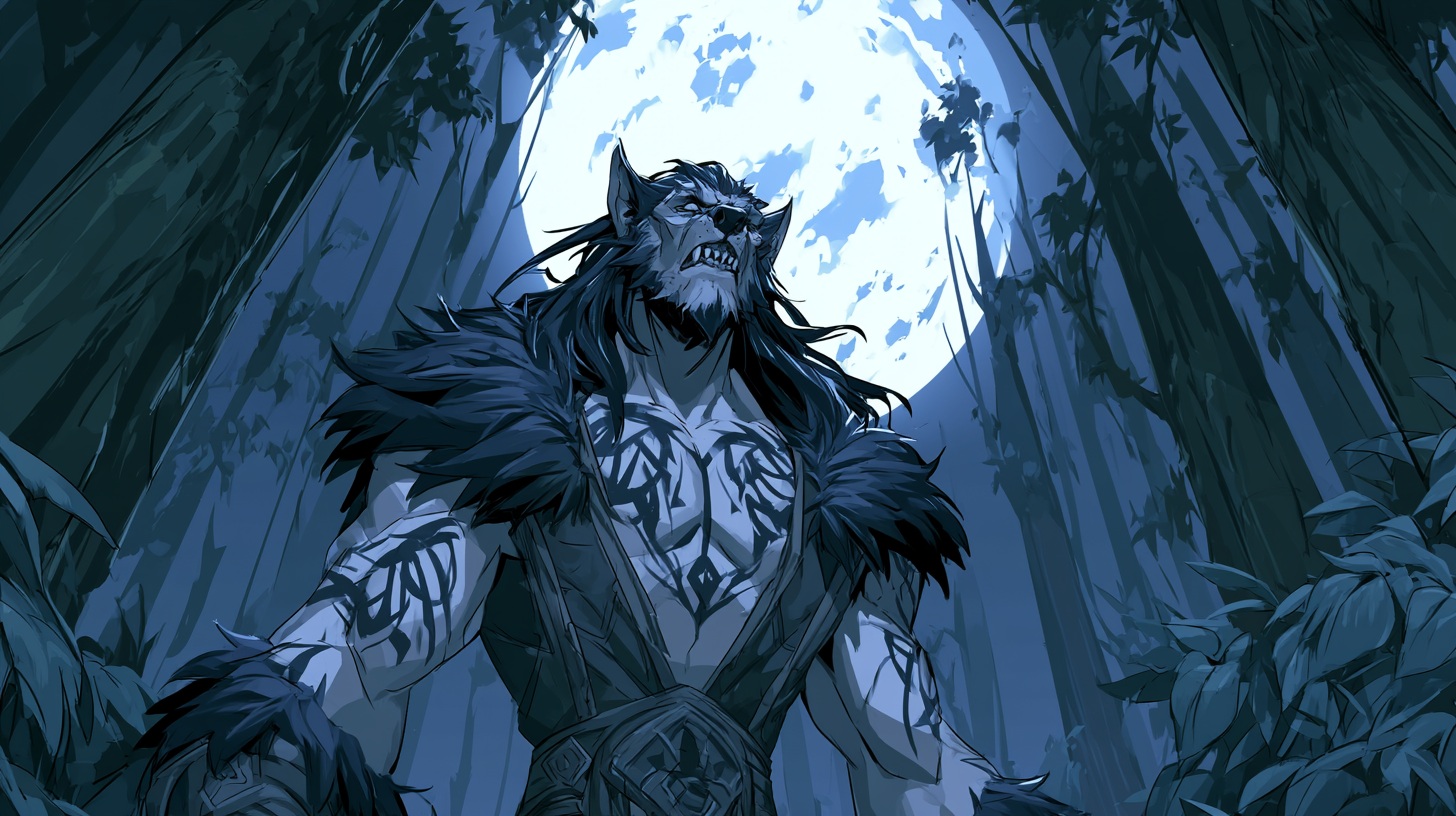
Shifters are humanoids who carry the lingering influence of primal lycanthropic ancestry. Though they are not true lycanthropes, many inherit heightened senses, bestial features, and the remarkable ability to briefly awaken the feral instincts sleeping within their blood. To a shifter, civilization and instinct are not opposing forces, but two halves of the same soul.
Every shifter bears subtle signs of their heritage even while at rest. Some possess pointed ears, pronounced canine teeth, slit pupils, or patches of coarse fur, while others display elongated fingers, powerful builds, or eyes that gleam in low light. During moments of heightened emotion or danger, these traits become more pronounced as they enter a temporary state known simply as the shift. Muscles tighten, claws lengthen, senses sharpen, and ancient instincts rise to the surface.
Shifter communities are as diverse as the beasts from which they draw inspiration. Some live among human settlements, others form secluded villages on the edges of great forests, mountains, or open plains, and many travel as hunters, scouts, rangers, or wandering guides. Few establish large nations of their own, preferring close-knit communities where trust is earned through shared experience rather than ancestry.
Life among shifters emphasizes self-control as much as strength. Children are taught that instinct is a gift, not an excuse. Courage without discipline becomes recklessness, while restraint without conviction becomes fear. Learning when to embrace one's inner beast is considered one of life's greatest lessons.
Many outsiders mistakenly assume shifters are closely related to werewolves or other lycanthropes. While the two share distant origins, shifters neither spread lycanthropy nor transform into full beasts. This misunderstanding has nevertheless shaped much of their history, leading many shifters to become cautious around those unfamiliar with their people.
The natural world holds deep significance within many shifter traditions. Elders teach by observing the habits of wolves, bears, cats, birds, and countless other creatures, believing every animal possesses lessons worth learning. A patient hunter, a vigilant guardian, or a swift traveler all reflect different expressions of the same living heritage.
Among shifters, introductions often include stories rather than lineage. A person may speak of the first hunt they survived, the mountain they climbed, or the companion whose life they once saved. Such memories reveal character more faithfully than any family name, and they are remembered long after scars have faded.
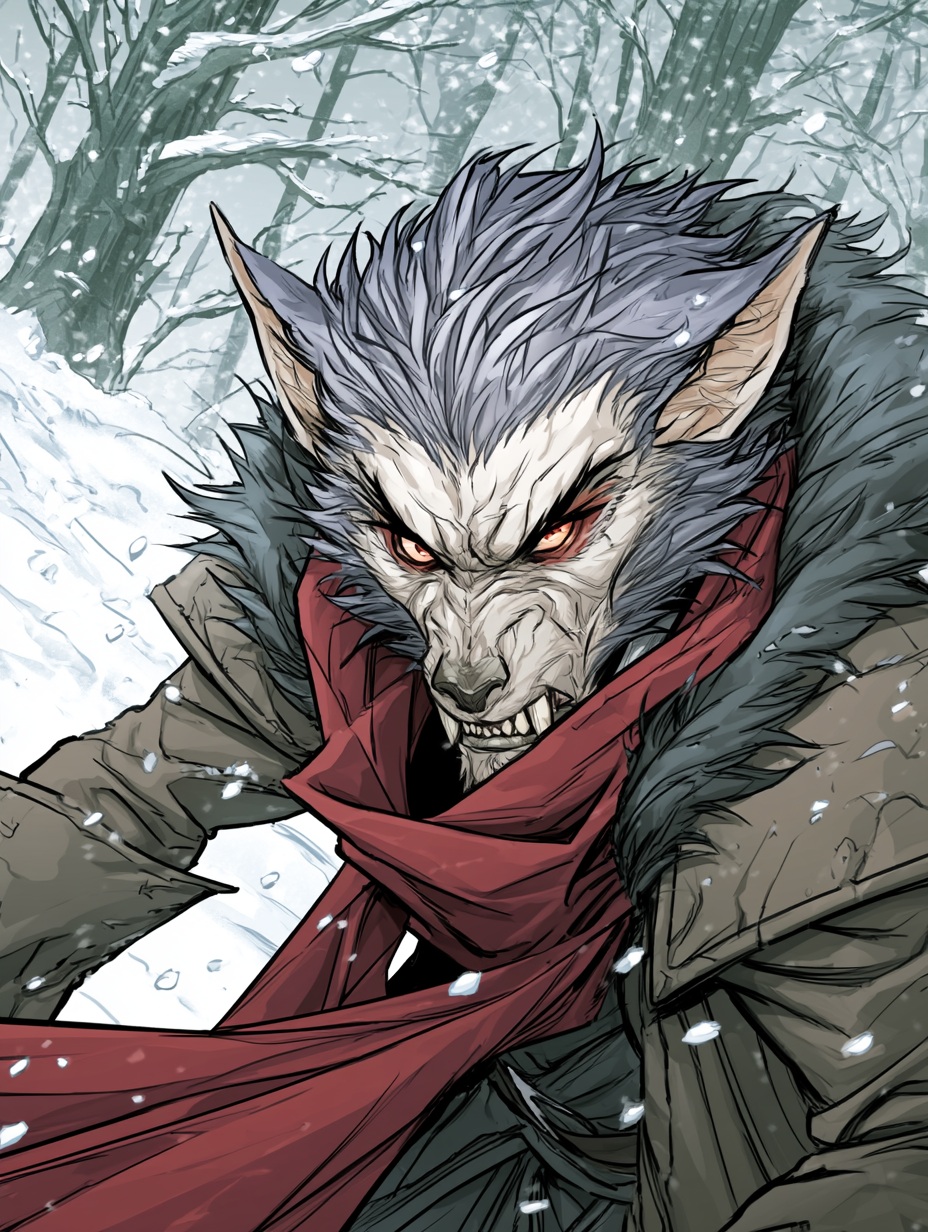
"I've marched beside shifters who tracked an enemy for three days without sleep. They don't fight like animals. They fight like people who never forgot they were one."
Scientific Name
Homo feralis
Origin/Ancestry
Lycanthrope
Lifespan
70–90 years
Average Height
5 ft. 2 in – 6 ft. 8 in
Average Weight
120–250 lbs
Related Ethnicities



Comments