


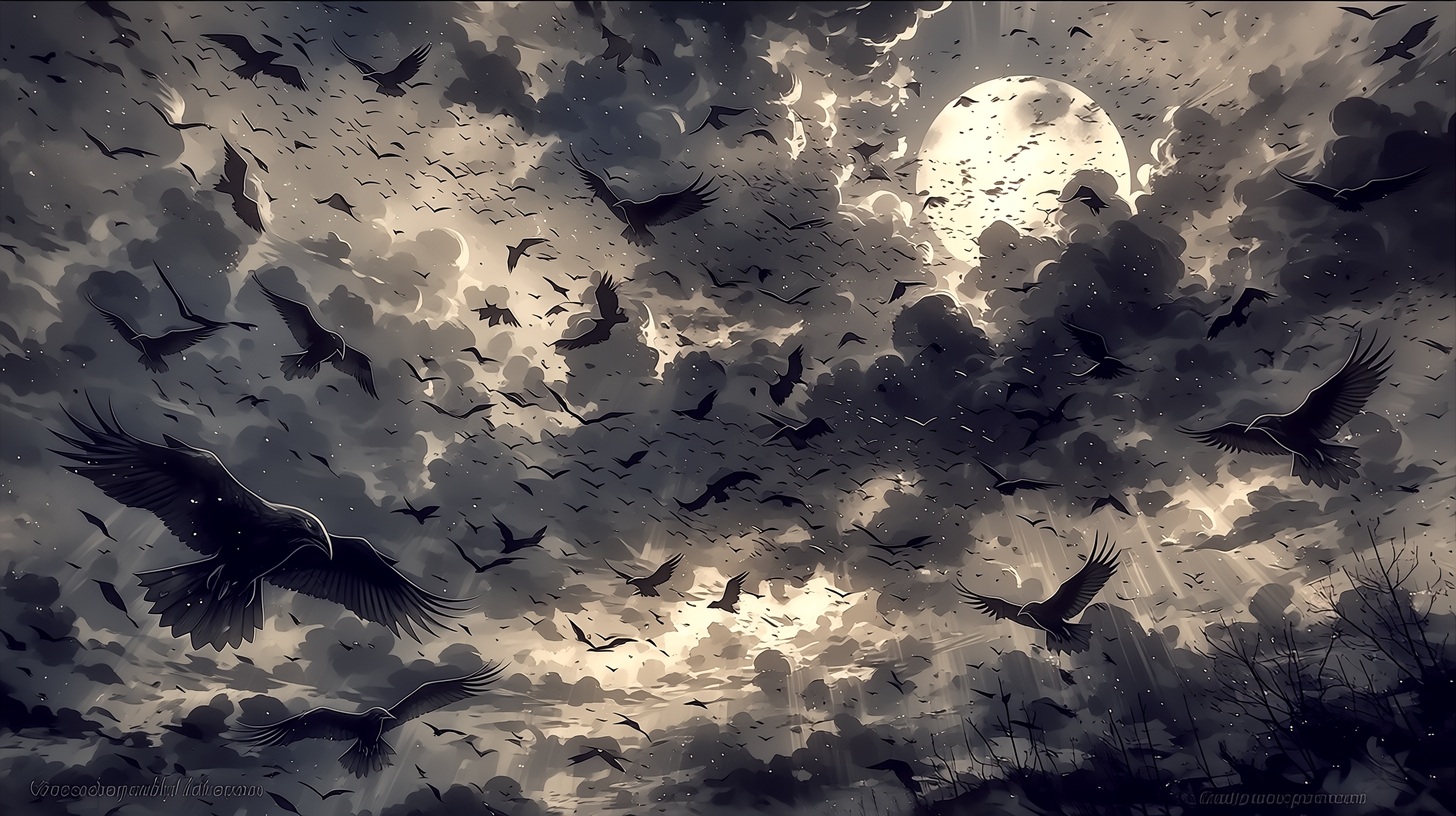
Scattered Form
Poof!
“He burst apart into black paper birds and reappeared laughing behind me. I resigned from dueling professionally the following winter.”
Most defensive magic attempts to stop harm.
Scattered Form simply ensures there is nothing there to strike for a brief impossible instant.
The spell allows the caster to dissolve into a swirling mass of harmless fragments moments before impact, reforming elsewhere in a violent burst of motion that leaves attackers swinging through empty space. Unlike ordinary teleportation, the transformation itself is visible and deeply personal, reflecting something intrinsic about the caster’s nature, magic, temperament, or soul.
A necromancer may explode into drifting ash and grave smoke. A fey touched warlock might scatter into moths or flower petals. Scholars have recorded sorcerers dissolving into embers, ravens, autumn leaves, spilled ink, torn pages, shards of shadow, spectral faces, or clouds of luminous insects before reforming safely nearby.
Experienced duelists claim you can learn a great deal about a spellcaster from what they become when instinctively avoiding death.
The spell’s reaction speed is what makes it so feared. The transformation occurs between intention and impact, interrupting the attacker’s certainty at the exact moment violence should connect. Most witnesses describe the effect less as movement and more as temporary disassembly.
The caster ceases to exist coherently for a fraction of a second.
Then returns elsewhere.
Sorcerers favor the spell heavily because of how naturally it complements volatile magical instinct. Many bloodline traditions even produce signature manifestations recognizable across generations. Certain noble houses are infamous for scattering into identical storms of silver feathers or crimson smoke during magical duels.
Warlocks often display far stranger forms.
Pact influence bleeds visibly into their transformations. Crawling shadows. Whispering faces. Clouds of eyes that vanish immediately after reforming. Some manifestations leave lingering emotional discomfort in witnesses despite causing no direct harm.
Several temples openly prohibit the spell within sacred grounds because of this.
Wizards tend to approach Scattered Form with greater technical discipline, refining the teleportation itself into elegant defensive precision. Among arcane academies, mastering the spell is often considered proof that a student understands reactive magical timing at a genuinely advanced level.
The secondary defensive effect following reformation represents lingering perceptual disruption. Attackers who witness someone dissolve into impossible fragments often struggle instinctively to track the caster immediately afterward, causing subsequent attacks to falter as the mind attempts to process what it just witnessed.
This psychological effect matters enormously in combat.
Veteran fighters rely heavily on rhythm and certainty. Scattered Form destroys both.
The free movement granted after a successful miss reflects the brief confusion created by the spell. Enemies hesitate instinctively after striking through smoke, feathers, shadows, or spectral fragments where a body should have been moments earlier.
Some casters weaponize this theatrically.
Stage illusionists use harmless variants during performances. Assassins vanish into flocks of crows between rooftop attacks. Duelists deliberately cultivate memorable manifestations as part of personal reputation and intimidation.
Naturally, certain magical traditions became obsessed with symbolic interpretation.
Transmutation scholars argue the spell temporarily loosens the caster’s physical cohesion before reconstructing it nearby. Conjuration theorists insist the body is not truly dissolved at all, merely displaced through symbolic intermediary form. Mystics, predictably, claim the spell reveals what the soul resembles when freed briefly from flesh.
No consensus exists.
Most practical spellcasters care considerably less about metaphysics than surviving the sword swing aimed at their throat.
Despite its elegance, the spell remains physically taxing. The sensation of temporary disassembly leaves many inexperienced users nauseated, disoriented, or emotionally unsettled afterward. Some describe feeling every piece of themselves separate momentarily before returning incorrectly ordered for a few terrifying heartbeats.
Those feelings usually pass.
Usually.
Among duelists, an old saying persists regarding the spell.
You never truly forget the first time your body stops being singular.
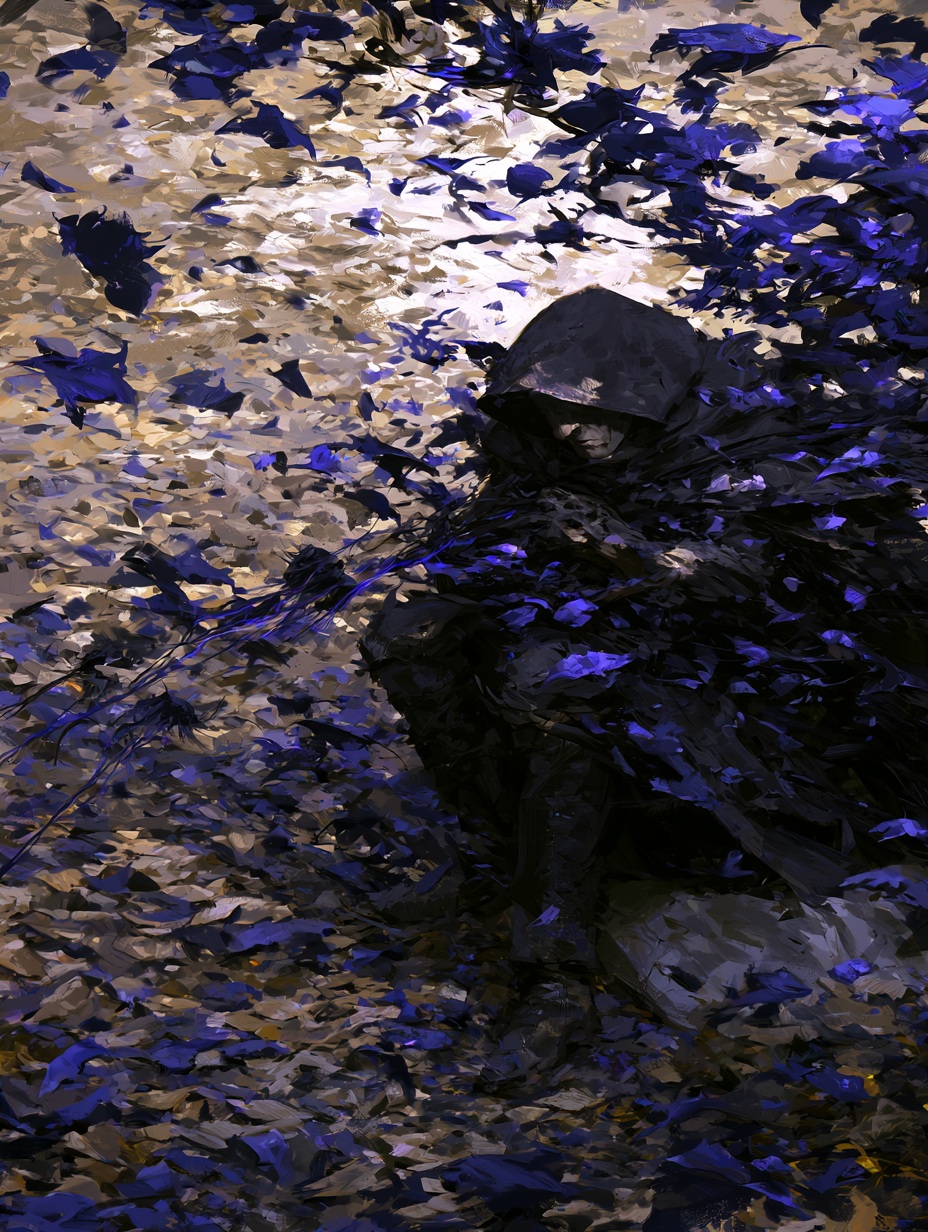
“For one heartbeat I was smoke, and the arrow suddenly seemed like somebody else’s problem.”
Related Discipline
Level



Comments