


Reconstruct Ruin
The Grandeur of Antiquity
“Stone does not forget where it was meant to stand. It only forgets how long it has been waiting to be set right again.”
Time does not erase structures cleanly. It breaks them.
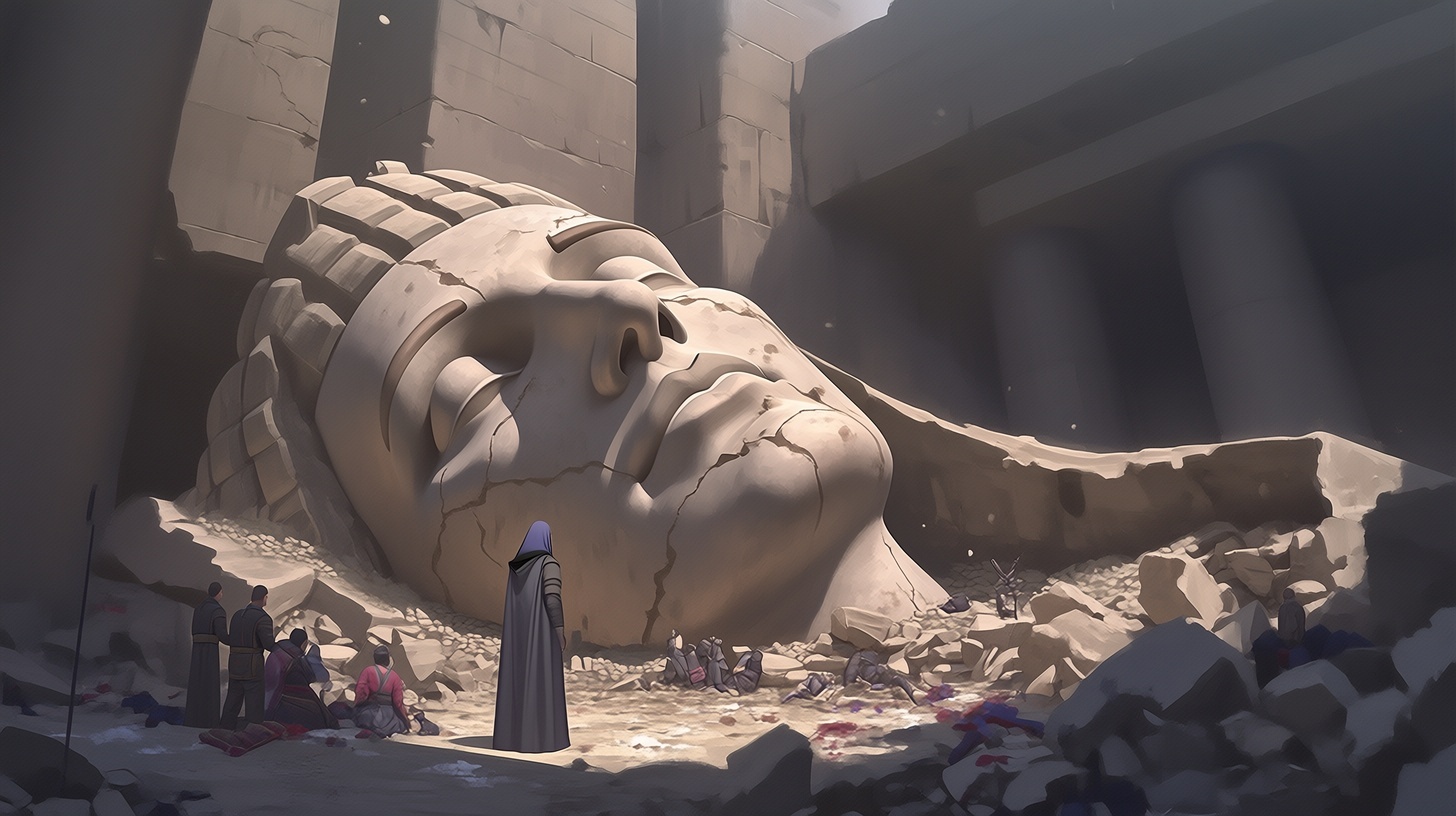
Walls collapse inward. Beams splinter and settle where gravity leaves them. Stone fractures, shifts, and buries its own history beneath weight and dust. What remains is not absence, but disorder. Reconstruct Ruin exists to impose momentary order on that chaos.
The spell does not restore what was lost. It does not rebuild, repair, or recover material. Instead, it reveals the relationship between what remains and what once stood. By aligning scattered fragments with their original positions, it allows the caster to see structure where there is now only debris.
When the magic takes hold, the ruin resolves into a layered image. The physical remains stay where they are, but a faint reconstruction rises over them, placing each piece back into its proper orientation. Broken stone lifts into the shape of walls. Fallen beams trace the lines of a roof that no longer exists. Gaps remain where material is missing, not concealed or guessed at, but left as empty spaces that mark absence as clearly as presence.
The effect is precise, but not interpretive. It does not infer design beyond what the surviving fragments support. If a section is too incomplete to define, it remains unresolved. The spell does not imagine what might have been. It shows only what can be known from what still exists.
This limitation is what gives the spell its value.
Among archaeologists, engineers, and investigators, Reconstruct Ruin is used not to answer questions outright, but to frame them correctly. A collapsed corridor can be traced to understand its original path. A shattered arch can reveal the stress points that brought it down. The layout of a room can be reassembled well enough to determine how it was used, even if its contents are long gone.
In more practical settings, the spell is often employed during recovery and repair. Builders studying a damaged structure can use it to identify how pieces fit together before attempting reconstruction. Salvagers can distinguish useful fragments from debris that has no structural relevance. In both cases, the spell reduces uncertainty, allowing work to proceed with greater confidence.
There is also a quieter use that emerges over time.
Ruins are not only the result of age. They are the aftermath of events. Collapse leaves patterns, and patterns carry meaning. A wall that fell inward suggests one kind of force. A structure that shattered outward suggests another. While the spell does not explain cause, it presents the evidence in a form that can be read by those who know what to look for.
For this reason, it is sometimes said that Reconstruct Ruin does not show the past as it was, but as it ended.
That distinction matters.
A structure in its prime is a product of intention. A structure in ruin is the result of everything that has happened to it since. This spell reveals the boundary between those two states, holding them together just long enough for a careful observer to understand the difference.
When the magic fades, the ruin returns to what it was, scattered, silent, and unresolved.
But for a brief moment, the shape of what stood there is visible again, not restored, but remembered.
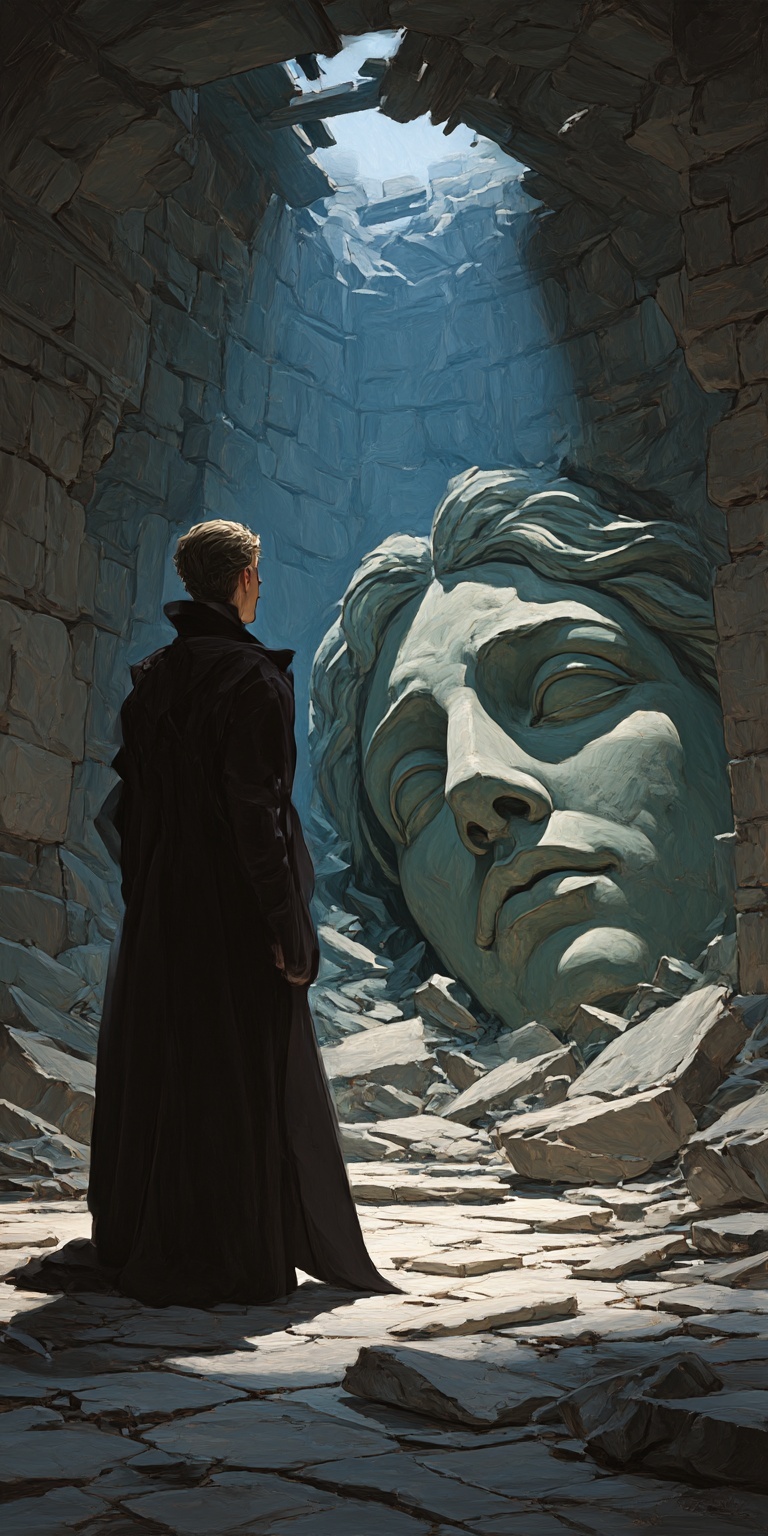
“You can tell how a place died by how it lies. Put the pieces back in your mind, and the moment becomes obvious.”



Comments