Mnemonic Vivisection
All Of Our Yesterdays
“I told myself it was only theory. A structure. A possibility. The kind of thing that lives safely on paper and dies there. But I wrote it too cleanly. Gave it shape. Gave it rules. And that was enough. The world does not ignore something simply because you wish it had remained an idea. It listens. It waits. And when it finds a mind desperate enough, it answers.”
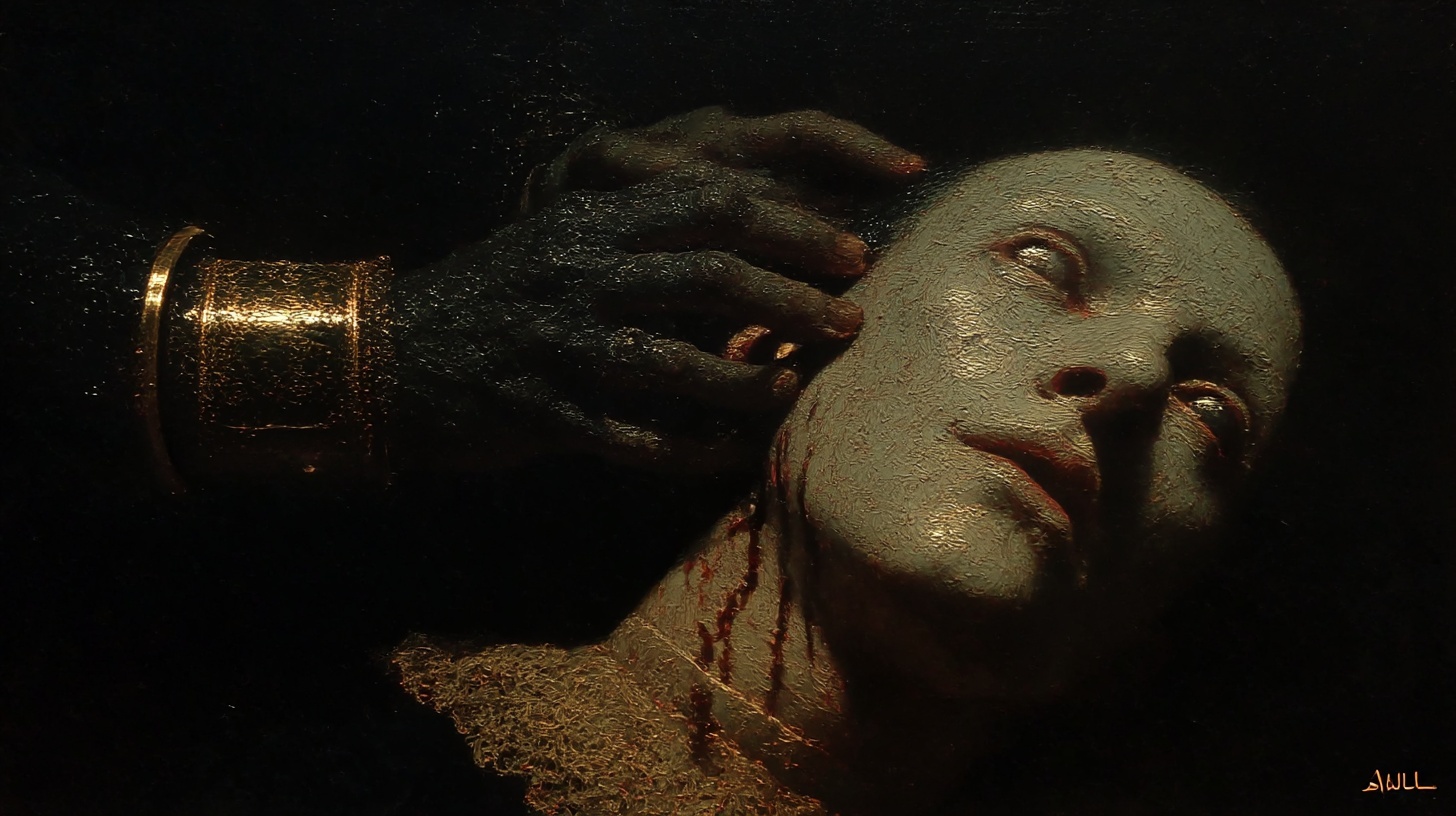
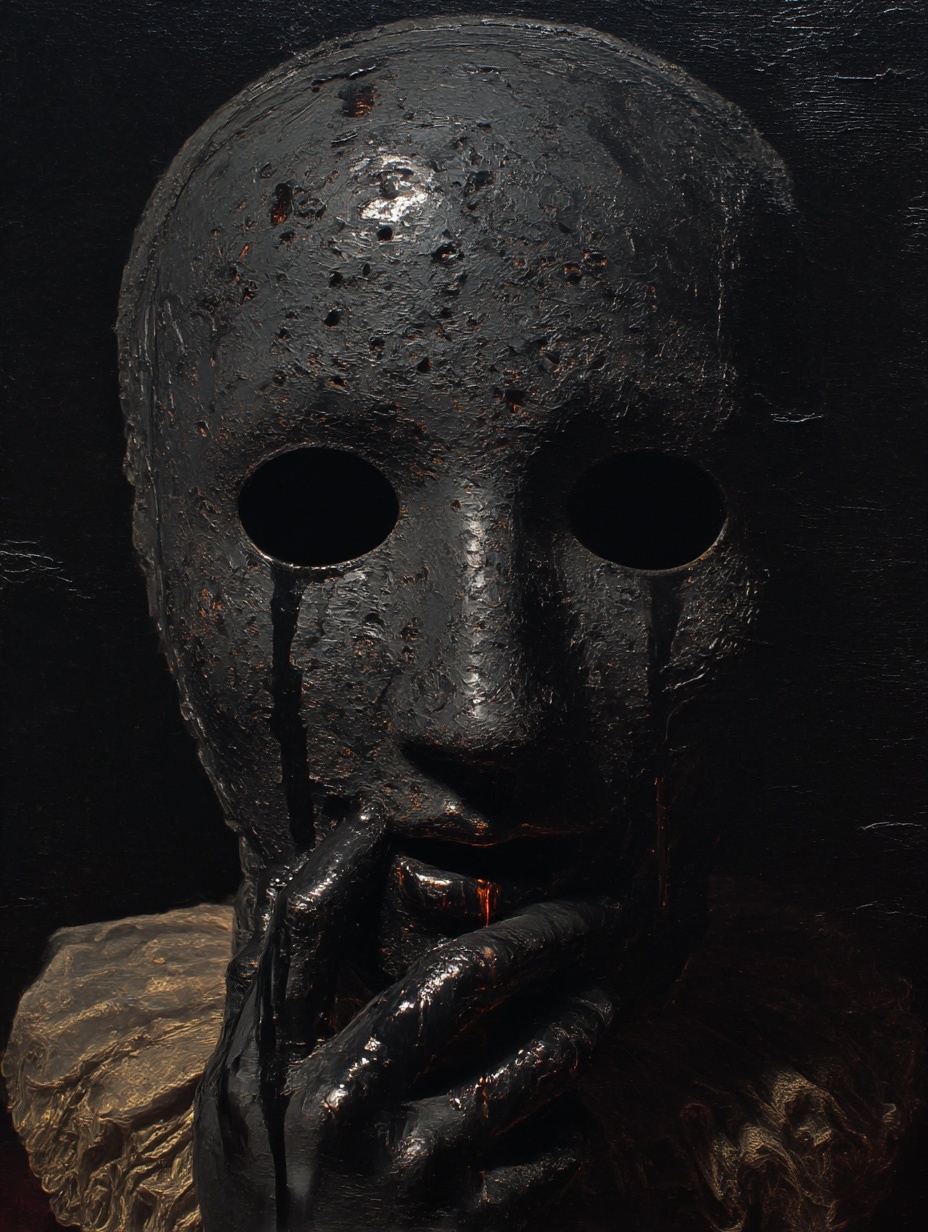
By the time a victim realizes something is wrong, the part of them that would have named the loss is often already gone. That is what makes Mnemonic Vivisection so much worse than pain, fear, or ordinary coercion. Pain leaves memory. Fear leaves instinct. Compulsion leaves resentment, shame, or relief once it passes. This spell leaves none of those mercies unless the caster wants them left behind. It reaches into the place where memory becomes belief, where belief becomes character, and where character hardens into identity. Then it cuts with purpose.
Most people comfort themselves with the idea that the self is whole. They imagine memory as a record, belief as a choice, and personality as something inborn enough to survive injury. Mnemonic Vivisection proves otherwise. A life is not held together by some indivisible core that cannot be touched. It is held together by accumulated structure. Memory teaches value. Value teaches reaction. Reaction becomes habit. Habit becomes character. Character becomes the story a person tells themselves about who they are. Change enough of those pieces and the person standing before you does not need to die for someone else to take their place. They only need to continue.
The casting itself is not violent in the way lesser minds expect violence to be. There is no visible tearing of flesh, no spray of blood, no convulsion dramatic enough to satisfy the crude imagination. The damage happens at a more intimate level. The target remains present. They can hear the caster’s voice. They can think through what is happening. They can remember enough to understand that something is reaching inside them. That lucidity is part of the horror. The spell does not simply batter a mind into submission. It lays the mind open while the target is still inside it.
Once that opening is made, memory ceases to function as private inheritance. It becomes material. A day can be removed. A face can be severed from every feeling attached to it. An act of betrayal can disappear, leaving only the altered behavior that followed. A death can be stripped from the mind so completely that the grief built around it collapses for lack of foundation. What remains is not always a clean blank. More often the surrounding thoughts close around the absence and explain it away. The target may know they once spent years hating a man and still be unable to say why. They may feel that something important happened in a certain room and yet possess no route back to it. They do not stand over the wound and mourn. The wound has been taught not to announce itself.
False memory is even more insidious because it does not behave like a lie. A lie sits on the surface and demands maintenance. An implanted memory does not. It grows roots immediately. It borrows familiar details, existing fears, known habits, and plausible motives. The target does not hold it at a distance and consider whether it is true. They remember it. They defend it. They build further conclusions upon it. If the memory says a friend betrayed them, then every act of warmth from that friend becomes suspicious. If the memory says a rival once showed mercy, then restraint begins to look like trustworthiness. The mind prefers continuity. Give it a plausible past and it will manufacture the future that past deserves.
Emotion follows memory so easily that most people never realize how dependent one is on the other. Mnemonic Vivisection exploits that dependence without hesitation. Affection can be turned into unease. Loyalty can be made to curdle into hatred. Fear can be quieted where it should remain sharp, or sharpened where it should never have existed at all. This is not some puppet master’s crude art. The target still feels sincerely. That sincerity is what makes the result monstrous. They do not perform devotion. They experience it. They do not imitate disgust. They feel revulsion and believe they arrived at it honestly.
Belief is no safer. A conviction can be pried loose and replaced with another so long as the new one can live inside the body that must carry it. Allegiance, piety, duty, moral restraint, all of these can be rewritten if the caster understands where they are anchored. A person who once believed mercy to be sacred can be made to regard mercy as weakness. A devoted servant can become convinced that betrayal is a form of higher obedience. A skeptic can become faithful. A faithful soul can be emptied out until ritual remains but reverence does not. The most terrible part is not that such changes are possible. It is that the altered person still reasons. They still justify. They still think themselves principled.
Then comes the deepest wound. Mnemonic Vivisection can suppress not just memories or convictions, but the very traits by which a person is known. Courage can be cut down until every hard decision collapses into hesitation. Compassion can be thinned until suffering becomes an abstraction. Ambition can be quieted until a brilliant mind simply stops reaching. Cruelty can be blunted, but so can tenderness, curiosity, shame, patience, or wonder. These are not moods. They are load bearing parts of the self. Remove one and the rest of the structure shifts to compensate. Friends speak of someone becoming colder, smaller, harder, softer, duller, stranger. The truth is simpler and worse. Something essential was removed, and the remaining pieces were left to learn how to stand without it.
A directive placed by this spell does not feel like obedience. That is what separates it from common domination. The target does not hear a command echoing in the skull and fight against it. They conclude. They decide. They adopt the implanted course as their own reasoning carried to its natural end. A man told by simple magic to keep silent is a prisoner. A man shaped by Mnemonic Vivisection to believe silence is wisdom becomes an accomplice to his own erasure. He will not merely obey. He will cooperate with conviction, creativity, and patience. He will explain his choice if questioned. He may even be admired for it.
This would all be terrible enough if the spell left people shattered, obvious, and visibly wrong. It does not. Its most hideous quality is coherence. The altered mind continues. It makes sense of itself. It supplies motives, excuses, and emotional logic wherever the cuts were made. The target does not wake each morning feeling mutilated. They wake feeling like themselves. That is why those touched by Mnemonic Vivisection can walk back into their lives and still pass, at least for a time, as whole. The spell does not simply violate identity. It manufactures a replacement and teaches that replacement how to breathe.
Without the highest forms of restoration or direct divine intervention, what is cut away does not return. Time does not heal it. Love does not call it back. Reflection does not uncover it. The missing pieces do not wait patiently beneath the surface for the chance to reemerge. They are gone, and the mind that remains has already begun building over the empty ground. That finality is what gives the spell its terrible value. A secret can be removed more cleanly than with torture. A traitor can be remade more usefully than with execution. A witness can be left alive, articulate, and utterly unable to betray what they no longer possess.
That usefulness is the stain at the center of Mnemonic Vivisection. It is not merely a nightmare. It is an effective nightmare. It offers control so absolute and so clean that only a fool would fail to see its power. To cast it is to claim that a human mind is editable matter and that the right hands have the authority to decide what another person is allowed to remember, love, fear, or become. It does not dominate the self. It assumes ownership of it.
Effect
“I felt it leave my hands and enter the world like something that had been waiting far longer than I had been alive. Not a spell. Not a tool. A decision made real. And in that moment, I understood something no text ever warned me of. Power does not ask if it should exist. Only whether someone is foolish enough to give it permission.”
There is a common belief that the worst thing one person can do to another is to take their life. It is an easy belief to hold because it is visible, final, and universally understood. Death ends the story. It leaves behind grief, absence, and consequence, but it does not alter what came before. The person who lived remains intact in memory, in record, and in the minds of those who knew them.
Mnemonic Vivisection does not grant that dignity.
It does not end a life. It alters the one that continues.
The violation begins with a truth most people are never forced to confront. Every memory a person holds is tied to something else. A face connects to a feeling. A feeling connects to a decision. A decision shapes a habit. A habit becomes character. When the spell removes a memory, it does not simply erase a moment. It tears at everything that grew from it. The mind attempts to compensate, to explain, to stabilize itself around the absence, but the result is never perfect. There are fractures that cannot be named because the language required to describe them was taken along with the memory itself.
A person may find themselves standing in a place that should mean something and feel nothing. They may look at someone who once defined their life and experience only a distant recognition without weight. They may carry a conviction they cannot trace back to its origin. These are not symptoms that can be easily identified or corrected. They are the natural consequence of a mind forced to continue without pieces it was never meant to lose.
The cruelty of the spell lies in how thoroughly it denies awareness of what has been done.
A victim does not wake from Mnemonic Vivisection with a clear understanding that they have been altered. They do not feel the loss as loss. The mind does not allow itself to collapse under contradiction. It resolves. It adjusts. It rewrites its own internal narrative to maintain coherence. The person who emerges from the spell does not feel broken. They feel complete.
That false completeness is where the true horror resides.
If a memory is removed, the mind explains the gap. If a belief is altered, the new belief feels justified. If an emotional bond is severed, the absence is rationalized. The victim does not search for what is missing because nothing in their current structure tells them something is missing at all. The spell does not leave behind a wound that can be tended. It removes the knowledge that there was ever a wound.
This makes recovery functionally impossible without external intervention of the highest order. There is no instinct to seek healing because there is no perception of injury. A person can live out the remainder of their life shaped by a change they will never question, guided by decisions that no longer belong to the person they once were.
In this way, Mnemonic Vivisection does not simply harm the individual. It replaces them.
The body remains. The voice remains. The mannerisms may remain in part, carried forward by habit and muscle memory. But the internal continuity that defines a person’s identity has been altered at its foundation. To those who knew them well, the change may be subtle at first. A hesitation where there was once certainty. A softness replaced by indifference. A kindness that feels practiced rather than natural. These differences can be dismissed, explained away as stress, grief, or time.
Over time, the distance becomes undeniable.
Relationships built on shared experience begin to fail because one side no longer remembers what those experiences meant. Trust erodes not because of betrayal, but because the emotional framework that sustained it has been altered. Conversations lose depth. Reactions no longer align with expectation. The person is still present, but the connection is not.
For those who recognize what has happened, the realization is devastating in a way that few other forms of harm can match.
There is no confrontation that can restore what was lost. No appeal that can reach the missing pieces. No argument that can convince the altered mind to return to what it once was. The person you knew is not hidden or suppressed. They are gone in a way that leaves something else standing in their place.
This is why Mnemonic Vivisection is often described not as an act of control, but as an act of erasure performed without death.
The victim continues to act, to speak, and to make choices. They may even believe themselves improved. A trait removed might ease their suffering. A memory excised might free them from guilt. An altered belief might give them clarity where there was once doubt. These changes can produce a life that appears more stable, more efficient, or even more content than before.
That appearance does not make the act any less severe.
It makes it harder to condemn.
There are situations where the spell’s effects can be argued as beneficial. A spy can be turned without torture. A traumatized individual can be freed from memories that would otherwise destroy them. A dangerous loyalty can be redirected before it causes greater harm. These outcomes are real, and they are part of why the spell persists despite its implications.
The problem is not that the spell cannot produce desirable results.
The problem is that it achieves those results by removing the subject’s ability to choose who they are in response to their own experiences.
Every person carries the weight of what they have lived through. That weight shapes them, for better or worse. It informs their decisions, their relationships, and their understanding of the world. Mnemonic Vivisection takes that weight and redistributes it according to the will of the caster. The individual no longer owns their past in any meaningful sense. They inherit a version of it that has been edited to produce a specific outcome.
This is not guidance. It is authorship.
And once that authorship has been imposed, the original version of the individual cannot reassert itself because the conditions that allowed it to exist have been altered or removed.
There is also a deeper psychological consequence that becomes apparent only when the spell is used repeatedly or observed over time.
The caster is not immune to the implications of their own actions.
To use Mnemonic Vivisection effectively, one must think of people in terms of components. Memory becomes something to remove or replace. Belief becomes something to adjust. Emotion becomes something to calibrate. Identity becomes something to reshape. This perspective, once adopted, is difficult to set aside.
It changes how the caster views others.
And eventually, it changes how they view themselves.
If a person can be reduced to parts that can be altered, then the distinction between self and subject begins to erode. The same logic that justifies altering another mind can be turned inward. Regret can be seen as something removable. Guilt as something unnecessary. Pain as something inefficient.
The spell does not require this line of thinking.
It encourages it.
This is where Mnemonic Vivisection extends beyond the immediate harm it causes and begins to reshape the moral framework of those who rely on it. It normalizes the idea that identity is flexible not in the natural sense of growth and change, but in the imposed sense of design.
The longer one works with such a tool, the easier it becomes to justify its use.
The easier it becomes to forget that what is being altered is not an abstract system, but a living person whose sense of self has been permanently rewritten.
In the end, the horror of Mnemonic Vivisection is not confined to the moment it is cast. It persists in every decision made by those affected, in every relationship that unfolds under false premises, and in every justification offered by those who wield it.
It does not simply change what a person remembers.
It changes what they are allowed to be.
And it does so in a way that leaves them unable to know that anything was ever taken from them at all.

Discovery
“I thought, for a moment, about what it would mean to make the hurt go somewhere else, to give it a shape that wasn’t mine to carry, and that alone is enough to shame me; you deserved better than to be weighed against my weakness, and I am sorry that even in silence, even in a passing thought, I let myself imagine a world where your suffering could ever be the price of my peace.”
Mnemonic Vivisection did not begin as an academic exercise or a weapon. It began as a deliberate attempt by Corvyn Seinrill to solve a problem he had come to understand would never resolve on its own.
Andrielle Seinrill was not simply someone he had lost. She remained present in every decision he made, in the structure of the world he maintained, and in the identity he continued to inhabit. The nation she fought to shape still stood. The systems she built still functioned. The consequences of her choices still defined the lives of those who lived under them. Corvyn did not step away from any of that. He remained at the center of it, not as a figure trying to move on, but as the one responsible for ensuring that what she created did not collapse after her absence.
That responsibility made separation impossible.
Remembering her was not confined to private moments or quiet reflection. It was constant, reinforced by the world around him and by the role he continued to fulfill. Every act of governance, every decision made in the name of stability, and every continuation of the structure she left behind carried her influence. There was no version of his life that did not include her. There was no distance he could create that would reduce the presence of what she had been.
Time did not change that condition. It did not reduce the weight of her absence or shift it into something manageable. It remained fixed, carried forward without diminishing, because nothing in his position allowed it to be set aside. He was not permitted the luxury of collapse, and he was not offered the release that would have ended the burden. He continued, and the condition continued with him.
That permanence forced a change in how he approached it.
Corvyn did not look for ways to forget her through neglect or distraction. That would have been inconsistent with everything he understood about her and about himself. Instead, he approached the problem with the same clarity he applied to any system that could not be allowed to fail. If the condition could not be reduced through time or altered through action, then the only remaining variable was the mind that experienced it.
The question became whether that mind could be changed.
The initial consideration was simple in form, though not in implication. If memory sustained the presence of her absence, then removing that memory might remove the condition that depended on it. Without memory, there would be no continuous reference point, and without that reference point, the emotional and psychological structures tied to it would lose their foundation.
That approach did not hold.
Andrielle’s presence in his mind was not limited to memory. It existed in his judgment, in the principles he upheld, and in the decisions he made on her behalf long after she was gone. Removing memory alone would not remove that influence. It would create inconsistency, forcing the mind to reconcile actions and beliefs that no longer had an identifiable origin. That kind of instability was not acceptable, and it did not solve the problem.
To remove her, it would have to be complete.
That meant removing not only the memory of her, but the emotional connection to her, the beliefs formed through that connection, and the parts of his identity that had been shaped by her presence. It required a method that could address the full structure of the mind, not in fragments, but as a system that could be altered while still maintaining internal coherence.
That requirement led to the creation of Mnemonic Vivisection.
The spell was not developed as a general solution for others. It was engineered to achieve a specific outcome within a single mind. Its structure reflects that purpose. It does not obscure or suppress. It identifies and removes. It does not leave contradictions that would degrade the mind over time. It restructures what remains so that the individual continues to function without awareness of what has been taken.
By the time the work was complete, there were no uncertainties left in its design. Corvyn understood exactly what the spell would do, how it would achieve that result, and what would remain afterward. The outcome was not theoretical. It was defined.
He intended to use it.
The purpose was direct. Remove Andrielle from his mind, and with her, remove the condition that had no other resolution. The spell would not dull the loss or make it easier to carry. It would eliminate the connection entirely, leaving behind a version of himself that no longer experienced her absence as a constant presence.
He carried that intention to its conclusion.
When the moment came to act, the decision was not interrupted by doubt in the spell’s effectiveness. There was no uncertainty about whether it would work. The design was complete, and the outcome was understood. The only remaining consideration was whether that outcome was acceptable.
It was not.
Removing Andrielle from his mind would not simply eliminate pain. It would eliminate every part of himself that had been shaped by her. The decisions he made in her name, the principles he continued to uphold because of her, and the identity he maintained as the steward of what she built would no longer have a foundation. He would continue to function, but he would not be the same individual who had carried those responsibilities.
He would not be the man who chose to stand with her.
That distinction defined the limit.
The absence of pain would not be relief. It would be the result of removing something fundamental from himself. It would solve the problem by eliminating the part of him that experienced it, rather than allowing him to continue as he was.
He did not cast the spell.
The condition remained unchanged. The weight of her absence did not lessen, and the permanence of that reality did not shift. What changed was his understanding of what he had been willing to do in order to escape it.
That understanding did not produce justification.
It produced disgust.
The spell itself functioned exactly as intended. The logic that led to its creation remained consistent. What he rejected was the conclusion that removing her from his mind was an acceptable solution. It represented a willingness to abandon the very thing that defined his role and his identity in order to make his own existence more bearable.
He refused that outcome.
He did not destroy the spell.
Mnemonic Vivisection achieved results that could not be replicated by any other method. It allowed for the precise removal of information, the alteration of allegiance, and the resolution of situations that would otherwise require more destructive or less reliable approaches. Those capabilities remained valuable, regardless of the circumstances of its creation.
Corvyn preserved the spell with full awareness of what it represented.
It was documented, refined, and restricted. Access to it was limited to the highest ranking members of Noble House Guards, individuals expected to understand both its function and its implications. It was not treated as a common tool, and it was not used without consideration of the cost involved.
Its origin was not hidden, but it was not emphasized.
The spell exists as a solution that its creator chose not to apply to himself. It remains in use because it is effective, and it persists alongside the knowledge that it was born from a moment where the line between endurance and erasure was fully understood.
Corvyn did not cross that line.
He ensured that others could, if the circumstances demanded it.
“I have seen what men will do when you give them a way to spare themselves the weight of loving someone. They will call it necessity. They will call it mercy. They will call it anything that lets them sleep. But the truth is simpler and far less forgiving. It is not the pain we fear, it is the responsibility that comes with it, and once a man learns he can place that burden on another soul, there is very little left in him worth trusting.”
Related Organizations
Related Discipline
Related School


Comments