


Glass Step
Like There's Nothing There At All
“I watched her step into the mirror as gently as one enters bathwater, and gods forgive me, the reflection smiled half a heartbeat after she was already gone.”
Most people trust glass instinctively.
Windows separate warmth from winter. Mirrors hold reflections safely behind smooth surfaces. Cathedral panes transform sunlight into sacred color. Even when fragile, glass still obeys the reassuring rule that solid things remain solid.
Glass Step breaks that rule with unnerving elegance.
The spell allows the caster to step directly into a pane or surface of glass and pass through it as though it were empty space, emerging seamlessly from the opposite side without cracking, weakening, or damaging the material at all. For one impossible instant, the glass accepts the body passing through it like water briefly remembering how to behave as air.
Witnesses rarely forget seeing it happen.
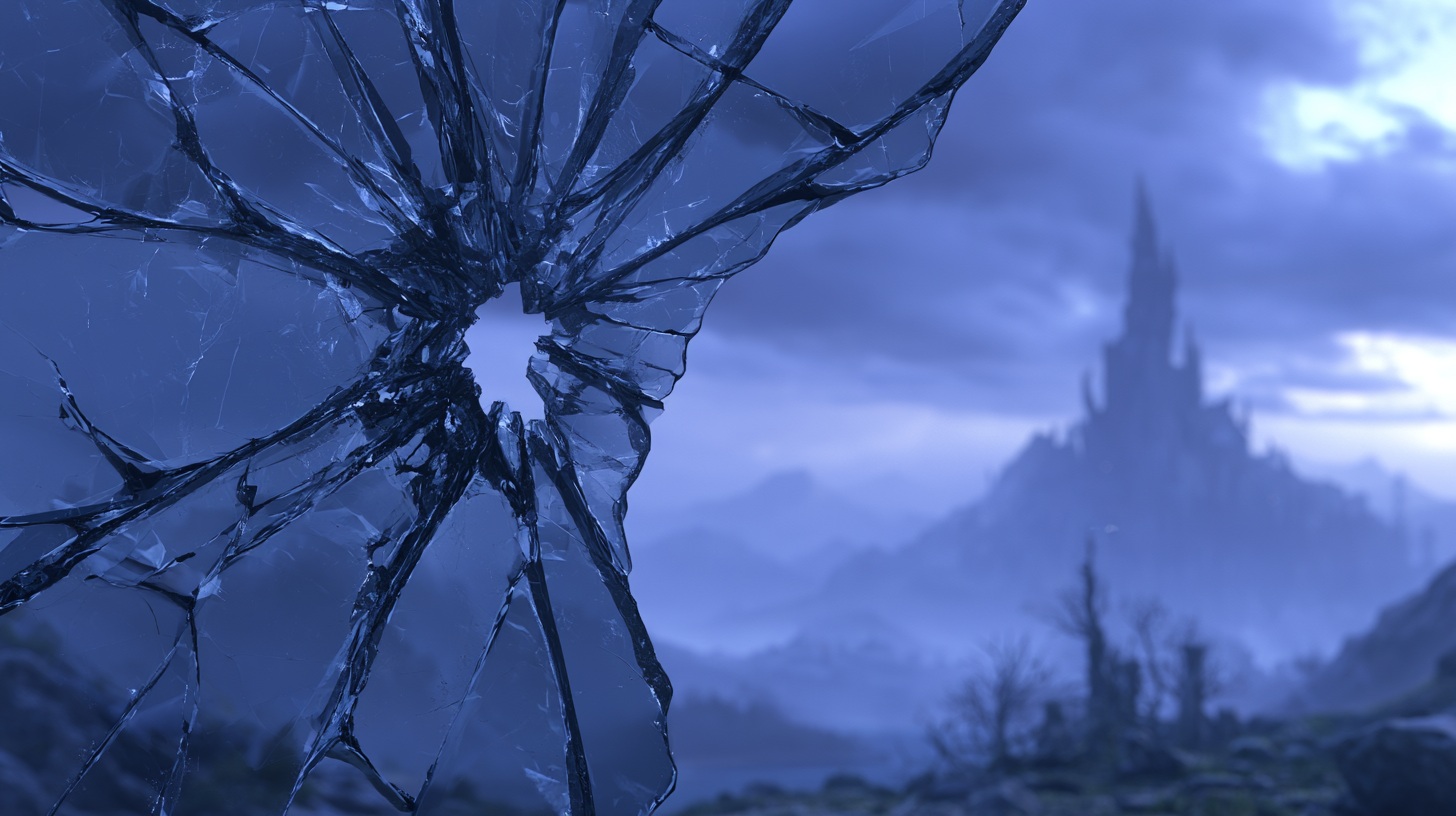
The caster’s silhouette distorts strangely while entering the surface, stretching beneath rippling reflections before vanishing entirely inside the glass itself. Frostlike crystalline patterns spread outward briefly across the pane during transit, fading moments later as though nothing unnatural occurred at all.
Except the person is suddenly somewhere else.
The spell became notorious among burglars and spies almost immediately after its creation. Locked windows, display cases, conservatory walls, greenhouse ceilings, mirrored corridors, and crystal barriers all became potential entrances rather than obstacles.
Naturally, wealthy nobles panicked.
Several cities experienced brief architectural paranoia after rumors spread regarding thieves capable of walking through windows without breaking them. Expensive estates reduced decorative glass usage dramatically for a generation. Some aristocrats replaced entire ballroom walls with polished metal specifically to avoid magical infiltration.
Others simply hired wizards.
The enchantment remains especially popular among performers, illusionists, and stage magicians because of its theatrical beauty. Entering a mirror during a performance and emerging elsewhere moments later never fails to unsettle audiences slightly, even when they understand intellectually that magic is involved.
Something about watching a human body disappear into reflective glass disturbs ancient instincts.
Perhaps because mirrors already feel half unreal to begin with.
Warlocks often produce the most unsettling manifestations. Their reflections may linger a fraction too long inside the glass after passage. Some surfaces briefly show impossible mirrored environments during transit rather than ordinary reflections. Others leave behind whispering condensation patterns no one can quite decipher before they vanish.
Most sensible people avoid touching the glass afterward.
Sorcerers tend to shape the spell emotionally. Calm casters pass through like drifting mist beneath frozen crystal. Fearful or hurried movement causes jagged frost patterns and warped reflections to erupt violently across the surface.
Wizards, predictably, insist the spell functions through temporary alteration of silicate density and sympathetic dimensional permeability.
Everyone else calls it walking through windows.
Importantly, the spell does not teleport the caster. They genuinely pass through the glass itself, which means the surface must physically connect both sides continuously and remain large enough for full bodily transit. Tiny mirrors, shattered panes, or narrow bottle necks cannot sustain the effect.
Some apprentices learned this limitation painfully.
The lack of opportunity attacks during movement reflects the sheer disorientation caused by the spell’s impossible transition. Creatures instinctively struggle to react properly when someone steps directly into solid material and emerges elsewhere moments later.
Swordsmanship prepares people for many things.
Not usually for opponents vanishing into mirrors.
The frostlike residue left behind has become culturally associated with supernatural intrusion in many regions. Detectives investigating magical thefts often search windows and mirrors for lingering crystalline traces after suspicious disappearances. Several ghost stories also developed from unrelated incidents where ordinary condensation was mistaken for evidence of glass walkers.
Some stories were not mistaken.
Scholars of transmutation remain divided regarding what the caster experiences during transit itself. Most describe only brief cold and distorted reflection. A few claim they glimpsed impossible mirrored spaces existing behind the surface during passage. Endless corridors. Cities reversed left to right. Rooms containing reflections of places they had never visited.
No reputable mage admits this publicly more than once.
Among thieves, occultists, and nervous aristocrats alike, one warning survives consistently.
Curtains stop people from looking in.
They do absolutely nothing against someone already willing to walk through the glass itself.
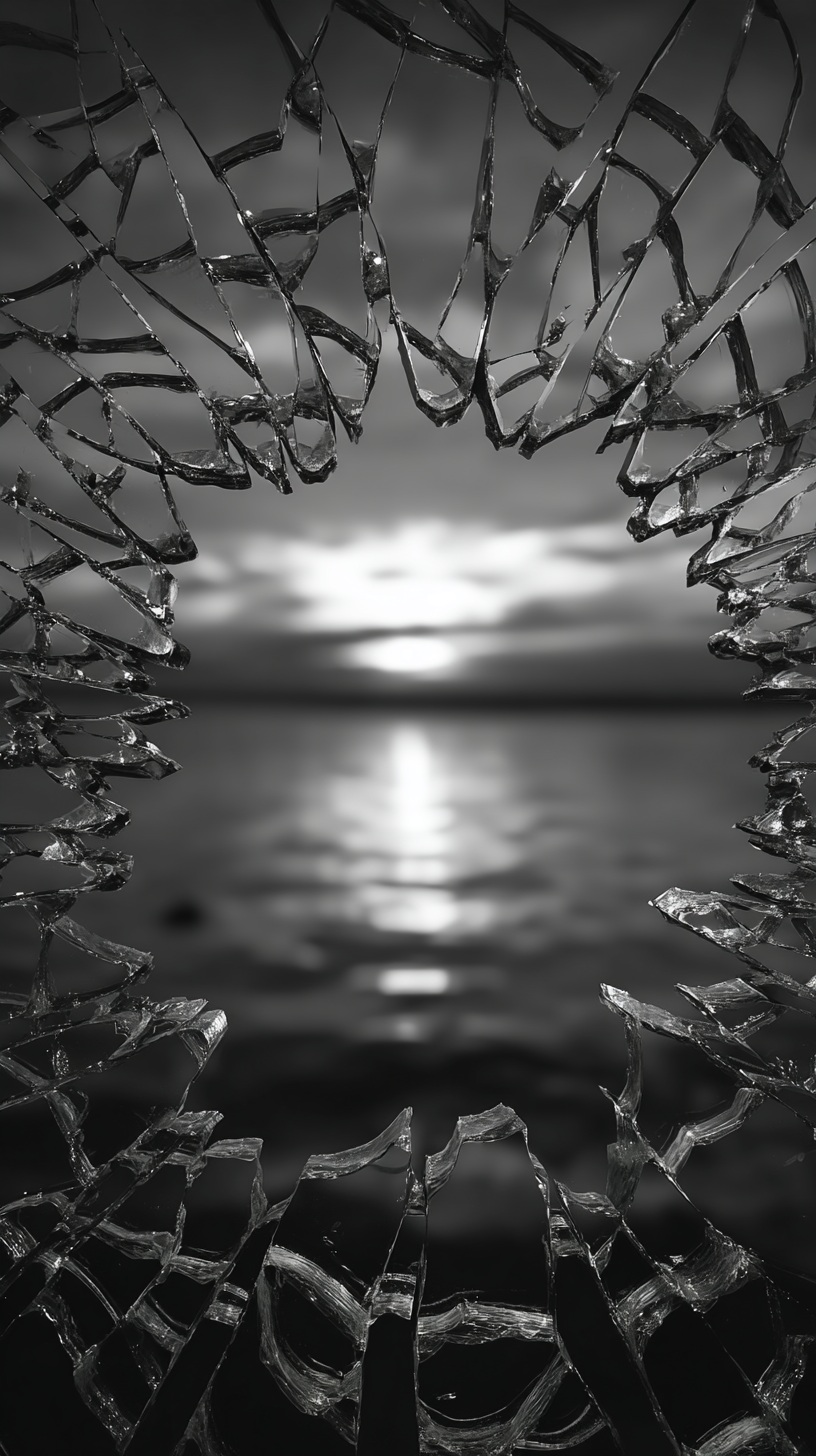
“The window remained locked from the inside. Unfortunately, so did the vault.”
Related Discipline
Level



Comments