

Age Progression
Older And Wiser
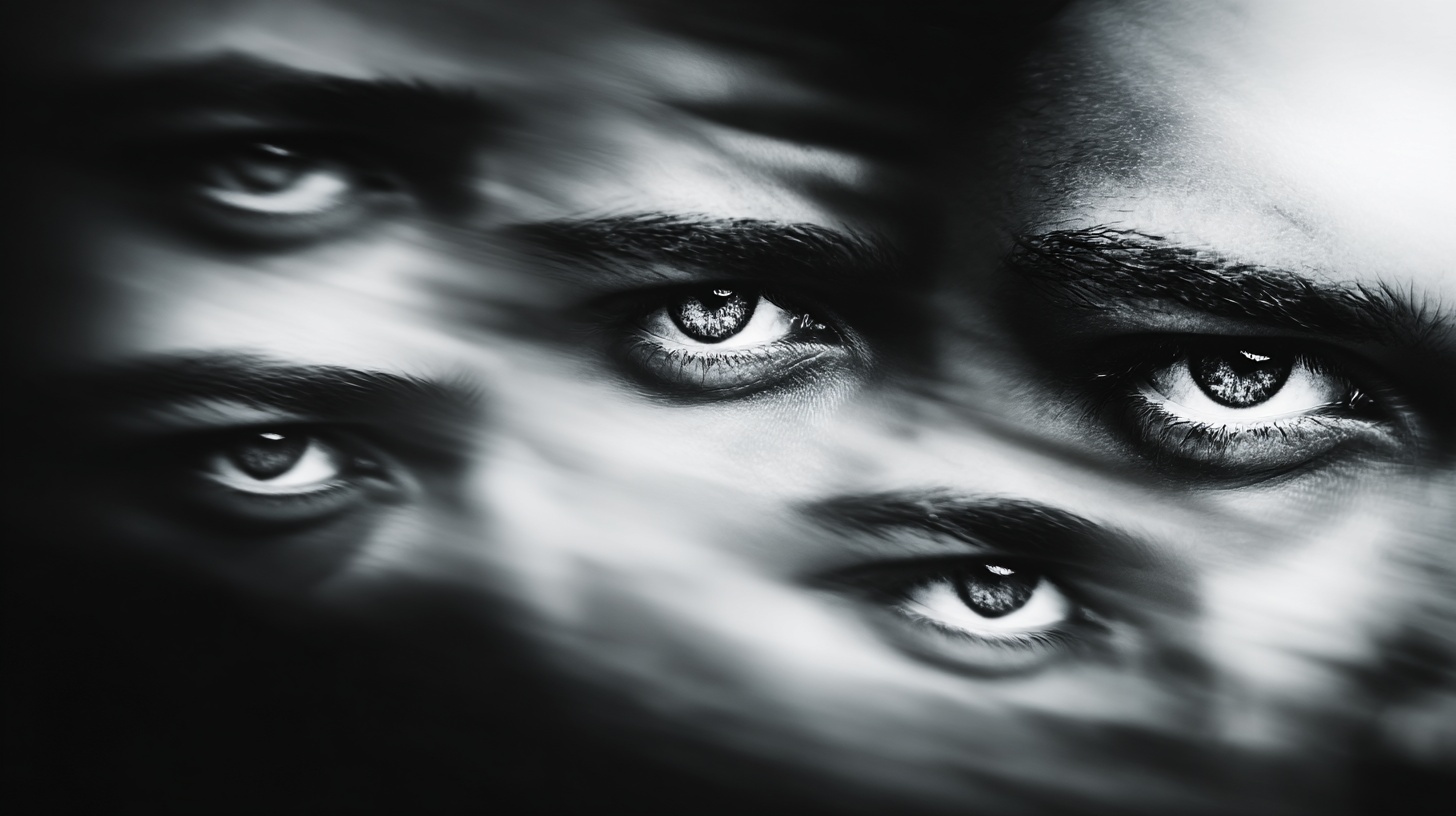
“Have you seen this man. About five foot ten, brown hair, looks honest enough until you actually speak to him. This is him twenty years ago, ten years from now, and somewhere in between. Pick one. He insists on not staying consistent.”
Age Progression is a spell built on one of the oldest instincts there is. The need to look at a face and wonder what time will do to it.
It begins with something fixed. A portrait, a sketch, a captured likeness that represents a single moment, frozen and preserved. That image carries certainty. It shows what was, or what is, without question. The spell takes that certainty and introduces possibility.
When the illusion forms, it does not animate or behave like a living creature. It stands still, defined by the same limitations as the original likeness. What changes is not its movement, but its passage through time. The caster does not move the figure through space. They move it forward or backward along a path it has not yet taken, or one it has already left behind.
The transformation is not abrupt.
Age does not arrive all at once. It settles in gradually, adjusting features in ways that feel natural, even inevitable. Lines form where expression might have lingered. Structure softens or sharpens depending on the direction of the change. Youth gives way to maturity, and maturity to something quieter and more worn. In reverse, those same changes unwind, revealing a face that has not yet carried the weight it would one day bear.
What makes the spell compelling is not its accuracy, but its plausibility.
It does not predict the future. It suggests it. The illusion follows the most likely path, shaped by the features already present. Bone structure, proportion, the subtle indicators that define a face, all of these inform what the image becomes. It does not account for the unpredictable. Injury, hardship, magic, and choice all lie outside its reach. What it shows is what might happen if nothing intervenes.
This limitation is often misunderstood.
Those unfamiliar with the spell may take its result as something definitive, a glimpse of what will be. Those who understand it know better. It is not a prophecy. It is an extrapolation, a best guess drawn from what is already known. The future it presents is clean, uninterrupted, and therefore incomplete.
Even so, the effect can be difficult to ignore.
Seeing a familiar face altered by time, whether forward or backward, carries weight. It invites reflection, comparison, and sometimes discomfort. A younger version of a known figure can reveal what has been lost or changed. An older version can suggest outcomes that have not yet come to pass. In both cases, the illusion creates a space where the viewer is forced to consider the passage of time in a more immediate way.
This has made the spell useful in a variety of contexts.
In academic settings, it serves as a tool for study, allowing observers to understand how features evolve across a lifespan. In more practical applications, it can assist in identifying individuals across different stages of life, particularly when records are incomplete or unreliable. It offers a visual reference that can guide recognition, even if it cannot guarantee it.
There is also a quieter, more personal use.
The spell allows individuals to confront their own image in a way that is otherwise impossible. To see oneself as one was, or as one might become, is an experience that rarely leaves the viewer unchanged. It can be reassuring, unsettling, or somewhere in between, depending entirely on what is seen and how it is interpreted.
Because the image cannot move or act, its impact relies entirely on perception.
There is no distraction, no behavior to draw attention away from the transformation itself. The figure exists only to be observed, and in that observation, the changes become the focus. The stillness of the illusion reinforces its purpose, allowing the viewer to study it without interruption.
The requirement of a likeness anchors the spell in reality.
It cannot create something from nothing. It must begin with a reference, something that defines the subject as it is known. The quality of that reference influences the result. A detailed, accurate likeness produces a more coherent progression. A rough or incomplete one leaves gaps that the spell must fill as best it can.
Age Progression does not reveal truth. It presents a possibility shaped by what is already there.
What the viewer chooses to take from that possibility is not determined by the spell. It is left entirely to them.
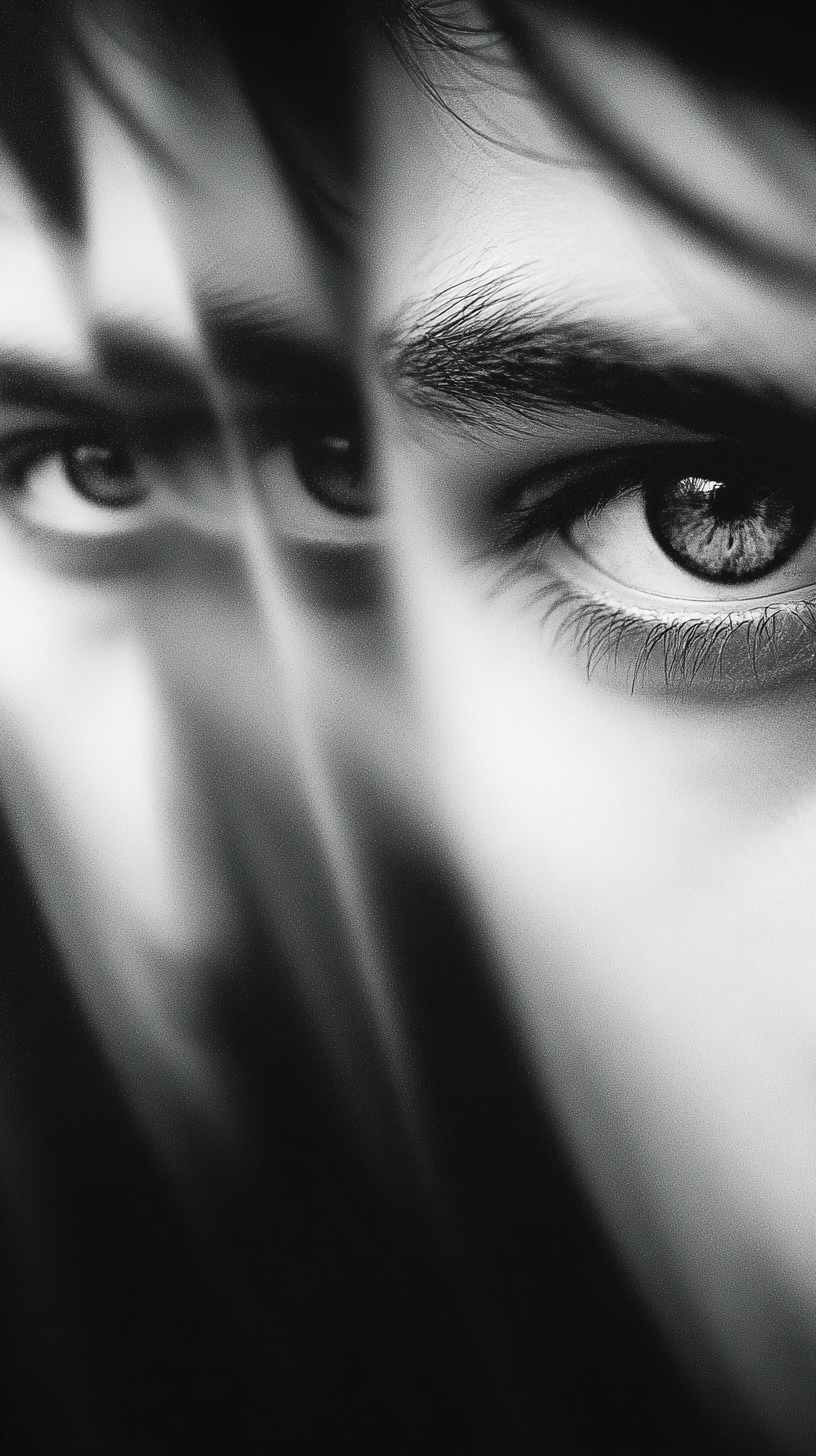
“We’ve got three images, all the same face, none of them current, and somehow they’re all helpful. If you see someone who looks like any of these, or none of them but close enough to make you uncomfortable, report it. That’s as precise as this is going to get.”
Related Discipline



Comments