


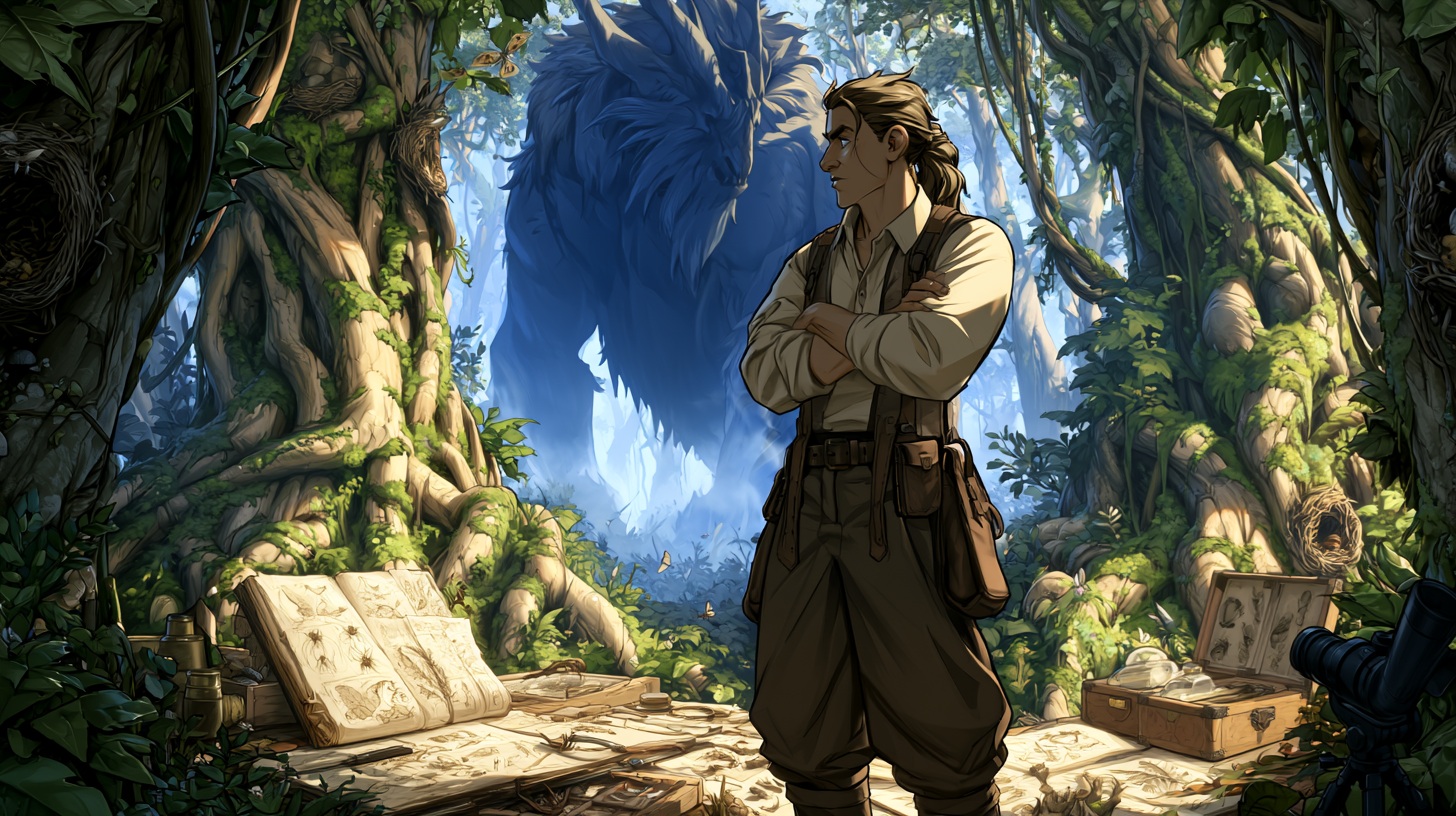
Zoologist
In The Jungle
“Most people ask where the wolves went. Wrong question. Ask why the rabbits stopped looking over their shoulders first.”
Most people notice animals only when they become a problem.
The Zoologist notices them long before that.
A missing bird song. Unusual tracks near a watering hole. A migration arriving weeks too early. A predator hunting territory it normally avoids. Such details appear insignificant to most observers. To the Zoologist, they are clues. Every ecosystem tells a story, and every species contributes a chapter. Understanding the natural world means learning how those stories connect.
This perspective separates the Zoologist from hunters, trappers, and even many naturalists.
The hunter often focuses upon a particular animal. The Zoologist studies the relationships surrounding it. A wolf is important, but so are its prey, its competitors, its territory, its breeding habits, its diseases, and the countless environmental pressures shaping its behavior. No creature exists in isolation. Every living thing participates in a larger system.
The profession is built upon that realization.
Whether trained by scholars, druids, explorers, natural philosophers, or years of firsthand observation, Zoologists learn to see patterns hidden within nature. A healthy forest, grassland, coastline, swamp, or mountain range possesses rhythms and balances that outsiders rarely recognize. Species appear where they should. Predators and prey maintain rough equilibrium. Migration routes remain consistent. Resources support the populations depending upon them.
When those patterns change, the Zoologist notices.
This ability often makes them the first to recognize trouble. Disease may spread through animal populations before affecting people. Environmental damage often appears in wildlife before becoming obvious elsewhere. Invasive species alter ecosystems long before communities understand the consequences. Predators behave differently when prey vanishes. Birds abandon nesting grounds when larger problems emerge.
Nature announces danger.
Someone simply has to know how to listen.
Years spent studying animals also cultivate patience. Unlike people, animals rarely explain themselves. Understanding them requires observation. A Zoologist may spend days watching a single nesting site, migration route, watering hole, or hunting ground. What appears uneventful to others often contains valuable information. Small behaviors reveal larger truths.
This habit of observation frequently extends beyond wildlife.
Many Zoologists become thoughtful, attentive individuals who notice details others miss. They recognize patterns. They compare behaviors. They remain curious. A lifetime spent asking why animals behave as they do encourages similar questions about everything else.
The profession occupies a unique position between scholarship and exploration. Some Zoologists work within universities, academies, museums, or menageries. Others spend years traveling through wilderness regions documenting species few people have ever seen. Many become both researchers and adventurers simply because understanding the natural world often requires going places most sensible people avoid.
The greatest discoveries rarely wait beside well maintained roads.
This pursuit often leads to fascinating questions. Why does a particular species migrate hundreds of miles each year? How do creatures survive in environments that should be impossible? What causes certain animals to thrive while others disappear? How do magical influences alter natural ecosystems? Can extinct species truly be extinct if reliable sightings continue to emerge?
Such mysteries drive many careers.
Indeed, some Zoologists become legendary not for what they discovered, but for what they refused to stop searching for. Entire expeditions have been organized around rumors of creatures believed lost to history. Forgotten valleys, isolated islands, ancient forests, and inaccessible mountain ranges continue attracting researchers convinced that nature still holds secrets waiting to be revealed.
Experience teaches humility as well.
The natural world is older than kingdoms, religions, and civilizations. Empires rise and fall. Species adapt and persist. Forests reclaim abandoned cities. Rivers carve new paths through lands once considered permanent. The Zoologist witnesses these processes firsthand and gains an appreciation for timescales far larger than human ambition.
This perspective can be comforting.
It can also be unsettling.
After all, ecosystems remember things people forget.
A region may still bear scars from disasters that vanished from historical records centuries ago. Animal behavior may preserve evidence of ancient disturbances. Entire species adapt to threats nobody remembers. To the Zoologist, the wilderness often functions as a living archive recording events long after written history has disappeared.
Perhaps that is why the profession inspires such fascination.
Every feather, scale, track, nest, burrow, claw mark, and bone tells part of a larger story. No single observation provides the complete picture. Understanding emerges only when countless small details are examined together.
Most people look at nature and see individual creatures.
The Zoologist sees relationships.
Most people notice what is present.
The Zoologist notices what should be present but isn't.
And sometimes, that absence reveals more than everything else combined.
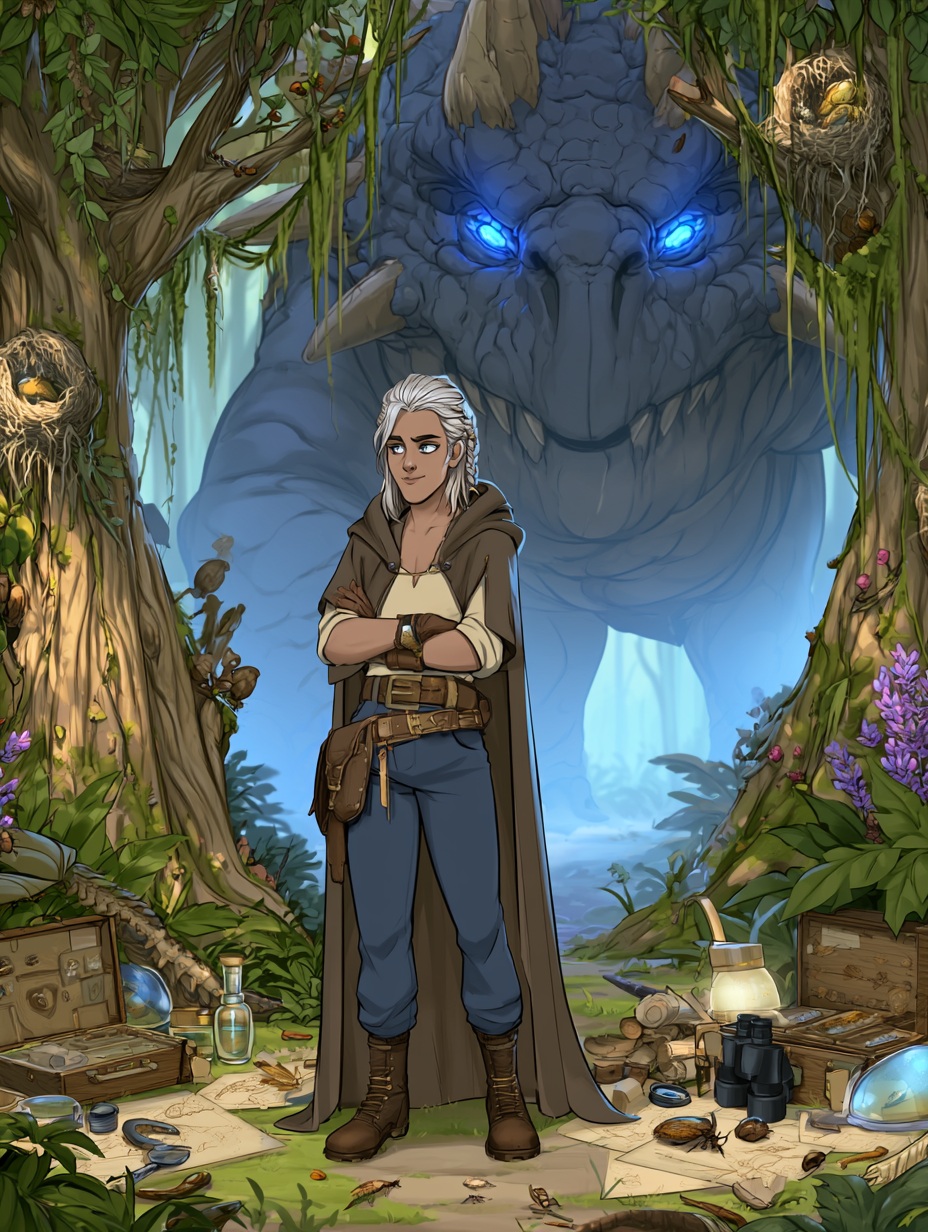
“The creature itself was fascinating. Far more fascinating, however, was the fact that it had no business being there.”
Type
Research / Scientific



In the jungle, the mighty jungle, the zoologist sleeps tonight.....